
Paraffin wax, a byproduct of petroleum refining, has long been a staple in a wide variety of industries, including cosmetics, candle-making, therapeutic treatments, and even food processing. Its widespread use is largely due to its affordability, versatility, and ease of access. Derived from the waxy substances in crude oil, paraffin wax offers several benefits that make it attractive to both businesses and individual consumers. It is often used in products ranging from candles to skin-care treatments, and it can be found in many households and industries across the globe.
However, while paraffin wax has undeniable advantages, it is not without its downsides. The fact that it is petroleum-based raises environmental concerns, and there are potential health risks associated with its use, especially when it is burned or heated to high temperatures. Understanding both the pros and cons of paraffin wax is crucial for making informed decisions, whether you’re using it for personal use in crafting or as part of a larger business production.
This article delves deeply into the various advantages and disadvantages of paraffin wax, providing a well-rounded perspective that will help you decide whether it’s the right choice for your needs. From its practical uses and affordability to the potential health and environmental risks, we’ll examine each factor in detail, ensuring you are fully equipped to make an educated decision.
What Is Paraffin Wax and What Is It Used For?
Paraffin wax is a colorless, odorless, and tasteless wax that is derived from petroleum. It is a byproduct of crude oil refining and is classified as a saturated hydrocarbon. Paraffin wax is made up of long-chain molecules and is typically solid at room temperature, with a melting point ranging between 46°C to 68°C (115°F to 154°F). It is one of the most commonly used waxes due to its availability, low cost, and versatility.
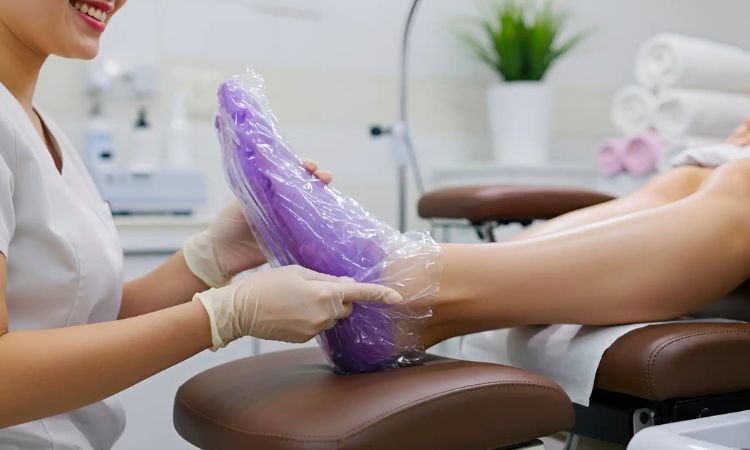
Paraffin wax has a wide range of applications across various industries, making it a highly sought-after material. One of its most popular uses is in the creation of candles. Paraffin wax burns cleanly, producing little soot, and is capable of holding both color and fragrance effectively. This makes it a top choice for candle manufacturers, particularly for mass-produced products. Paraffin wax is also commonly used in therapeutic treatments, such as paraffin baths for hands and feet, where it helps to moisturize dry skin, soften rough patches, and provide relief for conditions like arthritis.
In the cosmetic and beauty industry, paraffin wax is used in products like lip balms, lotions, and creams to enhance the texture and provide moisture. It forms a protective layer on the skin, preventing moisture loss and helping to keep the skin soft and hydrated. Additionally, paraffin wax is used in the coating of food products, such as cheese or fruits, to preserve freshness and extend shelf life.
Other industrial uses of paraffin wax include waterproofing applications (e.g., coating paper or textiles), sealing materials, and even in the manufacture of lubricants and electrical insulations. Its widespread use across various sectors attests to its effectiveness, affordability, and versatility as a material.
Is Paraffin Wax Toxic?
Paraffin wax itself is not considered inherently toxic when used properly. It is generally regarded as safe for use in candles, cosmetics, and therapeutic applications, provided it is of good quality and free from contaminants. However, the primary concern arises when paraffin wax is burned or heated to high temperatures, as this can release potentially harmful chemicals.
When paraffin wax is burned, it can emit trace amounts of volatile organic compounds (VOCs) like toluene and benzene, which are known to be carcinogenic. These chemicals are released into the air and can contribute to indoor air pollution, especially in poorly ventilated spaces. Prolonged exposure to these chemicals may pose health risks, particularly for individuals with respiratory conditions, such as asthma.
While studies have shown that the levels of VOCs emitted from paraffin wax candles are generally low, they can still be a concern for those sensitive to air quality or those who burn candles frequently in confined areas. The soot produced by burning paraffin wax candles can also contribute to indoor air pollution and may stain walls and furniture over time.
Additionally, some lower-quality paraffin wax may contain impurities or chemical additives, which could increase the risk of toxic emissions when burned. For this reason, it is recommended to use high-quality, purified paraffin wax for candles and other applications. If you are concerned about potential toxicity, opting for alternative waxes, such as soy wax or beeswax, which burn cleaner and emit fewer harmful substances, may be a safer choice.
In summary, while paraffin wax itself is not toxic in its solid form, the process of burning or heating it can release potentially harmful chemicals into the air. Taking precautions, such as using proper ventilation and choosing high-quality products, can help mitigate the risks associated with paraffin wax use.
Pros of Paraffin Wax
1. Affordable and Accessible
Paraffin wax is one of the most cost-effective waxes available, making it an appealing option for businesses and consumers alike. Its widespread availability is another reason it’s so affordable. Paraffin wax is derived from petroleum, which is abundant and relatively inexpensive to process. This allows for the mass production of paraffin wax at low costs, meaning that it is accessible to a wide range of people, from small businesses to individual crafters.
In the candle-making industry, paraffin wax is especially popular because of its low cost. Compared to more expensive alternatives such as beeswax, soy wax, or palm wax, paraffin wax allows manufacturers to produce candles at a competitive price point. Similarly, in therapeutic treatments, such as paraffin baths for hand and foot care, the cost-effectiveness of paraffin wax makes it a go-to choice for spas and wellness centers.
Additionally, paraffin wax is easy to find in most craft stores and online retailers, further enhancing its accessibility. Its widespread use in industries ranging from cosmetics to food processing also ensures that it remains a readily available material, making it highly versatile and convenient for various applications.
Despite the growing demand for more sustainable products, paraffin wax’s affordability and availability continue to make it the top choice for businesses and consumers looking for a practical and cost-effective wax solution.
2. Versatility in Use
Paraffin wax is incredibly versatile, which is one of the reasons it is widely used across multiple industries. In cosmetics and skincare, paraffin wax is a key ingredient in many treatments that aim to moisturize and soothe the skin. When used in spa treatments, it is commonly heated to a warm temperature and applied to hands, feet, or elbows to provide hydration. The wax helps to lock in moisture by creating a barrier on the skin, while the warmth stimulates blood circulation, aiding in relaxation and pain relief.
In addition to its benefits for skin health, paraffin wax also plays a significant role in the candle-making industry. Paraffin wax is favored for its ability to hold fragrance and color effectively, making it the ideal base for a wide variety of scented and decorative candles. The wax is easy to mold into different shapes and is suitable for both container and pillar candles. This versatility also extends to its use in industrial applications, such as in the coating of paper and cardboard for water resistance, or even as a sealant for food packaging.
The versatility of paraffin wax allows it to be used in a variety of applications without significant modification. Whether in healthcare, cosmetics, or as a crafting medium, paraffin wax provides a reliable solution that meets a broad range of needs. Its adaptability is one of the key reasons why it remains so popular.
3. Moisturizing Properties for Skin
Paraffin wax is commonly used in spa treatments, particularly for its ability to moisturize and soften the skin. When melted and applied to the skin, the wax forms a seal that locks in moisture, preventing dehydration and leaving the skin feeling smooth and soft. It is especially beneficial for individuals with dry, cracked skin, such as those suffering from conditions like eczema or psoriasis. The heat from the wax further helps to open pores and increase circulation, making it an excellent treatment for improving skin health and overall relaxation.
In addition to improving skin texture, paraffin wax treatments are often used to relieve joint pain and stiffness. The warmth of the wax can provide soothing relief for individuals with arthritis or other conditions that cause discomfort in the hands, feet, or joints. The combination of heat therapy and moisturization helps alleviate pain, increase mobility, and reduce inflammation, making paraffin baths a popular choice in therapeutic settings such as physical therapy clinics and spas.
Beyond its benefits for dry skin and joint pain, paraffin wax is also used in many beauty treatments, including hand and foot masks, to leave skin feeling soft and refreshed. The wax is a key ingredient in many beauty products, including lotions, creams, and other skincare solutions, where it contributes to the overall moisturizing effect.
4. Clean and Even Burn in Candles
Paraffin wax is a favorite material for candle makers because it burns cleanly and evenly. When used in candles, paraffin wax offers a steady, even burn that results in little to no soot or smoke. This is important for those who enjoy candles in their homes, as it helps maintain air quality and prevents the accumulation of soot on walls and furniture. Additionally, the clean burn means that the fragrance from scented paraffin candles is more pronounced, as there are fewer impurities interfering with the scent’s release.
Because of its low melting point and smooth consistency, paraffin wax burns at a consistent rate, ensuring that candles last longer without burning too quickly or unevenly. This is a significant advantage for consumers who are looking for candles that provide value for money, as paraffin wax candles tend to burn longer than those made from other types of wax.
Moreover, paraffin wax is an ideal medium for creating a wide range of candles, from small tealights to large decorative pillars. Its ability to maintain a consistent burn throughout the life of the candle makes it a highly reliable material in the candle-making industry, ensuring that consumers get the most out of their candles.
5. Easy to Mold and Shape
One of the reasons paraffin wax is so popular in arts and crafts is its ability to be easily molded and shaped. The wax has a low melting point, which means it can be poured into molds at a relatively low temperature and set quickly. This allows manufacturers and crafters to create candles, sculptures, and other products with intricate details or complex shapes.
For candle makers, this means that paraffin wax can be poured into molds of all kinds, from simple geometric shapes to more elaborate designs. Additionally, paraffin wax can be blended with dyes and fragrances without compromising the integrity of the final product, allowing for a wide variety of candle colors and scents.
Beyond candle-making, paraffin wax is also used in various craft projects. It is a great material for creating decorative pieces, such as wax flowers, holiday decorations, and sculptures. The ability to easily mold and shape the wax into any form makes it ideal for both beginners and professional crafters alike.
Moreover, paraffin wax can be used to make customized products, whether for personal use or for commercial production. Whether you’re making candles, wax figures, or decorative items, paraffin wax offers flexibility in design and execution.
6. Low Melting Point
Paraffin wax’s low melting point (usually between 46°C to 68°C or 115°F to 154°F) makes it incredibly easy to work with. Unlike other waxes that may require more specialized equipment or higher temperatures to melt, paraffin wax can be melted quickly and safely using common kitchen equipment such as a double boiler or microwave. This ease of melting makes it a popular choice for both commercial manufacturers and hobbyists who want a wax that is simple to use.
In therapeutic applications, the low melting point ensures that the wax remains at a safe and comfortable temperature for skin treatments, such as in paraffin baths. For example, when using paraffin wax for hand or foot treatments, the wax can be comfortably applied without the risk of burns, as it melts at a lower temperature than many other substances.
Additionally, because paraffin wax melts and solidifies quickly, it is ideal for creating products with a fast turnaround time. For those in the candle-making business or anyone engaged in crafting, the low melting point allows for quick production of high-quality wax-based products.
7. Long Shelf Life
Another advantage of paraffin wax is its long shelf life. When stored properly, paraffin wax can last for several years without losing its quality or effectiveness. This makes it an excellent option for businesses or individuals who may want to stock up on wax for future projects or commercial production.
For consumers, the long shelf life of paraffin wax also ensures that products such as candles or skincare treatments will remain in good condition for an extended period. Even if candles or wax-based beauty products are not used immediately, they will retain their quality and effectiveness.
This stability makes paraffin wax a popular choice for bulk purchases and long-term storage, reducing the need for frequent repurchasing. It also allows businesses to maintain consistent production without worrying about the wax going bad.
8. Water-Repellent Properties
Paraffin wax has water-repellent qualities, which makes it an ideal material for waterproofing products. This characteristic is especially beneficial in industries where water resistance is required. For example, paraffin wax is commonly used to coat paper products, such as paper cups or food packaging, to make them resistant to moisture. This helps to prevent the products from deteriorating when exposed to liquid.
In addition to its industrial uses, paraffin wax’s water-resistant properties make it valuable for outdoor products, such as waterproof candles, camping gear, and even certain types of clothing. Whether for everyday items or specialized products, the water-repellent nature of paraffin wax adds an extra layer of protection, enhancing the durability and functionality of various items.
9. No Strong Odors
Paraffin wax is nearly odorless in its solid form, which makes it a great option for creating candles that allow the fragrance oils to shine. Unlike some waxes, which may emit their own scent when burned, paraffin wax doesn’t have a strong odor of its own. This characteristic ensures that the scent of the candle itself is not masked by the wax, allowing for a clean and pleasant fragrance experience.
For consumers who enjoy scented candles, paraffin wax is often preferred because it has little to no interference with the fragrance oils. It allows the full depth of the fragrance to come through, whether it’s a floral, fruity, or woody scent, making paraffin wax ideal for creating candles with complex and layered scents.
Moreover, for those who prefer unscented candles, paraffin wax is a great option as it has no inherent smell. This makes it suitable for various situations, from religious ceremonies to everyday use, where a neutral, non-intrusive candle is required.
10. Wide Availability of Colors and Fragrances
Paraffin wax offers excellent compatibility with both dyes and fragrances, which allows for a vast range of color and scent options. Whether you want a deep red candle, a pastel blue candle, or a multi-colored decorative piece, paraffin wax accepts dyes well and can hold vibrant colors. This makes it ideal for creating custom-designed candles that suit specific preferences or themes.
In addition, paraffin wax can hold a wide variety of fragrance oils, making it the top choice for creating aromatic candles. Whether you prefer floral, citrus, spice, or vanilla scents, paraffin wax can absorb and release fragrances effectively, resulting in a stronger, more lasting scent throw.
The ability to mix and match colors and scents allows paraffin wax to be used in a variety of creative applications, making it a popular choice for businesses looking to create unique and customizable products.
Cons of Paraffin Wax
1. Derived from Petroleum
One of the primary concerns with paraffin wax is that it is a byproduct of petroleum refining. Petroleum is a non-renewable resource, and the extraction process has a significant environmental impact, contributing to pollution and carbon emissions. Additionally, the reliance on petroleum for paraffin wax production raises sustainability concerns, especially in an era where there is increasing pressure to move toward renewable resources.
For those who are environmentally conscious, the petroleum-based nature of paraffin wax may be a significant drawback. This has led some consumers and businesses to seek alternatives such as soy wax, beeswax, or palm wax, which are derived from renewable resources and are considered to have a smaller environmental footprint.
The use of petroleum products also contributes to the demand for oil, which in turn can exacerbate issues such as oil spills, habitat destruction, and dependence on fossil fuels. As awareness of environmental issues increases, many people are actively avoiding products made from petroleum-derived substances, including paraffin wax.
2. Potential for Toxicity When Burned
While paraffin wax is often marketed as a safe and clean-burning option for candles, some studies have raised concerns about the potential release of toxic substances when it is burned. Paraffin wax can release harmful chemicals such as toluene and benzene into the air when it is burned, which are known to be carcinogenic and harmful to human health. These chemicals can be especially concerning when candles are burned in poorly ventilated areas, as the concentration of these substances can increase.
The combustion of paraffin wax can also contribute to indoor air pollution, particularly when candles are burned for extended periods. For individuals with respiratory conditions such as asthma, the release of these chemicals may worsen symptoms and lead to discomfort or health issues. While the health risks of burning paraffin candles are still being studied, many health-conscious consumers prefer to use alternatives like soy or beeswax candles, which are less likely to release harmful toxins.
For those who are concerned about indoor air quality or want to reduce exposure to potentially harmful substances, the risks associated with burning paraffin wax candles may make them an undesirable choice.
3. Not Biodegradable
Another disadvantage of paraffin wax is that it is not biodegradable. Unlike plant-based waxes like soy or beeswax, paraffin wax does not break down naturally in the environment. This means that if it is not disposed of properly, it can contribute to landfill waste and environmental pollution. The fact that paraffin wax is derived from petroleum only adds to its environmental impact.
When paraffin wax products are discarded, such as unused candles or leftover wax from therapeutic treatments, they remain in the environment for a long time without decomposing. This makes it difficult to recycle or reuse paraffin-based products, contributing to waste and environmental strain.
For consumers and businesses who are environmentally conscious, this lack of biodegradability is a significant drawback. As the world moves toward more sustainable and eco-friendly alternatives, paraffin wax’s inability to break down in nature may make it a less desirable option compared to renewable and biodegradable materials.
4. Can Cause Skin Irritation
Paraffin wax, although beneficial for skin hydration and softening, can cause irritation or allergic reactions in some individuals. People with sensitive skin, eczema, or other dermatological conditions may find that paraffin wax exacerbates their symptoms. In some cases, the heat of the wax can also lead to burns if not handled properly, especially in therapeutic applications such as paraffin baths for hands and feet.
While the therapeutic benefits of paraffin wax are well-documented, individuals with allergies or sensitive skin should be cautious. The additives and chemicals used in some paraffin wax products can trigger reactions, causing redness, irritation, or rashes. As a result, it is important for people with skin sensitivities to test the product on a small area of skin before using it more widely.
Some individuals also find that the sticky residue left by paraffin wax can be difficult to remove from the skin. This can make the wax less appealing for those who prefer skin treatments that leave no lingering feeling or mess.
5. Inability to Support Complex Scent Profiles
Although paraffin wax is widely used in scented candles, it may not be the best option for complex scent profiles. While it holds fragrance oils well, the ability of paraffin wax to release strong and complex scents may be limited compared to other waxes, such as soy wax. The scent throw from paraffin wax can sometimes be weaker, especially in heavily fragranced candles, meaning the fragrance may dissipate quickly or fail to fill the room as effectively.
For consumers who seek deeply layered or potent fragrances, paraffin wax may not be the most effective option. The wax can sometimes dilute or mask the true essence of a fragrance, leading to a less satisfactory candle experience. This can be particularly frustrating for candle enthusiasts who value the depth and complexity of different scent combinations.
Additionally, the scent of paraffin wax candles may fade over time, particularly if they are stored improperly or exposed to heat. This results in a diminished fragrance experience, which may not be acceptable for individuals who are seeking long-lasting, aromatic products.
6. Can Leave Residue on Surfaces
Paraffin wax has a tendency to leave a residue on surfaces, particularly when it is spilled or dripped from candles. This can be a significant inconvenience, especially for consumers who are using the wax in home décor or therapeutic applications. For instance, if paraffin wax drips from a candle, it can leave behind a greasy stain that can be difficult to remove from fabric, wood, or other materials.
For crafters and candle makers, this can also be a concern during production, as excess wax may need to be cleaned up. Additionally, when using paraffin wax in therapeutic baths, the residue left on the skin or other surfaces may require additional cleaning steps to fully remove. Unlike beeswax, which tends to be easier to clean, paraffin wax can be a bit more stubborn and may require the use of solvents or specialized cleaning products.
This aspect of paraffin wax can lead to frustration for consumers who are trying to maintain a clean and tidy home environment or craft space.
7. Harder to Clean off Hands
When working with paraffin wax, especially in candle-making or craft projects, it can be challenging to clean it off hands and surfaces once it has solidified. As paraffin wax cools and hardens, it tends to stick to skin and other materials, requiring special cleaning techniques to remove. This can be particularly troublesome for those new to crafting or wax-based products, as they may not be familiar with the proper methods for cleaning.
While warm water and soap can remove some of the residue, it often requires a bit of scrubbing, or the use of oils, to completely clean the hands. For individuals who are engaged in large-scale candle-making or craft projects, this cleaning process can become time-consuming and inconvenient. This lack of ease in cleaning can be a deterrent for some consumers who value convenience and cleanliness when working with materials.
8. Allergic Reactions in Some People
For people with sensitivities or allergies to petrochemical-based products, paraffin wax may not be the best option. The hydrocarbons found in paraffin wax can trigger allergic reactions, ranging from mild skin irritation to more severe respiratory issues when burned. While paraffin wax is generally considered safe for the majority of people, those with existing sensitivities may experience discomfort or adverse effects.
In particular, individuals with asthma or other breathing problems may find that the chemicals released when paraffin wax is burned exacerbate their symptoms. The fumes produced by burning paraffin candles, which can contain harmful chemicals like benzene and toluene, may also irritate the lungs or nasal passages of sensitive individuals. This makes paraffin wax a less suitable option for homes with children, elderly individuals, or people with respiratory conditions.
For people who are concerned about allergies or sensitivities, it is advisable to opt for alternative waxes, such as soy or beeswax, which are considered to be less likely to cause allergic reactions.
9. Limited Heat Resistance
Paraffin wax has a relatively low melting point, which means it may not be suitable for use in high-heat environments. This can be a disadvantage for products that are exposed to intense temperatures or for consumers who want a wax that can hold up in hotter conditions. For example, outdoor candles made from paraffin wax can start to melt or warp when exposed to the sun, shortening their lifespan.
In addition, paraffin wax is not suitable for applications where high-temperature resistance is required, such as in some industrial uses or heat-sensitive packaging. While paraffin wax performs well at moderate temperatures, its inability to withstand extreme heat limits its usefulness in certain settings.
10. Shorter Burn Time Compared to Other Waxes
While paraffin wax is widely used in candle-making due to its affordability and clean burn, it tends to have a shorter burn time than other waxes, such as soy or beeswax. This is a significant drawback for consumers who want long-lasting candles. While paraffin wax candles are inexpensive, they may burn up more quickly than their counterparts, resulting in a less satisfying experience over time.
For those who prioritize longevity in candles, paraffin wax may not be the most economical choice in the long term. The quicker burn time means that customers may need to replace paraffin candles more often than those made from waxes with longer burn durations. This can be seen as a disadvantage for people who are looking for more sustainable or longer-lasting candle options.
Conclusion
Paraffin wax remains a popular choice for various applications, from candle-making and cosmetics to therapeutic treatments and industrial uses. Its affordability, versatility, and ability to burn cleanly make it a top choice for many. However, the environmental and health concerns associated with its petroleum origin, as well as potential skin irritation and short burn times, may be drawbacks for some consumers.
When deciding whether paraffin wax is the right option for you, it’s essential to weigh the advantages of cost-effectiveness and accessibility against the potential health and environmental risks. If sustainability and long-term health effects are your priority, you may want to explore alternatives such as soy or beeswax. However, for those seeking a budget-friendly, reliable material for crafting, spa treatments, or candle-making, paraffin wax remains an effective and widely-used solution. Ultimately, the choice depends on your specific needs and values, and understanding the pros and cons of paraffin wax can help you make the best decision for your situation.