
Walla Walla is one of those places that leaves a strong impression on people, often in ways they do not expect. At first glance, it may seem like just another small city in the Pacific Northwest. However, once you look a little deeper, it becomes clear that Walla Walla offers a very particular kind of lifestyle.
It has a historic charm that feels real rather than staged, a downtown that actually functions as the social heart of the city, a strong wine-country reputation, and a pace of life that many people find refreshing after years of dealing with larger, busier, and more expensive cities.
For some residents, Walla Walla feels like the ideal balance. It is big enough to provide culture, healthcare, education, restaurants, and community events, yet small enough to avoid the stress, congestion, and impersonality that often come with major metropolitan living. There is a sense of local pride here. People do not just live in Walla Walla because it is convenient. Many genuinely enjoy the city’s identity, its slower rhythm, and the quality of everyday life it can provide.
Still, no place is perfect. The same qualities that make Walla Walla appealing to some people can make it feel limiting to others. A smaller city means fewer job options, fewer large-scale amenities, and fewer choices in some areas of daily life.
If you love variety, anonymity, fast-paced urban energy, or a huge labor market, Walla Walla may start to feel too quiet or too narrow over time. In other words, living here can be wonderful, but it depends very much on what you want from a place.
That is why it helps to look at Walla Walla honestly, not just romantically. In this article, we will explore the city in depth. First, we will cover its history, location, why people love living there, and how many people live in Walla Walla. After that, we will look closely at 13 pros and 12 cons of living in Walla Walla so you can get a balanced and realistic picture of what life in this city is actually like.
History & Location Of Walla Walla
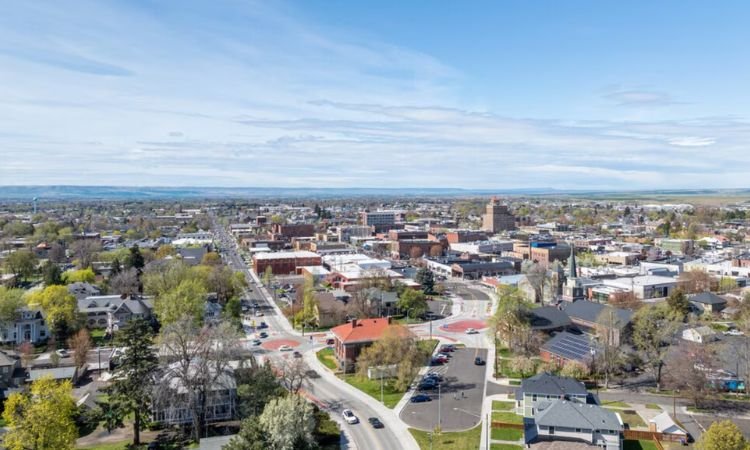
Walla Walla is located in southeastern Washington, not far from the Oregon border. Geographically, it sits in a part of the state that feels very different from the greener, wetter image many people associate with Washington. This is not the coastal side of the state with constant drizzle and dense urban corridors. Walla Walla is part of a more open, drier, and sun-soaked landscape surrounded by rolling hills, farmland, vineyards, and views that can feel both expansive and calming at the same time.
The city also has a much deeper history than many first-time visitors realize. Long before it became the Walla Walla people know today, the region was home to Indigenous communities whose roots in the area go back generations. Later, Walla Walla developed into an important settlement and regional center during the nineteenth century. Over time, it became known for agriculture, trade, education, and civic significance. That historical depth is still visible in the city’s older architecture, its downtown layout, and the way the community talks about itself.
One of the most interesting things about Walla Walla is that its location has helped shape its identity in several ways at once. Because it sits in a fertile valley, agriculture became a major part of its development. Because it is somewhat removed from the state’s largest urban centers, it developed a strong local character rather than becoming an extension of a much larger metro area. And because the valley proved especially well-suited to wine production, Walla Walla eventually grew into one of the most respected wine regions in the Pacific Northwest.
Today, Walla Walla is not just a small city with a historic past. It is a place where history, agriculture, education, tourism, and regional service all intersect. Its location gives it beauty and distinction, but also contributes to some of the trade-offs people experience when they choose to live there.
Why Do People Love Living In Walla Walla?
People love living in Walla Walla for many different reasons, but most of them come back to one central idea: the city offers a lifestyle that feels more intentional and more livable than many places of a similar size. It has enough happening to keep life interesting, but not so much that daily life feels overwhelming. That balance is hard to find.
For many residents, the appeal begins with the atmosphere. Walla Walla has a downtown that feels active rather than abandoned, attractive rather than purely functional. The city has restaurants, tasting rooms, coffee shops, boutiques, local events, and an overall environment that encourages people to get out, walk around, and engage with the place they live in. That gives the city a social energy that many small towns never manage to build.
Others are drawn to the beauty and rhythm of the surrounding valley. Walla Walla offers open skies, vineyard landscapes, agricultural scenery, and a feeling of space that can be deeply appealing to people leaving crowded urban environments. The city often feels calmer, quieter, and more breathable than bigger places.
Another major reason people love living here is the quality of life. Many residents appreciate that Walla Walla feels manageable. Errands are easier. Traffic is lighter. Commutes are shorter. People often say they feel less rushed living in a city like this. There is also a stronger chance of developing real familiarity with businesses, neighbors, and community spaces, which gives daily life a more personal feel.
Finally, Walla Walla’s blend of wine culture, education, local pride, and historic character gives it a personality. It does not feel bland or interchangeable. For many people, that makes a real difference. They are not just choosing a place to sleep and work. They are choosing a city that feels distinctive, rooted, and genuinely pleasant to come home to.
How Many People Live In Walla Walla?
Walla Walla is home to a little over thirty thousand people, which places it firmly in the small-city category. That population size is one of the most important things to understand when thinking about life there, because it shapes nearly everything else about the city.
A population of this size means Walla Walla is large enough to support a functioning downtown, colleges, healthcare services, restaurants, local events, and a recognizable civic identity. At the same time, it is small enough that people often begin to recognize familiar faces, traffic stays relatively manageable, and the city never feels overwhelmingly crowded.
This middle ground is part of what makes Walla Walla appealing. It does not feel like a tiny town with no services, but it also does not feel like a sprawling urban center. That said, the same population size that creates charm also creates limits. There are fewer job opportunities than in a major metro, fewer neighborhoods with dramatically different lifestyles, fewer specialty stores, and fewer large-scale entertainment options.
In other words, Walla Walla’s size is not just a statistic. It is a defining feature of the experience of living there. For some people, that size feels ideal. For others, it may eventually feel restrictive. Whether it is a strength or a weakness depends largely on what kind of life you want.
Pros Of Living In Walla Walla
1. Walla Walla Has a Strong Sense of Identity
One of the biggest advantages of living in Walla Walla is that it feels like a real place with a real character. Some cities, especially smaller ones, can feel forgettable or interchangeable. Walla Walla does not have that problem. It has a recognizable name, a visible history, a wine-country identity, and a downtown that gives the city a clear center. People often feel that they are living somewhere with personality rather than somewhere purely practical.
That sense of identity matters more than many people realize. It affects how attached residents feel to the city, how proud they are to invite people to visit, and how meaningful daily life can become over time. Living in a place with character often makes people feel more grounded. Walla Walla is not just a pin on the map. It has a story, a reputation, and a distinct atmosphere that people can connect to.
2. The Downtown Area Is Attractive and Functional
A lot of cities claim to have a vibrant downtown, but in reality, many are either too empty, too commercial, or too underused to feel like the true heart of the city. Walla Walla’s downtown is one of its genuine strengths. It feels active, walkable, and alive in a way that adds real value to local life. Instead of being just a district for offices or occasional visitors, it serves as a place where people actually gather, eat, shop, and spend time.
That matters because an active downtown improves everyday living. It gives residents a place to walk on weekends, meet friends for coffee, enjoy local restaurants, attend events, or simply feel connected to the community. In smaller cities, a healthy downtown often determines whether the place feels lively or stale. Walla Walla benefits from having a central area that still feels socially relevant.
3. Wine Country Living Is a Real Benefit
Walla Walla’s wine reputation is not just good for tourism. It also improves the quality of life for residents. Living in a wine region often means access to beautiful landscapes, tasting rooms, local events, vineyard views, and a more developed food-and-drink culture than one might expect in a city of this size. Even if you are not especially interested in wine, you still benefit from the atmosphere and the businesses that grow around that identity.
Wine culture tends to elevate dining, hospitality, and aesthetics. In Walla Walla, that influence is visible in the city’s restaurants, the surrounding countryside, and the overall appeal of the region. For many residents, this adds a sense of richness to life that would otherwise be difficult to find in a small inland city.
4. The Pace of Life Is More Relaxed
One of the clearest reasons people choose Walla Walla is that life generally feels less frantic there. In larger cities, many people eventually grow tired of constant traffic, long commutes, crowded errands, and the pressure of always moving quickly. Walla Walla offers a different pace. It feels calmer and more manageable.
That slower rhythm does not mean people do nothing. It simply means daily life can feel less compressed. You are less likely to spend a huge part of your day stuck in traffic or navigating overwhelming urban chaos. Many people find that this makes them less stressed and more present in their routines. For families, retirees, remote workers, and anyone looking for more breathing room in life, this can be a major advantage.
5. There Is a Strong Community Feel
Walla Walla is the kind of place where people are more likely to feel part of a community rather than just another anonymous resident. In a smaller city, repeated interaction happens more naturally. You begin to recognize local business owners, see familiar faces at events, and understand the rhythm of the place. That familiarity can make life feel warmer and more rooted.
For many residents, this is a major quality-of-life benefit. Community is not always easy to find in larger cities, where social circles can be fragmented and daily life feels more anonymous. In Walla Walla, it can be easier to build connections, get involved locally, and feel like your presence matters. That is especially valuable for people who are tired of living in places where everyone feels disconnected from one another.
6. Colleges Add Culture and Energy
Walla Walla benefits from having higher education institutions in and around the city, and that adds more value than many people first assume. Colleges bring students, professors, events, lectures, performances, and a more intellectually active atmosphere. This helps keep the city from feeling static or culturally thin.
A college presence can also influence the broader tone of a city. It often encourages a stronger appreciation for the arts, ideas, learning, and community programming. Even if you have no personal connection to a college, you may still benefit from the concerts, talks, exhibitions, and general vitality that educational institutions bring to local life. In a city the size of Walla Walla, this added layer of activity is significant.
7. The City Has Historic Charm
Walla Walla has a visible historical character that many people find appealing. Its older buildings, preserved streetscapes, and long civic history give the city a texture that newer places often lack. Instead of feeling like it was assembled all at once in recent decades, Walla Walla feels lived in, layered, and rooted.
Historic charm is not just about aesthetics. It shapes the emotional experience of living in a place. A city with character often feels more memorable, more inviting, and more meaningful. Residents who appreciate architecture, local history, and a sense of continuity usually find this especially rewarding. Walla Walla’s historic feel is one of the reasons people describe it as charming rather than simply convenient.
8. It Is Easier to Enjoy Everyday Life
Some places are exciting in theory but exhausting in practice. Walla Walla tends to offer the opposite experience. It may not overwhelm you with endless options, but it often makes daily life more pleasant. Going downtown, meeting friends, running errands, visiting local spots, or simply driving across town tends to feel easier and less stressful.
That ease matters. Quality of life is often built not from dramatic moments but from the texture of ordinary days. When daily routines feel manageable, people often feel happier with where they live. Walla Walla works well for those who value livability over intensity. The city does not need to be huge to be enjoyable. In many ways, its smaller scale makes ordinary life better.
9. The Surrounding Scenery Is Beautiful
Walla Walla’s setting is a real advantage. The valley landscape, vineyards, farmland, open skies, and nearby hills create a kind of beauty that is quieter and more spacious than mountain-resort drama but often just as satisfying in daily life. The area feels open, and that sense of space can be deeply appealing to residents who want something visually calming and less enclosed than dense urban development.
Beautiful surroundings affect more than just weekend outings. They shape how it feels to drive, walk, and live in the area every day. Scenic surroundings can improve mood, create a stronger connection to place, and make even ordinary routines feel a little more enjoyable. Walla Walla benefits from a landscape that gives the city part of its identity.
10. Traffic and Commutes Are More Manageable
Another clear advantage of living in Walla Walla is that the city does not usually come with the crushing traffic problems found in larger metro areas. For many people, commute stress has a major impact on quality of life. Long hours spent driving or sitting in slow-moving traffic can drain time, patience, and energy. Walla Walla tends to offer a more manageable experience.
Shorter drives and lighter traffic mean people often get more of their day back. That can improve work-life balance, reduce frustration, and make the city feel easier to navigate overall. It also makes the logistics of everyday life simpler. School drop-offs, errands, appointments, and social plans all become less complicated when the city is not overwhelmed by congestion.
11. Walla Walla Works Well for People Seeking Balance
Some places are great for career ambition but hard on peace of mind. Others are relaxing but too limited to feel sustainable. Walla Walla can appeal to people who want a better balance between comfort, community, culture, and everyday practicality. It is especially attractive to those who value quality of life as much as professional momentum.
This does not mean the city is perfect for every stage of life, but it does mean it can offer a particularly satisfying balance for people who want enough activity without constant overload. Families, semi-retirees, remote workers, and residents seeking a calmer lifestyle often find this balance especially attractive.
12. There Are Enough Amenities Without Big-City Chaos
Walla Walla’s small-city size might make some people assume it lacks too much, but that is not entirely true. The city has healthcare, restaurants, schools, local shopping, events, wine-related businesses, and a downtown that supports regular activity. It is not a giant urban center, but it is also not bare-bones living.
That middle ground is one of its main strengths. You can enjoy a functional city without dealing with all the complications of a large metropolitan area. For many residents, that is exactly the appeal. They do not need endless options. They just want enough to live well.
13. It Often Feels Like an Intentional Place to Live
Perhaps the final and most meaningful advantage is that Walla Walla often feels like a place people choose on purpose. It is not usually a default city. Many residents live there because the city fits the kind of life they want. That creates a different kind of atmosphere. People are often there because they value the setting, the lifestyle, and the pace.
A city shaped by that kind of intentional living often feels more grounded and more self-aware. Residents may be more invested in local businesses, more appreciative of the city’s identity, and more willing to participate in community life. That creates a stronger sense of place and often makes the city feel more rewarding over time.
Cons Of Living In Walla Walla
1. It Can Feel Isolated
One of the most common drawbacks of living in Walla Walla is that it can feel geographically isolated. Southeastern Washington is not where people go when they want quick access to multiple major cities or endless regional options within a short drive. Walla Walla has its own identity, but that independence comes with remoteness.
For some people, this is part of the appeal. For others, it becomes frustrating. If you are used to living close to large urban centers, big shopping districts, major airports, or a wide range of specialized services, Walla Walla may feel far away from the action. That sense of isolation can become more noticeable over time.
2. Job Opportunities Are More Limited
A small city, no matter how attractive, almost always offers fewer job opportunities than a major metro area. Walla Walla is no exception. While it has important sectors such as education, healthcare, hospitality, agriculture, and wine-related business, the overall labor market is still narrower than what you would find in a much larger city.
This can be especially difficult for people in specialized fields or dual-career households. One person may find a good role, while the other struggles to find something comparable. Younger professionals or highly specialized workers may eventually feel constrained unless they have remote work flexibility or are willing to commute or relocate later.
3. Housing May Feel Expensive for a Small City
Many people assume small cities automatically mean cheap housing, but that is not always true. In places like Walla Walla, lifestyle appeal, limited supply, and a desirable reputation can make housing feel more expensive than expected, especially when compared with local wages and job options.
This creates a particular kind of frustration. Walla Walla may still look less expensive than a major coastal city, but that does not necessarily mean it feels affordable on local income. Buyers and renters alike may find that the city’s charm comes with a price point that feels higher than they assumed for a place of its size.
4. The City Is Not Ideal for People Who Want Endless Variety
Walla Walla has quality, but it does not have unlimited variety. There are only so many neighborhoods, so many entertainment options, so many shopping choices, and so many kinds of nightlife a city this size can support. If you are someone who thrives on constant novelty, urban diversity, and endless options, you may eventually feel limited.
This is one of the biggest trade-offs of small-city living. Walla Walla can be charming and enjoyable, but it cannot replicate the scale of a major metro. People who need frequent novelty often notice this sooner or later.
5. Summers Can Be Hot and Dry
People unfamiliar with eastern Washington sometimes assume the whole state shares the same cool, damp climate. Walla Walla does not. Summers can be hot, dry, and intense compared with the climate many outsiders expect from Washington. That can come as a surprise to people moving from coastal or more temperate areas.
For some residents, the dry warmth is pleasant. For others, it feels exhausting, especially during heat waves. Late summer can also bring a more parched appearance to the landscape, which changes the look and feel of the region. If you prefer cooler, greener surroundings year-round, this part of Walla Walla may be a drawback.
6. Travel Can Be Less Convenient
Even though Walla Walla offers some air access and regional transportation advantages, travel still tends to require more planning than it would in a larger city. Smaller airports usually mean fewer routes, fewer direct flights, and less scheduling flexibility. If you travel often for work, family, or personal reasons, this can become an ongoing inconvenience.
In addition, some trips may still involve longer drives or extra connections. That is simply part of living in a smaller regional city. You trade some travel convenience for the benefits of a quieter local lifestyle.
7. Some Specialized Services Require Going Elsewhere
Walla Walla has a decent range of local services for its size, but it cannot provide every specialized medical, professional, retail, or technical service that larger urban centers can. In some cases, residents must travel elsewhere for highly specialized care, very niche shopping needs, or certain professional services.
This is not unusual for a small city, but it is still worth acknowledging. Living in Walla Walla often means accepting that some needs will be handled locally, while others will require more effort and planning. For people used to having everything nearby, this can feel inconvenient.
8. The Social Scene Can Feel Small
A strong sense of community is a benefit, but it can also become a drawback depending on your personality. In a smaller city, social circles may overlap more, word travels faster, and it may be harder to enjoy the kind of anonymity available in larger places. Some people love this. Others do not.
If you prefer broad social variety, constantly changing scenes, or the freedom to move through life without being especially known, Walla Walla may feel socially narrow after a while. The city offers connection, but sometimes at the expense of privacy or variety.
9. Big-City Culture Is Hard to Replicate
Walla Walla benefits from local charm, colleges, wine culture, and community events, but it is still not a large cultural capital. If you want constant access to major concerts, large museums, broad theater scenes, specialized communities, international-scale events, and big-city cultural density, you may feel the difference sharply.
The city can provide enough culture for many people, but not everyone. Residents who are used to deep urban cultural infrastructure may find that Walla Walla feels smaller in this respect than they hoped.
10. Lifestyle Appeal Can Change the City’s Cost and Character
One of the paradoxes of attractive small cities is that the very qualities making them desirable can also make them harder to live in. Walla Walla’s wine-country image, tourism appeal, and overall lifestyle reputation help the city thrive, but they can also affect housing, business focus, and the general feeling of who the city is being shaped for.
Some residents may feel that certain parts of local life become more visitor-oriented or more expensive because of the city’s desirability. This is not unique to Walla Walla, but it is part of the tension that often develops in appealing small destinations.
11. It May Feel Too Quiet for Some People
Peace and calm are major strengths of Walla Walla, but they are not universal strengths. For some people, especially those who love fast-paced urban energy, the city may simply feel too quiet. What one person experiences as relaxing, another may experience as dull.
This is a deeply personal issue. If you are energized by density, nightlife, large crowds, and constant movement, Walla Walla may not give you enough stimulation. A city can be beautiful and pleasant and still not match the pace that some people genuinely prefer.
12. Some People Eventually Outgrow It
The final drawback is perhaps the most honest one: some people eventually outgrow Walla Walla. That does not mean the city disappoints them. It means their priorities change. A place that once felt peaceful may later feel limiting. A city that once offered exactly enough may later seem too small for evolving ambitions, interests, or needs.
This is especially common when careers become more specialized, families need new opportunities, or personal preferences shift toward more scale and diversity. Walla Walla can be deeply satisfying for the right person at the right time, but it is not necessarily a forever fit for everyone.
Conclusion
Walla Walla is the kind of place that inspires strong affection from the people it suits well. It offers charm, identity, a real downtown, a respected wine culture, a manageable pace of life, and a level of community connection that many larger cities struggle to provide. For people who want a city that feels distinctive rather than generic, and calm rather than chaotic, Walla Walla can be an excellent place to live.
At the same time, it is important to be realistic. Walla Walla is still a small city with the limitations that small cities naturally have. Job variety is narrower, travel is less convenient, specialized services are fewer, and people who thrive on endless urban energy may eventually feel restricted. The city’s beauty and livability do not erase those trade-offs.
In the end, the pros and cons of living in Walla Walla come down to fit. If you value pace, character, scenery, community, and a more intentional way of living, Walla Walla may feel like a very smart choice. If you need constant variety, a huge labor market, and large-city scale, it may feel too small. That does not make Walla Walla good or bad. It simply makes it specific — and for the right person, that specificity is exactly what makes it so appealing.