
Commercial fishing plays a major role in feeding populations, supporting economies, and sustaining coastal communities across the world. For many countries, it is more than just an industry. It is a source of employment, trade, cultural identity, and food security. From small offshore fleets to large industrial operations, commercial fishing supplies fish and seafood to local markets, restaurants, processors, exporters, and global retail chains. Without it, many diets, businesses, and livelihoods would look very different.
At the same time, commercial fishing is one of the most debated sectors connected to natural resource use. Supporters point to its economic value, its contribution to nutrition, and the millions of jobs it creates directly and indirectly. Critics focus on overfishing, habitat damage, bycatch, pollution, and the pressure it can place on marine ecosystems when management is weak or profits are prioritized over long-term sustainability. In other words, commercial fishing can be both essential and controversial, depending on how it is practiced, regulated, and enforced.
That is why the subject deserves a balanced look. It is not enough to say commercial fishing is simply good or bad. The reality is more complex. It offers important benefits to society, but it also carries risks that can harm oceans, wildlife, and future generations if the industry is mismanaged. Understanding both sides is essential for policymakers, business owners, environmental advocates, seafood buyers, and everyday readers who want to know where their food comes from.
In this article, we will look closely at the pros and cons of commercial fishing. First, we will explain what commercial fishing is, then we will break down 10 major advantages and 10 major disadvantages under clear subheadings. By the end, you will have a fuller understanding of why commercial fishing remains such an important yet challenging global industry.
What Is Commercial Fishing?
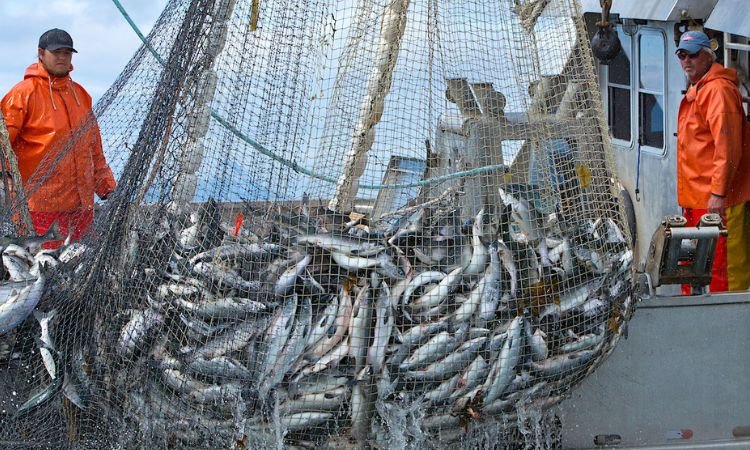
Commercial fishing is the activity of catching fish and other seafood for sale and profit rather than for personal consumption or recreation. It includes the harvesting of species such as tuna, cod, salmon, sardines, shrimp, crab, lobster, squid, and many others. These catches are sold fresh, frozen, canned, dried, or processed into a wide range of food products for domestic and international markets.
Commercial fishing can happen on a small scale or a large industrial scale. Small commercial fishers may operate from modest boats and supply nearby communities or regional markets. Large commercial fleets may use advanced vessels, sonar systems, refrigeration technology, factory ships, and extensive storage systems to catch and process seafood for national and global distribution. The methods used in commercial fishing also vary widely. Common methods include trawling, longlining, purse seining, gillnetting, handlining, and trap fishing.
The purpose of commercial fishing is straightforward: to harvest seafood efficiently enough to generate income. However, the industry exists within a highly complex system involving ecosystems, market demand, government regulation, export trade, labor, fuel costs, seasonal changes, and conservation rules. In some places, commercial fishing is carefully managed with catch limits, closed seasons, and licensing systems. In others, weak oversight can lead to overfishing and serious environmental stress.
Commercial fishing should not be confused with subsistence fishing, which is mainly for family or community use, or recreational fishing, which is done for leisure or sport. Commercial fishing is business-driven. It can be a vital source of food and economic growth, but because it depends on natural marine resources, it must be managed responsibly if it is to remain viable for the long term.
Commercial Fishing Effects On Environment
Commercial fishing has a major effect on the environment, and those effects can be both immediate and long-lasting. One of the biggest concerns is overfishing, which happens when fish are caught faster than they can reproduce. When this continues for too long, fish populations decline, breeding cycles are disrupted, and some species may become commercially or ecologically threatened. This affects not only the target species but the entire marine food chain.
Another serious issue is bycatch, which refers to the accidental capture of non-target species such as sea turtles, dolphins, seabirds, juvenile fish, and sharks. Many of these animals die before they can be returned to the water. As a result, biodiversity suffers, and vulnerable species face even greater pressure.
Certain fishing methods can also damage habitats. For example, bottom trawling drags heavy nets across the seafloor, which can destroy coral reefs, sponge beds, and other sensitive habitats that marine life depends on for shelter, feeding, and reproduction. Once damaged, these ecosystems can take years or even decades to recover.
Commercial fishing may also contribute to marine pollution. Lost or discarded nets, lines, and traps can remain in the ocean and continue catching marine animals, a problem known as ghost fishing. Fuel use from large fishing vessels adds to carbon emissions, and poor waste handling can worsen ocean pollution.
However, the environmental effect of commercial fishing is not always the same everywhere. When it is managed responsibly with catch limits, seasonal closures, protected areas, and better fishing gear, some of the damage can be reduced. Sustainable practices help protect marine ecosystems while still allowing fishing to continue.
In short, commercial fishing can place heavy pressure on the environment if it is poorly managed. Its impact reaches far beyond the fish being caught, influencing habitats, biodiversity, and the long-term health of ocean ecosystems.
Why Is Commercial Fishing Important?
Commercial fishing is important because it supports food supply, employment, trade, and the economic stability of many coastal and island communities. For millions of people around the world, fish is a major source of protein and an essential part of everyday nutrition. Commercial fishing makes it possible to catch seafood on a large scale and distribute it to local markets, cities, restaurants, supermarkets, and export destinations. Without it, access to fish and seafood would be far more limited.
One major reason commercial fishing matters is its role in food security. Fish provides protein, healthy fats, vitamins, and minerals. In many countries, especially coastal and developing nations, seafood is one of the most affordable and widely available animal-based foods. Commercial fishing helps ensure that this source of nutrition reaches large populations.
It is also important because it creates jobs and livelihoods. The industry supports fishers, processors, traders, transport workers, net makers, boat builders, market vendors, and exporters. This means commercial fishing benefits not only those who catch fish but also many people working in related sectors. In numerous coastal communities, fishing is one of the main economic activities sustaining families and local businesses.
Commercial fishing also contributes to national economies. Seafood exports bring in foreign exchange, strengthen trade, and support businesses connected to storage, packaging, and shipping. In some countries, the fishing industry is a major economic pillar.
Beyond economics, commercial fishing holds cultural and social value. In many regions, fishing traditions have been passed down through generations, shaping local identity and community life.
In simple terms, commercial fishing is important because it helps feed people, supports millions of jobs, strengthens economies, and sustains communities. Its importance is global, but its long-term value depends on responsible management so that fish stocks and marine ecosystems remain healthy for the future.
Pros of Commercial Fishing
1. Commercial Fishing Supports Global Food Supply
One of the biggest advantages of commercial fishing is its contribution to the global food supply. Fish and seafood are major protein sources for billions of people. In many coastal and island nations, seafood is not just one dietary option among many. It is a core part of daily nutrition and an essential food source for families and communities. Commercial fishing makes it possible to supply this demand on a large scale by bringing seafood from oceans, seas, rivers, and other fishing zones into food systems efficiently.
This matters because fish is often rich in nutrients such as protein, omega-3 fatty acids, vitamins, and minerals. For many people, especially in regions where livestock is expensive or less available, fish is one of the most accessible and affordable animal proteins. Commercial fishing helps move seafood from harvesting areas to urban centers, processing plants, local markets, and export channels. Without that organized industry, a large portion of the population would have far less access to seafood.
The food supply role of commercial fishing also extends beyond fresh fish. The industry supports frozen products, canned goods, preserved seafood, and prepared food items that can be stored longer and transported farther. This expands seafood availability far beyond coastal communities.
In a world facing population growth and food security challenges, commercial fishing remains an important part of the conversation. While sustainability concerns must be addressed, its role in helping feed people is one of the clearest and most significant benefits of the industry.
2. It Creates Jobs and Livelihoods
Commercial fishing is a major source of employment in many parts of the world. Its value goes far beyond the people working directly on fishing boats. The industry creates jobs across a wide chain of related activities, including net making, boat building, engine repair, cold storage, seafood processing, transport, packaging, wholesaling, retail, export logistics, and market sales. For many coastal communities, commercial fishing is not just one industry among many. It is one of the central economic pillars that keeps households and local businesses functioning.
This employment effect is especially important in areas where alternatives are limited. Coastal towns and fishing villages often depend heavily on the sea for income generation. A single commercial fishing operation may support not only crew members but also fish handlers, dock workers, drivers, processors, ice suppliers, and traders. In this way, the industry produces both direct and indirect jobs.
The livelihood benefit also has a family and community dimension. In many regions, fishing knowledge is passed down across generations. Families build their identity, skills, and economic survival around the fishing sector. That continuity can strengthen local culture while also providing long-term income opportunities.
Even on a larger industrial level, commercial fishing drives substantial employment through ports, manufacturing, distribution, and global seafood supply chains. When managed responsibly, the industry can provide stable economic activity for thousands or even millions of workers. That makes job creation one of the strongest arguments in favor of commercial fishing, particularly in regions that depend on marine resources for economic survival.
3. It Contributes Significantly to National Economies
Commercial fishing can be a valuable contributor to national and regional economies. In countries with strong fishing industries, seafood exports generate foreign exchange, support trade balances, and contribute to tax revenues. In addition, the broader seafood sector often stimulates related industries such as shipping, refrigeration, packaging, hospitality, and food manufacturing. This means the economic effect of commercial fishing extends far beyond the act of catching fish.
For some countries, fish and seafood rank among the most important export products. High-demand species such as tuna, shrimp, salmon, lobster, crab, and prawns can generate significant income in international markets. Governments may benefit through licensing fees, export duties, business taxes, and port-related revenues. Coastal regions may also experience stronger economic activity because fishing fleets bring money into local businesses, housing, services, and infrastructure.
This economic value becomes even more important in developing countries, where fishing can be one of the few sectors with strong international market potential. Commercial fishing can help diversify an economy, reduce dependence on a narrow range of products, and support broader national development goals.
Of course, economic benefit depends on good management. If the resource is overused or profits are concentrated unfairly, long-term gains can weaken. Still, when fisheries are regulated properly and market systems function well, commercial fishing can produce meaningful economic returns. Its role in employment, trade, and food supply gives it serious economic weight, which is one reason governments often treat the industry as strategically important.
4. Commercial Fishing Supports Coastal Communities
For many coastal communities, commercial fishing is far more than a source of income. It is a way of life that shapes local identity, traditions, routines, and social structures. Fishing ports, small harbors, and seaside towns often grow around the rhythms of the fishing industry. Boats leave at certain hours, markets become active around landings, and families organize their lives around fishing seasons, weather patterns, and seafood demand. In this way, commercial fishing helps sustain not just economies but entire communities.
This support can be seen in both direct and indirect forms. Directly, fishing provides work and income. Indirectly, it supports schools, markets, repair shops, cafes, transport services, and other local businesses that depend on an active fishing economy. In some communities, commercial fishing may be one of the few reasons younger generations remain in the area rather than migrating elsewhere for work.
Commercial fishing can also preserve local knowledge. Navigation skills, species recognition, weather judgment, boat maintenance, and net handling are often deeply rooted in community history. These skills become part of cultural continuity and local pride. In places where fishing traditions are strong, the industry helps keep that heritage alive.
The community benefit is especially important in remote or economically fragile coastal areas. Without fishing, many such communities would struggle to maintain stable livelihoods or local economic activity. When the industry is healthy and responsibly managed, commercial fishing can anchor the social and economic life of coastal populations in a way few other sectors can match.
5. It Encourages Seafood Trade and Market Growth
Commercial fishing is a key driver of seafood trade, both within countries and across international markets. Once fish and shellfish are landed, they move through a wide commercial chain that includes auctions, wholesalers, exporters, processors, retailers, and food service businesses. This creates a dynamic market system that supports economic growth and expands consumer access to seafood in many forms.
Trade matters because not all fishing regions are major consumption centers, and not all major consumption centers are close to fishing grounds. Commercial fishing helps bridge that gap. A fish caught in one region may be processed in another and sold in a distant city or foreign country. This movement increases the commercial value of marine resources and allows seafood-producing areas to connect with broader markets.
Market growth also drives innovation. As demand for quality, safety, convenience, and traceability increases, businesses in the commercial fishing chain often invest in better preservation methods, transport systems, labeling, packaging, and cold storage. These improvements can strengthen the overall seafood sector and create more value from each catch.
Restaurants, supermarkets, exporters, and food manufacturers all benefit from a steady flow of commercially caught seafood. This makes the industry an important part of wider food commerce. While trade expansion must be balanced with sustainability, the ability of commercial fishing to stimulate market growth remains a major advantage. It turns marine harvests into broader economic opportunity and helps seafood reach consumers who would otherwise have little or no access to it.
6. It Promotes Development of Related Industries
Commercial fishing does not operate in isolation. One of its major advantages is that it stimulates the growth of many supporting industries. When a fishing sector expands, demand rises for boats, engines, fuel, ropes, nets, ice, cold storage, maintenance services, packaging materials, transport systems, and seafood processing facilities. This creates a wider economic network in which many businesses benefit, even if they are not directly involved in catching fish.
For example, boatbuilders may see more business when fishers upgrade or replace vessels. Mechanics and marine engineers gain work through repair and equipment maintenance. Refrigeration and storage companies become essential for preserving product quality. Processors create employment by cleaning, sorting, freezing, canning, or packaging seafood before it reaches buyers. Logistics companies are also needed to move perishable goods quickly and safely.
This multiplier effect is important because it means the value of commercial fishing goes far beyond landed catch. It supports a chain of business activity that can strengthen local and regional economies. In areas with strong seafood production, entire industrial clusters may form around ports and fish landing centers.
Related industries also help modernize the sector. Better equipment, improved storage, and more efficient transport can reduce waste and raise quality standards. So the development of supporting industries is not only an economic benefit but also a practical one. It can make the fishing system more efficient, more competitive, and more capable of meeting domestic and international market needs.
7. Commercial Fishing Can Drive Technological Progress
Commercial fishing has often pushed innovation in navigation, marine equipment, preservation, and catch management. Because the industry operates in demanding conditions where time, safety, and efficiency matter greatly, it has strong incentives to adopt better tools and systems. Over time, this has led to technological progress in vessel design, sonar and fish-finding systems, satellite navigation, refrigeration, onboard storage, and processing equipment.
These technologies can improve productivity and reduce some forms of waste. Better navigation systems can make trips safer and more efficient. Improved refrigeration helps maintain seafood quality from the moment of capture to the point of sale. Monitoring tools can assist with location tracking, fuel use, and compliance with regulations. In some cases, technology also helps fishers avoid non-target species or monitor catch limits more accurately.
The value of this progress is not limited to profit alone. In a well-managed setting, technology can support safer working conditions, better product quality, and more effective fishery oversight. It can also help smaller operators compete more effectively if they gain access to affordable modern tools.
Of course, technology can also increase pressure on fish stocks if not regulated properly. But as a general advantage, innovation has improved the professional capacity of the fishing industry and expanded what is possible in terms of storage, transport, and market access. Commercial fishing has therefore been an important arena for marine and food-sector advancement, especially where investment and regulation work together to encourage responsible modernization.
8. It Helps Meet Urban and Global Seafood Demand
Modern populations are increasingly concentrated in cities, far from the coasts and waters where fish are harvested. Commercial fishing makes it possible for these urban and inland populations to access seafood regularly. Without organized fishing fleets, processing systems, storage networks, and transport logistics, seafood would remain largely limited to small local markets near the point of catch.
This is one of the major strengths of commercial fishing. It turns a geographically limited natural resource into a widely distributed food product. People in large cities can buy tuna, shrimp, mackerel, cod, salmon, or sardines because commercial fishing and supply chains connect harvest zones to retail centers. This distribution network is especially important in countries where seafood is a common part of the national diet.
The global dimension is equally significant. Countries that do not catch enough seafood themselves can import it through international trade. This broadens food choice and allows seafood-rich nations to serve larger consumer markets. The system also supports seasonal balance. When one region has lower supply, another may help meet demand through trade.
Meeting large-scale demand is not simple. It requires organization, infrastructure, and dependable commercial operations. Commercial fishing provides that structure. It enables a seafood industry that functions at volume and at speed, helping seafood remain available in restaurants, supermarkets, and food processing systems around the world. That large-scale supply role is one of the clearest reasons the industry continues to be globally important.
9. It Can Support Government Revenue and Regulation Systems
Commercial fishing can provide governments with important revenue streams while also encouraging the development of formal regulation systems. Through fishing licenses, permits, landing fees, inspections, export taxes, and business taxation, governments can collect income from the fishing sector. These revenues can then be used to support public services, port maintenance, fishery monitoring, scientific research, and coastal infrastructure.
The existence of a formal commercial fishing sector also makes regulation more structured. When fishing is licensed and documented, governments have a better chance of tracking catches, setting quotas, enforcing seasonal closures, and monitoring compliance. This can create a more organized system than loosely managed or informal fishing activity. In theory, a well-regulated commercial fishery can balance economic use with long-term conservation.
Government involvement may also lead to better planning. Authorities can invest in fish landing centers, cold chain systems, fish markets, safety oversight, and training programs. These improvements can make the industry more professional and more sustainable over time.
The key point is that commercial fishing does not only produce private profits. It can also feed into public systems when the sector is properly governed. Revenue generation and regulatory structure are important because they help transform fishing from a scattered activity into a managed industry. While outcomes vary by country and enforcement strength, the potential for commercial fishing to strengthen public administration and state revenue is a real advantage.
10. It Provides Raw Material for Other Products
Commercial fishing supplies more than just fresh seafood for human consumption. It also provides raw material for a wide variety of secondary products. Fish can be processed into fish oil, fish meal, canned goods, animal feed ingredients, nutritional supplements, fertilizer products, and industrial materials. Shells and by-products may be used in agriculture, pharmaceuticals, cosmetics, and other sectors. This expands the value of the catch and reduces waste when more parts of harvested species are used productively.
This broader use matters economically. A fishery does not have to rely only on direct table sales. Lower-value species or processing leftovers can still enter other commercial channels. Fish meal, for example, is used in aquaculture and livestock feed. Fish oil may be processed into supplements rich in omega-3 fatty acids. Canning and preservation industries turn raw catch into shelf-stable products that can reach wider markets.
The use of raw material in multiple sectors also increases resilience. If fresh market prices fluctuate, processors may still generate value through alternative product streams. This makes the fishing economy more flexible and can improve returns from harvested resources.
When managed responsibly, fuller use of catch and by-products can support efficiency and reduce waste. It helps ensure that the value of marine harvests extends beyond immediate food sales. As a result, commercial fishing contributes not only to meal tables but also to several connected industries that depend on seafood-derived materials.
Cons of Commercial Fishing
1. Commercial Fishing Can Lead to Overfishing
One of the most serious disadvantages of commercial fishing is the risk of overfishing. Because the industry is driven by market demand and profit, there is often pressure to catch as much as possible, especially when prices are high or regulation is weak. When fish are removed from the water faster than they can reproduce and replenish their populations, stocks begin to decline. Over time, this can damage entire fisheries and threaten the long-term survival of certain species.
Overfishing is not just a theoretical concern. It directly affects food security, marine biodiversity, and future economic opportunity. Once a fish population drops too low, recovery can take years or even decades. In some cases, the damage becomes so severe that a fishery collapses, leaving workers unemployed and ecosystems disrupted.
The problem becomes worse when advanced commercial fleets operate without effective oversight. Powerful vessels, modern fish-finding equipment, and industrial gear can harvest enormous volumes quickly. If catch limits are too high, poorly enforced, or absent altogether, marine resources can be depleted before management systems respond.
This is one of the central criticisms of commercial fishing. While the industry can generate food and income, it can also undermine its own future when short-term extraction outweighs long-term stewardship. Sustainable practices, science-based quotas, and strict enforcement are essential, but where these are lacking, overfishing becomes one of the most damaging consequences of commercial fishing activity.
2. It Can Harm Marine Ecosystems
Commercial fishing does not only affect target fish populations. It can also disrupt broader marine ecosystems. Oceans are interconnected systems in which species rely on one another for food, reproduction, shelter, and ecological balance. When large-scale fishing removes significant numbers of certain species, it can create ripple effects throughout the food web. Predators may lose prey, prey populations may shift unnaturally, and habitats may become stressed.
Some fishing methods are especially damaging to ecosystems. Bottom trawling, for example, can disturb seabeds, damage coral structures, and destroy habitats used by many marine organisms. Even methods that appear efficient from a commercial standpoint may have hidden ecological costs if they are used intensively or in sensitive areas.
The ecosystem problem also involves imbalance. Removing too many fish from one level of the food chain can change how the whole marine environment functions. This may not always be immediately visible, but over time it can weaken biodiversity and reduce the resilience of ocean systems.
Healthy ecosystems are essential not only for wildlife but also for the future of fishing itself. When ecosystems degrade, fish stocks often become less stable and less productive. This means ecosystem damage is not just an environmental issue. It is also an economic and food system issue.
For this reason, critics argue that commercial fishing must be evaluated not only by how much it catches, but by what it leaves behind. Without ecosystem protection, the industry can cause harm far beyond the fish it targets directly.
3. Bycatch Is a Major Problem
Bycatch refers to the unintentional capture of non-target species during fishing operations, and it is one of the most troubling downsides of commercial fishing. When fishers set out to catch one species, they may also end up catching other fish, marine mammals, sea turtles, seabirds, sharks, and juvenile species that were never meant to be harvested. In many cases, these animals are injured, die, or are discarded back into the water with little chance of survival.
The scale of bycatch can be significant, especially in certain industrial fishing methods such as trawling and longlining. This makes bycatch not just an unfortunate side effect but a serious environmental and ethical issue. It represents waste, harms biodiversity, and can place additional pressure on vulnerable or protected species.
Bycatch also complicates fishery management. Even if target species are harvested within legal limits, the unintended impact on other marine life may still be severe. Some species reproduce slowly and cannot easily recover from repeated accidental capture. That makes the long-term ecological cost much higher than the catch figures alone suggest.
Efforts have been made to reduce bycatch through modified gear, escape panels, hook changes, area restrictions, and seasonal controls. These measures can help, but results vary depending on the fishery and level of enforcement. The fact remains that commercial fishing often affects far more marine life than consumers realize. Bycatch is therefore one of the strongest arguments for tighter regulation, improved gear design, and a more precautionary approach to industrial seafood harvesting.
4. Habitat Damage Can Be Severe
Certain forms of commercial fishing can cause direct physical damage to marine habitats. This is especially true with methods that drag gear across the ocean floor. Bottom trawling is often cited as one of the clearest examples because large weighted nets can scrape along seabeds, disturbing sediment, crushing fragile organisms, and damaging habitats such as coral gardens, sponge fields, and breeding grounds. These habitats are important because they support marine biodiversity and provide shelter or feeding areas for many species.
Habitat damage is a serious concern because marine ecosystems often recover slowly. Some seabed communities take years to regrow, while deeper or more fragile habitats may take much longer. Repeated disturbance can prevent proper recovery altogether. This means the effects of commercial fishing may continue long after the boats have left the area.
The damage is not limited to the seafloor. Fishing pressure around sensitive coastal zones, estuaries, and reef systems can also affect breeding areas, nursery grounds, and migratory routes. Once habitat quality declines, fish populations may struggle to reproduce effectively, making fisheries less sustainable over time.
From a management standpoint, habitat damage is particularly troubling because it reduces the natural productivity of the ocean itself. A fishery depends on healthy environments, not just abundant species. When commercial fishing harms those environments, it weakens the foundation on which future catches rely. This makes habitat destruction one of the most significant long-term risks associated with poorly controlled commercial fishing practices.
5. Illegal, Unreported, and Unregulated Fishing Compounds the Problem
A major issue linked to commercial fishing is the problem of illegal, unreported, and unregulated fishing. This includes fishing without proper permits, exceeding quotas, operating in restricted waters, failing to report catches accurately, or fishing in places where management is absent or weak. Even in countries with solid fishery laws, enforcement can be difficult, especially in remote waters or regions with limited patrol capacity.
This problem matters because it undermines every effort to manage fisheries responsibly. If some operators follow quotas and seasonal closures while others ignore them, the entire system becomes unfair and less effective. Legal fishers may suffer economically, fish stocks may decline faster than expected, and official data becomes unreliable. Without accurate reporting, governments and scientists cannot make informed decisions about stock health or sustainable catch levels.
Illegal and unregulated fishing often overlaps with other problems such as labor abuse, smuggling, tax evasion, and environmental harm. In some cases, it allows destructive fishing methods to continue in areas where they should be banned. It can also deprive coastal nations of revenue and weaken trust in fishery institutions.
Even when a country’s official commercial fishing sector is well designed on paper, illegal activity can still erode the system from within. This makes the downside larger than just rule-breaking. It becomes a threat to sustainability, governance, and economic fairness. For many critics, the persistence of illegal and unreported fishing is proof that commercial fishing is often harder to control than policymakers would like to admit.
6. Small-Scale Fishers Can Be Pushed Out
Commercial fishing, especially when dominated by large industrial fleets, can put serious pressure on small-scale fishers. This is one of the most important social disadvantages of the industry. In many regions, traditional fishing communities operate with smaller boats, limited gear, and modest financial resources. When large commercial operators enter the same waters with advanced technology, greater storage capacity, and stronger market connections, small fishers often struggle to compete.
The competition is uneven in several ways. Industrial vessels may catch larger volumes faster, secure better contracts with buyers, and access more distant fishing grounds. They may also influence policy or licensing systems more effectively than small community-based fishers. As a result, small-scale operators can lose access to fish stocks, face lower market prices, or find their working areas increasingly crowded and less productive.
This is not only an economic issue but also a social and cultural one. When small fishers are displaced, communities lose traditional livelihoods, local knowledge, and a way of life that may have existed for generations. Younger people may leave the area, and local economies may weaken as small-scale fishing becomes less viable.
Commercial fishing can therefore create concentration of power and profit if not regulated fairly. The benefits may flow primarily to larger companies while smaller operators bear the burden of declining access and rising competition. In that sense, the industry can deepen inequality within the fishing sector itself, especially where governments fail to protect small-scale fishing rights and community participation.
7. Labor Conditions Can Be Harsh and Exploitative
Commercial fishing is widely recognized as demanding and dangerous work. Long hours, rough seas, heavy equipment, physical exhaustion, and unpredictable weather are part of the job. However, one of the darker sides of the industry is that labor conditions can sometimes become exploitative, particularly in poorly regulated operations or distant-water fleets. Workers may face extremely long shifts, inadequate rest, low wages, weak contracts, unsafe working conditions, or poor access to medical support.
In some parts of the world, labor abuse in commercial fishing has drawn serious concern. Reports have highlighted issues such as debt bondage, withheld wages, document confiscation, abuse by supervisors, and in extreme cases even forced labor. These problems are not universal across the entire industry, but they are serious enough to make labor rights a major criticism of commercial fishing in certain sectors.
Even in legal and better-regulated fisheries, the job can still be physically punishing. Crews spend extended periods away from family, often working in isolated conditions with high injury risk. This makes worker welfare a major concern in both industrial and small commercial settings.
The labor issue matters because an industry should not be judged only by its output. It should also be judged by how it treats the people who make that output possible. If profitability depends on unsafe or exploitative labor conditions, then the human cost becomes part of the industry’s downside. This is why labor reform, enforcement, and supply chain accountability are increasingly important in commercial fishing.
8. Commercial Fishing Can Produce Waste and Discards
Although commercial fishing aims to harvest seafood for sale, not everything caught ends up being used efficiently. Waste and discards are major concerns in many fisheries. Fish may be thrown back because they are too small, not the right species, damaged, low in market value, or beyond quota limits. In some cases, the fish do not survive after being discarded. This creates a troubling gap between what is taken from the ocean and what actually reaches people as food or useful product.
Discards are particularly frustrating because they reflect both ecological loss and economic inefficiency. Marine life is killed or injured, yet the value is never fully realized. In some commercial systems, fishers may keep only the most profitable portion of the catch and throw away the rest. This practice can make already stressed fisheries even less sustainable.
Waste can also happen after landing. Poor cold storage, delays in transport, inadequate handling, and weak processing infrastructure may cause part of the catch to spoil before it reaches market. This is especially likely in regions where the commercial fishing chain is underdeveloped.
Reducing waste requires better gear selection, stronger regulations, improved onboard handling, and better infrastructure on land. Until those systems are in place, waste remains a serious drawback. It undermines claims of efficiency and raises an obvious moral question: if marine resources are limited and valuable, why should so much be taken only to be discarded or lost before it can be used?
9. It Can Increase Pollution and Environmental Footprint
Commercial fishing has an environmental footprint that goes beyond the act of catching fish. Fishing vessels consume fuel, emit greenhouse gases, generate waste, and sometimes contribute to marine pollution through discarded gear, oil leaks, packaging waste, and operational debris. Large fleets that travel long distances or stay at sea for extended periods can have especially high fuel use, which adds to their environmental cost.
Lost or abandoned fishing gear is another serious problem. Nets, lines, traps, and ropes that are left in the ocean can continue to catch marine life unintentionally, a phenomenon often called ghost fishing. This creates unnecessary mortality and adds to marine pollution. Plastic-based gear is particularly concerning because it can remain in the environment for a long time.
Ports and processing activities may also contribute to pollution if waste is handled poorly. Cleaning operations, transport systems, and seafood packaging all add to the overall environmental footprint of the commercial fishing chain. While these impacts vary by region and management quality, they are part of the broader cost of industrial seafood production.
The pollution issue is important because it challenges the idea that seafood is automatically a simple or low-impact food choice. The truth depends heavily on how, where, and at what scale the seafood is harvested. When environmental controls are weak, commercial fishing can contribute to both marine degradation and climate-related concerns. That makes pollution and resource intensity a significant downside, especially in heavily industrialized fisheries.
10. Long-Term Sustainability Is Difficult to Balance with Profit Pressure
Perhaps the biggest overall challenge in commercial fishing is the tension between short-term profit and long-term sustainability. Fishing is a business, and businesses naturally respond to demand, competition, debt, fuel costs, labor expenses, and market prices. These economic pressures can encourage fishers and companies to prioritize immediate returns. However, fish stocks and marine ecosystems need time, restraint, and careful management. This creates a built-in conflict that makes sustainable balance difficult.
If quotas are set too high, enforcement is weak, or market demand rises suddenly, commercial operators may be tempted to harvest more than the ecosystem can support. Even when fishers understand the need for conservation, the pressure to keep vessels profitable can push decisions in the opposite direction. A bad season, high fuel prices, or financial stress may lead to riskier and less sustainable behavior.
This challenge exists even in legal, well-established fisheries. Good policy can help, but sustainability is never automatic. It requires constant monitoring, scientific data, compliance, and political will. That level of management is difficult and expensive to maintain.
The deeper problem is that commercial fishing depends on a living natural resource that can decline if misused. Unlike a factory product, fish populations cannot simply be increased at will through production pressure. They must reproduce within functioning ecosystems. When profit goals fail to respect that reality, sustainability becomes fragile. This makes the long-term balance between economic success and ecological responsibility one of the hardest and most important drawbacks of commercial fishing.
Conclusion
Commercial fishing is one of the world’s most important resource-based industries. It feeds people, creates jobs, supports trade, strengthens coastal economies, and supplies raw material for multiple sectors. For many communities and nations, it is an essential part of economic life and food security. The industry’s benefits are real and substantial, especially when fisheries are properly managed and linked to fair market systems.
At the same time, commercial fishing carries serious risks that cannot be ignored. Overfishing, bycatch, habitat destruction, labor abuse, waste, pollution, and unequal competition are all real problems associated with the sector. These issues show that commercial fishing is not automatically beneficial simply because it provides food and income. Its value depends heavily on how it is regulated, enforced, and practiced.
That is the central truth of the subject. Commercial fishing is neither entirely positive nor entirely harmful. It can be a powerful force for economic and nutritional benefit, but it can also become destructive when profit outruns responsibility. The difference lies in management quality, ecological awareness, gear choice, labor standards, and long-term planning.
For readers trying to understand the pros and cons of commercial fishing, the most sensible conclusion is this: the industry is necessary, but it must be disciplined. Responsible commercial fishing can support both people and economies. Irresponsible commercial fishing can damage the very marine systems on which it depends. The future of the industry will depend not on whether fishing continues, but on whether it can continue in a way that respects both human need and ocean limits.