
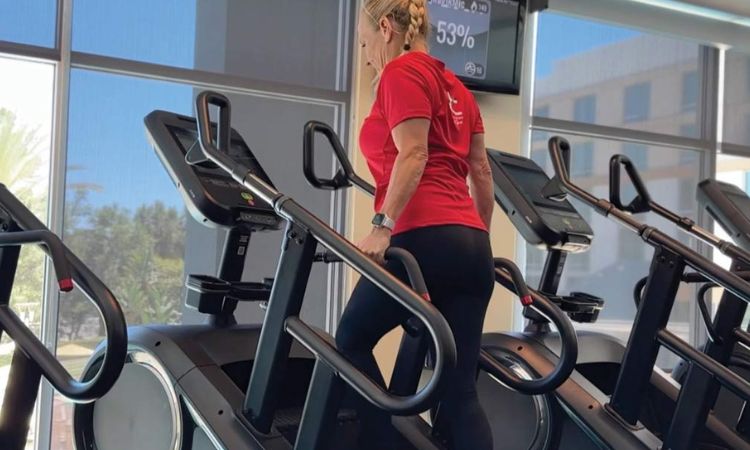
The StairMaster is one of the most iconic and effective pieces of exercise equipment you’ll find in gyms across the world. First introduced in the 1980s, it has been a favorite among fitness enthusiasts, athletes, and beginners alike for its ability to simulate stair climbing in a controlled, indoor environment.
With its continuous, stepping motion, the StairMaster provides an intense cardiovascular workout that primarily targets the lower body muscles, such as the glutes, quadriceps, hamstrings, and calves. It also offers the opportunity to build endurance, improve balance, and burn calories quickly.
The rise in popularity of the StairMaster can be attributed to its versatility and efficiency in delivering a challenging workout without the need for complicated setups.
It’s highly adjustable, allowing users to control the intensity and speed of their workout, making it suitable for everyone from beginners to advanced athletes. Moreover, it offers a low-impact workout, which is appealing for individuals who are looking to avoid the jarring effects of high-impact exercises like running.
However, despite its many benefits, the StairMaster isn’t without its drawbacks. Some users experience issues such as joint discomfort over time, or boredom from the repetitive motion. Additionally, it may not be suitable for everyone, especially those with certain medical conditions or individuals focused on upper-body strength development.
In this article, we will provide an in-depth exploration of the 10 pros and 10 cons of using the StairMaster, covering everything from its efficiency as a cardio machine to potential concerns like joint stress and monotony. Whether you’re considering adding the StairMaster to your workout regimen or you’re simply curious about its benefits and limitations, this guide will help you make an informed decision.
Pros Of Using The StairMaster
1. Excellent Cardiovascular Workout
The StairMaster provides an intense cardiovascular workout that strengthens your heart and lungs. Climbing stairs is a natural way to get your heart rate up, and the StairMaster simulates this action effectively, making it one of the most efficient machines for improving cardiovascular fitness. Regular use of the StairMaster can help lower your resting heart rate, improve your lung capacity, and enhance circulation, which are critical for overall heart health. Additionally, by keeping your heart rate elevated, the StairMaster promotes fat loss and helps reduce the risk of cardiovascular diseases, including heart attacks and stroke.
2. Low-Impact On Joints
One of the most appealing aspects of the StairMaster is that it offers a low-impact workout. The machine’s stepping motion is smoother on the joints compared to high-impact exercises like running, which can put significant stress on the knees, hips, and ankles. The StairMaster is an excellent choice for those with joint issues, arthritis, or recovering from injuries, as it allows them to maintain fitness without the harsh impact that can aggravate joint problems. While the workout is intense, it’s gentler on your body, reducing the risk of wear and tear on the joints.
3. Tones Lower Body Muscles
The StairMaster is renowned for its ability to tone and strengthen the lower body. Every step you take on the machine works to engage your quadriceps, hamstrings, glutes, and calves. As you increase the resistance or speed, you push these muscles to work even harder, leading to more defined legs and a sculpted backside. For those looking to focus on their lower body strength and appearance, the StairMaster is an ideal piece of equipment. Consistent use can help increase muscle endurance and give you the toned look that many strive for in their fitness journey.
4. Burns Calories Efficiently
When it comes to calorie-burning potential, the StairMaster stands out. Climbing stairs is one of the most effective ways to burn calories, and using a StairMaster helps you achieve this efficiently. The combination of cardiovascular exercise and muscle engagement makes this machine a dual threat for burning fat and building muscle. Depending on the intensity of your workout, you can burn anywhere from 300 to 600 calories in just 30 minutes, making it an excellent option for those looking to lose weight or increase their calorie deficit. Moreover, the afterburn effect (EPOC) can help you burn calories even after your workout has ended.
5. Builds Core Stability
Using the StairMaster requires balance and stability, which naturally engages the core muscles. To maintain your posture while stepping, you need to activate your abs, obliques, and lower back muscles. This helps improve your overall core strength, which is essential for good posture, preventing back pain, and supporting other physical activities. Unlike some cardio machines that only focus on the lower body, the StairMaster provides an added benefit by engaging the core throughout the workout, leading to a stronger midsection over time.
6. Adjustable Intensity For All Fitness Levels
Whether you’re new to exercise or a seasoned athlete, the StairMaster offers customizable intensity levels that can be tailored to suit your fitness needs. Most machines allow you to adjust the speed, resistance, and step height, making it easy to increase or decrease the difficulty based on your fitness goals. Beginners can start with slower, less intense settings, while more advanced users can challenge themselves with faster speeds and higher resistance. This adaptability makes the StairMaster a versatile machine for people at all stages of their fitness journey.
7. Time-Efficient Workout
For individuals who lead busy lives, finding time to exercise can be challenging. The StairMaster offers a time-efficient solution, allowing users to burn a significant number of calories and engage their muscles in a short period. Because of its intensity, even a 20- to 30-minute workout on the StairMaster can be enough to deliver noticeable results in terms of endurance, strength, and calorie burn. If you’re short on time but still want an effective workout, the StairMaster can provide high-impact results without requiring hours in the gym.
8. Improves Balance And Coordination
Using the StairMaster not only strengthens your muscles but also enhances your balance and coordination. As you climb, you must focus on maintaining a steady pace and balanced posture, which helps improve proprioception (your body’s ability to sense its position and movement). Over time, this leads to better coordination and balance, which can reduce the risk of falls and improve performance in sports and other physical activities. These benefits are particularly valuable for older adults who want to maintain their mobility and stability.
9. Convenient Indoor Exercise
Weather can often be a barrier to outdoor exercise, but the StairMaster provides a convenient indoor alternative. Whether it’s raining, snowing, or too hot outside, you can still get a full workout on the StairMaster without worrying about the elements. Additionally, for those who may not have access to a long set of stairs, the StairMaster provides all the benefits of stair climbing in a controlled, indoor environment. This convenience makes it easier to stick to your workout routine, regardless of external factors.
10. Suitable For Multi-Tasking
One of the great things about the StairMaster is that it allows you to multi-task while working out. Because the movement is consistent and rhythmic, you can read, watch TV, or listen to music or podcasts during your workout without interrupting your pace. This makes it easier to stay entertained and focused during longer sessions, helping to combat the boredom that some people experience with other forms of cardio. For those who enjoy staying mentally engaged while exercising, the StairMaster is an excellent option.
Cons Of Using The StairMaster
1. Can Be Tough On Knees Over Time
While the StairMaster is generally considered low-impact, repeated use can still cause strain on the knees, especially if you have pre-existing knee issues or improper form. The continuous stepping motion places pressure on the knee joints, and over time, this can lead to discomfort or exacerbate conditions like patellar tendinitis or arthritis. It’s essential to maintain proper form and listen to your body to avoid overworking the knees. For those with chronic knee pain, it may be necessary to consult a physician before incorporating the StairMaster into a regular routine.
2. Limited Upper Body Engagement
One of the StairMaster’s main drawbacks is its limited ability to work the upper body. While it’s excellent for toning the lower body and engaging the core, it does little for the arms, chest, and shoulders. This means that if your fitness goals include upper-body development, you’ll need to supplement your StairMaster sessions with other exercises, such as weight training or resistance bands, to ensure balanced muscle development throughout your body.
3. Potential For Poor Posture
Many users inadvertently adopt poor posture while using the StairMaster, especially when they get tired. It’s common to see people leaning heavily on the handrails for support, which reduces the effectiveness of the workout and places strain on the shoulders and back. Poor posture can also limit the engagement of the core and lower body muscles, leading to a less efficient workout. To get the most out of the StairMaster, it’s important to stand tall, engage your core, and avoid leaning on the handrails.
4. Risk Of Overuse Injuries
Using the StairMaster frequently without varying your routine can lead to overuse injuries, particularly in the lower body. Repetitive motion, combined with the intensity of the workout, can cause muscle strains, shin splints, or tendonitis if not managed properly. To prevent overuse injuries, it’s crucial to incorporate rest days into your routine and mix up your workouts with different forms of cardio or strength training. Cross-training can help ensure that you don’t overwork the same muscle groups.
5. Can Become Monotonous
The repetitive motion of climbing stairs can become monotonous over time, leading to boredom for some users. Unlike treadmills or ellipticals that offer a wider range of motion or programs to vary the workout, the StairMaster primarily focuses on the same movement, which may not provide enough variety for individuals who enjoy constantly changing their routines. For those who thrive on variety, the StairMaster might need to be supplemented with other forms of exercise to keep things interesting.
6. Not Suitable For People With Certain Medical Conditions
The intensity of a StairMaster workout may not be suitable for individuals with certain medical conditions, such as cardiovascular disease, respiratory issues, or severe joint problems. The machine places a significant load on the cardiovascular system, and individuals with heart conditions should consult their doctor before starting a StairMaster regimen. Similarly, those with arthritis or other joint issues should be cautious, as the stepping motion could aggravate their symptoms.
7. Space And Cost Considerations
Purchasing a StairMaster for home use can be both space-consuming and expensive. High-quality models tend to be large and require ample space for safe usage, which may not be feasible for those with limited home gym space. Additionally, StairMasters are typically more expensive than other cardio equipment like stationary bikes or treadmills, making them a considerable investment. For individuals looking for budget-friendly or compact fitness equipment, the StairMaster may not be the best option.
8. Limited Workout Variability
The StairMaster offers fewer options for workout variability compared to other machines like ellipticals or treadmills, which can simulate different terrains or offer pre-programmed workouts. While you can adjust the speed and resistance on the StairMaster, the core movement remains the same, which may not provide enough variation for those looking for a dynamic workout. To keep things fresh, you may need to combine your StairMaster workouts with other activities that target different muscle groups or provide new challenges.
9. Requires Proper Technique For Effectiveness
Achieving optimal results on the StairMaster requires proper technique. Many users make the mistake of relying too much on the handrails or stepping too lightly, which reduces the workout’s effectiveness. To fully engage the muscles and get the best cardiovascular benefits, it’s important to focus on maintaining a steady, controlled pace and using proper posture. Without proper technique, you may not see the full benefits of the machine, and you could even risk injury.
10. Not Ideal For Upper-Body-Centric Fitness Goals
If your fitness goals are primarily focused on building upper-body strength, the StairMaster might not be the best option. While it’s great for toning the lower body and improving cardiovascular health, it doesn’t do much for the arms, chest, shoulders, or back. Those looking to enhance their upper body will need to supplement their StairMaster workouts with strength training exercises or other forms of cardio that engage the upper body, such as rowing or swimming.
Conclusion
The StairMaster is a powerful tool for improving cardiovascular health, toning the lower body, and burning calories efficiently. Its low-impact design makes it accessible for a wide range of users, from beginners to experienced athletes, while its ability to build endurance, core stability, and balance adds to its appeal. However, it’s not without its downsides. Concerns such as joint strain, limited upper-body engagement, and the potential for monotony may make it less suitable for everyone.
Before incorporating the StairMaster into your regular fitness routine, it’s important to weigh the pros and cons carefully. For individuals seeking a high-intensity, lower-body-focused workout with minimal impact on the joints, the StairMaster can be an excellent choice. However, if your goals include full-body conditioning or you’re prone to joint discomfort, you may want to complement your StairMaster sessions with other forms of exercise to ensure a balanced and effective workout regimen.