
The question of whether juveniles should be tried as adults is one of the most serious and emotionally charged debates in the justice system. It sits at the intersection of accountability, public safety, child development, punishment, rehabilitation, victims’ rights, and the long-term future of young offenders. When a minor commits a serious crime, society is often forced to confront two difficult truths at the same time: the harm caused may be severe, but the person responsible may still be legally, emotionally, and neurologically immature.
Juvenile courts were originally designed around the idea that children and teenagers are different from adults. Young people are still developing judgment, impulse control, emotional regulation, and long-term thinking. Because of this, juvenile justice systems often focus more on rehabilitation than punishment. The goal is not only to respond to wrongdoing, but also to guide the young person away from future crime before criminal behavior becomes permanent.
However, some juvenile crimes are extremely serious. Cases involving murder, rape, armed robbery, aggravated assault, carjacking, gang-related violence, or repeated violent offenses can create strong public pressure for adult-level punishment. Victims and communities may feel that the juvenile system is too limited to respond properly. In these situations, prosecutors or judges may move the juvenile into adult criminal court.
Trying juveniles as adults can result in harsher penalties, longer sentences, adult criminal records, and confinement in adult correctional systems. Supporters argue that this approach is necessary for serious crimes, repeat offenders, and public protection. Critics argue that it ignores adolescent development, increases future crime risk, exposes youth to dangerous prison environments, and may permanently damage a young person’s chance of rehabilitation.
There is no simple answer. Some juveniles commit acts that cause permanent harm and require serious consequences. At the same time, a justice system that treats every young offender like a fully mature adult may fail to recognize the capacity for growth and change. This article explores the issue in depth by explaining what it means for juveniles to be tried as adults, followed by 11 major pros and 11 major cons.
What Is Juveniles Being Tried as Adults?
Juveniles being tried as adults means that a person who is legally under the age of adulthood is prosecuted in adult criminal court instead of juvenile court. In most places, a juvenile is someone under 18, although the exact age and rules may vary by jurisdiction. When a juvenile case is transferred to adult court, the young person may face many of the same procedures, penalties, and consequences as an adult defendant.
In juvenile court, the focus is usually rehabilitation, supervision, counseling, education, family involvement, and correctional programs designed for youth. Hearings may be less formal, records may be sealed in some cases, and the court may have more flexibility in creating a treatment-based plan. Juvenile detention is usually limited by age and designed separately from adult incarceration.
Adult court is different. It is more punishment-oriented and formal. A juvenile tried as an adult may face adult sentencing laws, longer incarceration, public criminal records, adult probation, and long-term consequences affecting education, employment, housing, and civil rights. In serious cases, the youth may be sentenced to many years in prison, depending on the crime and local law.
There are several ways a juvenile may end up in adult court. In some cases, prosecutors request a transfer. In others, judges decide after a hearing. Some laws automatically send certain serious offenses to adult court based on the age of the juvenile and the nature of the crime. These rules differ widely, which is one reason the topic remains controversial.
The central question is whether the juvenile should be judged mainly as a child who made a serious mistake or as a criminal offender whose actions require adult consequences. The answer often depends on the severity of the offense, the juvenile’s age, criminal history, mental development, level of planning, role in the crime, victim impact, and potential for rehabilitation.
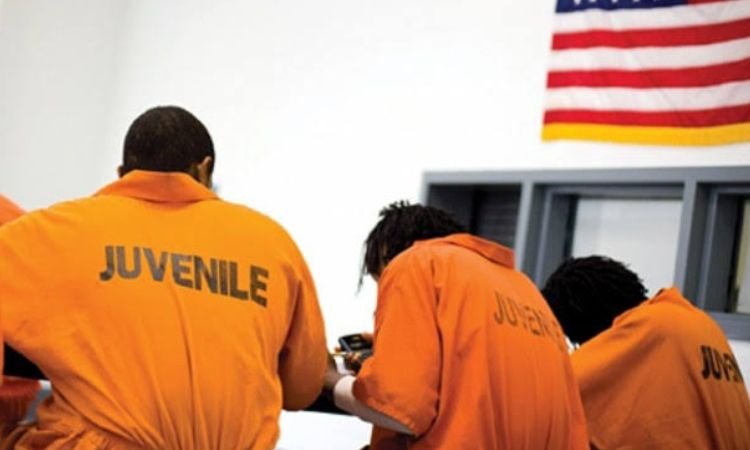
Pros of Juveniles Being Tried as Adults
1. It Provides Serious Accountability for Serious Crimes
One of the strongest arguments in favor of trying juveniles as adults is that some crimes are so serious that the juvenile system may not provide enough accountability. When a young person commits murder, rape, armed robbery, or another violent offense, the harm may be permanent and devastating. Victims and families may feel that a short juvenile sentence does not reflect the seriousness of the crime.
Adult court allows the justice system to impose penalties that match the gravity of the offense. This can include longer prison sentences, stricter supervision, and consequences that extend beyond the juvenile’s eighteenth birthday. For supporters, this is not about revenge; it is about recognizing the seriousness of the harm caused.
Accountability is especially important when the crime involved planning, cruelty, weapons, or repeated violent behavior. In those cases, the offender’s age may not fully reduce the seriousness of the act. Society may decide that the victim’s rights and public safety require a stronger response.
Trying juveniles as adults sends a message that extreme violence will not be excused simply because the offender is young. It reinforces the idea that actions have consequences and that some behavior crosses a line where ordinary juvenile penalties are not enough.
2. It Can Protect Public Safety
Public safety is a major reason juveniles are sometimes transferred to adult court. Some young offenders may pose a serious and ongoing risk to others. If the juvenile system can only supervise or detain them for a limited time, the community may remain vulnerable once that period ends.
Adult court gives judges more sentencing options for dangerous offenders. A longer sentence can prevent immediate reoffending and provide more time for structured correctional intervention. In cases involving serious violence or repeated offenses, this can be important for protecting victims, witnesses, schools, neighborhoods, and the broader community.
Supporters argue that age should not be the only factor. A 16- or 17-year-old who repeatedly commits violent crimes may be physically capable, socially influential, and dangerous. If the juvenile system has already failed to stop the behavior, adult prosecution may be seen as necessary.
Public safety does not mean every juvenile offender should be tried as an adult. It means the justice system needs the ability to respond firmly when the risk is high. For the most serious cases, adult court may provide tools that juvenile court cannot.
3. It May Deter Other Juveniles from Serious Crime
Another argument is deterrence. If young people know that serious crimes can lead to adult court and adult punishment, they may think twice before engaging in violent or high-risk behavior. The possibility of adult consequences may discourage some juveniles from carrying weapons, joining violent crimes, or participating in gang-related offenses.
Deterrence is based on the idea that consequences influence behavior. A teenager may not fear a short juvenile placement, but the possibility of adult prison could feel much more serious. This may be particularly relevant for older teenagers who understand the criminal justice system and are close to adulthood.
Trying juveniles as adults can also send a broader public message. It tells communities that youth violence will be treated seriously and that age alone will not shield someone from major consequences.
However, deterrence depends on whether young people actually believe they will be caught and punished. Many juveniles act impulsively, under peer pressure, or without thinking long-term. Still, supporters believe that adult prosecution can help establish a stronger boundary against serious crime.
4. It Recognizes the Rights and Suffering of Victims
Victims and their families often feel overlooked when discussions focus mainly on the offender’s age and rehabilitation. When a juvenile commits a serious crime, the victim’s pain is not reduced because the offender is young. Injuries, trauma, loss, fear, and grief can last a lifetime.
Trying juveniles as adults may give victims a greater sense that the system recognizes the severity of what happened. Adult court can provide more formal procedures, stronger sentencing options, and a public acknowledgment of the harm caused.
For families of murder victims or survivors of violent assault, juvenile court may feel too limited. If the offender could be released after a relatively short time, victims may feel unsafe or deeply disrespected. Adult prosecution can help address those concerns by allowing penalties that better reflect the long-term impact of the crime.
A justice system must consider rehabilitation, but it must also consider victims. Adult court may be viewed as a way to balance the scales when the damage is extreme.
5. It Allows Longer Sentences for Repeat Offenders
Some juveniles enter the justice system multiple times before committing a more serious offense. They may have received warnings, probation, counseling, detention, or rehabilitation services without meaningful improvement. In such cases, supporters argue that adult court may be necessary.
Juvenile court often has limited time to intervene. Once the youth reaches a certain age, juvenile jurisdiction may end. For a repeat violent offender who is already 16 or 17, the system may have only a short period left to supervise them. Adult court can extend accountability beyond that limit.
Longer sentences may be appropriate when a juvenile has repeatedly shown disregard for the law and the safety of others. If earlier interventions failed, adult prosecution may be seen as the next step.
This is not about giving up on rehabilitation entirely. Adult sentencing can still include programs, education, therapy, and structured supervision. But it also recognizes that repeated offending requires stronger consequences.
6. It Can Prevent Manipulation of the Juvenile System
Critics of lenient juvenile treatment sometimes argue that older teenagers may knowingly exploit the juvenile system. They may believe that because they are under 18, they will receive lighter punishment even for serious crimes. In group crimes, younger offenders may even be used by older criminals because they are expected to face reduced consequences.
Trying juveniles as adults can reduce this risk. It makes clear that serious crimes will not automatically receive minor penalties simply because the offender is legally a juvenile. This can discourage both juveniles and adults from using age as a shield.
This argument is especially common in gang-related cases, organized theft, drug trafficking, robbery crews, or violent group crimes. If young offenders are treated too lightly, criminal groups may continue involving minors in serious offenses.
Adult prosecution can close that loophole by allowing courts to respond based on the seriousness of the conduct, not just the offender’s age.
7. It Gives Courts More Sentencing Options
Adult court often provides a wider range of sentencing options for serious crimes. Juvenile courts may be limited in how long they can supervise, detain, or treat an offender. Adult courts can impose longer prison terms, extended probation, restitution orders, no-contact orders, and other penalties that may better fit serious cases.
This flexibility can be useful when the case falls outside what juvenile court was designed to handle. A minor offense may be best handled through juvenile rehabilitation, but a severe violent crime may require a broader sentencing framework.
Adult court can also allow structured plea agreements and long-term supervision plans. In some cases, a judge may still consider the youth’s age while imposing a serious sentence. The court may have options that combine punishment, treatment, and public protection.
Supporters argue that serious cases require serious tools. If the juvenile system’s maximum response is too limited, adult court may provide the legal authority needed to address the full harm.
8. It Promotes Equal Treatment for Similar Crimes
Some people believe that similar crimes should receive similar treatment regardless of age. If two people commit the same violent act together, but one is 18 and the other is 17, the difference in punishment may seem unfair. The victim experiences the same harm either way.
Trying juveniles as adults can promote a sense of equal accountability in serious cases. It prevents large differences in punishment based on a relatively small age gap. This is especially relevant for older teenagers who are close to adulthood.
Supporters argue that while age should be considered, it should not completely erase responsibility. A 17-year-old may understand that murder, rape, armed robbery, or serious assault is wrong. If the act is comparable to adult criminal behavior, adult court may be appropriate.
This approach can strengthen public confidence by showing that the justice system responds to the crime itself, not only the offender’s age.
9. It Can Address Crimes Committed with Adult-Level Planning
Not all juvenile crime is impulsive. Some serious offenses involve planning, concealment, weapons, coordination, stalking, threats, or repeated decision-making. When a young person demonstrates a high level of planning and awareness, supporters argue that adult court may be justified.
A carefully planned violent crime can suggest a level of intent beyond typical adolescent misjudgment. The offender may have had time to reconsider, avoid the act, or seek help. In such cases, treating the crime as a simple youthful mistake may feel inappropriate.
Adult prosecution allows the court to consider the sophistication of the crime. A juvenile who planned an attack, recruited others, hid evidence, or targeted a victim may be viewed differently from one who acted impulsively in a brief conflict.
This does not mean planning makes a juvenile fully mature. But it may show enough intent and understanding to support adult-level accountability.
10. It May Strengthen Community Trust After Severe Crimes
When a serious juvenile crime shocks a community, people often demand reassurance that the justice system is taking the matter seriously. If the case remains in juvenile court and receives a limited outcome, public trust may decline. People may feel the system is too soft or disconnected from community concerns.
Trying juveniles as adults can demonstrate that the justice system recognizes the severity of the crime. It may help restore confidence among residents, schools, business owners, and victims’ families.
Community trust matters because people are more likely to cooperate with law enforcement and courts when they believe the system is fair and protective. If residents feel dangerous behavior is ignored or minimized, they may lose faith in legal institutions.
Adult prosecution is not the only way to build trust, and it should never be used merely to satisfy public anger. But in severe cases, it can reassure communities that the system has the authority and willingness to act.
11. It Can Provide Closure in Cases Where Juvenile Penalties Feel Inadequate
For some victims and families, closure is impossible without a sentence that reflects the seriousness of the harm. If a loved one was killed or permanently injured, a short juvenile disposition may feel deeply inadequate. Adult court can provide a more complete legal process and a stronger final judgment.
Closure does not mean the pain disappears. It means the legal system has reached a conclusion that acknowledges the gravity of the crime. Adult court can provide a formal conviction, sentencing hearing, victim impact statements, and long-term consequences.
This can matter emotionally. Victims may feel that the system has recognized their suffering rather than focusing only on the offender’s future. In cases of extreme harm, that recognition can be an important part of justice.
Supporters argue that compassion for young offenders should not erase compassion for victims. Adult prosecution may be necessary when the crime has caused irreversible damage.
Cons of Juveniles Being Tried as Adults
1. Juveniles Are Not Fully Developed Like Adults
One of the strongest arguments against trying juveniles as adults is that teenagers are still developing. Their brains, judgment, impulse control, emotional regulation, and ability to evaluate long-term consequences are not the same as those of mature adults.
Young people are more likely to act impulsively, respond to peer pressure, underestimate danger, and make emotional decisions. This does not excuse serious wrongdoing, but it does affect the level of blameworthiness. A juvenile may understand that an act is wrong while still lacking adult-level maturity.
The juvenile justice system exists partly because children and teenagers are different. Treating them exactly like adults ignores these developmental realities. It assumes a level of judgment that many young offenders do not yet possess.
This is especially important when deciding punishment. A young person who makes a terrible decision at 15 may not be the same person at 25. The law must consider not only what happened, but also whether the offender has the capacity to change.
2. Adult Court Can Reduce the Chance of Rehabilitation
Juvenile court is designed to rehabilitate. Adult court is usually more focused on punishment. When juveniles are moved into adult court, they may lose access to age-appropriate services, counseling, education, family-based programs, and development-focused interventions.
This can reduce their chance of turning their life around. A young offender may need therapy, mentoring, substance abuse treatment, special education support, family intervention, or trauma counseling. Adult court may not provide these services with the same intensity or youth-centered approach.
Rehabilitation is especially important because young people are still forming their identity. A teenager who receives proper guidance may leave crime behind entirely. But if the system labels them as an adult criminal, they may internalize that identity and continue down a harmful path.
Trying juveniles as adults can turn a temporary period of bad behavior into a lifelong criminal trajectory. Critics argue that this defeats one of the main goals of justice: preventing future harm.
3. Adult Prisons Can Be Dangerous for Juveniles
Juveniles placed in adult correctional environments may face serious risks. Adult jails and prisons are often harsher, more violent, and less suited to young people’s needs. Juveniles may be vulnerable to physical assault, intimidation, exploitation, and emotional trauma.
Even when facilities try to separate younger inmates, isolation can create another problem. A juvenile kept apart for safety may experience loneliness, depression, anxiety, or lack of access to programming. Either way, the environment can be damaging.
Exposure to adult prisoners may also increase criminal learning. A young person may develop connections with more experienced offenders or adopt prison survival behaviors that make rehabilitation harder.
The purpose of sentencing should not be to expose youth to unnecessary harm. If adult incarceration makes a young person more traumatized, angry, or criminally connected, it may increase rather than reduce future danger.
4. Adult Convictions Can Damage a Juvenile’s Future Permanently
An adult criminal conviction can follow a young person for life. It can affect employment, housing, college admission, scholarships, professional licenses, military service, immigration status, and public reputation. Even after serving a sentence, the record can become a barrier to rebuilding.
Juvenile records are often treated with more privacy and flexibility. Adult records are more likely to be public and harder to escape. This can make one mistake, even a serious one, define the rest of a young person’s life.
The long-term consequences can be especially harmful because juveniles still have many years ahead of them. A 16-year-old with an adult felony conviction may struggle for decades to find stable work or housing. Without opportunity, the risk of returning to crime may increase.
Critics argue that punishment should not destroy the possibility of becoming a productive adult. Accountability is necessary, but permanent exclusion from society can be counterproductive.
5. Trying Juveniles as Adults May Increase Recidivism
One of the biggest concerns is that adult prosecution may make juveniles more likely to reoffend. Adult court and adult incarceration can expose youth to hardened criminal environments, weaken family ties, interrupt education, and create barriers to employment. These factors can increase future crime risk.
A juvenile who goes through adult prison may return to the community with trauma, anger, fewer opportunities, and stronger criminal associations. Instead of correcting behavior, the experience may deepen it.
Juvenile-focused interventions are generally designed to address the causes of youth offending. They may include therapy, education, family services, mentoring, and structured supervision. Adult systems may be less equipped to provide these supports.
If the goal is public safety, the system must consider long-term outcomes, not only immediate punishment. A sentence that feels tough today may create a more dangerous adult later if it fails to rehabilitate the young person.
6. It Can Disproportionately Affect Disadvantaged Youth
Trying juveniles as adults can worsen existing inequalities. Youth from poor communities, unstable homes, underfunded schools, or heavily policed neighborhoods may be more likely to enter the justice system and less able to access strong legal defense, mental health care, or diversion programs.
Disadvantaged youth may also have backgrounds involving trauma, neglect, abuse, poverty, or exposure to violence. These factors do not excuse crime, but they are relevant to understanding behavior and rehabilitation needs.
When such youth are tried as adults, the system may punish the symptoms of deeper social problems without addressing the causes. Wealthier juveniles may have access to private attorneys, treatment experts, supportive families, and alternative placements, while poorer juveniles may face harsher outcomes.
This raises serious fairness concerns. A justice system should not produce dramatically different results based on family income, neighborhood, race, or access to resources. Adult prosecution can magnify those differences.
7. It Can Undermine the Purpose of the Juvenile Justice System
The juvenile justice system was created because young people are different from adults and deserve a different approach. Its purpose is to rehabilitate, guide, educate, and correct. When juveniles are frequently transferred to adult court, it can weaken the entire philosophy of juvenile justice.
If serious cases are removed from juvenile court too easily, the system may become less meaningful. Instead of improving youth programs, society may simply send difficult cases to adult court. This can reduce investment in better juvenile rehabilitation, mental health services, and community prevention.
Critics argue that the answer to serious juvenile crime should be a stronger juvenile system, not automatic adult punishment. Juvenile courts can be made more accountable, secure, and victim-centered without abandoning their rehabilitative purpose.
Trying youth as adults may provide a short-term answer, but it can weaken the long-term commitment to helping young offenders change before adulthood.
8. Adult Sentences May Be Disproportionate for Youth
Adult sentencing laws are designed for adults. When applied to juveniles, they can produce punishments that are too severe for a young person’s level of maturity and life stage. A sentence that may be appropriate for a 35-year-old repeat offender may be excessive for a 15-year-old with a developing brain and limited life experience.
Long sentences can remove a juvenile from society during the most important developmental years. Education, emotional growth, job skills, family development, and identity formation may all be disrupted. The young person may leave prison as an adult with little experience of normal adult life.
Disproportionate punishment can also reduce hope. If a juvenile believes their life is already ruined, they may have less motivation to change. A justice system should create accountability while still leaving room for growth.
This does not mean serious crimes should receive light punishment. It means sentencing should reflect both the harm caused and the offender’s youth.
9. It Can Place Too Much Power in Prosecutorial Decisions
In some systems, prosecutors have significant influence over whether a juvenile is tried as an adult. This can create concerns because prosecutors are part of the adversarial process, not neutral decision-makers. Their choices may be influenced by public pressure, office policy, media attention, plea negotiations, or political concerns.
When the decision to transfer a juvenile to adult court is not carefully reviewed, it may lead to inconsistent or overly harsh outcomes. One prosecutor may pursue adult charges aggressively, while another may keep similar cases in juvenile court.
This can create uncertainty and unfairness. The future of a young person may depend heavily on local charging practices rather than a balanced evaluation of maturity, risk, and rehabilitation potential.
A decision this serious should involve careful judicial review, full evidence, expert input, and consideration of both public safety and youth development. Without safeguards, adult prosecution can become too dependent on strategy rather than justice.
10. It Can Harm Families and Communities
When a juvenile is tried as an adult and sentenced to prison, the impact extends beyond the young person. Families may lose a child, sibling, or caregiver to the prison system for years. Parents may suffer emotional distress, financial hardship, shame, and grief. Younger siblings may be affected by the absence and stigma.
Communities also lose young people who might have been rehabilitated. Instead of receiving education, job training, counseling, and support, the juvenile may spend formative years in confinement. This can contribute to cycles of incarceration, poverty, and social instability.
In communities already affected by crime and disadvantage, adult prosecution may deepen mistrust of the justice system. Residents may want safety, but they may also see young people being removed rather than helped.
A healthy justice system should consider community repair, not only punishment. Removing youth for long periods may sometimes be necessary, but it should not be treated as the only solution.
11. It May Ignore the Juvenile’s Capacity for Change
Perhaps the most important argument against trying juveniles as adults is that young people have a strong capacity for change. Many teenagers who commit crimes do not continue offending into adulthood, especially if they receive proper intervention, structure, education, and support.
A juvenile’s personality and decision-making are still forming. Bad judgment at 15 does not always predict character at 30. Treating a young person as permanently dangerous may ignore the reality that adolescence is a period of growth.
Adult court can freeze a juvenile’s identity around the worst thing they have ever done. It may define them as an adult criminal before they have had a fair chance to become something else.
This does not erase the harm caused to victims. Serious crimes require serious accountability. But accountability should not always mean giving up on the possibility of rehabilitation. A justice system that recognizes youth development can punish wrongdoing while still leaving space for transformation.
Conclusion
The debate over juveniles being tried as adults is difficult because both sides raise serious concerns. Supporters argue that adult court is necessary for extreme crimes, repeat offenders, public safety, victims’ rights, and meaningful accountability. They believe that some offenses are too serious for the limited tools of juvenile court and that communities deserve strong protection from dangerous behavior.
Critics argue that juveniles are not fully developed, have a greater capacity for rehabilitation, and may be harmed by adult court and adult incarceration. They warn that adult convictions can permanently damage a young person’s future, increase recidivism, worsen inequality, and undermine the purpose of juvenile justice.
The strongest position is not that juveniles should always or never be tried as adults. The better approach is careful case-by-case judgment. Age, maturity, offense severity, criminal history, victim impact, mental health, family background, risk level, and rehabilitation potential should all matter. A 12-year-old first-time offender and a 17-year-old repeat violent offender should not automatically be treated the same.
Justice must protect victims and communities, but it should also recognize that children and teenagers are still developing. Serious crimes deserve serious consequences, yet those consequences should be fair, proportionate, and guided by evidence about youth behavior and rehabilitation.
Trying juveniles as adults may be appropriate in rare and severe cases, but it should never become a routine shortcut. A society is judged not only by how it punishes harm, but also by how wisely it handles young people who still have the potential to change. The challenge is to create a system that holds juveniles accountable without unnecessarily destroying their future.