
Fine line tattoos have become one of the most popular tattoo styles in recent years. Their clean appearance, delicate details, and minimal look make them attractive to people who want body art that feels subtle, elegant, and personal. Unlike traditional bold tattoos that use thick outlines and heavy shading, fine line tattoos are created with thin lines, soft details, and often a lighter visual style. They can include small symbols, floral designs, script, portraits, geometric shapes, animals, spiritual symbols, or meaningful minimalist artwork.
Many people choose fine line tattoos because they look refined and modern. They can be placed almost anywhere on the body and can be easy to hide when needed. This makes them especially appealing to first-time tattoo clients, professionals, and people who want meaningful art without a large or dramatic design.
However, fine line tattoos also come with important drawbacks. Because the lines are thin and delicate, they may fade faster, blur over time, or lose detail if they are not done by an experienced artist. Placement, skin type, aftercare, sun exposure, and the skill of the tattoo artist all affect how well the tattoo heals and ages.
This article explains the 10 major pros and 10 major cons of fine line tattoos in detail. It will help readers understand whether this tattoo style is right for them before making a permanent decision.
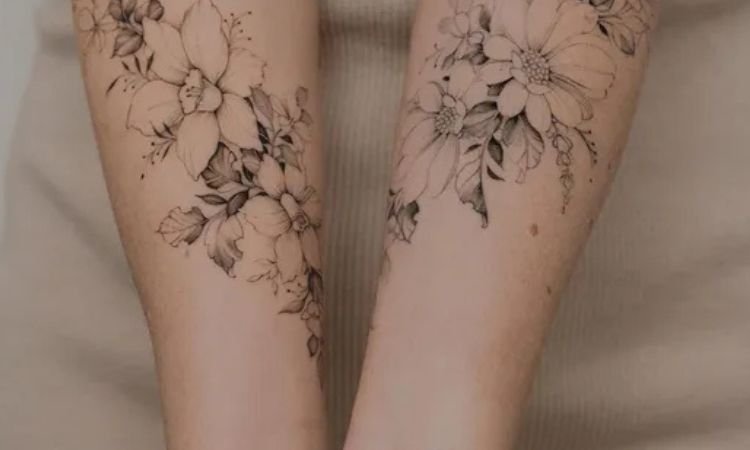
10 Pros of Fine Line Tattoos
1. Fine Line Tattoos Look Elegant and Minimal
One of the biggest advantages of fine line tattoos is their elegant appearance. They are usually soft, clean, and simple, which gives them a refined look compared to heavier tattoo styles. People who do not want a bold or aggressive tattoo often prefer fine line work because it feels more subtle and stylish.
Fine line tattoos are especially popular for small meaningful designs. A tiny heart, flower, name, date, quote, star, moon, or symbol can look beautiful when created with delicate lines. The style works well for people who want their tattoo to feel personal rather than loud.
Another reason this style feels elegant is that it does not usually rely on thick outlines or heavy shading. The design can blend naturally with the skin and look almost like a delicate drawing. This makes it suitable for wrists, fingers, collarbones, ribs, ankles, neck areas, and behind the ear.
For people who want body art that feels graceful, modern, and understated, fine line tattoos are an excellent choice. They allow someone to express meaning without needing a large or visually heavy tattoo.
2. They Are Great for First-Time Tattoo Clients
Fine line tattoos are often a good option for people getting their first tattoo. Many first-time clients feel nervous about pain, size, visibility, and long-term commitment. A fine line tattoo can feel less intimidating because it is usually smaller, lighter, and less dramatic than traditional tattoo styles.
Since many fine line designs are simple and minimal, the appointment may also be shorter compared to large shaded pieces. This can make the first tattoo experience feel easier to manage. A small design on the wrist, ankle, arm, or collarbone may help someone become comfortable with the tattoo process before choosing larger work in the future.
Fine line tattoos also feel emotionally safer for some people because they are not too bold. A person can choose something meaningful but still keep it discreet. This is helpful for people who worry about workplace rules, family opinions, or changing personal style.
However, first-time clients should still take the decision seriously. Small does not mean unimportant, and fine line tattoos are still permanent. Choosing the right artist and design matters. But for beginners, this style offers a gentle and approachable introduction to tattooing.
3. They Can Be Easy to Hide
Another major benefit of fine line tattoos is that they are often easy to hide. Because the designs are usually smaller and less visually bold, they can be placed in discreet areas of the body. This is useful for people who want a tattoo but do not want it visible all the time.
Common hidden placements include the ribs, inner arm, ankle, back of the neck, shoulder, hip, upper thigh, behind the ear, or collarbone area. These placements allow someone to show the tattoo when they want and cover it when necessary.
This is especially helpful for people who work in professional environments where visible tattoos may still be judged. Although tattoo acceptance has grown, some workplaces remain conservative. A fine line tattoo gives people more control over when their body art is seen.
The subtle look also makes fine line tattoos less distracting. Even when visible, they may not attract as much attention as larger, darker tattoos. For people who want personal art without constant public comments, this can be a strong advantage.
Fine line tattoos offer a balance between self-expression and privacy.
4. They Work Well for Meaningful Designs
Fine line tattoos are excellent for meaningful and symbolic designs. Because the style is delicate, it can make personal symbols feel intimate and emotional. Many people choose fine line tattoos to represent loved ones, personal growth, faith, healing, memories, family, travel, grief, or important life events.
Small words, names, initials, dates, coordinates, birth flowers, zodiac signs, angel numbers, butterflies, birds, and spiritual symbols are common choices. These designs do not need to be large to carry deep meaning. In fact, the simplicity can make them feel even more personal.
Fine line work also suits sentimental tattoos because it looks gentle rather than harsh. A small flower for a grandmother, a line drawing of a pet, or a tiny symbol of strength can look tasteful and emotionally powerful.
This style is also popular for matching tattoos between friends, siblings, couples, or family members. A simple fine line design can connect people without being overly dramatic.
For anyone who wants a tattoo that tells a quiet story, fine line tattoos can be a beautiful option. They allow meaning to stand out without needing a complicated design.
5. They Offer Many Design Possibilities
Fine line tattoos may look simple, but they offer a wide range of design possibilities. This style can be used for script, flowers, animals, faces, abstract art, geometric shapes, religious symbols, stars, moons, nature designs, small objects, and delicate ornamental patterns.
The versatility makes fine line tattoos appealing to many different personalities. Someone who likes minimalism may choose a tiny symbol. Someone who loves nature may choose a thin-line flower or mountain design. Someone who wants something artistic may choose a single-line portrait or abstract figure.
Fine line tattoos also work well with modern tattoo trends. Designs such as micro-realism, minimalist line art, delicate script, small botanical tattoos, and ornamental details often depend on fine lines. This gives the style a fresh and fashionable appeal.
Another advantage is that fine line tattoos can be customized easily. A skilled artist can adjust the design to match the client’s body shape, placement, and personal meaning. Even a small tattoo can feel unique when the details are carefully planned.
This flexibility makes fine line tattoos suitable for many tastes, from simple and clean to detailed and artistic.
6. They Usually Require Less Space
Fine line tattoos can fit into small areas of the body because they use thin lines and minimal shading. This makes them ideal for people who want a tattoo but do not want to dedicate a large area of skin to one design.
Small placements like the wrist, finger, ankle, behind the ear, inner arm, rib, or collarbone work especially well with fine line tattoos. These areas may not be suitable for large, bold designs, but they can look beautiful with delicate artwork.
This smaller size can also be helpful for people who want multiple tattoos over time. Instead of one large piece taking up an entire area, someone can collect several small fine line tattoos that each have their own meaning.
Fine line tattoos also allow more placement creativity. A tiny design can follow the curve of a wrist, sit neatly along the collarbone, or fit between other tattoos. The style can feel integrated with the body rather than overwhelming it.
For people who prefer subtle body art or want to preserve space for future tattoos, fine line designs are practical and attractive.
7. They Can Look More Professional and Subtle
Fine line tattoos often have a softer appearance that can feel more professional in certain settings. While tattoo acceptance has increased, some people still prefer body art that does not draw too much attention. Fine line tattoos can provide self-expression without looking too bold in formal environments.
This makes them popular among professionals, students, healthcare workers, office employees, and people who interact with clients. A small fine line tattoo on the wrist, ankle, or upper arm may be easier to cover and less likely to affect professional appearance.
The subtle look also allows the tattoo to match different clothing styles. Whether someone dresses casually, formally, or elegantly, a delicate tattoo can blend in naturally. It does not dominate the overall appearance.
For people who want a tattoo but worry about regret, visibility, or social judgment, this subtle quality can feel reassuring. It gives them a way to enjoy body art without making it the first thing people notice.
Fine line tattoos prove that tattoos do not always have to be large or bold to be beautiful. Sometimes, simplicity creates the strongest impression.
8. They May Involve Less Tattooing Time
Many fine line tattoos take less time to complete than large traditional tattoos, especially if the design is small and simple. A tiny symbol, short word, small flower, or minimalist line drawing may be finished in a shorter session.
This can be helpful for people with busy schedules or low pain tolerance. A shorter session may feel easier physically and mentally. It can also make the tattoo process less overwhelming for beginners.
However, this does not mean fine line tattoos are always quick. Detailed micro-realism or complex thin-line designs can still take significant time because they require precision. The artist must work slowly and carefully to keep the lines clean.
Still, compared to heavily shaded or large colorful tattoos, many fine line designs require less needle time. This may also reduce swelling and skin trauma, depending on the design and placement.
For clients who want something meaningful but do not want to sit for several hours, a small fine line tattoo can be a practical choice. It provides a finished piece of body art without requiring a major time commitment.
9. They Can Be Easier to Add to Later
Fine line tattoos can often be expanded or added to later if the client wants a larger design in the future. Because they are usually minimal and clean, they may leave enough space around them for additional elements.
For example, a small flower can later become part of a larger botanical design. A tiny moon can be expanded into a celestial piece with stars and clouds. A simple line drawing can be connected to other symbolic elements over time.
This makes fine line tattoos attractive for people who are unsure whether they want a larger tattoo later. They can start small and gradually build a collection. This slow approach can feel more comfortable than committing to a large design immediately.
Fine line tattoos also blend well with other delicate styles. A person can create a themed tattoo collection using small symbols, quotes, flowers, animals, or abstract designs.
Of course, expansion depends on placement, spacing, and original design quality. A tattoo artist should help plan future possibilities. But when done thoughtfully, fine line tattoos can become the first step in a larger personal tattoo journey.
10. They Are Stylish and Timeless When Done Well
Fine line tattoos are trendy, but they can also feel timeless when designed carefully. Simple lines, meaningful symbols, delicate flowers, and clean script have lasting appeal because they are not overly dependent on loud trends or complicated styles.
A well-designed fine line tattoo can age emotionally with the person. Since many of these tattoos are based on personal meaning rather than fashion alone, they may remain special for years. A small memorial tattoo, birth flower, family initial, or personal symbol can stay relevant even as style preferences change.
The timeless quality comes from restraint. Fine line tattoos often avoid visual clutter. They focus on shape, meaning, and placement. This gives them a clean beauty that can remain attractive over time.
However, timelessness depends on design choice and execution. A rushed trend tattoo may feel outdated later, but a thoughtful fine line piece can remain elegant.
For people who want body art that feels modern but not overwhelming, fine line tattoos offer a beautiful balance. When done by a skilled artist and cared for properly, they can remain stylish, meaningful, and personal.
10 Cons of Fine Line Tattoos
1. They Can Fade Faster Than Bold Tattoos
One of the biggest disadvantages of fine line tattoos is that they may fade faster than bold tattoos. Because the lines are thin and often use less ink, they may not hold as strongly in the skin over time. This is especially true if the tattoo is very small, very light, or placed in an area that gets a lot of friction or sun exposure.
Bold traditional tattoos usually have thicker outlines and more saturated ink, which can help them remain visible for many years. Fine line tattoos are more delicate, so fading can be more noticeable. A design that looks crisp when fresh may become softer, lighter, or less defined as the years pass.
Factors such as skin type, aftercare, artist skill, placement, sun exposure, and lifestyle all affect fading. Tattoos on fingers, hands, feet, and wrists may fade faster because those areas move often and experience more friction.
This does not mean fine line tattoos always age badly. Many heal beautifully when done properly. But buyers should understand that delicate tattoos may require touch-ups later. If someone wants a tattoo that stays bold for decades with minimal maintenance, fine line may not be the strongest option.
2. They Require a Highly Skilled Artist
Fine line tattoos may look simple, but they are technically demanding. Thin lines leave very little room for mistakes. If the artist’s hand is shaky, the needle depth is wrong, or the design is not placed carefully, imperfections can become obvious.
A bold tattoo can sometimes hide small inconsistencies through shading or thicker outlines. Fine line work cannot. Every curve, dot, and line needs precision. This is why choosing the right artist is extremely important.
Not every tattoo artist specializes in fine line work. Some artists may be excellent at traditional, realism, or color tattoos but less experienced with delicate thin-line designs. Clients should look at healed work, not just fresh photos. Fresh fine line tattoos often look beautiful, but healed results show the artist’s true skill.
A poor fine line tattoo may heal patchy, uneven, blown out, or faded. Fixing it can be difficult because there is limited space to correct tiny details.
For this reason, fine line tattoos should not be chosen based only on the cheapest price or closest studio. Skill matters more than convenience.
3. Details May Blur Over Time
Fine line tattoos with tiny details can blur as the skin ages. Tattoo ink naturally spreads slightly under the skin over time. With larger designs, this spreading may not ruin the tattoo. But with very small or detailed fine line tattoos, even slight spreading can make the design less clear.
This is especially important for micro tattoos, tiny script, small faces, miniature animals, and detailed floral designs. A tattoo that looks sharp on the first day may become harder to read years later if the details are too close together.
Skin is not paper. It moves, stretches, heals, sheds, and changes over time. Fine details need enough spacing to survive this natural process. A good tattoo artist will often recommend simplifying a design or making it slightly larger so it ages better.
Some clients resist this advice because they want the smallest possible tattoo. However, going too small can create long-term problems. Tiny letters may merge. Small lines may soften. Detailed features may disappear.
Fine line tattoos can age well, but only when the design is planned with the future in mind, not just how it looks fresh.
4. They May Need More Touch-Ups
Fine line tattoos often need touch-ups more than heavier tattoo styles. Because the lines are thin and delicate, some areas may heal lighter or unevenly. This can happen even when the tattoo is done by a good artist.
Touch-ups may be needed if parts of the line fade, break, or heal patchy. This is common in areas where the skin is thin, sensitive, or exposed to movement. Fingers, hands, feet, wrists, ribs, and ankles are especially prone to fading or uneven healing.
Some tattoo artists include one touch-up in the original price, while others charge separately. Clients should ask about this before booking. A tattoo that seems affordable at first may cost more if multiple touch-ups are needed.
Touch-ups also require time and healing. The client must return to the studio, go through the tattooing process again, and follow aftercare again.
This does not mean fine line tattoos are a bad choice. It simply means they may require more maintenance. People who want a low-maintenance tattoo should consider whether they are willing to care for and refresh the design over time.
5. Placement Matters More
Placement is extremely important for fine line tattoos. Some body areas hold fine lines better than others. If the tattoo is placed somewhere with constant movement, friction, sweat, sun exposure, or thin skin, it may fade or blur faster.
Areas like fingers, palms, sides of hands, feet, elbows, knees, and inner lips are difficult for fine line work because the skin regenerates quickly or experiences frequent rubbing. Tattoos in these areas may not last as clearly as tattoos on the upper arm, forearm, shoulder, thigh, or back.
The shape of the body also matters. A fine line tattoo should flow with the natural curves and movement of the placement area. If it is placed poorly, it may look distorted when the body moves.
A skilled artist will help choose the best placement for long-term results. Sometimes the client’s preferred location is not ideal, and the artist may suggest an alternative.
Ignoring placement advice can lead to disappointment. A beautiful design may not stay beautiful if placed in the wrong area. With fine line tattoos, where the ink is already delicate, placement can make or break the final result.
6. They Are Not Ideal for Every Skin Type
Fine line tattoos may not behave the same on every skin type. Skin texture, oiliness, dryness, thickness, elasticity, scarring, sun damage, and natural healing response can all affect how the tattoo looks after healing.
Some people’s skin holds fine lines very well. Others may experience more spreading, fading, or patchiness. People with textured skin, very oily skin, or skin prone to keloids or scarring should discuss risks with a professional tattoo artist before getting a fine line tattoo.
Skin tone can also affect visibility. Very light fine line work may not show strongly on deeper skin tones if the design is too delicate or the contrast is too low. This does not mean fine line tattoos cannot look beautiful on all skin tones, but the design and ink approach may need to be adjusted.
A responsible artist will consider the client’s skin before tattooing. They may recommend slightly thicker lines, better spacing, or a different design size for better healing.
Fine line tattoos are not one-size-fits-all. The best results come when the artist adapts the design to the person’s skin, not just the image they found online.
7. They Can Be Less Visible From a Distance
Fine line tattoos are subtle, which can be a benefit, but it can also be a drawback. Because the lines are thin and often small, they may not be very visible from a distance. People who want their tattoo to stand out may feel disappointed.
A fine line tattoo may look beautiful up close but almost disappear from across a room. This is especially true for tiny designs, light ink, or placements that are not naturally visible. If the tattoo carries important meaning and the client wants others to notice it, fine line may not provide enough visual impact.
This can also affect photos. Small fine line tattoos may not show clearly in pictures unless photographed closely and in good lighting. Over time, fading can make visibility even weaker.
For some people, subtlety is exactly the goal. They want a tattoo that feels private and personal. But others may later wish they had chosen a bolder design.
Before getting a fine line tattoo, clients should decide whether they want delicate personal art or a more visible statement piece. The style is beautiful, but it is not meant to be loud.
8. Very Small Designs Can Limit Creativity
Fine line tattoos are often small, but going too small can limit creativity and detail. Many clients want complex designs reduced into tiny tattoos, but not every idea works at a miniature size. Too much detail in too little space can lead to blurring, poor healing, or loss of clarity.
For example, a detailed portrait, full animal, long quote, or complex floral arrangement may not work well as a tiny fine line tattoo. The artist may need to simplify it significantly. Some clients may feel disappointed when they realize the design cannot include every detail they imagined.
This limitation is not about artistic ability; it is about how tattoos heal in real skin. Lines need space. Details need breathing room. If everything is packed too tightly, the tattoo may look good fresh but age poorly.
A good artist will guide the client toward a design that works long-term. This may mean increasing the size, removing details, or choosing a different style.
Fine line tattoos can be creative, but they require smart design choices. The smallest version is not always the best version.
9. They May Not Age as Dramatically or Strongly
Some tattoo styles develop a bold, classic look as they age. Traditional tattoos, blackwork, and larger shaded pieces may soften over time but still remain powerful because they were designed with strong lines and contrast. Fine line tattoos may age more gently, but they may also lose impact more quickly.
This can be a disadvantage for people who want a tattoo that remains visually strong for decades. A fine line tattoo may become lighter, softer, and less defined. The design may still be meaningful, but it may not have the same crisp appearance it had when fresh.
Aging depends on care and placement. Sun protection, moisturizing, avoiding friction, and getting touch-ups can help. But all tattoos age, and fine line tattoos are often more vulnerable because they start with less ink and thinner structure.
Some people love the soft aging of fine line tattoos. Others prefer tattoos that stay bold and readable even after many years.
Before choosing this style, clients should look at healed examples that are several years old. This gives a more realistic understanding of how fine line tattoos may change over time.
10. Trend Popularity Can Lead to Rushed Decisions
Fine line tattoos are very popular, and that popularity can sometimes lead people to make rushed decisions. Social media is full of tiny tattoos, delicate script, minimalist flowers, and micro designs. These images can make the style look effortless and perfect, but they do not always show the full reality of healing and aging.
Some people choose fine line tattoos because they are trendy rather than because the design has lasting meaning. Later, they may feel the tattoo does not match their style or personality. Others may copy a popular design without considering whether it suits their body, skin, or long-term taste.
Trends can also attract inexperienced artists who advertise fine line work without mastering it. This increases the risk of poor results. Clients may choose someone based on fresh Instagram photos instead of proven healed work.
A tattoo should not be rushed just because a style is popular. Fine line tattoos can be beautiful, but they still require thought, research, and commitment.
The best fine line tattoos are chosen carefully, placed wisely, and done by skilled artists. When people treat them as quick fashion accessories, regret becomes more likely.
Conclusion
Fine line tattoos are beautiful, elegant, and meaningful when done properly. They offer a subtle way to express personality, memories, beliefs, relationships, and artistic taste. Their delicate appearance makes them popular among first-time tattoo clients, minimalists, professionals, and anyone who wants body art that feels refined rather than bold.
The biggest advantages of fine line tattoos include their stylish look, flexibility, meaningful design potential, discreet placement options, and ability to fit small areas of the body. They can be deeply personal without being visually overwhelming.
However, fine line tattoos also require careful consideration. They may fade faster, blur over time, need touch-ups, and depend heavily on the artist’s skill. Placement, skin type, aftercare, and design size all play a major role in the final result. A fine line tattoo that looks perfect when fresh may not age well if it is too small, too detailed, or poorly placed.
The best approach is to choose a skilled fine line tattoo artist, review healed work, listen to professional advice, and select a design that will still matter years from now. Fine line tattoos are not just a trend; they are permanent body art. When planned thoughtfully, they can be timeless, graceful, and meaningful. When rushed, they can become disappointing.
For anyone considering this style, the key is balance. Choose beauty, but also think about longevity. Choose subtlety, but do not sacrifice readability. Choose meaning, but also choose quality. A fine line tattoo can be a wonderful choice when it is created with care, patience, and realistic expectations.