
A red car is never just another car on the road. Whether it is a compact city hatchback, a family SUV, a luxury sedan, a pickup truck, or a performance coupe, red immediately gives a vehicle a stronger personality. It is bright, emotional, confident, and easy to notice. For many buyers, that is exactly the point. They do not want a car that disappears into a parking lot full of white, black, silver, and gray vehicles. They want something with character.
But choosing a red car is not only about looks. Car color can affect how often the vehicle needs cleaning, how easily scratches appear, how the paint ages under sunlight, how simple it is to repair body damage, and how future buyers may react when it is time to sell. Red can be a wonderful choice for the right owner, but it may also create extra maintenance expectations for someone who prefers a low-profile, low-maintenance vehicle.
There are also a few myths around red cars. One of the most common is that red cars automatically cost more to insure. That belief has been repeated for decades, but major insurers generally do not price standard car insurance based on paint color. Progressive, for example, states that vehicle color does not affect insurance price and that insurers instead look at factors such as vehicle age, location, usage, and driving record.
On the resale side, color can matter, but it is rarely the only deciding factor. A recent iSeeCars study found that red vehicles had 29.8% three-year depreciation, slightly better than the 31.0% overall average, although results vary by vehicle category. That means a red car is not automatically bad for resale. In the right model, especially a sporty car, it can even be desirable.
This article takes a balanced, practical look at the pros and cons of owning a red car. You will learn what a red car really represents, what features are commonly associated with red vehicles, how much a red car may cost, and the main advantages and disadvantages to consider before buying one. By the end, you should be able to decide whether a red car suits your personality, lifestyle, budget, and long-term ownership plans.
What Is A Red Car?
A red car is any vehicle finished in a red exterior paint color, but that simple definition does not fully explain the variety within the category. Red can be bright and sporty, deep and elegant, dark and mature, or metallic and premium. A small hatchback in bright solid red gives a very different impression from a luxury SUV in dark ruby metallic or a sports car in racing red.
Common red car shades include bright red, candy apple red, cherry red, ruby red, crimson red, wine red, burgundy, maroon, metallic red, pearl red, and deep mica red. Some reds are bold and loud, while others are subtle enough to appear almost conservative in low light. This is important because not every red car attracts the same kind of attention. A glossy Ferrari-style red coupe feels dramatic, while a dark red family SUV can look classy and refined.
A red car is often associated with confidence, energy, passion, sportiness, and individuality. It is a color that suggests the owner cares about appearance and is comfortable standing out. That does not mean every red car owner is flashy or aggressive. Many people choose red simply because it brings warmth and life to a vehicle’s design.
From a practical point of view, a red car behaves like any other car mechanically. The paint color does not make the engine faster, the brakes stronger, or the suspension sharper. However, color does influence ownership experience. It affects how visible the car is, how noticeable dirt and scratches become, how easy the car is to identify in a parking lot, and how some used-car buyers perceive it.
In short, a red car is a vehicle with a stronger visual identity than most neutral-colored cars. It can be beautiful, practical, sporty, and memorable, but it also requires the owner to accept a little more attention and, in some cases, a little more care.
Common Features Of A Red Car
Red cars do not all share the same engine, body style, interior, or technology, but they often share certain visual and ownership characteristics. These are not mechanical features in the traditional sense. Instead, they are common traits that come with the color choice.
One of the most obvious features is strong visibility. A red vehicle is easier to notice in daylight than many darker colors. This can be helpful in traffic, on busy streets, and in large parking areas. While safe driving still depends on the driver and the vehicle’s lighting systems, the color itself can make the car easier for others to spot.
Another common feature is a sporty appearance. Red is widely used by manufacturers for performance models, special editions, racing-inspired trims, and promotional images. Even when the vehicle is not a sports car, red often makes the design look more energetic. Body lines, curves, grilles, spoilers, and wheel arches tend to stand out more clearly on a bright or metallic red finish.
Red cars also tend to photograph well. The color provides contrast against roads, buildings, greenery, snow, desert backgrounds, and city environments. That is one reason red vehicles are common in advertising and automotive media. A red car can look especially dramatic during sunrise, sunset, or under studio lighting.
Another feature is emotional appeal. Many buyers choose red not because it is the most practical color, but because it makes them feel something. They may feel more excited walking toward the car, more proud after washing it, or more connected to the vehicle’s personality.
Red cars also come in several paint technologies. Some are basic solid paints, which are usually simpler and cheaper. Others are metallic, pearl, tri-coat, or special-effect reds that offer more depth and shine. Carwow notes that solid paint is often cheaper and easier to repair, while metallic and pearlescent finishes can be more expensive and harder to match during repair.
Finally, red cars often have a stronger identity in the used market. Some buyers actively search for red, especially when buying coupes, convertibles, hot hatches, and performance vehicles. Others avoid it because they prefer neutral colors. This split appeal is one of the main reasons red can be both an advantage and a disadvantage, depending on the vehicle and buyer.
How Much Does A Red Car Cost?
A red car does not always cost more than the same model in another color. The price depends on the manufacturer, paint type, vehicle class, and whether the chosen red is a standard color or a premium paint option.
On many mainstream vehicles, a basic solid red may be included at no extra cost. Some brands offer red, white, black, gray, or blue as standard paint choices depending on the model and market. If the red paint is listed as a standard exterior color, the buyer usually pays the same price as they would for another no-cost color.
However, premium red paint can add to the purchase price. Metallic red, pearl red, crystal red, tinted red, and multi-layer red finishes often cost extra because they require more complex paint materials and application processes. Carwow explains that metallic paint is often a cost option on new cars and can add from around £500 upward, although pricing varies depending on the vehicle. In other markets, premium paint charges can range from a few hundred dollars to well over a thousand dollars on luxury or performance models.
The cost difference can also appear later during ownership. If a red car has a simple solid finish, small chips and scratches may be easier to touch up. If it has a deep metallic or pearl red finish, matching the exact shade after an accident can be more difficult. A body shop may need to blend paint into surrounding panels so the repaired section does not look slightly different from the rest of the car.
Maintenance cost also depends on the owner’s expectations. A red car can be washed and waxed like any other vehicle, but owners who want the color to stay glossy may spend more on detailing, paint protection film, ceramic coating, wax, polish, or covered parking. These are optional costs, but many red car owners choose them because the color looks best when properly maintained.
Insurance cost is often misunderstood. A factory red car does not automatically cost more to insure simply because it is red. Insurance companies normally focus on factors like vehicle value, repair cost, driver history, location, annual mileage, and vehicle use. Progressive specifically states that color has no impact on insurance price. A custom paint job may be different because custom modifications can require additional coverage, but that is not the same as buying a standard factory red vehicle.
When it comes to resale, red can help or hurt depending on the model. On sports cars, red can be highly desirable. On conservative luxury sedans or business fleet vehicles, some buyers may prefer black, white, silver, or gray. The iSeeCars depreciation study placed red slightly better than the overall average across all vehicles, but also showed that results vary by segment.
So, how much does a red car cost? The honest answer is: sometimes the same as any other color, sometimes slightly more upfront, and sometimes more to repair if the paint is complex. The key is to check whether the specific red shade is standard, metallic, pearl, tri-coat, or custom.
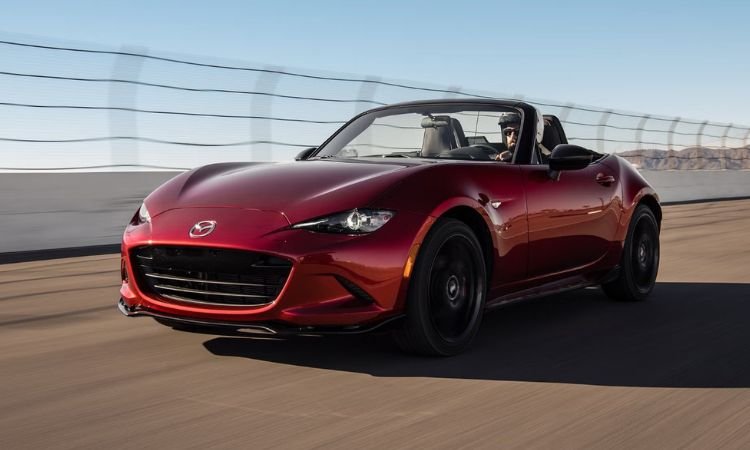
Pros Of A Red Car
1. A Red Car Has Strong Visual Appeal
The biggest reason people buy red cars is simple: they look good. Red brings energy to a vehicle’s design in a way that many neutral colors cannot. It highlights curves, sharp body lines, wheel arches, grille shapes, spoilers, and lighting details. A car that might look ordinary in gray or white can suddenly appear more stylish in red.
This is especially true for vehicles with bold design language. Sports cars, hot hatches, coupes, compact SUVs, and performance sedans often look more exciting in red because the color matches their personality. It gives the car movement even when it is parked.
Red also has a timeless quality in the automotive world. While certain shades become trendy and then fade, red itself has remained desirable for decades. It has been linked with racing, passion, power, and style for generations. That makes it a safer bold choice than some unusual colors that may become outdated quickly.
A well-maintained red car can look premium, expensive, and cared for. When the paint is clean and glossy, it reflects light beautifully and creates a showroom-like appearance. For owners who enjoy the pride of looking back at their car after parking it, red delivers that feeling better than most colors.
Of course, visual appeal is subjective. Not everyone wants attention. But for someone who wants a vehicle with personality, red is one of the strongest color choices available.
2. A Red Car Is Easier To Find In Parking Lots
A practical benefit of owning a red car is that it is easier to spot in crowded parking areas. Large shopping centers, airports, stadiums, hospitals, universities, and office complexes are often filled with white, black, gray, and silver vehicles. A red car stands out quickly among them.
This may sound like a small advantage, but it becomes useful in everyday life. When you are carrying groceries, walking through a rainy car park, or trying to remember where you parked after a long day, a bright red vehicle is easier to identify from a distance.
This is especially helpful for families, older drivers, and people who frequently park in large public areas. It can also be useful when someone else is picking you up. Instead of saying “I’m in the gray SUV near the entrance,” a red car is much easier to describe.
The benefit is not limited to bright red. Even deeper shades like ruby red, wine red, or burgundy are often easier to identify than common neutral colors. The more crowded the area, the more useful this becomes.
A car’s color will not replace good parking habits, but red makes ownership slightly more convenient. It is one of those benefits you may not think about during purchase, but you appreciate over time.
3. A Red Car Often Looks Sportier
Red has one of the strongest connections to sportiness in the automotive world. Racing cars, performance badges, brake calipers, sports interiors, and enthusiast models often use red as a visual signal. Because of that history, a red car naturally feels more athletic.
Even a normal sedan or hatchback can look more dynamic in red. The color adds confidence and energy without requiring mechanical upgrades. It can make a compact car feel youthful, a coupe feel faster, and an SUV feel more adventurous.
This sporty image is one reason manufacturers often use red in promotional photos. Red attracts attention and communicates excitement quickly. It also works well with black trim, dark wheels, carbon-style accents, chrome details, and LED lighting.
For buyers who want their car to look lively but do not want to modify it, red is an easy way to add personality. It gives the vehicle a stronger showroom presence straight from the factory.
However, sportiness is also about balance. A bright red color may suit a performance hatchback better than a formal executive sedan. Darker reds can solve this problem by offering a sporty feel without looking too loud.
4. A Red Car Can Improve Daytime Visibility
Red is generally easier to notice in daylight than darker colors like black, dark gray, or deep blue. This can be an advantage in busy traffic, parking lots, intersections, and residential streets. A more visible car may be easier for pedestrians, cyclists, and other drivers to recognize.
Visibility does not mean a red car is automatically safer. Road safety depends on many factors, including driver behavior, lighting, speed, weather, road design, and vehicle condition. Still, color can influence how quickly a vehicle catches the eye, especially in bright daylight.
Red can be particularly noticeable against common road environments such as asphalt, concrete, greenery, snow, and beige urban backgrounds. It creates natural contrast, which helps it stand apart from the surroundings.
This advantage is strongest during daytime. At night, headlights, taillights, reflectors, and street lighting matter far more than body color. In heavy rain, fog, or low light, red may not provide the same visibility benefit.
Even so, for daily driving, school pickups, city use, and suburban roads, the extra visual presence can be helpful. Drivers who value being noticed on the road may find red more reassuring than darker, less visible colors.
5. A Red Car Shows Personality And Confidence
A red car says something about the owner. It suggests that the driver does not mind standing out. It can communicate confidence, taste, energy, and enthusiasm. For many people, that emotional connection is part of the pleasure of car ownership.
Cars are not only transportation tools. They are also personal items that people live with every day. You see your car in the driveway, in reflections, in parking lots, and every time you approach it with the key. A color you enjoy can make the ownership experience more satisfying.
Red is especially appealing to drivers who feel bored by conservative colors. White, silver, black, and gray are popular for good reasons, but they can sometimes feel predictable. Red adds warmth and individuality.
The personality effect also works across different age groups. A young driver may see red as bold and stylish. A mature driver may choose a deeper red because it feels elegant and distinctive. A performance-car buyer may choose red because it connects with motorsport tradition.
The key is choosing the right shade. Bright red is confident and energetic. Dark red is richer and more refined. Metallic red is premium and modern. Burgundy is mature and understated. The right red can express personality without looking careless or excessive.
6. A Red Car Can Be Desirable On Certain Used Markets
Resale value depends on many factors, including brand, model, mileage, service history, condition, accident record, fuel type, market demand, and location. However, color can still influence buyer interest. Red can be attractive in the right segment.
Sports cars, coupes, convertibles, hot hatches, and certain performance SUVs often look natural in red. Buyers shopping for these vehicles may actively prefer a red exterior because it matches the emotional purpose of the car. In such cases, red can help the vehicle stand out in used listings.
Research also suggests that red is not necessarily a resale disadvantage overall. In the iSeeCars study, red ranked better than the overall average for three-year depreciation, with 29.8% depreciation compared with the 31.0% average. That does not guarantee every red car will sell for more, but it does challenge the idea that red is always a poor resale choice.
The resale advantage is strongest when the red paint is clean, original, and well-maintained. A faded or poorly repaired red car may lose appeal quickly. A glossy, accident-free red car with good service records can attract buyers who want something more exciting than a neutral color.
For mainstream family vehicles, red may not be as universally desirable as white or gray, but it can still work well when priced correctly and presented properly.
7. A Red Car Photographs Very Well
Red cars often look excellent in photos and videos. The color creates strong contrast and draws attention to the subject. That is why red vehicles are common in car advertisements, dealership promotions, social media posts, and automotive photography.
For owners who enjoy sharing their car online, red is a strong choice. It stands out against city streets, mountain roads, beach backgrounds, forests, garages, and clean studio settings. It also looks dramatic in golden-hour lighting, where sunlight adds warmth and depth to the paint.
Metallic and pearl reds can be especially photogenic because they change appearance depending on the angle and lighting. Under direct sunlight, the paint may sparkle. Under shade, it may look deep and rich. Under artificial light, it may take on a premium showroom glow.
This benefit is not only for enthusiasts. If you ever sell the car, good photos can help your listing attract more attention. A red car in clean condition can look more exciting than a similar vehicle in a common color.
The only caution is that red paint shows poor photography easily. If the car is dirty, faded, scratched, or badly lit, those flaws may appear clearly. But when maintained and photographed well, red is one of the most eye-catching automotive colors.
8. A Red Car Can Make Affordable Models Look More Premium
Not every buyer can afford a luxury car, but color can influence how expensive a car appears. A strong red finish can make an affordable vehicle look more stylish and higher-end than the same model in a plain color.
This is especially true when the red paint is metallic, pearl, or deep gloss. The color gives the car more depth and presence. It can make body lines look sharper and trim details look more intentional.
Small cars benefit from this effect because red adds energy and character. Compact SUVs benefit because red can make them look more adventurous. Sedans benefit when the shade is rich enough to feel mature rather than flashy.
Some red finishes are designed specifically to look premium. Multi-layer reds, crystal reds, and tinted clear-coat reds can create a deep, luxurious appearance. These finishes often cost extra, but they can dramatically improve the car’s visual impact.
For buyers who care about appearance but are staying within a sensible budget, red can be a smart emotional upgrade. It does not change the car’s mechanical quality, but it can make ownership feel more special.
9. A Red Car Has Strong Emotional Appeal
A red car can make driving feel more enjoyable before the engine even starts. Color affects mood, and red is one of the most emotional colors available. It feels active, warm, bold, and alive.
This emotional appeal matters because car ownership is not purely rational. People often choose a car because it makes them feel proud, excited, safe, successful, adventurous, or comfortable. A red exterior can strengthen that connection.
Many owners are more likely to wash, protect, and care for a car they genuinely enjoy looking at. That can indirectly help long-term condition. A person who loves the color may be more motivated to park carefully, remove dirt quickly, and keep the finish polished.
Red also creates a sense of occasion. A red convertible on a sunny day, a red coupe on a weekend drive, or a red SUV on a road trip can feel more memorable than the same experience in a duller color.
This is not a technical advantage, but it is still real. A car is often the second most expensive purchase after a home. If the color makes you happier every time you see it, that emotional value should not be ignored.
10. A Red Car Can Stand Out Without Heavy Modification
Some owners modify their vehicles to make them look unique. They add wheels, body kits, wraps, decals, spoilers, lighting upgrades, or suspension changes. A red car can already feel distinctive without needing those changes.
This can save money and reduce risk. Factory paint is usually more durable and easier to insure than extensive aftermarket customization. A red exterior gives the car presence while keeping it original.
This is especially useful for buyers who want individuality but also want to preserve warranty, resale appeal, and factory quality. A red factory finish looks intentional. It does not usually create the same resale concerns as unusual wraps or extreme custom paint.
Red also pairs well with factory design packages. Black wheels, chrome trim, gloss black roofs, tinted windows, sporty bumpers, and LED lights often look excellent against red paint. The car can appear customized even when it remains completely stock.
For many buyers, this is the perfect balance. The car feels special, but it is still practical, insurable, serviceable, and easy to live with.
Cons Of A Red Car
1. Red Paint Can Fade If It Is Not Protected
One of the most common concerns with red cars is paint fading. Red pigments can lose depth and richness over time when exposed to strong sunlight, heat, pollution, and poor maintenance. Older red cars with neglected paint often develop a dull, pinkish, or chalky appearance.
Modern automotive paint is far better than older paint, especially with improved clear coats and UV protection. Still, red can be unforgiving if ignored for years. Cars parked outside every day in hot climates may show fading faster than vehicles kept in garages or shaded parking.
Fading usually starts gradually. The paint loses gloss, then depth, then color intensity. Horizontal surfaces such as the roof, hood, and trunk are often affected first because they receive the most direct sunlight.
Preventing this problem requires regular care. Washing, waxing, ceramic coating, paint sealant, and covered parking can help preserve the finish. Avoiding harsh chemicals and automatic brush car washes also reduces damage.
A red car is not guaranteed to fade quickly, but it rewards owners who protect it. If you want a car color that can be neglected for years and still look acceptable, red may require more attention than you prefer.
2. Dirt, Dust, And Water Spots Can Be Noticeable
Red is not as difficult to keep clean as black, but it still shows dirt more than some lighter colors. Dust, pollen, dried rain marks, hard-water spots, and road film can reduce the shine quickly.
The problem is not always that the car looks filthy. Instead, red paint loses its best quality when dirty: depth and brightness. A clean red car looks rich and sharp. A dusty red car can look dull and tired.
This is especially noticeable on bright red and dark metallic red finishes. Light dust can sit on the surface and mute the color. Water spots can stand out after rain or washing if the car is not dried properly.
Owners who enjoy washing their cars may not see this as a major disadvantage. In fact, red can be satisfying to clean because the improvement is obvious. But for drivers who rarely wash their vehicles, red may not stay attractive for long.
The solution is simple but requires consistency. Use a gentle car shampoo, soft microfiber towels, and proper drying methods. A protective wax or sealant can also make cleaning easier and help water slide off the surface.
3. Scratches And Swirl Marks May Stand Out
Red paint can show scratches, swirl marks, and polishing defects, especially under strong sunlight or bright artificial lighting. The effect depends on the shade and paint type. Darker reds and high-gloss metallic reds tend to reveal imperfections more clearly than lighter solid reds.
Swirl marks often come from improper washing. Dirty sponges, automatic brush washes, dry wiping, and cheap towels can create fine circular scratches in the clear coat. These marks may not be obvious from far away, but they can reduce gloss and make the paint look older.
Stone chips can also be noticeable because the primer underneath may contrast with the red surface. On front bumpers, hoods, and mirror caps, small chips can build up over time.
This does not mean red paint is weak. The clear coat quality matters more than the color itself. However, red’s brightness makes some defects easier to see.
Owners who care about appearance should use safe washing techniques. A two-bucket wash method, microfiber wash mitts, proper drying towels, and occasional paint correction can keep the finish looking clean. Paint protection film on high-impact areas can also help.
For buyers who do not want to think about detailing, a more forgiving color such as silver or light gray may be easier to live with.
4. Red Paint Can Be Harder To Match During Repairs
Repairing red paint can be more challenging than repairing simple neutral colors, especially if the car has metallic, pearl, candy, or tri-coat red paint. Even a small difference in shade can be obvious because red is such a strong color.
Paint matching depends on many factors: factory paint code, age of the paint, fading, clear coat condition, number of layers, spray technique, and lighting. A new panel painted strictly to the factory code may still look slightly different from the older surrounding panels if the rest of the car has faded.
Body shops often solve this by blending paint into adjacent panels. This creates a smoother transition, but it can increase labor and cost. Carwow notes that metallic paint is more difficult to repair because achieving an exact match is tricky, while pearlescent finishes are even more difficult.
This matters after accidents, parking lot dents, bumper scrapes, and stone-chip repairs. A cheap repair on a red car may stand out badly if the color match is poor.
The best approach is to use a reputable body shop, especially for premium red finishes. Ask about blending, clear coat quality, and paint warranty. A red car can be repaired beautifully, but it may not be the best color for bargain-quality paintwork.
5. A Red Car Can Attract More Attention Than You Want
The same visibility that makes a red car appealing can also become a disadvantage. Red attracts attention from pedestrians, other drivers, neighbors, parking lot passersby, and sometimes thieves or vandals.
This does not mean red cars are automatically targeted, but they are harder to ignore. If you prefer privacy and subtlety, red may feel too noticeable. People may remember your car more easily, especially in small towns, workplaces, apartment complexes, or school pickup areas.
A bright red vehicle can also make driving behavior more visible. If you speed, park badly, or make an aggressive maneuver, people may remember “the red car” more clearly than they would remember a gray one. That can create the feeling of being watched, even if no one is actually paying special attention.
Some drivers enjoy this attention. Others find it tiring. The issue depends heavily on personality and environment.
If you like red but want less attention, choose a deeper shade such as burgundy, ruby, maroon, or dark metallic red. These colors still look rich but do not shout as loudly as bright racing red.
6. Red May Not Suit Every Vehicle Type
Red can look excellent on many vehicles, but it is not equally suited to every body style or brand image. A red sports car may look natural, while a bright red executive sedan may not appeal to conservative buyers. A red compact car may look youthful, while a red luxury limousine may feel too bold for some tastes.
This matters most when buying a vehicle for professional or family use. Business owners, corporate drivers, chauffeurs, and fleet buyers often prefer neutral colors because they look formal and discreet. A red car may not project the image they want.
Large SUVs and pickup trucks can look good in red, but the shade matters. A bright red full-size truck may look rugged and bold. A dark red SUV may look premium. But the wrong red on the wrong design can feel awkward.
The best way to judge is to see the exact model in red before buying. Paint colors can look very different in brochures, online configurators, showroom lighting, and real sunlight. A red that looks amazing on a coupe may not suit a minivan or large sedan.
Color should complement the vehicle’s shape, trim, wheels, and purpose. Red is powerful, but it needs the right canvas.
7. Red Can Limit Your Used-Buyer Audience
Although red can help some vehicles stand out, it can also narrow the pool of potential buyers. Many used-car shoppers prefer safe colors such as white, black, silver, or gray because they are easier to resell, easier to match with different tastes, and less emotionally specific.
A buyer may like the model, mileage, and price but reject the car because they do not want red. This is less likely with enthusiast cars, but it can happen with family sedans, minivans, commuter cars, and conservative luxury vehicles.
Red is a personal color. People tend to either like it or avoid it. Neutral colors are less polarizing. That means a red car may need the right buyer, especially in markets where subtle colors dominate.
This does not always reduce price. Sometimes a red car sells faster because it looks more exciting. But if demand is weak in your area or the vehicle type does not match the color, resale may take longer.
The solution is to maintain the car well and present it properly when selling. Clean paint, good photos, complete service records, and a fair price can overcome color hesitation. Still, buyers planning to resell quickly should think carefully before choosing a very bright red.
8. Red Can Look Older If The Paint Is Neglected
A neglected red car can age badly. When the paint becomes faded, scratched, oxidized, or patchy, the car may look much older than it really is. This is one reason some people are cautious about buying older red vehicles.
Neutral colors can sometimes hide age better. Silver and light gray, for example, can disguise dust, minor scratches, and fading more effectively. Red is less forgiving because its beauty depends heavily on richness and gloss.
This is especially true for older vehicles without strong clear coat protection or cars kept outside in harsh sunlight. Once red loses its depth, the entire vehicle can appear tired even if the interior and mechanical condition are good.
Restoring faded red paint may require machine polishing, paint correction, or in severe cases repainting. These services can be expensive. If the clear coat has failed, polishing alone may not fix the issue.
For long-term ownership, the answer is prevention. Regular washing, wax or sealant, ceramic coating, and covered parking can preserve the color. But if you know you will not maintain the paint, red may not be the easiest long-term choice.
9. Premium Red Finishes Can Increase Ownership Costs
Not all red paint is equal. A basic solid red may be simple and affordable, but premium reds can be more expensive from purchase to repair. Metallic, pearl, candy, mica, crystal, and tri-coat reds often have more visual depth, but they also bring higher complexity.
The first cost may appear on the order sheet. Premium paint can add hundreds or even more to the purchase price depending on brand and market. Carwow notes that metallic finishes are often a paid option and that more complex finishes can cost more.
The second cost may appear during repairs. If a bumper, door, or fender needs repainting, a premium red finish may require special blending and more labor. The paint materials themselves may also cost more.
The third cost is maintenance. Owners may spend more on protection because they want the finish to stay perfect. Ceramic coating, professional detailing, paint protection film, and premium car-care products are optional, but they are common among people who buy expensive red paint.
None of this means premium red is a bad choice. In fact, some of the most beautiful automotive colors are premium reds. But buyers should understand that the richer look may come with higher ownership expectations.
10. Red Can Feel Too Bold Over Time
A color that feels exciting on the day of purchase may feel too loud after several years. This is a real risk with bold colors. Red can be emotionally powerful, but personal taste changes. A buyer who loves bright red at first may later want something calmer.
Lifestyle changes can also affect how suitable a red car feels. A driver may move into a more formal job, start using the car for business meetings, share the car with family members, or simply become tired of attracting attention. In those situations, a neutral color may feel easier.
This is especially true for very bright reds. They make a strong statement every day. Some owners enjoy that for the entire ownership period. Others eventually wish they had chosen a darker red or a more conservative color.
The best way to avoid regret is to choose the shade carefully. If you are unsure, a deep metallic red, burgundy, or ruby red may be a safer long-term choice than a very bright racing red. It still offers personality, but with more maturity.
A red car should match not only your current excitement but also your long-term comfort. If the color still feels right after seeing it in daylight, shade, rain, and at night, it is more likely to remain satisfying.
Conclusion
A red car can be one of the most rewarding color choices for the right owner. It looks bold, emotional, sporty, and memorable. It is easier to spot in parking lots, often photographs beautifully, and can make even an ordinary vehicle feel more special. On certain models, especially sports cars and performance trims, red can strengthen desirability and help the vehicle stand out in the used market.
At the same time, red is not the easiest color for everyone. It can attract attention, show dirt and swirl marks, fade if neglected, and cost more to repair when the finish is metallic, pearl, or multi-layer. It may also limit resale appeal for buyers who prefer conservative colors, especially on formal sedans or family vehicles.
The best decision depends on your personality and ownership habits. If you enjoy maintaining your car, like expressive colors, and want a vehicle with strong road presence, red can be an excellent choice. If you prefer subtlety, rarely wash your car, park outside in harsh sunlight, or want the broadest possible resale audience, a neutral color may be more practical.
A red car is not automatically better or worse than any other color. It is simply more expressive. For some drivers, that expression is exactly what makes ownership enjoyable. For others, it may be more attention than they want. Choose the right shade, protect the paint, and match the color to the vehicle’s purpose. Do that, and a red car can remain beautiful, desirable, and satisfying for many years.