
Choosing a career is one of the most important decisions a person makes, and for many people, success is measured by more than just a paycheck. Job satisfaction, creativity, flexibility, work-life balance, and opportunities for personal growth all play a significant role in determining whether a profession is the right fit. One career that continues to attract individuals who enjoy working with people and expressing their creativity is barbering. Although often viewed as a traditional trade, modern barbering has evolved into a respected profession with strong earning potential, entrepreneurial opportunities, and increasing demand across many parts of the world.
A barber does much more than cut hair. Today’s barbers provide grooming services such as beard trimming, shaving, hair styling, scalp care, consultations, and personalized grooming advice. Many also build long-term relationships with clients, becoming trusted professionals who contribute to their customers’ confidence and self-image. Whether working in a neighborhood barbershop, a luxury grooming lounge, a franchise, or running their own business, barbers play an important role in helping people look and feel their best.
The profession offers numerous benefits. It allows individuals to develop artistic skills, enjoy flexible schedules, meet diverse people, and potentially earn a good income through tips, loyal clients, and business ownership. The relatively short training period compared to many other professions also makes barbering an attractive option for people looking to enter the workforce quickly.
However, like any career, barbering comes with challenges. Long hours on your feet, physical strain, inconsistent income, demanding customers, exposure to chemicals, and the pressure to maintain a steady client base are just a few realities that aspiring barbers should understand before entering the profession.
The decision to become a barber should be based on a realistic understanding of both the rewards and the responsibilities involved. While the career can be highly fulfilling for those with passion and dedication, it also requires continuous learning, excellent customer service, attention to detail, and strong business skills.
In this article, we’ll explore the profession from every angle by examining ten major advantages and ten significant disadvantages of being a barber. Whether you’re considering barber school, planning a career change, or simply curious about the profession, this guide will provide a balanced and comprehensive overview to help you make an informed decision.
Is Being a Barber Hard?
Being a barber can be challenging, especially in the beginning, but many professionals find the work rewarding enough to make the effort worthwhile. The difficulty comes from the combination of technical skill, physical endurance, customer service, and business knowledge required to succeed. Cutting hair is not simply about using clippers or scissors—it involves understanding different hair types, face shapes, styling techniques, and client preferences while maintaining precision with every haircut.
New barbers often face a steep learning curve. Developing confidence, mastering modern haircut styles, and learning how to communicate effectively with clients all take time and consistent practice. Mistakes can happen during the learning process, and handling them professionally is an important part of building experience.
The job is also physically demanding. Barbers typically spend long hours standing, using their hands continuously, and maintaining focus throughout the day. This can lead to fatigue, especially during busy periods or holiday seasons when appointment schedules are full. Maintaining good posture, using ergonomic tools, and taking care of your physical health become essential for a long and successful career.
Another challenge is building a loyal client base. Most barbers do not become fully booked overnight. Earning trust requires excellent customer service, consistent quality, punctuality, and patience. Many professionals also invest time in marketing themselves through social media and encouraging referrals to attract new customers.
Despite these challenges, barbering becomes easier with experience. As technical skills improve and regular clients return, confidence grows and the work becomes more enjoyable. Many barbers appreciate the creativity, flexibility, and personal connections that the profession offers.
Ultimately, being a barber is hard in the sense that it requires dedication, continuous learning, and strong work ethic. However, for individuals who enjoy working with people, expressing creativity, and developing a practical skill, the rewards often outweigh the difficulties, making barbering a satisfying and worthwhile profession.
Is Barbering a Good Career?
Barbering is widely considered a good career for people who enjoy creativity, working with others, and having the opportunity to control their professional future. It offers a unique combination of practical skills, personal interaction, and entrepreneurial potential that many traditional careers cannot provide. While success depends on dedication and consistent effort, barbering can offer long-term stability and rewarding opportunities.
One of the biggest advantages of the profession is the ongoing demand for skilled barbers. Haircuts and grooming services are regular necessities for many people, creating a steady need for qualified professionals. Unlike careers that may be affected by automation or changing technology, barbering relies heavily on human skill, creativity, and personal service, making it a profession with lasting relevance.
Barbering also provides multiple career paths. Some professionals work in established barbershops, while others rent chairs, open their own businesses, become educators, work with fashion or entertainment clients, or specialize in premium grooming services. As experience grows, many barbers increase their income through higher service prices, tips, retail product sales, and business ownership.
Another reason barbering is a good career is the satisfaction that comes from helping people feel more confident. A quality haircut can improve someone’s appearance and self-esteem, giving barbers the opportunity to make a positive impact every day. Long-term relationships with loyal clients also create a strong sense of community and job fulfillment.
However, barbering is not without challenges. It requires standing for long hours, maintaining excellent customer service, continually improving technical skills, and building a reliable client base. Income may fluctuate during the early stages of a career, and success often depends on reputation and consistency.
Overall, barbering is an excellent career choice for motivated individuals who enjoy hands-on work, creativity, and interacting with people. With commitment, professionalism, and a willingness to continue learning, it can provide financial stability, career independence, and long-term personal satisfaction.
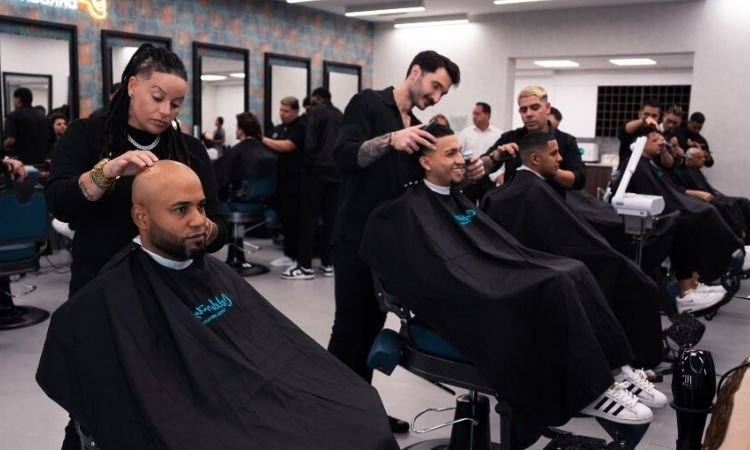
Pros of Being a Barber
1. Strong Demand for Skilled Barbers
One of the biggest advantages of becoming a barber is the consistent demand for grooming services. Hair continues to grow regardless of economic conditions, fashion trends, or technological changes, meaning people regularly need haircuts and grooming services throughout their lives.
Unlike many industries that can become obsolete due to automation or artificial intelligence, barbering relies heavily on human skill, creativity, and personal interaction. Clients often return to the same barber because they trust their expertise and appreciate the personalized experience.
In many cities and towns, skilled barbers can develop busy appointment schedules, especially if they build a strong reputation for quality service.
Demand has also increased due to the growing popularity of modern grooming. More men now invest in beard shaping, fades, textured hairstyles, precision cuts, scalp treatments, and premium grooming experiences than ever before.
This ongoing need for professional grooming provides a level of career stability that many occupations cannot guarantee.
2. Opportunity to Express Creativity Every Day
Barbering is both a technical profession and an art form.
Every haircut presents an opportunity to create something unique while helping clients achieve a style that suits their personality, face shape, hair type, and lifestyle.
Creative barbers constantly experiment with new cutting techniques, fades, beard designs, line work, styling methods, and modern grooming trends.
Some specialize in classic gentleman’s cuts, while others become experts in intricate hair designs, textured crops, pompadours, buzz cuts, or contemporary skin fades.
No two clients are exactly alike, making every day different.
For individuals who enjoy working with their hands and expressing creativity through practical skills, barbering offers a highly satisfying career where artistic ability directly contributes to professional success.
3. Relatively Short Training Compared to Many Careers
Compared to professions that require four-year degrees or advanced education, barbering generally has a much shorter path to entering the workforce.
Many barber training programs can be completed within several months to two years, depending on local licensing requirements and whether students attend full-time or part-time.
This shorter education period allows aspiring barbers to begin earning income sooner while avoiding the substantial student debt often associated with university degrees.
Practical training also starts early.
Instead of spending years studying theory alone, barber students quickly begin practicing cutting techniques, shaving, sanitation procedures, customer service, and shop operations.
The combination of hands-on learning and shorter education makes barbering an attractive career option for individuals eager to start working and building professional experience.
4. Flexible Work Schedule
One of the most appealing aspects of barbering is the flexibility it can offer.
Depending on where they work, barbers may have the freedom to choose full-time, part-time, evening, or weekend schedules.
Independent barbers who rent chairs or operate their own shops often have even greater control over their working hours.
This flexibility allows professionals to balance work with family responsibilities, education, hobbies, or other business ventures.
Some barbers prefer working long hours over fewer days each week, while others create appointment-only schedules that better suit their personal lifestyles.
As careers progress and loyal client bases develop, experienced barbers often gain greater freedom in determining their availability.
For individuals seeking a profession that offers more control over daily routines, barbering can provide an attractive alternative to traditional office jobs.
5. Ability to Build Long-Term Client Relationships
Unlike many customer service jobs involving one-time interactions, barbering often leads to lasting professional relationships.
Clients typically return every few weeks or months for regular grooming appointments.
Over time, barbers become familiar with their clients’ preferred hairstyles, careers, families, interests, and personalities.
Many customers remain loyal to the same barber for years—or even decades.
These long-term relationships create a rewarding work environment built on trust and familiarity.
Regular conversations also make daily work more enjoyable.
Barbers frequently become valued members of their communities because they interact with people from all walks of life.
Strong client relationships often lead to referrals, positive reviews, repeat business, and stable income, making customer loyalty one of the profession’s greatest assets.
6. Excellent Opportunities for Business Ownership
One of the greatest advantages of becoming a barber is the opportunity to become your own boss. While many barbers begin their careers working in established barbershops or salons, a large number eventually open their own businesses after gaining experience and building a loyal client base.
Owning a barbershop provides greater control over your career. You can choose your location, create your own brand, hire staff, set business hours, determine pricing, and decide which services to offer. This level of independence is appealing to people who have entrepreneurial ambitions and enjoy managing a business.
A successful barbershop can generate income from multiple sources. In addition to haircut and grooming services, many shops sell hair care products, beard oils, styling tools, grooming accessories, and gift cards. Some also rent chairs to other barbers, creating another stream of revenue.
Business ownership also allows barbers to shape the customer experience. From the interior design and atmosphere to appointment systems and customer service standards, every aspect of the shop reflects the owner’s vision.
Although running a business comes with additional responsibilities, it also offers the potential for long-term financial growth and professional independence.
7. Unlimited Learning and Skill Development
Barbering is a profession where learning never truly ends. Hairstyles, grooming products, cutting techniques, and fashion trends change regularly, giving barbers continuous opportunities to improve their skills.
Many experienced professionals attend workshops, trade shows, competitions, and advanced training courses to stay updated with modern techniques. They learn new fading methods, scissor work, beard sculpting, razor techniques, hair coloring, scalp treatments, and customer consultation skills.
This ongoing education keeps the profession exciting. Instead of performing the exact same tasks every year, barbers constantly discover new ways to improve their craft and offer better services to clients.
Learning also creates opportunities to specialize. Some barbers become experts in children’s haircuts, luxury grooming, traditional straight-razor shaving, textured hairstyles, or modern skin fades. Others develop expertise in working with different hair types or providing grooming services for weddings, fashion events, and media productions.
Continuous improvement not only increases confidence but also enhances professional reputation and earning potential.
8. Potential to Earn a Good Income
Many people mistakenly assume barbering is a low-paying profession, but skilled barbers can earn a very comfortable income depending on their location, experience, pricing, and client base.
Income typically comes from several different sources. Besides charging for haircuts, barbers may receive generous tips from satisfied customers. Additional services such as beard trimming, hot towel shaves, facial treatments, hair washing, and premium styling also increase earnings.
Experienced barbers who consistently deliver high-quality work often attract loyal clients willing to pay higher prices for reliable service.
Those who own successful barbershops or rent chairs to other professionals may significantly increase their overall income through business operations.
While earnings vary from one region to another, hardworking barbers who build strong reputations often enjoy stable and rewarding careers financially.
9. High Level of Job Satisfaction
Many barbers find genuine satisfaction in helping people improve their appearance and confidence.
A fresh haircut often changes how someone feels about themselves. Clients frequently leave the chair smiling, feeling more confident before important events, job interviews, weddings, graduations, or social gatherings.
Being able to contribute to someone’s self-esteem creates a rewarding sense of purpose.
Barbers also enjoy immediate feedback. Clients express appreciation directly after receiving a haircut, allowing professionals to see the positive results of their work every day.
Unlike many careers where projects take months to complete, barbering provides instant gratification. Each successful haircut represents a finished achievement that both the barber and client can immediately appreciate.
This constant opportunity to make a positive difference contributes significantly to long-term career satisfaction.
10. Every Workday Is Different
Few professions offer as much variety as barbering.
Every client brings unique hair textures, personal preferences, face shapes, lifestyles, and grooming goals. Some request classic business cuts, while others prefer trendy fades, beard styling, or complete transformations.
Daily conversations also vary. Barbers meet students, business owners, athletes, retirees, artists, healthcare workers, tourists, and professionals from virtually every occupation.
These interactions create an engaging work environment where no two days feel exactly alike.
Special events such as weddings, graduations, holidays, sporting competitions, and local celebrations often introduce new clients and different styling requests throughout the year.
For people who dislike repetitive office work or sitting behind a desk all day, barbering offers a dynamic career filled with creativity, conversation, and continuous human interaction.
Cons of Being a Barber
1. Spending Long Hours on Your Feet
One of the biggest physical challenges of being a barber is standing for extended periods throughout the day.
Haircuts, beard trims, shaves, consultations, and cleaning tasks require barbers to remain on their feet for many consecutive hours. During busy periods, breaks may be limited, especially when appointments are scheduled back-to-back.
Over time, prolonged standing can contribute to foot pain, leg fatigue, knee discomfort, and lower back problems if proper posture and supportive footwear are not maintained.
Many experienced barbers invest in anti-fatigue floor mats, ergonomic shoes, and stretching routines to reduce physical strain.
Even with these precautions, the profession remains physically demanding compared to many desk-based careers.
Individuals considering barbering should be prepared for an active work environment that requires stamina and endurance.
2. Income Can Be Inconsistent
Although successful barbers can earn excellent incomes, earnings are not always predictable, particularly during the early stages of a career.
New barbers often need time to build a loyal customer base. During this period, appointments may be limited, resulting in fluctuating weekly income.
Seasonal factors can also influence earnings. Certain times of the year, such as holidays, wedding seasons, and school reopening periods, tend to be much busier than others.
Economic downturns may also affect customer spending habits. Some people delay haircuts, extend the time between appointments, or choose lower-priced services during financially challenging periods.
Independent barbers who rely heavily on appointments and tips must carefully manage their finances to accommodate periods of lower income.
Strong budgeting skills become essential for maintaining long-term financial stability.
3. Physically Demanding Repetitive Work
Barbering requires precise hand movements that are repeated hundreds of times every week.
Holding scissors, clippers, razors, and combs for long periods places continuous strain on the hands, wrists, fingers, elbows, shoulders, and neck.
Without proper technique and ergonomic practices, repetitive motions may contribute to conditions such as tendonitis, muscle fatigue, or repetitive strain injuries.
Maintaining consistent posture while performing detailed work also places pressure on the back and shoulders.
Experienced barbers often perform stretching exercises, strength training, and regular physical therapy to maintain flexibility and reduce injury risks.
Taking care of physical health becomes an important part of maintaining a long and successful career.
4. Difficult Customers Can Be Challenging
Working closely with people means not every interaction will be easy.
Some clients arrive with unrealistic expectations or request hairstyles that are unsuitable for their hair type, face shape, or hair condition. Others may have difficulty explaining exactly what they want, leading to misunderstandings.
Occasionally, customers may arrive late, cancel appointments without notice, complain despite receiving quality service, or expect discounts.
Handling these situations requires patience, professionalism, excellent communication skills, and emotional control.
Successful barbers learn how to manage difficult conversations while maintaining positive customer relationships.
Providing outstanding customer service often involves balancing honesty with diplomacy, especially when advising clients about realistic hairstyle expectations.
5. Building a Loyal Client Base Takes Time
Many people assume that becoming licensed automatically guarantees a busy schedule, but developing a successful barbering career requires consistent effort.
New barbers typically spend months—or even years—earning trust within their communities.
Building a loyal client base involves delivering consistently high-quality work, providing excellent customer service, maintaining punctuality, creating a welcoming atmosphere, and encouraging satisfied clients to return.
Marketing also plays an increasingly important role. Many barbers actively promote their services through social media, online booking platforms, customer reviews, referral programs, and local networking.
Competition can be particularly strong in cities where numerous barbershops operate within the same area.
Patience, persistence, and continuous improvement are essential for establishing a stable clientele capable of supporting long-term career success.
6. Evening, Weekend, and Holiday Work Is Common
While barbering offers flexibility, it does not always mean working traditional business hours. In fact, many of the busiest times for barbers are when most other people are off work.
Clients often schedule appointments after office hours, on weekends, or just before public holidays, weddings, graduations, and other special events. These peak periods can result in long days and limited personal time.
For barbers who own their own shops or rent chairs, taking time off can also mean losing income or inconveniencing regular clients. As a result, many professionals continue working during busy seasons, even when they would prefer to spend time with family or friends.
This schedule can make it challenging to attend social gatherings, weekend activities, or family events that take place during working hours.
Although experienced barbers with loyal clientele may eventually gain more control over their schedules, flexibility often comes with the responsibility of being available when customers need services most.
7. Exposure to Chemicals and Health Risks
Barbers regularly work with a variety of grooming products, including shampoos, conditioners, disinfectants, styling sprays, hair dyes, bleaching agents, and cleaning solutions. While these products are generally safe when used correctly, frequent exposure over many years can sometimes lead to health concerns.
Some individuals develop skin irritation or allergic reactions from repeated contact with chemicals. Others may experience respiratory discomfort if a shop has poor ventilation and airborne particles from sprays, powders, or cleaning products accumulate throughout the day.
Hair clippings can also become an unexpected workplace hazard. Tiny pieces of hair may cause skin irritation or become lodged in clothing and footwear. Maintaining strict hygiene practices is essential to reduce these risks.
Professional barbers minimize potential health issues by wearing protective gloves when necessary, washing their hands frequently, using quality ventilation systems, and following proper sanitation procedures.
Taking workplace safety seriously helps protect both the barber and their clients over the long term.
8. Business Management Can Be Stressful
For barbers who choose to own a shop, cutting hair is only one part of the job. Running a successful business requires handling many responsibilities beyond providing grooming services.
Shop owners must manage appointments, employee schedules, payroll, inventory, equipment maintenance, licensing requirements, taxes, insurance, rent, utilities, marketing, and customer complaints.
Unexpected expenses can also arise. Clippers may need replacing, chairs may require repairs, and renovations or equipment upgrades can be costly.
Competition from nearby barbershops and changing customer preferences may require continuous investment in advertising, interior improvements, or new services to remain competitive.
These additional responsibilities can create stress, particularly for those with limited business experience.
While entrepreneurship offers significant rewards, it also demands careful planning, financial management, and strong leadership skills.
9. Career Growth May Require Continuous Self-Promotion
Unlike many corporate careers that include structured promotions and salary increases, barbering often depends on personal reputation and client loyalty.
A barber’s success is closely tied to how effectively they market themselves. Even highly skilled professionals may struggle if potential clients are unaware of their services.
Today’s barbers frequently use social media platforms to showcase their work, post before-and-after photos, share grooming tips, announce promotions, and interact with followers. Building an online presence has become an important part of attracting new customers.
Networking within the local community is equally important. Participating in events, collaborating with businesses, encouraging customer referrals, and maintaining positive online reviews all contribute to long-term success.
For individuals who prefer not to promote themselves or engage in marketing, this aspect of the profession may feel uncomfortable and time-consuming.
However, consistent self-promotion often plays a significant role in building a successful and sustainable barbering career.
10. Mistakes Can Affect Your Reputation
Barbering is a profession where attention to detail is essential. Unlike many jobs in which small mistakes can be corrected immediately, an error during a haircut may remain visible until the client’s hair grows back.
An uneven fade, accidental nick, incorrect beard shape, or haircut that doesn’t match the client’s expectations can lead to disappointment and reduce customer confidence.
In today’s digital world, dissatisfied clients may also leave negative online reviews or share their experiences on social media, potentially influencing future customers.
For this reason, barbers often work under constant pressure to maintain high standards with every appointment.
Developing excellent consultation skills helps reduce misunderstandings before the haircut begins. Listening carefully, asking questions, confirming expectations, and communicating honestly about what is achievable all contribute to better outcomes.
Although mistakes are an inevitable part of learning any profession, consistently delivering quality work is essential for protecting a barber’s reputation and maintaining long-term client trust.
Conclusion
Barbering is far more than simply cutting hair. It is a profession that combines technical expertise, creativity, customer service, communication, and entrepreneurship into a career that can be both personally and financially rewarding. Every haircut represents an opportunity to improve someone’s confidence, express artistic ability, and build meaningful relationships within the community.
The advantages of becoming a barber are substantial. The profession offers strong job demand, relatively short training, creative freedom, flexible working arrangements, opportunities for business ownership, continuous learning, good earning potential, and the satisfaction of helping people look and feel their best. For individuals who enjoy working with their hands, interacting with people, and developing practical skills, barbering can provide a fulfilling and long-lasting career.
At the same time, the profession is not without its challenges. Long hours on your feet, repetitive physical work, inconsistent income during the early stages, demanding customers, business pressures, health considerations, and the need to constantly maintain a positive reputation all require dedication and resilience. Success in barbering is rarely achieved overnight. It is built through patience, consistent quality, excellent customer service, and a willingness to adapt to changing styles and industry trends.
One of the most appealing aspects of barbering is that your success is largely determined by your own effort. A barber who continues learning, values professionalism, treats clients with respect, and consistently delivers outstanding service can build a loyal customer base that supports a stable and rewarding career. Whether working in an established barbershop, renting a chair, or owning a premium grooming business, there are numerous paths to professional growth.
Before choosing barbering as a career, it is important to consider your personality, interests, and long-term goals. Those who enjoy creative work, thrive in social environments, and are willing to invest time in developing both technical and business skills are likely to find the profession highly rewarding. On the other hand, individuals who prefer predictable office environments, fixed salaries, or minimal customer interaction may find some aspects of barbering more challenging.
Ultimately, being a barber is a career built on trust, craftsmanship, and human connection. While the job demands hard work, discipline, and continuous improvement, it also offers the opportunity to make a meaningful impact on people’s lives every single day. By understanding both the advantages and disadvantages, aspiring barbers can make informed career decisions and enter the profession with realistic expectations and the confidence needed to succeed.