
The way news is gathered and shared has changed dramatically over the past two decades. In the past, people relied almost entirely on newspapers, television stations, radio broadcasters, and professional journalists to stay informed about current events. Today, however, almost anyone with a smartphone and an internet connection can report news as it happens.
A witness at the scene of an accident can upload photos within minutes, a traveler can livestream a natural disaster, and a local resident can expose community issues before traditional media even arrives. This modern approach to reporting is known as citizen journalism, and it has become one of the most influential developments in the digital age.
Citizen journalism has transformed the relationship between the public and the news industry. Instead of being passive consumers of information, ordinary individuals now actively contribute to the news ecosystem. Through blogs, social media platforms, online forums, podcasts, and video-sharing websites, millions of people report events, share opinions, document injustices, and provide firsthand accounts from places professional journalists may never reach.
Despite its growing importance, citizen journalism remains a topic of debate. Supporters argue that it promotes transparency, amplifies underrepresented voices, encourages public participation, and delivers real-time information during emergencies. Critics, however, point out that it can also spread misinformation, lack editorial oversight, invade privacy, and create ethical challenges that traditional journalism has long worked to address.
Understanding both the strengths and weaknesses of citizen journalism is essential in today’s media environment. Whether you’re a reader trying to identify trustworthy information, a content creator interested in reporting local events, or someone simply curious about how news has evolved, knowing the advantages and disadvantages helps you consume and share information more responsibly.
This article explores citizen journalism in depth. It explains what citizen journalism is, how it works, and examines ten major advantages and ten significant disadvantages. By the end, you’ll have a balanced understanding of why citizen journalism has become such a powerful force—and why it also demands careful consideration.
What Is Citizen Journalism?
Citizen journalism refers to the practice of ordinary individuals collecting, documenting, and sharing news or information without working as professional journalists. Rather than being employed by newspapers, television stations, or established media organizations, citizen journalists independently report events they witness or investigate using readily available technology such as smartphones, digital cameras, laptops, and social media platforms.
Citizen journalism takes many forms. Someone may post videos of breaking news on social media, write detailed blog posts about local issues, publish investigative reports on independent websites, livestream public events, or share photographs that document important moments. These contributions often reach large audiences before traditional news organizations can verify and publish their own reports.
The rise of social media has played a major role in the growth of citizen journalism. Platforms like Facebook, X, Instagram, YouTube, TikTok, and community discussion forums have made it easier than ever for individuals to publish information instantly. Instead of waiting for media coverage, people can report events directly from the scene, allowing news to spread within seconds.
Citizen journalism does not replace professional journalism. Rather, it complements it by providing additional perspectives, eyewitness accounts, and local insights that might otherwise go unnoticed. Professional journalists often use citizen-generated content as leads, while also applying verification, fact-checking, and ethical standards before publishing.
Like any form of communication, citizen journalism carries responsibilities. Accuracy, fairness, respect for privacy, and ethical reporting remain essential regardless of whether someone works for a major newsroom or simply shares information online.
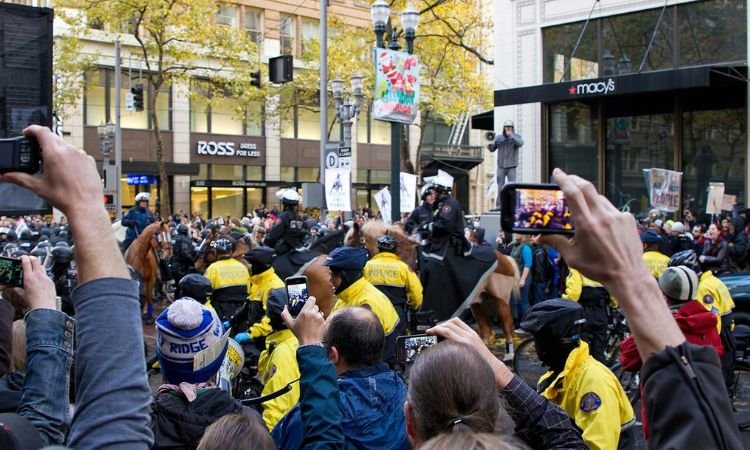
Pros of Citizen Journalism
1. Provides Real-Time Coverage of Breaking News
One of the greatest strengths of citizen journalism is its ability to deliver information almost instantly. When major events occur, people who happen to be nearby can record videos, capture photographs, or share live updates before professional reporters even arrive at the location.
Whether it’s a natural disaster, traffic accident, public demonstration, sporting event, or unexpected emergency, eyewitnesses often become the first source of information. Their immediate updates allow people around the world to learn about unfolding situations within minutes.
This speed can be especially valuable during emergencies. Families can confirm the safety of loved ones, local communities can receive warnings about dangerous situations, and authorities may even use publicly shared information to better understand developing events.
Although rapid reporting should never come at the expense of accuracy, citizen journalism has significantly reduced the time it takes for important news to reach the public.
2. Gives a Voice to Ordinary People
Traditional media organizations have limited resources and cannot cover every community, neighborhood, or local issue. Citizen journalism allows everyday individuals to highlight stories that might otherwise receive little or no attention.
Local residents often understand the unique challenges facing their communities better than outside reporters. They can report on infrastructure problems, environmental concerns, public safety issues, education, healthcare access, and cultural events that national media may overlook.
This broader participation creates a more inclusive news environment where diverse voices contribute to public conversations.
People from rural communities, minority groups, indigenous populations, and underserved regions can share their experiences directly instead of waiting for someone else to tell their stories.
As a result, citizen journalism helps create a richer and more representative picture of society.
3. Increases Transparency and Accountability
Citizen journalism has become a powerful tool for holding individuals, businesses, and governments accountable.
Modern smartphones allow people to document events that previously might have gone unnoticed. Videos of public misconduct, environmental damage, unsafe working conditions, corruption, or abuse of authority can quickly reach millions of viewers.
The knowledge that anyone may be recording encourages greater transparency in many public settings.
Citizen journalists have exposed unsafe infrastructure, illegal activities, unethical corporate behavior, and failures in public services that eventually prompted official investigations.
While every allegation should still be verified carefully, public documentation often encourages institutions to respond more quickly and openly.
This ability to shine a light on important issues strengthens democratic participation and public oversight.
4. Covers Stories That Traditional Media May Miss
Professional news organizations must prioritize stories based on budgets, staffing, audience size, and editorial priorities.
As a result, many local events never receive coverage.
Citizen journalists help fill this gap.
Neighborhood festivals, school achievements, local charity work, community improvements, environmental projects, small business success stories, and regional concerns often receive detailed attention from local residents.
These reports preserve important community history while helping residents stay informed about events that directly affect their daily lives.
The result is broader news coverage that reflects both national headlines and grassroots experiences.
5. Encourages Civic Engagement
Citizen journalism encourages people to become active participants in their communities instead of passive consumers of information.
When individuals investigate local issues, attend council meetings, interview residents, or report on neighborhood developments, they often become more engaged in public affairs.
This participation promotes stronger communities by increasing awareness of local challenges and encouraging constructive discussions.
People who regularly contribute news often inspire others to volunteer, attend public meetings, support community projects, or participate in civic initiatives.
An informed and engaged population generally contributes to healthier democratic societies where public decisions receive greater scrutiny and discussion.
6. Offers Diverse Perspectives on Events
One of the defining strengths of citizen journalism is the variety of perspectives it brings to news coverage. Traditional media outlets often follow specific editorial guidelines and focus on stories that appeal to their target audience. While this approach helps maintain consistency, it may unintentionally leave out viewpoints from certain communities or individuals.
Citizen journalists come from different backgrounds, professions, cultures, and regions. Their experiences influence how they observe and report events, resulting in a wider range of opinions and insights. A local business owner, teacher, healthcare worker, student, or environmental activist may each provide unique information that professional journalists might not have considered.
For example, during a community development project, local residents may notice environmental concerns, accessibility issues, or neighborhood impacts that are not immediately visible to outside reporters. Their firsthand experiences add valuable context to the story.
Having multiple perspectives also encourages readers to think critically rather than accepting a single narrative. When audiences compare different accounts of the same event, they gain a deeper understanding of complex situations and are better equipped to form their own opinions.
While differing viewpoints should always be evaluated carefully, the diversity created by citizen journalism contributes to a richer and more comprehensive public discussion.
7. Supports Professional Journalism
Contrary to popular belief, citizen journalism and professional journalism are not necessarily competitors. In many cases, they complement one another.
Professional news organizations frequently use citizen-generated content as the starting point for larger investigations. A social media post, eyewitness video, or community blog may alert journalists to an important issue that deserves further investigation.
After discovering a potential story, professional reporters can conduct interviews, verify facts, examine official records, and provide additional context before publishing a comprehensive report.
This collaboration allows news organizations to identify stories more quickly while maintaining professional standards of accuracy and ethics.
Citizen journalism also helps journalists access locations or situations that would otherwise be difficult to reach. During natural disasters, political unrest, or unexpected emergencies, eyewitness footage often provides critical information until professional reporters arrive.
Rather than replacing experienced journalists, responsible citizen journalism often strengthens the overall news ecosystem by expanding the number of available sources and uncovering stories that might otherwise remain hidden.
8. Makes News Production More Accessible
Producing news no longer requires expensive broadcasting equipment or a large newsroom. Modern technology has significantly lowered the barriers to sharing information.
Today, a smartphone equipped with a camera, internet access, and basic editing tools allows almost anyone to create high-quality content. Free blogging platforms, video-sharing websites, and social media applications enable individuals to publish stories without major financial investment.
This accessibility encourages more people to participate in public conversations.
Students can report campus events, travelers can document important incidents abroad, local organizations can highlight community achievements, and residents can inform neighbors about developments affecting their area.
As technology continues to improve, the ability to produce informative content becomes available to an even broader audience.
The democratization of news production empowers individuals who previously had limited opportunities to share their voices with the wider public.
9. Helps Preserve Historical Moments
Many of the world’s most significant events have been documented by ordinary people rather than professional journalists.
Historical moments often unfold unexpectedly. During these situations, citizens are frequently the first people present with cameras capable of recording events in real time.
Photographs, videos, personal accounts, and livestreams created by citizen journalists become valuable historical records. They capture authentic reactions, environmental conditions, and emotional moments that official reports alone cannot fully convey.
These records contribute to documentaries, academic research, historical archives, and future news reporting.
Even local events can become historically important over time. Community celebrations, cultural traditions, environmental changes, infrastructure projects, and neighborhood developments create valuable records that help future generations understand the past.
Citizen journalism therefore serves not only today’s audience but also tomorrow’s historians.
10. Encourages Media Literacy and Critical Thinking
Participating in citizen journalism often encourages people to develop stronger research and communication skills.
Individuals who regularly gather information learn the importance of verifying facts, identifying reliable sources, conducting interviews, and presenting information clearly.
Readers also benefit.
Because information now comes from both professional media and ordinary individuals, audiences increasingly learn to evaluate credibility, compare multiple sources, recognize bias, and distinguish between verified reporting and unsupported claims.
These critical thinking skills are valuable beyond journalism. They help people make informed decisions in education, business, politics, healthcare, and everyday life.
As more individuals understand how news is created and distributed, society becomes better equipped to identify misinformation and appreciate responsible reporting.
Cons of Citizen Journalism
1. Greater Risk of Misinformation
Perhaps the most significant criticism of citizen journalism is the potential spread of inaccurate information.
Unlike professional news organizations, most citizen journalists do not have dedicated editors, fact-checkers, or legal teams reviewing their work before publication.
As a result, mistakes can spread rapidly.
Eyewitnesses may misunderstand what they observe, repeat rumors, misidentify individuals, or share incomplete information without realizing its consequences.
Social media algorithms often amplify sensational content, allowing false reports to reach millions of people before corrections become available.
Once misinformation spreads widely, correcting public perception becomes extremely difficult.
False information can create unnecessary panic, damage reputations, influence public opinion, or interfere with emergency response efforts.
For this reason, readers should always verify important claims using multiple reliable sources rather than relying solely on unverified citizen reports.
2. Lack of Professional Training
Professional journalists typically receive education and training in reporting techniques, interviewing, media law, ethics, investigative methods, and fact verification.
Most citizen journalists do not.
While enthusiasm and firsthand experience are valuable, they cannot always replace professional reporting skills.
Without proper training, individuals may unintentionally present biased information, ask leading questions during interviews, overlook important evidence, or misunderstand complex situations.
They may also struggle to separate factual reporting from personal opinion.
In some cases, citizen journalists unintentionally publish incomplete stories simply because they lack experience investigating multiple sides of an issue.
Professional journalism emphasizes balance, fairness, and verification—skills developed through years of practice.
Citizen journalism can certainly produce excellent reporting, but inconsistent training means the quality varies significantly from one individual to another.
3. Limited Fact-Checking Before Publication
Speed is one of citizen journalism’s greatest strengths, but it can also become one of its greatest weaknesses.
Many citizen journalists prioritize publishing information immediately rather than verifying every detail first.
During breaking news events, eyewitnesses often report what they believe they have seen while important facts are still emerging.
Names, locations, timelines, casualty figures, and causes may later prove inaccurate.
Professional news organizations usually confirm information through multiple independent sources before publication whenever possible.
Citizen journalists may not have access to official records, expert interviews, or verification procedures.
Consequently, audiences must recognize that early reports should often be considered preliminary rather than definitive.
Waiting for additional confirmation is especially important when information could affect public safety or someone’s reputation.
4. Potential Bias and Personal Opinions
Every individual has personal beliefs, experiences, and opinions that shape how they interpret events.
Citizen journalism is no exception.
Unlike established media organizations that often follow editorial standards requiring balanced reporting, many citizen journalists openly present issues from a personal perspective.
While opinion-based reporting is not inherently wrong, problems arise when opinions are presented as objective facts.
Selective editing, emotional language, omitted context, and one-sided storytelling can influence how audiences perceive events.
Readers may unknowingly receive an incomplete picture of a complex situation.
Confirmation bias also plays a role.
People often share content that supports their existing beliefs while ignoring information that challenges them.
This tendency contributes to polarization and makes constructive public discussion more difficult.
Responsible citizen journalists should clearly distinguish between factual reporting, personal analysis, and opinion.
5. Ethical and Privacy Concerns
Citizen journalists sometimes record people during emotional or vulnerable moments without obtaining consent.
Accident victims, grieving families, injured individuals, children, and private citizens may suddenly find themselves featured in widely shared videos or photographs.
Unlike professional journalists, who generally follow ethical guidelines regarding privacy and sensitivity, citizen reporters may not fully understand the consequences of publishing certain content.
Sharing graphic images, revealing personal information, or identifying vulnerable individuals can cause emotional distress and long-term harm.
Privacy concerns also extend to social media.
Videos recorded in public places may unintentionally expose bystanders who had no involvement in the event being reported.
Balancing the public’s right to know with an individual’s right to privacy remains one of the most challenging aspects of citizen journalism.
Responsible reporting requires careful consideration of both legal responsibilities and ethical principles before publishing sensitive material.
6. Can Be Manipulated for Personal or Political Agendas
One of the major challenges associated with citizen journalism is that it can be used to promote personal interests rather than present objective information. Unlike established media organizations, which often have editorial checks and professional standards, citizen journalists typically publish content independently. While this independence offers freedom of expression, it also creates opportunities for misuse.
Some individuals intentionally share misleading or selective information to support political beliefs, promote a business, damage a competitor’s reputation, or influence public opinion. By presenting only one side of a story or omitting important context, they can shape how audiences perceive an issue.
Social media algorithms can further amplify this problem. Content that generates strong emotional reactions often receives more visibility, regardless of whether it is balanced or accurate. As a result, emotionally charged or biased reports may spread much faster than carefully verified information.
Readers should always remain aware that not every citizen-generated report is neutral. Comparing multiple perspectives and verifying facts through trustworthy sources helps reduce the influence of intentionally biased content.
7. May Create Legal Problems
Citizen journalists often report on events without fully understanding the legal responsibilities involved in publishing information. This lack of awareness can lead to serious legal consequences.
For example, publishing false accusations about an individual or organization may result in defamation claims. Sharing copyrighted photos, videos, or written material without permission can violate intellectual property laws. Recording people in locations where privacy is legally protected may also create legal disputes.
In some countries, reporting on sensitive government matters or entering restricted areas while gathering information may lead to legal action or penalties.
Professional journalists usually receive legal guidance from their employers and have access to editorial teams that review potentially risky content before publication. Citizen journalists rarely have this level of support.
Anyone interested in citizen journalism should understand the laws related to privacy, copyright, defamation, and public recording in their country before publishing news or investigative content.
8. Information Can Lack Context
A single photograph or short video clip rarely tells the entire story behind an event.
Citizen journalism often focuses on documenting what happened at a specific moment, but without additional background, audiences may misunderstand the situation.
For example, a short video showing part of a public disagreement may not explain what occurred beforehand or what happened afterward. A photograph of a crowded location may appear alarming without explaining that it was taken during a planned event or emergency response.
Professional journalists usually spend additional time gathering interviews, reviewing official statements, researching historical background, and presenting multiple viewpoints. This process helps audiences understand not only what happened but also why it happened and what the broader implications might be.
Citizen-generated content is most valuable when accompanied by accurate explanations, reliable context, and supporting evidence.
Without sufficient context, even truthful information can unintentionally create misleading impressions.
9. Difficult to Verify the Identity and Credibility of Contributors
One of the biggest challenges in today’s digital environment is determining who is actually sharing information online.
Many citizen journalists publish anonymously or use social media profiles that reveal very little about their background or qualifications. In some cases, this anonymity protects individuals reporting from dangerous situations. However, it also makes it difficult for audiences to evaluate credibility.
Readers may not know whether the person reporting an event actually witnessed it, heard about it from someone else, or simply repeated information found online.
Images and videos can also be taken out of context, edited, or presented as recent events when they actually originated years earlier.
Without knowing the identity, experience, or reliability of the person sharing information, audiences face greater challenges in determining whether a report can be trusted.
This uncertainty highlights the importance of independent verification before accepting significant claims as factual.
10. Can Reduce Public Trust in News
The rapid growth of citizen journalism has dramatically increased the amount of information available online. While greater access to information offers many benefits, it has also made it more difficult for audiences to distinguish reliable reporting from inaccurate or misleading content.
When people repeatedly encounter false reports, manipulated videos, or misleading headlines shared by unofficial sources, they may begin losing confidence not only in citizen journalism but also in the broader news industry.
This growing skepticism can have serious consequences.
Individuals may become uncertain about which sources deserve trust, ignore important public information, or believe that all news is equally unreliable.
Healthy societies depend on informed citizens who have access to credible information. Maintaining public trust requires both professional journalists and citizen journalists to value accuracy, transparency, fairness, and accountability.
Responsible reporting helps strengthen confidence in public information, while careless reporting can weaken it.
Conclusion
Citizen journalism has fundamentally changed the way information is collected, shared, and consumed. Thanks to smartphones, social media platforms, and widespread internet access, ordinary people can now report events as they happen, document important issues within their communities, and contribute directly to public conversations. This transformation has expanded access to information and created opportunities for voices that were once rarely heard in mainstream media.
The advantages of citizen journalism are significant. It delivers breaking news quickly, increases public participation, highlights overlooked stories, promotes transparency, supports professional journalism, preserves important historical moments, and encourages greater civic engagement. It has empowered millions of people to become active participants in documenting the world around them rather than simply observing it.
At the same time, citizen journalism presents important challenges that cannot be ignored. The absence of professional editorial oversight increases the risk of misinformation, biased reporting, ethical mistakes, privacy violations, legal issues, and incomplete coverage. Fast reporting, while valuable, does not always guarantee accurate reporting. As digital content spreads more rapidly than ever before, verifying information has become an essential responsibility for both content creators and audiences.
Rather than viewing citizen journalism and professional journalism as opposing forces, it is more accurate to see them as complementary parts of the modern media landscape. Citizen journalists often provide the first glimpse of breaking events and local stories, while professional journalists contribute deeper investigation, fact-checking, legal oversight, and broader context. Together, they can create a more informed and connected society when both prioritize truth, fairness, and responsible reporting.
For readers, the key takeaway is to approach all information with a thoughtful and critical mindset. Comparing multiple sources, checking facts, considering context, and recognizing potential bias are essential habits in today’s fast-moving digital world. For aspiring citizen journalists, accuracy, honesty, respect for privacy, and ethical decision-making should always come before speed or popularity.
As technology continues to evolve, citizen journalism will likely play an even greater role in shaping public discourse. Its future success will depend not only on the tools people use to report the news but also on their commitment to responsible communication. When practiced with integrity and supported by informed audiences, citizen journalism can strengthen transparency, encourage community involvement, and contribute meaningfully to a more open and informed society.