
Some people are naturally guarded. They think before they speak, hold emotions close, and reveal their inner world slowly and carefully. Others are the opposite. Their feelings are visible almost immediately. When they care, it shows. When they are hurt, it shows. When they are excited, disappointed, attached, hopeful, or afraid, the people around them usually do not have to guess. This is what people often mean when they say someone “wears their heart on their sleeve.”
It is a phrase that sounds warm and admirable, and in many cases it is. A person who wears their heart on their sleeve is often seen as sincere, emotionally honest, compassionate, and easy to read. They may form deep connections, communicate openly, and move through life with a refreshing lack of emotional games. In a world where many people hide behind distance, image, or caution, emotional openness can feel rare and valuable. It can make relationships more human, more direct, and more meaningful.
At the same time, this quality can come with real costs. When feelings are visible and easily accessible, vulnerability also increases. Emotionally open people may be misunderstood, taken advantage of, judged as too sensitive, or wounded more easily by rejection and disappointment. In some environments, especially competitive, manipulative, or emotionally cold ones, wearing your heart on your sleeve can feel less like a strength and more like an exposure.
That is why this trait deserves a balanced discussion. It is not simply good or bad. It can make a person deeply lovable, trustworthy, and emotionally alive. It can also leave them exhausted, hurt, or too dependent on emotional validation. Much depends on maturity, boundaries, self-awareness, and the kind of people they allow into their lives.
In this article, we will look closely at both sides of this emotional style. We will explore 10 pros and 10 cons of wearing your heart on your sleeve, examining what it means in relationships, communication, self-respect, emotional resilience, and everyday life. The goal is not to tell people to become more guarded or more exposed. The goal is to understand what emotional openness gives, what it risks, and how to recognize the difference between honest vulnerability and unprotected emotional overexposure.
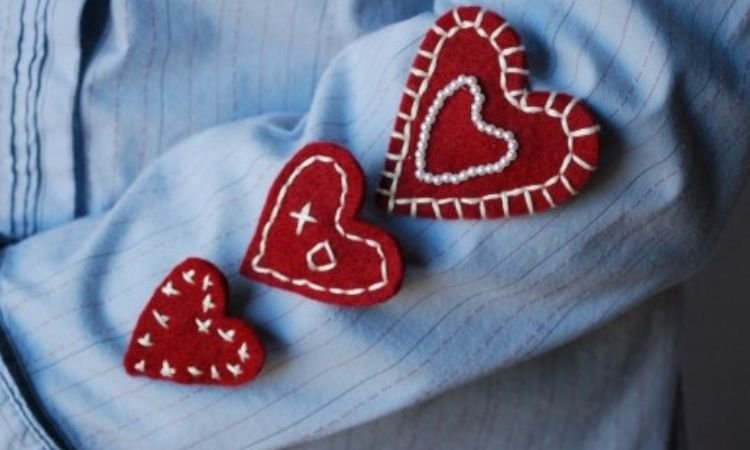
Pros Of Wearing Your Heart On Your Sleeve
1. People Know You Are Genuine
One of the biggest advantages of wearing your heart on your sleeve is that people usually experience you as genuine. They do not have to spend much time guessing what you really feel, wondering whether your kindness is real, or trying to interpret mixed signals. Your emotional honesty creates a sense of authenticity that many people find deeply refreshing. In a world where so many interactions are filtered, strategic, or emotionally guarded, sincerity stands out.
This quality builds trust quickly. When people feel that what they see is what they get, they often relax around you. They are more likely to believe your affection, your concern, your excitement, and even your disappointment because it does not feel staged. You are not hiding behind layers of calculation. You are emotionally present, and that presence makes you easier to believe.
Being seen as genuine also affects the kind of relationships you attract. Many people are tired of emotional games, vague communication, and carefully managed distance. Someone who shows real feeling can feel safer and more human by comparison. Your openness signals that you are not trying to manipulate the emotional atmosphere. You are simply being honest about what is happening inside you.
Of course, sincerity alone does not guarantee wisdom. A person can be genuine and still need stronger boundaries. But authenticity is still a major strength. When you wear your heart on your sleeve, people often know that even if you are imperfect, you are real. That kind of emotional truthfulness creates a depth of trust that more guarded personalities sometimes struggle to achieve.
2. It Helps Build Deep Emotional Connections
People who wear their heart on their sleeve often form deep emotional connections because they do not hold back the parts of themselves that create intimacy. Real connection usually requires more than polite conversation or surface-level compatibility. It requires emotional visibility. It grows when people feel safe enough to care openly, respond honestly, and let others see what matters to them. Emotional openness helps create that atmosphere.
When you are willing to show affection, care, disappointment, hope, or tenderness openly, relationships often move beyond superficiality faster. Others are given an invitation to meet you at a deeper level. Instead of staying in a space of uncertainty or emotional caution, you help create conditions where something more meaningful can develop. This can be especially powerful in friendships, romantic relationships, and family bonds.
Wearing your heart on your sleeve can also make people feel emotionally chosen. They do not have to wonder whether you care. They can feel it. That creates reassurance and emotional warmth, which strengthens closeness over time. Many people do not need perfection in relationships as much as they need emotional sincerity, and emotionally open individuals often provide that in abundance.
The depth of connection that comes from this openness can be one of life’s greatest rewards. It allows love, friendship, and loyalty to feel more vivid and alive. While emotional openness does increase vulnerability, it also increases the chance of experiencing truly meaningful relationships rather than ones built on guarded distance. That possibility is one of its greatest strengths.
3. You Communicate Your Feelings Clearly
Another major strength of wearing your heart on your sleeve is that it often makes emotional communication much clearer. People do not have to guess how you feel or decode a maze of indirect signals. When you are hurt, grateful, happy, worried, or invested, that truth tends to come across. In relationships, this kind of clarity can prevent confusion, misunderstandings, and emotional misalignment.
Clear emotional communication is especially valuable because many problems between people are not caused by lack of care, but by lack of expression. One person feels deeply but says little. The other person assumes indifference. Or one person is upset but acts cold instead of honest, and the issue becomes bigger because no one says what is actually going on. Wearing your heart on your sleeve often reduces this kind of emotional fog.
This does not mean emotionally open people always communicate perfectly. Sometimes strong feelings can come out too quickly or too intensely. But overall, there is a significant advantage in being someone whose emotional position is visible. People usually know when they matter to you. They usually know when something has affected you. And that knowledge can help relationships stay more honest.
Clear expression also saves time and emotional energy. It reduces the need for constant second-guessing. In healthy relationships, this kind of openness can create a sense of relief because neither person has to live in uncertainty about the emotional reality between them. That directness may not always feel comfortable, but it often makes relationships more truthful and easier to navigate.
4. Others Often Feel Safe Opening Up To You
People who wear their heart on their sleeve often make others feel safe enough to open up. Emotional honesty tends to be contagious. When one person is clearly sincere, emotionally available, and unafraid to show feeling, it can lower the emotional defenses of the people around them. That is because openness creates emotional permission. It tells others that they do not have to be perfectly guarded or composed in order to be accepted.
This is a powerful social and relational strength. Many people carry pain, fear, tenderness, or insecurity that they rarely show because they are afraid of being judged or ignored. When they encounter someone who is comfortable being emotionally real, they often feel less pressure to hide. The relationship becomes more human, more vulnerable, and more authentic.
As a result, emotionally open people are often the ones others come to when they need to talk honestly. They may become trusted friends, emotionally important partners, or deeply valued family members because they create a space where pretense feels unnecessary. Their emotional visibility signals empathy, even before they say much.
This ability to make others feel safe can strengthen all kinds of relationships. It can deepen friendships, improve romantic intimacy, and make even casual human interactions feel warmer and more sincere. Not everyone who wears their heart on their sleeve intends to become an emotional refuge for others, but that often happens naturally. Their openness tells people, without saying it directly, that feelings are allowed here. That is a rare and valuable gift in a world where many people feel emotionally unseen.
5. You Experience Joy More Fully
Wearing your heart on your sleeve does not only make painful emotions more visible. It often makes joyful emotions more vivid too. People who are emotionally open tend to express excitement, affection, gratitude, admiration, and love in a way that is easy to feel. They often experience positive emotions with a kind of immediacy that more guarded people sometimes struggle to access or show. That emotional aliveness can make life feel fuller.
This matters because emotional openness is not just about vulnerability to pain. It is also about availability to beauty, connection, and delight. Someone who lets themselves care openly often laughs more freely, loves more visibly, celebrates more sincerely, and responds more intensely to moments of meaning. Their feelings are not locked away behind composure. They are alive in the moment.
That emotional richness can improve both personal well-being and relationships. Others feel appreciated more deeply because your affection is not hidden. Good moments feel more memorable because you let yourself fully enter them. Life may not be simpler, but it often feels more emotionally real. There is less numbness and less distance between you and your own experience.
Of course, emotional intensity cuts both ways. The same openness that magnifies joy can also magnify hurt. But that does not cancel the value of the joy itself. A life lived emotionally close to the surface can feel more vivid than one lived behind constant restraint. In that sense, wearing your heart on your sleeve can allow you to experience happiness not as something muted or abstract, but as something immediate and deeply felt.
6. It Can Strengthen Romantic Honesty
In romantic relationships, wearing your heart on your sleeve can be a major advantage because it reduces emotional ambiguity. Many romantic problems begin in uncertainty. One person is invested but does not say it. Another person feels hurt but pretends not to care. Someone wants closeness but acts distant out of fear. Emotional openness can cut through much of this confusion. When your feelings are visible, the relationship often becomes more honest from the beginning.
This honesty can create stronger emotional security between partners. When someone knows you care because you actually show it, they are less likely to feel emotionally lost. Affection is not hidden behind coolness. Concern is not disguised as indifference. Love does not have to be guessed at. That kind of clarity can make a relationship feel more grounded and reassuring.
Wearing your heart on your sleeve can also strengthen intimacy because it makes emotional exchange more immediate. You are not waiting endlessly for the perfect moment to say what matters. You express care, appreciation, hurt, and need in ways that allow the relationship to grow through truth rather than assumption. This can create stronger bonds than relationships built on emotional withholding.
Of course, romantic openness works best when paired with discernment. Not everyone deserves immediate access to your deepest emotions. But within a healthy relationship, emotional visibility is often a blessing. It creates honesty, reduces unnecessary games, and helps both people understand where they truly stand. In love, that kind of truth is often one of the most valuable things a person can offer.
7. It Encourages Emotional Courage
Wearing your heart on your sleeve may look like sensitivity, but in many cases it is also a form of courage. It takes courage to let people see that you care. It takes courage to be visibly affected, to love openly, to express hope without guarantees, and to remain emotionally sincere in a world that often rewards detachment. Emotional openness is not always weakness. Sometimes it is strength that refuses to hide behind emotional armor.
This kind of courage matters because many people protect themselves by becoming emotionally unreadable. They avoid embarrassment, rejection, and disappointment by revealing very little. That strategy can feel safer, but it also limits closeness and truth. A person who wears their heart on their sleeve chooses a different path. They accept the risk of being seen in exchange for the possibility of deeper human connection.
Emotional courage also shapes self-respect. When you allow yourself to care openly, you stop treating your emotions like something shameful that must always be disguised. You begin to live more honestly. That does not mean every emotion should be displayed without reflection, but it does mean you are not constantly shrinking your emotional reality to appear invulnerable.
This courage can influence others too. When people see someone being emotionally honest without apology, it can challenge the belief that emotional restraint is always more mature or more powerful. Sometimes the bravest person in the room is not the one who feels nothing. It is the one who feels deeply and remains genuine anyway. That is one of the hidden strengths of wearing your heart on your sleeve.
8. You Are Less Likely To Play Emotional Games
A significant advantage of wearing your heart on your sleeve is that you are usually less inclined to play emotional games. People who are emotionally open often say what they mean, show what they feel, and respond in ways that are easier to understand. They are less likely to use silence as strategy, affection as manipulation, or distance as a test. That kind of straightforwardness can make relationships healthier and less exhausting.
Emotional games often come from fear, control, or insecurity. Someone feels deeply but hides it in order to keep power. Someone wants reassurance but creates confusion to get it indirectly. Someone avoids vulnerability by making the other person guess. This behavior can create tension, mistrust, and unnecessary pain. A person who wears their heart on their sleeve may still be imperfect, but they are often much less invested in these manipulative patterns.
This honesty can be refreshing for the people around you. Friends, partners, and family members usually do not have to spend as much time interpreting mixed messages or wondering whether your behavior is hiding another motive. That reduces emotional fatigue and creates more direct relationships.
Being less game-playing also means you are more likely to face emotional reality as it is. If you care, you care. If you are hurt, you show it. If something matters, you do not pretend it does not. That level of straightforwardness may not always protect you, but it often protects the relationship from confusion. In a world where emotional manipulation is common, genuine emotional directness is a quiet but powerful strength.
9. It Helps You Live More Authentically
Wearing your heart on your sleeve often supports a more authentic way of living. When your emotions are not constantly hidden, edited, or reshaped to fit an image, you are more likely to live in alignment with who you actually are. There is less separation between your inner world and the self you present to others. That congruence can create a strong sense of personal honesty.
Authentic living matters because emotional suppression takes energy. Constantly filtering what you feel, pretending not to care, or rehearsing emotional distance can make life feel disconnected. A person who wears their heart on their sleeve often avoids some of that inner splitting. They may feel more exposed, but they also feel more real. Their outer life more closely reflects their emotional truth.
This kind of authenticity can create peace within the self. Even when life is difficult, there is less tension caused by hiding. You are not always asking, “How do I appear?” Instead, you are more likely to ask, “What is true?” That shift can make your relationships, choices, and personal identity feel more grounded and less performative.
Authenticity also tends to attract the right kinds of connections. People who appreciate honesty are more likely to stay, while people who depend on emotional vagueness may drift away. Over time, this can create a life that feels more emotionally aligned, even if it is sometimes harder in the short term. That is one of the strongest long-term advantages of emotional openness: it helps you live in a way that feels true to yourself rather than emotionally manufactured.
10. You Make Love, Care, and Loyalty Easy To Feel
Perhaps the greatest strength of wearing your heart on your sleeve is that the people you love usually know it. Your care is not hidden. Your loyalty is not vague. Your affection is not buried under distance, pride, or emotional caution. The people who matter to you often feel that they matter because you make it visible through words, expression, and emotional presence.
This is incredibly valuable in close relationships. Many people grow up or move through adulthood unsure of where they stand with others. They may rarely hear appreciation, rarely see affection, and often feel emotionally uncertain even inside important relationships. A person who wears their heart on their sleeve can be the opposite of that experience. They bring emotional clarity and warmth into the lives of others.
Being easy to feel can make your relationships memorable and emotionally nourishing. Friends remember that you cared. Partners feel loved more directly. Family members often feel emotionally seen rather than merely tolerated. Your openness may not always protect you from pain, but it often gives the people around you something deeply meaningful: evidence of love while they still have access to it.
This matters because one of the great regrets in life is feeling too much too late and expressing too little too often. People who wear their heart on their sleeve rarely leave others wondering whether they were loved. That kind of emotional generosity can be one of the most beautiful traits a person carries. It may expose the heart, but it also gives the heart a chance to fully reach others.
Cons Of Wearing Your Heart On Your Sleeve
1. You Can Be Hurt More Easily
The most obvious downside of wearing your heart on your sleeve is that you can be hurt more easily. When your emotions are visible and active near the surface, the world tends to affect you more directly. Rejection, disappointment, indifference, harsh words, mixed signals, and broken trust often land with greater force because there is less emotional distance between the experience and your heart.
This does not mean emotionally open people are weak. It means they are often more exposed. A guarded person may still feel pain, but they are more likely to hide it, delay it, or protect themselves through emotional restraint. Someone who wears their heart on their sleeve tends to experience the wound more immediately. They feel what they feel without much insulation.
This can become exhausting over time, especially in relationships where the other person is inconsistent or careless. An emotionally open person may keep hoping, keep caring, and keep showing tenderness even when the environment is not safe enough to deserve it. That makes hurt more frequent and sometimes more intense than it would be for someone with stronger emotional walls.
The danger is not emotional feeling itself. The danger is openness without protection. If a person is emotionally sincere but not selective, they may give too much access to people who do not handle hearts gently. That is why this trait, beautiful as it can be, needs boundaries. Without them, the same openness that creates intimacy can also create repeated emotional injury.
2. People May Take Advantage Of Your Vulnerability
Another serious downside of wearing your heart on your sleeve is that some people may take advantage of your emotional openness. Not everyone responds to sincerity with care. Some people recognize vulnerability and see it not as something precious, but as something useful. They may manipulate, test, exploit, or emotionally drain someone who is openly invested because they know exactly where that person stands and how deeply they feel.
This can happen in friendships, romantic relationships, family systems, and even work environments. An emotionally open person may be more likely to forgive quickly, care visibly, and give others repeated chances. In the wrong hands, those qualities can be misused. Someone manipulative may withhold affection to control them, use their emotional honesty against them, or rely on their loyalty while offering very little in return.
What makes this especially painful is that emotionally open people often assume others are operating from a similar emotional place. They may project their own sincerity outward and fail to recognize hidden motives until damage has already been done. Because they lead with feeling, they sometimes notice betrayal only after they are already deeply affected by it.
This does not mean emotional openness should be replaced by suspicion. But it does mean vulnerability must be paired with discernment. A heart on your sleeve is beautiful around people with integrity. Around selfish or emotionally immature people, it can become a weakness they know exactly how to use. That risk is one of the most important realities emotionally open people must learn to navigate.
3. You May Reveal Too Much Too Soon
One common danger of wearing your heart on your sleeve is that you may reveal too much of yourself too early. Emotional openness can create fast closeness, but fast closeness is not always safe closeness. When feelings are shared before trust is established, a person may end up emotionally exposed in relationships that have not yet earned that level of access. What feels honest in the moment may later feel premature.
This is especially common in new friendships or romantic connections. An emotionally open person may feel chemistry, warmth, or emotional resonance quickly and respond by showing deep care, personal truth, or strong attachment before the relationship has had time to prove itself. The result is that the emotional investment becomes real before the foundation is solid.
Revealing too much too soon can create imbalance. One person is emotionally all-in while the other is still exploring casually. That mismatch often leads to disappointment, embarrassment, or emotional confusion. The open person may feel foolish for having shown so much so early, while the other person may feel pressured or overwhelmed.
The problem here is not honesty. It is timing. Emotional truth is valuable, but trust needs sequence. When you wear your heart on your sleeve, it can be difficult to hold back until a relationship has earned depth. This does not make you wrong for feeling deeply. It simply means that emotional openness without pacing can lead to pain that might have been avoided with a little more patience and protective wisdom.
4. Others May See You As Too Sensitive
Another downside of wearing your heart on your sleeve is that some people will interpret your openness as excessive sensitivity. Even when your emotional responses are sincere and reasonable, people who are more guarded or less emotionally literate may see you as dramatic, soft, reactive, or “too much.” This can be frustrating because what they are really reacting to is not always emotional instability, but emotional visibility.
In many environments, especially competitive or emotionally detached ones, visible feeling is often judged unfairly. A person who stays cool, unreadable, and restrained may be seen as strong, while someone who openly shows hurt or care may be seen as weaker, even when they are actually more honest and emotionally brave. This cultural bias can make emotionally open people feel misunderstood or diminished.
Being labeled too sensitive can also affect self-esteem. Over time, a person may begin to question whether their feelings are legitimate simply because others find them inconvenient or intense. They may start shrinking themselves emotionally, not because they have become wiser, but because they have grown tired of being judged for caring visibly.
The real issue is that many people are more comfortable with hidden emotion than expressed emotion. They prefer feelings to stay beneath the surface where no one has to respond to them. A person who wears their heart on their sleeve disrupts that comfort. Unfortunately, the result is often criticism instead of empathy. That social misreading can make emotional openness feel more costly than it should be.
5. You May Struggle More With Rejection
People who wear their heart on their sleeve often have a harder time with rejection because they are rarely emotionally halfway in. When they care, they usually care visibly and sincerely. That means rejection is not just the loss of an idea or a possibility. It feels like the dismissal of something real they already allowed to live openly. The emotional investment has already happened, so the impact tends to be stronger.
This can be especially painful in romance. A person who expresses feelings honestly may feel exposed when those feelings are not returned. They are not only dealing with disappointment. They are dealing with the vulnerability of having been seen caring deeply in the first place. That can make rejection feel more personal and harder to recover from.
The same pattern can apply in friendships, family dynamics, or even professional relationships. If you tend to show loyalty, eagerness, appreciation, or emotional commitment openly, it can hurt more when those feelings are ignored, minimized, or not matched. The disappointment feels sharper because your hope was not hidden. It was alive and visible.
This does not mean emotionally open people should become cold. But it does mean they often need stronger emotional recovery skills than others. Rejection is difficult for most people. For someone who wears their heart on their sleeve, it can feel especially intense because they do not protect themselves with much emotional distance beforehand. That makes resilience not optional, but necessary.
6. It Can Make You Too Dependent On Emotional Responses From Others
A hidden downside of wearing your heart on your sleeve is that it can sometimes make you overly dependent on the reactions of other people. When your emotions are expressed openly, you may begin to watch closely for how they are received. Did they appreciate it? Did they respond warmly enough? Did they care as much as you hoped? Over time, this can create a pattern in which your emotional stability becomes too tied to the responses of others.
This is especially risky in relationships where the other person is inconsistent. If your feelings are visible and strong, but their behavior is unpredictable, you may end up living in emotional reaction to them. Their warmth lifts you. Their distance hurts you. Their approval reassures you. Their silence unsettles you. Without meaning to, you may give them too much influence over your inner state.
The problem is not that emotional responsiveness matters. Of course it does. Healthy relationships involve mutual care and emotional reflection. The problem begins when your self-worth or sense of emotional safety starts depending too heavily on whether others validate what you feel. At that point, your openness is no longer just a form of honesty. It becomes a doorway through which your peace can be easily disturbed.
Emotionally open people often need to learn a difficult lesson: not every feeling needs external confirmation to be real. Without that lesson, they may end up chasing reassurance far more than they realize. That can make relationships exhausting and leave them vulnerable to emotional instability driven by other people’s inconsistency.
7. You May React Before You Reflect
Because emotions are close to the surface, people who wear their heart on their sleeve may sometimes react too quickly. Feelings become visible and expressed before they have been fully processed. This can lead to impulsive emotional responses that are honest but not always wise. In some cases, the problem is not what is felt, but when and how it is expressed.
This matters because not every emotion should lead immediately to action. Hurt may need context. Anger may need cooling. Fear may need examination. Affection may need pacing. Reflection helps people respond in a way that matches the full reality of the moment. Without enough reflection, emotional honesty can turn into emotional impulsiveness.
For example, someone may feel rejected too quickly and respond with withdrawal before clarifying what actually happened. Or they may express attachment very early and later realize they had projected meaning onto something not yet solid. Or they may show disappointment in a way that is real but poorly timed, making the situation harder instead of clearer.
The issue is not that quick feeling is wrong. In fact, immediate feeling can be part of emotional sincerity. The challenge is that raw feeling does not always equal accurate interpretation. Emotionally open people sometimes need to build more pause between feeling and response. Without that pause, they risk creating unnecessary conflict, exposing themselves too soon, or making decisions based on emotion before insight has caught up. That tension between honesty and reflection is one of the main difficulties of this trait.
8. People May Not Always Respect Your Emotional Transparency
Another painful reality is that not everyone respects emotional transparency. Some people admire honesty only in theory. In practice, when faced with someone who openly cares, openly hurts, or openly expresses emotional truth, they may become uncomfortable, dismissive, or even cruel. This is especially hard for people who wear their heart on their sleeve because they often assume openness will be met with openness.
Unfortunately, that is not always how the world works. Some people prefer emotional control, ambiguity, or distance because it gives them power. Others simply do not know how to handle sincere feeling. Instead of valuing your transparency, they may mock it, minimize it, or treat it as weakness. This can leave emotionally open people feeling exposed in the worst possible way—not only vulnerable, but also disrespected.
The problem becomes even more painful when transparency is used as evidence against you. Someone may say you are “too emotional,” “too intense,” or “too sensitive” not because your feelings are wrong, but because your honesty asks them to deal with something real. In emotionally immature relationships, your transparency may be treated as the problem instead of the dishonesty or avoidance on the other side.
This is one reason emotionally open people often need stronger standards for who gets access to them. Openness is beautiful, but it should not be wasted on people who lack the maturity to honor it. Without that selectiveness, emotional transparency can become less a bridge to connection and more a door through which disrespect keeps entering.
9. It Can Leave You Emotionally Drained
Wearing your heart on your sleeve can be emotionally exhausting because it often means you are fully engaged with every emotional current around you. You feel deeply, react sincerely, care visibly, and often remain emotionally available even when others are less thoughtful or less regulated. Over time, this can leave you drained, especially if your openness is not balanced by recovery, boundaries, and emotional self-protection.
The exhaustion comes from several directions. First, you are constantly experiencing your own emotions vividly. Second, other people may respond to your openness by bringing even more emotional weight to you. Third, the hurts and disappointments you experience may linger longer because they are not filtered through emotional distance. All of this can make daily life feel heavier than it does for someone more internally guarded.
This is especially true for emotionally open people who also tend to be empathetic. They not only feel their own emotions strongly, but absorb the energy of others as well. In relationships with conflict, neediness, or inconsistency, this can become overwhelming. They may end up carrying more emotional labor than they realize.
Without strong boundaries, emotional openness can turn into chronic depletion. A person may keep showing up with heart, tenderness, and honesty long after they are tired, simply because caring is so natural to them. That makes emotional rest essential. Otherwise, the heart that once felt alive and generous starts to feel overused and worn down by too much unfiltered contact with the world.
10. You May Need To Learn Boundaries The Hard Way
Perhaps the hardest downside of wearing your heart on your sleeve is that boundaries often have to be learned through pain. Emotionally open people frequently begin life assuming that sincerity is enough—that if they are honest, caring, and genuine, others will respond with similar integrity. Sometimes that happens. But often it does not. As a result, they are forced to learn through disappointment that a good heart is not the same as good protection.
This lesson can be painful because it usually comes after repeated emotional losses. The person cared too much for the wrong one, trusted too quickly, forgave too often, or kept showing up where they were not valued. Eventually they realize that emotional openness without boundaries invites unnecessary suffering. That realization can be sobering.
The challenge is that emotionally open people often resist boundaries at first because boundaries can feel cold, suspicious, or unlike them. They may worry that becoming more selective will make them hard, bitter, or less loving. But healthy boundaries do not kill emotional openness. They protect it. They make it possible to remain sincere without becoming self-destructive.
Still, many people do not learn this until life forces the lesson. They discover, often painfully, that not everyone deserves immediate access to their tenderness. They learn that honesty needs discernment, love needs self-respect, and openness needs structure. This hard education is one of the greatest costs of wearing your heart on your sleeve. It often produces wisdom, but that wisdom is rarely cheap.
Conclusion
Wearing your heart on your sleeve is one of the most beautiful and difficult ways to move through life. It allows a person to be genuine, loving, emotionally alive, and deeply connected to others. It can strengthen relationships, create honesty, encourage emotional courage, and make love, joy, and loyalty feel visible and real. People who live this way often bring warmth and truth into the lives of others in ways that are deeply memorable.
At the same time, emotional openness comes with undeniable risks. It can lead to hurt, overexposure, manipulation, emotional exhaustion, and painful misunderstandings. A heart that is easy to feel is also easier to wound. That does not mean emotional openness is a flaw. It means it needs wisdom. Without self-protection, even the most beautiful emotional sincerity can become a source of repeated suffering.
The key difference is not whether you should feel deeply or care openly. The real question is whether your openness is guided by maturity. A healthy person does not stop wearing their heart on their sleeve completely. They learn when to reveal, when to pause, when to trust, and when to protect what is precious. They remain emotionally real, but not emotionally reckless.
In the end, wearing your heart on your sleeve is neither purely a strength nor purely a weakness. It is a powerful emotional style. In the right hands—and with the right boundaries—it can be one of the most human and admirable qualities a person has. Without those boundaries, it can leave the heart too exposed to a world that is not always gentle. The goal, then, is not to become colder. It is to remain open without forgetting that your heart deserves care too.