
Debit cards have become an essential part of modern financial transactions, offering a convenient, secure, and easy way to make purchases, access cash, and manage finances. For millions of consumers worldwide, debit cards are a preferred method of payment for everyday expenses, as they allow for immediate access to funds and eliminate the need for carrying cash. With the introduction of features such as EMV chips, contactless payments, and mobile wallet integration, debit cards are continually evolving, making them more convenient and secure than ever.
A debit card is directly linked to an individual’s bank account, and when used, the funds for purchases or withdrawals are instantly debited from the account, ensuring that you can only spend what you already have. Unlike credit cards, which offer a line of credit that must be repaid later, debit cards do not require interest payments, which makes them a great option for those looking to avoid accumulating debt.
However, while debit cards offer numerous benefits, they also come with potential drawbacks that can affect both security and financial management. Fraud risks, overdraft fees, and lack of credit-building benefits are just some of the issues that users need to be aware of. This article will dive deep into the pros and cons of using debit cards, providing a balanced perspective to help you understand their role in personal finance management.
What is a Debit Card?
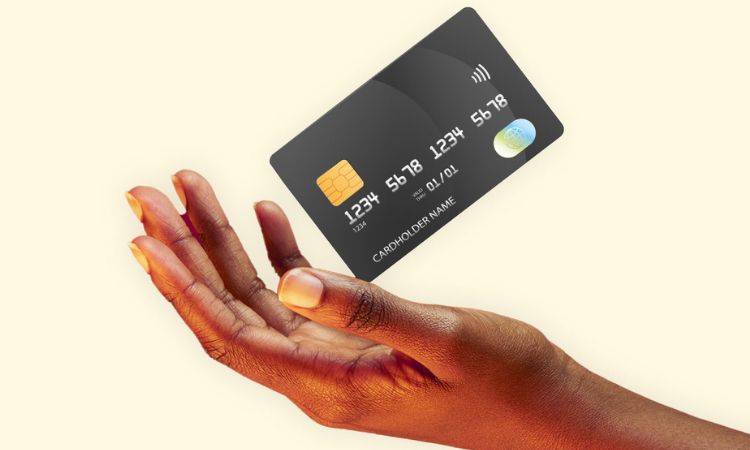
A debit card is a payment card that provides users with direct access to the funds in their bank accounts. Essentially, when a person uses a debit card, they are using their own money rather than borrowing from a credit line. This ensures that only the money currently in the linked checking or savings account is spent, offering a clear and immediate transaction without the risk of accumulating debt.
Debit cards are often issued by banks and credit unions as part of their checking account services, but can also be acquired through other financial institutions. These cards are typically accepted globally for purchases, ATM withdrawals, and even for online transactions. They come with a personal identification number (PIN) for security, as well as additional fraud protection features like EMV chips and zero liability policies that protect against unauthorized charges.
Debit cards offer an alternative to cash and credit cards, and they provide a simple, straightforward way to manage finances. However, the use of a debit card requires an understanding of both its benefits and its potential risks. Understanding how they work can help individuals make more informed decisions about how to incorporate them into their financial lives.
How Does a Debit Card Work?
When you use a debit card, the process is quick and efficient. Here’s a breakdown of how it works:
- Making a Purchase: When you make a purchase, the merchant sends a request to your bank to verify whether you have enough funds in your linked account to complete the transaction. The bank then checks your account balance and, if sufficient funds are available, authorizes the transaction. The money is instantly deducted from your bank account, and you complete the transaction.
- Using an ATM: Debit cards are often used at ATMs to withdraw cash or check account balances. When you insert your debit card, you will need to enter your PIN for security. The ATM sends a request to your bank to verify your identity and available balance. If you have sufficient funds, the transaction is approved, and you receive the requested cash.
- Online Transactions: Debit cards can be used for online shopping in much the same way as credit cards. You enter your card number, expiration date, and security code to make a purchase. Some online merchants may also request a PIN or additional authentication to ensure security.
- Security Features: Most debit cards come equipped with security features like EMV chips, two-factor authentication for online purchases, and zero liability fraud protection policies. These features ensure that even if your card is lost or stolen, your financial information remains protected.
10 Pros of Using a Debit Card
1. Instant Access to Your Funds
A significant advantage of using a debit card is the instant access it provides to the funds in your bank account. Unlike credit cards, which involve borrowing money and can lead to interest charges, a debit card allows you to spend only the money that is currently available in your checking or savings account.
This real-time processing means that when you make a purchase or withdraw cash, the transaction is completed immediately, ensuring you know exactly how much money is left in your account. This offers greater control over your finances, as it eliminates the possibility of overspending and accumulating debt.
Having instant access to funds also makes debit cards incredibly convenient for daily transactions, whether it’s at a store, an ATM, or online. The immediate deduction of funds helps you track your spending more accurately and makes budgeting simpler, as there’s no waiting period for payments to process.
2. No Interest Charges
One of the main advantages of using a debit card over a credit card is the absence of interest charges. Since you are only using the funds you already have, there is no need to repay a debt with added interest, as is the case with credit cards. This makes debit cards a more cost-effective payment method, especially for those who are looking to avoid accumulating debt.
Credit cards often carry high annual percentage rates (APR), which can result in significant interest payments if balances are carried month-to-month. With debit cards, you avoid these additional costs, ensuring that every dollar spent comes directly from your account balance.
This makes debit cards an ideal choice for individuals who want to manage their finances responsibly and avoid the pitfalls of credit card debt.
3. Lower Fees
Debit cards generally come with lower fees than credit cards. While credit cards often have annual fees, late payment fees, and cash advance fees, debit cards tend to have far fewer or no fees associated with their use. Most banks offer debit card services with no annual fee, and you can also access a range of free ATM withdrawals within the bank’s network.
The only fees that typically come with a debit card are related to overdrafts or out-of-network ATM withdrawals, but these fees are often lower than the charges associated with credit cards. For example, overdraft fees on debit cards are generally less significant than credit card penalties, and with careful management, these fees can be easily avoided.
Thus, debit cards are an affordable payment method that can help reduce the overall cost of banking and spending.
4. Convenience for Everyday Transactions
Debit cards offer unmatched convenience for making everyday purchases. Whether you are shopping at a retail store, paying for your morning coffee, or making online purchases, debit cards provide a quick, seamless way to complete transactions without the need for cash or checks.
Since debit cards are accepted at nearly every merchant and ATM worldwide, they are an excellent tool for both local and international transactions. With contactless payment options and integration with mobile wallets, such as Apple Pay or Google Pay, debit cards have become even more convenient and accessible.
Furthermore, debit cards allow for instant funds transfer, ensuring that you do not have to wait for funds to clear before completing a purchase, which is not always the case with checks or some other payment methods.
5. Secure and Safer Than Cash
Using a debit card is generally safer than carrying cash. Cash can be easily lost or stolen, whereas debit cards come with multiple layers of protection. Most banks offer zero liability policies, meaning that you are not held responsible for unauthorized transactions if your card is lost or stolen, as long as you report it promptly.
Additionally, debit cards have PINs and EMV chips to ensure that only the cardholder can use them, even in the case of theft. These security features make debit cards a safer alternative to cash, reducing the risk of fraud and making it easier to recover from potential loss or theft.
In cases of fraud, many financial institutions also offer fraud protection services that help monitor your account for unauthorized activity, providing added peace of mind.
6. Easier Budgeting and Tracking
Debit cards provide an easy way to track your spending and manage your finances. Every transaction made with a debit card is automatically recorded in your bank statements, either online or through mobile apps. This enables you to track your expenses and get a clear picture of your spending habits in real-time.
Many banks also offer budgeting tools that allow you to categorize spending, set spending limits, and monitor progress toward your financial goals. With debit cards, it’s easy to stay within your budget, as you can only spend what you have in your account, preventing overspending or accumulating unnecessary debt.
By making it easier to see where your money is going, debit cards support financial discipline and help you stick to a budget.
7. No Risk of Overdrafts (If Managed Properly)
Debit cards can offer safeguards against overdrafts if used carefully. Many financial institutions offer overdraft protection, linking your debit card to a savings account or line of credit to cover any insufficient funds. This means that if you try to make a purchase that exceeds your available balance, the system will automatically pull funds from your linked account, ensuring your transaction goes through.
Moreover, many banks provide declining transaction options, ensuring that your debit card will not go through if you do not have enough funds. This helps to avoid overdraft fees and gives you more control over your finances.
By carefully managing your debit card and monitoring your account balance, you can avoid unnecessary charges and ensure smooth, hassle-free transactions.
8. No Credit Check Required
One of the great things about debit cards is that they don’t require a credit check to obtain. This makes debit cards accessible to everyone, including those with no credit history or poor credit scores. Since debit cards are linked directly to your bank account, there’s no need for a financial institution to assess your creditworthiness.
This can be particularly helpful for individuals who might not be eligible for a credit card or are trying to avoid the risks of credit card debt. It also provides an opportunity for young adults and students to begin using a payment card without the pressures or risks associated with credit cards.
9. Widely Accepted
Debit cards are widely accepted by almost all retailers, both online and in physical stores. Whether you’re purchasing groceries, paying for gas, or shopping at a clothing store, you can use your debit card to pay for almost any transaction.
In addition, debit cards are also widely recognized in international transactions, making them an excellent choice for travelers. Most countries and regions accept cards from major networks like Visa, Mastercard, and American Express, providing global accessibility.
This universal acceptance makes debit cards a convenient option for everyday spending, regardless of your location or type of transaction.
10. Encourages Financial Responsibility
Using a debit card requires you to spend only the money available in your bank account. This direct connection to your balance helps you avoid overspending or borrowing money, which is a risk with credit cards. Debit cards encourage living within your means, as you are always aware of your available funds.
By using a debit card, you can better track your expenses, manage your finances, and avoid accumulating debt, helping you develop good financial habits. This promotes financial responsibility and discipline, as you can only spend what you have, which can improve overall financial well-being.
9 Cons of Using a Debit Card
1. Limited Fraud Protection
While debit cards do offer fraud protection, they generally do not have the same level of coverage as credit cards. If a debit card is lost or stolen, funds are immediately withdrawn from your account, and it may take time to recover the stolen money. You may also be required to provide extensive documentation or wait for a resolution.
In contrast, credit cards provide greater protection, as fraudulent charges do not affect your bank balance immediately. Credit card companies often provide better customer service for disputing fraudulent transactions, making them a safer option for larger or riskier purchases.
2. No Credit Building
One notable disadvantage of using a debit card is that it does not help you build or improve your credit score. Since debit cards are not based on a line of credit, they do not contribute to your credit history.
For individuals looking to build a strong credit score, a credit card is a better option. By responsibly using a credit card and making on-time payments, you can improve your credit rating, which is important for future financial needs, such as loans or mortgages.
3. Overdraft Fees
If you spend more than the available balance in your bank account, you may be subject to overdraft fees. These fees can add up quickly if you frequently overdraw your account, and can negatively affect your finances.
While overdraft protection is available for many debit cards, it often comes with additional fees or charges. Some banks also charge hefty fees for each transaction that exceeds your account balance, making it important to monitor your spending carefully.
4. Not Accepted Everywhere
While debit cards are widely accepted, there are still certain places or situations where they might not be accepted. Some merchants, particularly in more remote or less developed areas, may only accept cash or credit cards.
Additionally, some large-scale transactions, like hotel reservations or car rentals, may require a credit card instead of a debit card for security deposits. In these cases, credit cards are often preferred due to their ability to secure larger transactions.
5. Limited Rewards and Benefits
Compared to credit cards, debit cards generally offer fewer rewards and benefits. While some banks provide cash-back or points programs for debit card purchases, these rewards are often limited or less generous than those offered by credit cards.
Credit cards often come with more robust reward systems, such as travel points, discounts, purchase protection, and extended warranties. Therefore, if you’re someone who likes to earn rewards on everyday purchases, a credit card may be the better option.
6. Lack of Buyer Protection
Debit cards typically offer less buyer protection compared to credit cards. If you make a purchase with a debit card and the item is defective, the merchant refuses a refund, or there is a dispute, resolving the issue can be more difficult.
Credit cards, on the other hand, often provide stronger consumer protection, such as chargeback rights and extended warranties. This makes credit cards a more attractive option for larger purchases or online shopping, where buyer protection is important.
7. Risk of Insufficient Funds
If you are not careful with managing your bank account, using a debit card can lead to the risk of insufficient funds. Although overdraft protection can prevent declined transactions, some banks charge significant fees for overdrafts, and you may end up with higher-than-expected charges if you consistently overspend.
Additionally, you might face the embarrassment of having a transaction declined if your account balance is lower than expected. Monitoring your balance regularly is necessary to ensure smooth transactions and avoid these situations.
8. Less Flexibility in Emergencies
In emergency situations where immediate funds are needed, debit cards may not offer the flexibility that credit cards provide. Since debit cards are linked to your current account balance, they only allow you to spend what you already have, which can be limiting in urgent financial circumstances.
Credit cards, however, provide instant access to a line of credit, enabling you to cover unexpected expenses or emergencies that arise, even if you do not have the funds immediately available in your bank account.
9. Potential for Overspending Without Proper Management
While debit cards encourage responsible spending by only allowing access to available funds, there is still the risk of overspending if you do not regularly monitor your account balance. Unlike credit cards, which come with set limits, debit cards can result in unintended purchases if the balance is not properly tracked.
This lack of built-in spending limits means that users must be disciplined and aware of their spending habits, as there is no automatic way to limit spending outside of the available balance. Regular account monitoring is essential to avoid this pitfall.
Conclusion
Debit cards offer a convenient, secure, and cost-effective way to manage day-to-day finances. They provide instant access to funds, avoid interest charges, and are generally easier to obtain compared to credit cards. With the ability to make purchases, withdraw cash, and track spending, debit cards are a valuable financial tool for many individuals.
However, debit cards also come with their own set of disadvantages, such as limited fraud protection, no credit-building benefits, and potential for overdraft fees or insufficient funds. Additionally, their lack of rewards and buyer protection can make them less appealing for certain types of transactions.
Ultimately, whether a debit card is the right choice depends on your personal financial goals and how you manage your spending. If you prioritize budget control and cost-effectiveness, a debit card may be an excellent choice. However, if you want to build credit, earn rewards, or access more flexibility, it may be worth considering credit cards or alternative financial products.