
In the era of digital transformation, businesses are increasingly relying on their networks to connect employees, offices, and applications across vast geographical locations. Traditional Wide Area Networks (WANs), which often rely on private leased lines or MPLS (Multiprotocol Label Switching) circuits, have become increasingly inadequate due to their high costs, rigid structures, and inability to efficiently support cloud applications and remote workforces. As companies strive for greater flexibility, agility, and cost efficiency, Software-Defined WAN (SD-WAN) has emerged as a cutting-edge solution.
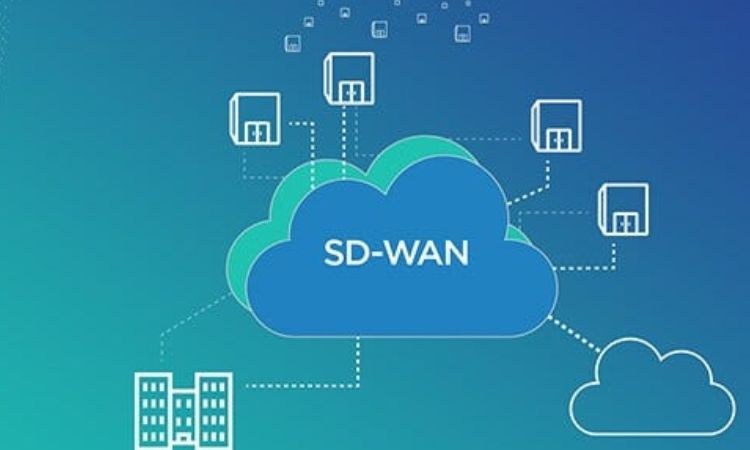
SD-WAN is a software-based approach that leverages virtualization to create a flexible and dynamic WAN by utilizing public internet and private networks in a cost-effective way. It enables businesses to securely connect branch offices, data centers, and cloud environments across a wide range of connections, including broadband, LTE, and MPLS. With its centralized management, dynamic traffic routing, and built-in security, SD-WAN provides businesses with greater control over their networks and offers enhanced performance, scalability, and cost savings.
Despite its growing popularity, SD-WAN is not without its challenges. While SD-WAN presents a more agile and cost-effective alternative to traditional WAN architectures, it also introduces complexities that businesses need to carefully assess. This article will explore the pros and cons of SD-WAN, offering detailed insights into its features, benefits, and limitations. Whether you are considering implementing SD-WAN or simply looking to understand its impact on modern enterprise networks, this article will provide the comprehensive information you need.
What is SD-WAN?
Software-Defined Wide Area Network (SD-WAN) is a networking technology designed to simplify the management and operation of a wide-area network by using software-based network virtualization. In an SD-WAN, the control plane (responsible for defining policies, security, and routing) is separated from the data plane (which handles the actual transmission of data). This separation enables centralized network management and dynamic traffic routing over multiple types of network connections, including internet broadband, 4G/5G LTE, and MPLS.
Unlike traditional WANs that rely on physical hardware devices like routers and leased lines, SD-WAN uses software to optimize network performance, bandwidth utilization, and security. This flexibility allows businesses to automate network management tasks and improve network reliability while reducing costs. The use of cloud applications and remote workforces is seamlessly integrated into SD-WAN’s architecture, making it particularly suitable for businesses that are heavily dependent on cloud technologies.
Features of SD-WAN
The main features of SD-WAN include:
- Centralized Control: SD-WAN allows for centralized management of all devices and policies across the entire WAN, providing greater control and easier troubleshooting.
- Dynamic Path Selection: SD-WAN intelligently routes traffic over the most optimal network paths, whether it’s broadband, MPLS, or LTE, ensuring efficient use of bandwidth.
- Built-in Security: SD-WAN includes end-to-end encryption, firewalls, secure tunnels, and intrusion detection to safeguard data as it traverses public and private networks.
- Cloud Optimization: SD-WAN optimizes the performance of cloud applications by enabling direct cloud access, bypassing traditional data center routing and reducing latency.
- Scalability: SD-WAN allows businesses to easily scale their network infrastructure by connecting new sites without the need for extensive hardware installation or reconfiguration.
How Does SD-WAN Work?
SD-WAN works by abstracting the physical network hardware and creating a virtualized overlay network that can dynamically direct traffic based on predefined policies and real-time network conditions. Here’s how it works:
- Centralized Controller: The SD-WAN controller is the central management point that handles the configuration and enforcement of policies. It collects data on network performance and ensures that traffic is routed efficiently based on the needs of the business.
- Edge Devices: These are the physical or virtual appliances installed at branch offices, data centers, or remote sites. They connect to the SD-WAN overlay network and enforce the policies defined by the central controller.
- Virtualized Network: SD-WAN creates a virtual network overlay that runs on top of existing internet and private connections. It abstracts the complexities of the underlying physical networks, providing businesses with greater flexibility and agility.
- Traffic Routing: Based on real-time analysis, SD-WAN automatically selects the best available path for traffic, prioritizing applications with higher bandwidth requirements or lower latency needs, such as video conferencing or VoIP.
9 Pros of Using SD-WAN
1. Cost Savings
One of the most significant benefits of SD-WAN is its ability to reduce network costs. Traditional WANs often rely on MPLS connections, which are expensive and involve significant ongoing operational costs. In contrast, SD-WAN allows businesses to leverage public internet connections (e.g., broadband, LTE, or 5G), significantly reducing the overall cost of network infrastructure.
Businesses can use lower-cost internet connections to replace or complement MPLS, reducing reliance on costly leased lines while still maintaining a secure, reliable connection. By intelligently managing traffic and using cost-effective routes, SD-WAN can optimize bandwidth and further reduce operational costs. Additionally, the flexibility to choose from a range of internet services enables organizations to select the best price-to-performance ratio for their needs.
2. Improved Network Performance and Reliability
SD-WAN enhances the performance and reliability of an organization’s network by enabling dynamic path selection and traffic optimization. SD-WAN monitors the performance of various network paths in real-time and automatically routes traffic over the best available path. This ensures that critical applications like cloud-based services and video conferencing experience minimal latency and maximum uptime.
In case one path becomes congested or fails, SD-WAN can reroute traffic to alternative paths without impacting the end user. This high availability feature ensures business continuity and is especially beneficial for remote offices or branch locations that require constant access to cloud applications and services.
By optimizing the routing of traffic based on performance metrics, SD-WAN provides a more efficient network that offers improved performance, reduced latency, and higher reliability for all users.
3. Simplified Network Management
With SD-WAN, businesses can simplify the management and operation of their networks. Unlike traditional WANs, which require manual configuration at each site, SD-WAN uses a centralized control plane to manage the entire network from a single dashboard. This centralization allows IT teams to configure, monitor, and troubleshoot the network without needing to visit each branch or remote location.
The cloud-based dashboard provides real-time visibility into network performance, making it easy for administrators to apply policies, prioritize traffic, and ensure security across the entire organization. Additionally, SD-WAN’s automation reduces the need for manual intervention, streamlining configuration and maintenance tasks and minimizing the risk of human error.
This simplified management can lead to faster deployment times, improved operational efficiency, and a reduction in IT resources dedicated to network maintenance.
4. Enhanced Security
SD-WAN includes robust security features that protect data in transit. Since SD-WAN connects to both cloud applications and remote sites, it needs to ensure that all traffic is secure. Most SD-WAN solutions come with built-in encryption (typically IPsec or SSL) to protect data as it traverses public and private networks.
In addition to encryption, SD-WAN integrates features like firewalls, intrusion detection systems (IDS), secure tunneling, and web filtering to ensure a secure network environment. SD-WAN’s ability to segment network traffic further enhances security by isolating sensitive traffic, ensuring that critical applications and data are protected from unauthorized access.
By integrating security directly into the network architecture, SD-WAN reduces the need for additional security appliances, which can be expensive and complex to manage.
5. Scalability
SD-WAN is highly scalable, allowing businesses to grow their network infrastructure as needed. Whether a company is opening new branch offices, expanding into new geographic regions, or increasing network capacity due to increased cloud usage, SD-WAN makes scaling the network quick and cost-effective.
With traditional WANs, scaling often involves significant investment in hardware, leased lines, and complex configurations. With SD-WAN, businesses can simply add new edge devices and connect them to the centralized SD-WAN controller, making expansion faster and more economical.
Additionally, SD-WAN’s support for multiple connection types (broadband, LTE, MPLS, etc.) makes it easier to scale according to location and bandwidth needs without being constrained by expensive infrastructure or legacy systems.
6. Cloud Application Optimization
As businesses increasingly move to the cloud, SD-WAN provides a seamless solution to optimize cloud application performance. Traditional WANs route all traffic back to the data center, creating significant latency for cloud-based applications and services. With SD-WAN, traffic can be directed directly to the cloud from remote offices, bypassing the data center and reducing network congestion and latency.
SD-WAN improves cloud application performance by intelligently directing traffic over the most efficient path, whether it’s through MPLS or public broadband. For applications like Office 365, AWS, or Salesforce, SD-WAN ensures faster response times and a better user experience by routing traffic directly to cloud data centers or services.
This cloud optimization is particularly important for businesses that rely on cloud-based services for their core operations, as it improves application delivery and user satisfaction.
7. Flexibility in Connectivity
SD-WAN supports multiple types of connectivity, including MPLS, broadband, LTE, 5G, and satellite connections, offering businesses the flexibility to choose the best path for their needs. Whether it’s using high-performance fiber broadband for large sites or LTE for remote locations with limited broadband options, SD-WAN can dynamically route traffic to the most efficient path based on availability, cost, and performance.
This flexibility allows businesses to optimize costs by replacing expensive MPLS circuits with affordable internet connections, without compromising on network reliability. By choosing the right combination of connectivity options, businesses can ensure that their SD-WAN infrastructure aligns with both their performance goals and budget constraints.
8. Faster Branch Deployment
SD-WAN simplifies the deployment of new branch offices and remote locations. Traditional WANs often require complex hardware installations and manual configuration at each site, which can be time-consuming and resource-intensive. With SD-WAN, businesses can use plug-and-play edge devices that can be remotely configured from the central controller.
This remote provisioning capability reduces the time it takes to bring new branches or locations online, allowing businesses to scale faster and more efficiently. Furthermore, this simplified deployment process reduces the need for on-site IT staff, making it easier for businesses to manage geographically dispersed locations.
9. Improved Visibility and Analytics
SD-WAN provides businesses with real-time visibility into their network performance. The centralized dashboard offers detailed analytics on application performance, traffic patterns, and network health, allowing IT teams to monitor the network more effectively. This data-driven approach enables businesses to identify issues proactively and optimize performance.
By gaining deeper insights into network usage and application performance, businesses can make more informed decisions regarding traffic management, security policies, and resource allocation. This level of visibility is crucial for maintaining a high-performance, secure, and cost-effective network infrastructure.
9 Cons of Using SD-WAN
1. Complexity in Initial Setup
While SD-WAN offers long-term benefits, the initial setup and configuration can be complex. Businesses with a large, existing network infrastructure may find it challenging to integrate SD-WAN with their current setup, especially if they have legacy systems or hardware in place.
The deployment process often requires careful planning, custom configurations, and, in some cases, assistance from third-party vendors or consultants. For businesses lacking in-house expertise, the learning curve associated with SD-WAN can be steep, and the initial configuration can be time-consuming and costly.
2. Potential for Vendor Lock-In
Many SD-WAN solutions are proprietary and come with specific requirements for hardware, software, and network infrastructure. This can lead to vendor lock-in, where businesses become dependent on a single vendor for updates, support, and future upgrades.
Switching vendors can be complex, costly, and time-consuming due to the need to migrate configurations, rework network policies, and replace hardware. While SD-WAN provides flexibility in terms of connection types and cloud integration, vendor lock-in can limit future flexibility and adaptability, making it important to carefully evaluate vendors before committing to a particular solution.
3. Reliance on Internet Connectivity
SD-WAN relies on internet connectivity as the primary medium for traffic routing, which means its performance is heavily dependent on the quality and reliability of the underlying internet connections. In areas with poor broadband infrastructure or unreliable internet, SD-WAN’s performance may suffer, leading to higher latency, packet loss, and potential network outages.
While SD-WAN offers path selection and the ability to reroute traffic over the best available path, unreliable internet connectivity can still limit the effectiveness of the solution in certain regions. Businesses operating in areas with unstable connections may not fully benefit from SD-WAN’s capabilities.
4. Security Challenges
While SD-WAN does integrate robust security features, the responsibility for managing security still lies with the organization. Proper configuration of firewalls, encryption, and policies is essential to ensure the network remains secure. Improperly configured SD-WAN systems can create vulnerabilities or lead to data breaches.
Moreover, businesses need to ensure that their cloud integrations and remote connections are properly secured to prevent unauthorized access or cyberattacks. As with any network technology, SD-WAN requires ongoing monitoring and management to ensure that security policies are properly enforced.
5. Limited Support for Legacy Applications
SD-WAN is optimized for cloud-based applications and modern network architectures, but it may face challenges when dealing with legacy applications. Many legacy applications are designed to operate on traditional WAN infrastructures, and SD-WAN’s cloud-centric approach might not fully support them without significant reconfiguration.
For businesses that rely heavily on legacy applications, SD-WAN’s compatibility and performance may be an issue. Integrating legacy apps with SD-WAN can require additional resources, making the migration process more complex and costly.
6. Integration with Existing Network Infrastructure
While SD-WAN is designed to be flexible, integrating it with existing network infrastructure can be challenging. Many businesses have established WAN configurations, including MPLS, VPNs, and dedicated connections that may not immediately work with SD-WAN. This may require reconfiguring existing networks, purchasing additional hardware, or even redesigning the entire network infrastructure.
Businesses with a complex network or a combination of legacy and modern systems may find this integration difficult and require external expertise to manage the transition.
7. Ongoing Maintenance and Monitoring
Despite SD-WAN’s promise of simplified network management, businesses still need to monitor and maintain the network on an ongoing basis. Real-time performance monitoring, security management, and troubleshooting require dedicated resources and staff.
Although SD-WAN solutions offer analytics dashboards to simplify monitoring, businesses still need to interpret data, implement policy changes, and adjust configurations to ensure the network is performing optimally. This ongoing maintenance can be resource-intensive for smaller teams with limited IT staff.
8. Hidden Costs
While SD-WAN can reduce network costs by replacing MPLS with cheaper internet connections, it may still come with hidden costs that businesses need to consider. For example, SD-WAN solutions may require additional software licenses, hardware upgrades, or consulting fees to fully implement.
These costs can add up, particularly during the initial deployment phase. Businesses should carefully evaluate the total cost of ownership (TCO) before moving forward with SD-WAN to avoid unexpected expenses.
9. Vendor Support Variability
SD-WAN vendors vary in terms of the level and quality of customer support they offer. Some providers may offer excellent support, including 24/7 technical assistance, training resources, and comprehensive service level agreements (SLAs). However, other vendors may offer limited support, particularly for smaller organizations.
This variability in support services can be problematic for businesses that lack in-house expertise to troubleshoot issues or address performance challenges. It’s essential to consider the support options and service guarantees before selecting an SD-WAN vendor.
Conclusion
SD-WAN offers a revolutionary approach to network management, providing organizations with greater flexibility, cost savings, and performance optimization. By leveraging cloud technologies, multi-path connectivity, and centralized management, SD-WAN can modernize a company’s WAN infrastructure, making it more agile, secure, and efficient. However, businesses must also weigh the challenges associated with integration, security management, and ongoing maintenance.
Before adopting SD-WAN, businesses should carefully evaluate their network needs, existing infrastructure, and available resources. With the right approach, SD-WAN can transform how businesses manage their networks, helping them stay competitive in an increasingly digital world.