
In the fast-paced world of modern business, companies require streamlined solutions to manage their various operations. Enterprise Resource Planning (ERP) systems have become crucial for achieving efficient business processes and improved decision-making. Odoo is one of the most versatile and popular ERP solutions available today, offering an open-source, highly modular platform to support organizations in managing a variety of functions—from finance and sales to inventory and human resources.
Launched in 2005 by Fabien Pinckaers, Odoo was initially developed as OpenERP, with a focus on providing small and medium-sized businesses (SMBs) with an affordable and customizable ERP system. Since then, it has grown into a global player in the ERP market, providing businesses of all sizes with a broad array of tools to improve business operations, automate workflows, and boost overall efficiency.
Odoo is designed with a modular structure that enables businesses to select and implement only the features they need, without the complexity or high costs of many traditional ERP systems. This flexibility makes it particularly attractive to growing companies. However, despite its many advantages, Odoo is not without its drawbacks. The solution has some limitations in terms of ease of use, customization challenges, and potential costs.
In this comprehensive guide, we will explore the pros and cons of Odoo, delving into the software’s pricing structure, key features, and its benefits and potential downsides. By the end of this article, you’ll have a complete understanding of whether Odoo is the right ERP solution for your business needs.
What Is Odoo?
Odoo is an open-source, fully integrated ERP software suite that provides a set of tools to help businesses manage their various functions, such as accounting, project management, sales, inventory, human resources, and more. The platform is built around a modular structure, with over 30 built-in applications that are designed to work seamlessly with one another. Whether you are a small business or a large enterprise, Odoo offers a flexible solution that can be scaled and customized to fit your requirements.
Unlike traditional ERP solutions that can be complex and expensive, Odoo is a cost-effective alternative that is highly customizable and user-friendly. The software’s modular approach allows businesses to choose only the modules they need at any given time, ensuring that the platform remains scalable and adaptable. Odoo is available both as a cloud-based (Odoo Online) and on-premise (Odoo Community and Enterprise) solution, giving businesses the flexibility to deploy it in a way that best suits their needs.
Odoo’s open-source model makes it unique in the ERP space. It provides businesses with the flexibility to modify the software, allowing them to align it with specific business processes. With a growing number of users worldwide, Odoo has become one of the leading ERP solutions, trusted by thousands of companies across various industries.
How Does Odoo Work?
Odoo works by integrating multiple business functions into a single platform. It allows organizations to manage critical aspects of their operations from one central location, improving data sharing and overall efficiency. The system operates on a modular approach, where businesses can choose and implement only the specific applications or modules they need at any given time.
For example, a business may start by implementing Odoo’s CRM (Customer Relationship Management) module to manage leads and customer interactions. As the business grows, it may decide to add Odoo’s Sales, Accounting, and Inventory modules to streamline sales, accounting processes, and inventory management. Each module is tightly integrated with the others, ensuring that data flows seamlessly across the system and that departments can easily collaborate.
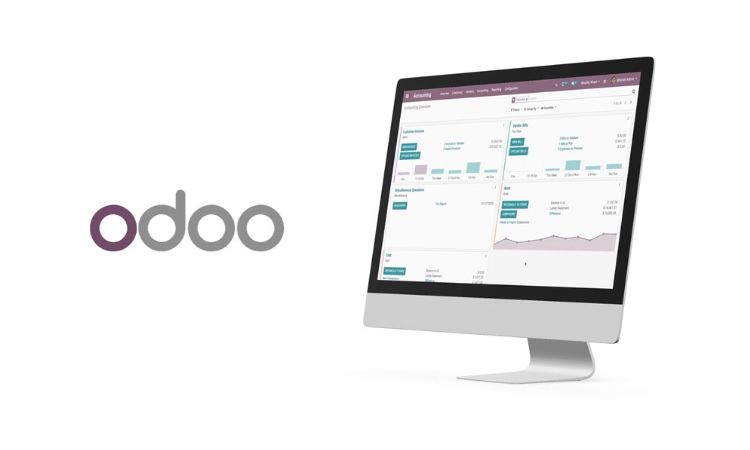
Odoo’s user interface is designed to be intuitive, with a clean and modern layout. Users can navigate through the various modules and features easily. It also supports integration with third-party applications, allowing businesses to connect Odoo with their existing tools, such as payment gateways, email marketing systems, or shipping platforms. The system’s flexibility and scalability make it suitable for businesses of all sizes, from startups to large corporations.
How Much Does Odoo Cost?
Odoo’s pricing structure is designed to be flexible and scalable, with different plans available to suit businesses of all sizes. The cost varies depending on the version of Odoo you choose (Community, Enterprise, or Cloud) and the number of users and modules you need.
- Odoo Community (Free Version):
- Odoo’s Community edition is open-source and completely free to use. This version offers basic ERP functionality, including core modules like Sales, Purchase, and Accounting. However, the Community edition lacks some advanced features, such as premium support, automatic updates, and advanced reporting features, which are only available in the Enterprise edition.
- The Community edition also requires businesses to host the software on their own servers, which can add additional costs related to hosting and maintenance.
- Odoo Enterprise (Subscription-Based):
- The Enterprise version is a paid subscription that provides additional features, including enhanced reporting, premium support, and more advanced customization options. Pricing for Odoo Enterprise is based on the number of users and the modules selected. The subscription costs start at approximately $20 per user per month, with additional fees for each module you add.
- Odoo Enterprise also includes cloud hosting, regular software updates, and technical support, making it a more hands-off solution for businesses that prefer not to manage the software and infrastructure themselves.
- Additional Costs:
- While Odoo’s Community edition is free, businesses may incur costs for implementation, training, customization, and maintenance. The Enterprise version, though subscription-based, includes ongoing updates and support but may still involve extra costs if extensive customizations are required.
Odoo’s flexible pricing model makes it accessible to a wide range of businesses, from small startups to large enterprises. However, businesses should carefully assess their needs and budget to determine which version of Odoo will provide the most value.
Features of Odoo
Odoo boasts a wide array of features that cover almost every aspect of business management. The following are some of the most prominent features that make Odoo an attractive choice for businesses:
- Modular Structure: With over 30 modules available, Odoo allows businesses to pick and choose the tools they need to manage their operations. These modules cover everything from sales, CRM, and accounting to inventory, project management, and human resources.
- Sales and CRM: Odoo’s Sales module helps businesses manage leads, quotes, orders, and invoicing, while the CRM module allows businesses to track customer interactions and automate marketing efforts.
- Accounting and Finance: Odoo includes a comprehensive accounting system that supports invoicing, billing, bank reconciliation, and financial reporting. The accounting features are designed to streamline financial management and ensure compliance with accounting standards.
- Inventory Management: The Inventory module helps businesses manage stock levels, track deliveries, and create orders. It also integrates with other modules, such as sales and purchasing, to ensure that inventory levels are optimized.
- Human Resources: Odoo’s HR module provides tools for managing employees, payroll, recruitment, attendance, and performance reviews. It also supports employee self-service features, allowing employees to manage their own profiles and request time off.
- Marketing Automation: Odoo offers marketing tools like email marketing campaigns, lead scoring, and social media management, allowing businesses to automate their marketing efforts and improve lead generation.
- Manufacturing: The Manufacturing module helps businesses manage their production processes, track work orders, and control stock levels, making it easier to manage complex manufacturing operations.
- Reporting and Analytics: Odoo provides comprehensive reporting features, including financial reports, sales analytics, and inventory tracking. The reporting tools help businesses make data-driven decisions and gain insights into their operations.
Pros of Odoo
1. Cost-Effective (Especially for Small Businesses)
One of the primary advantages of Odoo is its affordability. The Community edition is free, which provides small businesses and startups with a fully functional ERP system without the need for an upfront investment. This is particularly appealing to businesses that may have limited resources or are just starting out.
Even the Enterprise version, which comes with more advanced features and support, is relatively cost-effective compared to other ERP systems. With its modular pricing structure, businesses only need to pay for the modules they use, making it a flexible and cost-efficient solution for organizations that are growing.
For small and medium-sized businesses that need to automate their processes but don’t have the budget for expensive ERP systems, Odoo’s cost-effectiveness makes it an attractive option.
Read Also: Pros And Cons Of Avimark Veterinary Software
2. Highly Customizable
Odoo is renowned for its high level of customization. The software’s modular nature means that businesses can choose only the features they need and add more modules as they grow. Additionally, Odoo is highly configurable, allowing companies to tailor the software to their specific needs.
For businesses with unique processes or industry-specific requirements, Odoo offers customization options through its development framework, enabling them to modify existing modules or create custom ones. The open-source nature of the Community edition also allows businesses to tweak the code to better fit their requirements.
This level of flexibility and customization ensures that Odoo can serve a wide variety of industries, from retail and manufacturing to healthcare and education.
3. User-Friendly Interface
Odoo’s interface is designed to be intuitive and easy to navigate. Even users with little to no technical expertise can quickly learn how to use the software. The system’s modern and clean design reduces the learning curve and allows employees to focus on their tasks rather than struggling with a complicated user interface.
The user experience is further enhanced by the software’s responsive design, which means that Odoo works seamlessly across different devices, including desktops, tablets, and smartphones. This makes it easy for employees to access and interact with the software from anywhere, which is particularly useful for businesses with remote teams.
Read Also: Pros And Cons Of Sage 50
4. All-in-One Solution
One of the biggest advantages of Odoo is that it provides an all-in-one solution for businesses. Instead of relying on multiple software systems to manage different aspects of the business, Odoo integrates various functions into one platform. From sales and CRM to accounting, inventory, and HR, Odoo offers a unified approach to managing business operations.
This integration ensures that data flows seamlessly between departments, reducing the chances of errors and miscommunication. It also eliminates the need for manual data entry and duplication of work, making the system more efficient and reducing operational costs.
For businesses that want to simplify their software stack and consolidate all their operations into a single platform, Odoo’s all-in-one approach is a significant benefit.
5. Scalability
Odoo is a scalable solution that can grow with your business. The modular nature of the software allows businesses to start small and add more modules as needed. Whether a company is just starting out or is already an established enterprise, Odoo can accommodate its evolving needs.
As businesses grow and their requirements become more complex, Odoo’s flexibility and scalability allow them to expand their ERP system without having to switch to a different platform. Whether it’s adding more users, modules, or features, Odoo ensures that businesses can continue using the same system throughout their growth.
Read Also: Pros And Cons Of Vagaro
6. Active Community Support
Odoo has a large and active community of users and developers who contribute to the software’s ongoing development. The open-source Community edition benefits from this community, as users can access a wealth of resources, including forums, tutorials, and user guides. This makes it easier for businesses to troubleshoot issues, find solutions to common problems, and stay up to date with the latest developments.
The Odoo community is also a valuable source of customization and development services. Many third-party developers offer services to help businesses implement and customize Odoo according to their needs.
7. Automation Features
Odoo includes various automation features that can help businesses streamline their processes and improve efficiency. From automated email marketing campaigns to inventory reordering, Odoo allows businesses to automate routine tasks and reduce the amount of manual intervention required.
Automating tasks like invoicing, sales follow-ups, and HR management not only saves time but also reduces the likelihood of human error. By automating these processes, businesses can focus on more strategic tasks and improve overall productivity.
8. Seamless Integration with Other Tools
Odoo’s ability to integrate with third-party applications is one of its key strengths. Whether it’s integrating with e-commerce platforms, payment gateways, or shipping providers, Odoo provides APIs and connectors that allow businesses to connect the software to their existing tools.
This level of integration ensures that businesses can continue using their preferred systems while taking advantage of Odoo’s features. It also enables businesses to expand Odoo’s capabilities, ensuring that the software remains a central part of the organization’s technology stack.
9. Cloud and On-Premise Options
Odoo offers both cloud-based and on-premise deployment options, giving businesses the flexibility to choose the solution that best fits their needs. The cloud-based version (Odoo Online) is hosted and maintained by Odoo, providing businesses with a hassle-free experience and automatic software updates.
For businesses that prefer more control over their data or want to host the system on their own servers, Odoo also offers an on-premise deployment option (Odoo Community and Enterprise). This flexibility makes Odoo suitable for a wide range of businesses, regardless of their infrastructure preferences.
10. Comprehensive Reporting and Analytics
Odoo provides robust reporting and analytics features, allowing businesses to gain insights into their operations. From financial reports and sales analytics to inventory tracking and HR performance, Odoo helps businesses make data-driven decisions.
The reporting tools are highly customizable, so businesses can create reports tailored to their specific needs. These insights help businesses identify trends, track performance, and improve decision-making, all of which contribute to increased profitability and efficiency.
Cons of Odoo
1. Steep Learning Curve for Advanced Features
While Odoo is generally user-friendly, its more advanced features and customization options can have a steep learning curve, especially for businesses with little experience with ERP systems. Configuring advanced functionalities, creating custom reports, or modifying workflows often requires technical expertise.
For businesses that want to take full advantage of Odoo’s capabilities, the learning curve can be a barrier. Employees may require training, and businesses may need to hire consultants or developers to assist with complex implementations and configurations.
2. Customization Can Be Time-Consuming
Odoo’s customization options are one of its biggest strengths, but they can also be a double-edged sword. Customizing the software to fit a business’s specific needs can be time-consuming and complex. While the open-source nature of the Community edition allows for extensive customization, businesses that require advanced modifications may need to invest in third-party developers or consultants.
This customization process can add significant costs and extend the implementation timeline, which may be challenging for smaller businesses with limited resources.
3. Limited Features in the Community Edition
While the Odoo Community edition is free, it lacks some of the advanced features that are available in the Enterprise version. These advanced features include enhanced reporting tools, workflow automation, premium support, and more robust analytics capabilities. Businesses that need these advanced features will have to upgrade to the paid Enterprise version, which can add to the overall cost of using Odoo.
For small businesses with basic needs, the Community edition may suffice, but larger businesses may find that they need to upgrade to Enterprise in order to access critical features.
4. Complex Pricing Model
Odoo’s pricing model can be difficult to understand, especially for businesses new to ERP systems. The subscription costs for the Enterprise version are based on the number of users and modules selected, which means that businesses may face unexpected costs as they add more users or features.
The modular nature of Odoo can make it challenging to predict the total cost, as businesses may need to pay for additional modules as their requirements grow. While the pricing is flexible, it can also be difficult to manage without a clear understanding of how the costs are calculated.
5. Support Can Be Slow
While Odoo provides support for its Enterprise users, some businesses have reported that customer support can be slow, especially during peak times. For businesses that rely heavily on Odoo for their day-to-day operations, delays in support can be frustrating.
The Community edition does not offer official support, which means that businesses using this version must rely on community forums and user-generated resources for troubleshooting. This lack of direct support can be a significant disadvantage for businesses that encounter issues that require quick resolution.
6. Requires Significant Implementation Effort
Implementing Odoo, particularly for larger organizations, can require a significant amount of effort. From data migration to system configuration and testing, the implementation process can be time-consuming and complex. Businesses may need to allocate considerable resources to ensure a smooth transition.
Additionally, businesses that lack in-house technical expertise may need to hire external consultants, which can further increase the implementation cost. The amount of time and effort required to implement Odoo may be a barrier for businesses with limited resources.
7. Occasional Bugs and Glitches
Some users have reported experiencing occasional bugs and glitches, particularly with specific modules or customizations. While Odoo regularly releases updates to fix known issues, the software can still experience performance problems or errors from time to time.
These bugs can disrupt business operations, especially if critical processes such as invoicing or inventory management are affected. While the software is continuously improved, occasional bugs can still pose challenges for businesses that rely on Odoo for their day-to-day operations.
8. Complex for Non-Technical Users
While Odoo is user-friendly for the most part, its customization and configuration options can be complex for non-technical users. Businesses that lack technical expertise may struggle with setting up advanced features, automating workflows, or integrating third-party tools.
For businesses with limited technical resources, the complexity of Odoo’s advanced functionalities may require additional investment in training or external consultants, which can increase the overall cost of implementation and maintenance.
Conclusion
Odoo is a powerful and flexible ERP solution that offers a wide range of features for businesses of all sizes. Its modular structure, cost-effectiveness, and customization options make it a compelling choice for companies looking to streamline their operations. The system’s ease of use, scalability, and integration capabilities are some of its standout features, and its growing community of users and developers continues to enhance its value.
However, Odoo is not without its challenges. The steep learning curve for advanced features, the time-consuming customization process, and the occasional technical glitches are some of the hurdles businesses may face. Additionally, while Odoo’s flexible pricing model is appealing, the complexity of the costs and the need for additional support and training can add to the overall investment.
Ultimately, Odoo is an excellent choice for businesses that require a customizable and scalable ERP system. However, organizations should carefully assess their needs, resources, and technical capabilities to determine if Odoo is the right fit. By weighing the pros and cons outlined in this article, businesses can make a more informed decision on whether Odoo is the best solution for their enterprise resource planning needs.