
Living near a nuclear power plant is a topic that inspires both interest and apprehension. On one side, nuclear energy is celebrated for being a reliable and environmentally friendly power source that produces minimal greenhouse gas emissions.
This clean energy not only supports global sustainability goals but also contributes to regional economic development, offering stable electricity supplies and creating job opportunities.
Residents in proximity to these plants often benefit from reduced energy costs, improved infrastructure, and access to community development programs funded by nuclear facilities.
However, the risks associated with nuclear energy cannot be ignored. Fears of potential accidents, health risks from radiation exposure, and challenges with radioactive waste management create significant concerns.
High-profile incidents like Chernobyl and Fukushima have heightened public awareness and anxiety, often leading to social stigma and psychological stress for those living near such facilities.
This article examines the 8 key pros and 11 notable cons of living near a nuclear power plant, offering a balanced perspective to help readers understand the benefits and risks.
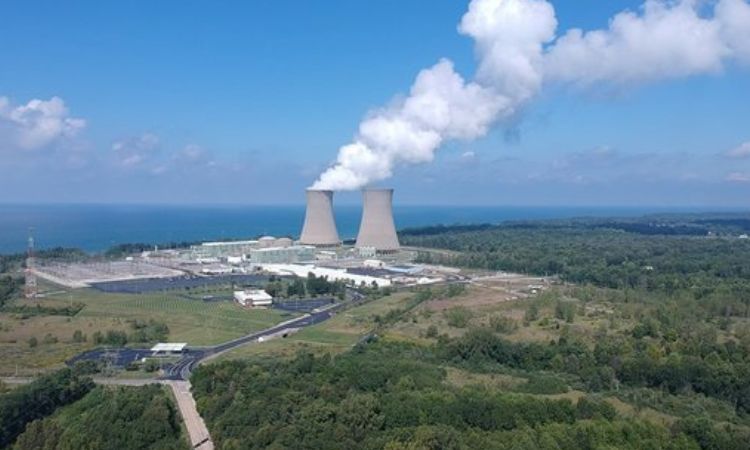
Pros Of Living Near A Nuclear Power Plant
1. Stable And Reliable Electricity Supply
Living near a nuclear power plant guarantees access to a consistent and reliable electricity supply. Unlike renewable sources such as solar or wind power, which can be affected by weather conditions, nuclear energy provides uninterrupted power generation. This stability ensures that residents face fewer power outages and can depend on a steady energy flow for their daily needs.
This reliability also supports critical infrastructure, including hospitals, schools, and businesses, which require consistent electricity to function efficiently. For households, a stable energy supply means better quality of life, with minimal disruptions to routines.
This reliability is particularly valuable during extreme weather events or natural disasters, where nuclear power plants can continue operations while other energy sources may falter. As a cornerstone of regional energy grids, nuclear plants enhance both individual and community resilience by providing dependable power year-round.
2. Lower Energy Costs
Proximity to a nuclear power plant often translates into lower electricity costs for residents. Reduced transmission distances minimize energy loss, leading to more efficient power distribution. Additionally, the high energy output and low operational costs of nuclear plants contribute to affordable electricity rates in surrounding areas.
For families and businesses, these cost savings can make a significant difference in monthly budgets, freeing up funds for other expenses. Communities near nuclear plants may also benefit from subsidies or discounts offered by the plant operator, further reducing financial burdens.
Lower energy costs are not just a financial advantage but also an incentive for regional economic growth, attracting businesses and industries seeking cost-effective energy solutions. By alleviating energy-related expenses, nuclear power plants provide tangible economic benefits to the communities they serve.
3. Economic Growth And Job Opportunities
Nuclear power plants are significant contributors to local economies, creating a wide range of employment opportunities during construction, operation, and maintenance phases. These jobs often include positions for skilled professionals such as engineers, technicians, and safety specialists, as well as roles for unskilled labor in support services like cleaning and catering.
Beyond direct employment, the presence of a nuclear plant stimulates growth in ancillary industries, including transportation, retail, and housing. The economic activity generated by the plant leads to increased tax revenues, which can be reinvested into public services such as schools, hospitals, and infrastructure development.
For local residents, the economic benefits of living near a nuclear power plant extend beyond job creation to include improved quality of life and enhanced community resources.
4. Reduced Greenhouse Gas Emissions
Nuclear power is one of the cleanest energy sources available, producing minimal greenhouse gas emissions during operation. For environmentally conscious residents, living near a nuclear power plant aligns with efforts to combat climate change by reducing reliance on fossil fuels.
Unlike coal or natural gas plants, nuclear facilities do not emit harmful pollutants such as carbon dioxide or sulfur dioxide, contributing to better air quality in surrounding areas. This reduction in emissions benefits public health by decreasing respiratory and cardiovascular diseases associated with pollution.
Moreover, nuclear energy’s role in achieving global sustainability goals makes it a critical component of the transition to a low-carbon future. Residents near these plants can take pride in contributing to a cleaner environment while benefiting from the long-term health and ecological advantages of reduced emissions.
5. Community Development Initiatives
Many nuclear power plants actively invest in the development of nearby communities through outreach programs and funding initiatives. These contributions often include educational scholarships, infrastructure upgrades, and public health projects aimed at improving residents’ quality of life.
For example, plant operators may sponsor local schools, fund community centers, or provide grants for environmental conservation efforts. Additionally, nuclear facilities frequently collaborate with local governments to enhance emergency preparedness and disaster response capabilities, ensuring the safety and well-being of residents.
These community development efforts foster goodwill and build trust between the plant and its neighbors, creating a sense of partnership and shared responsibility.
6. Improved Emergency Preparedness
Communities near nuclear power plants benefit from heightened emergency preparedness measures. Nuclear facilities are required to maintain rigorous safety protocols and conduct regular drills in collaboration with local authorities.
These drills educate residents about evacuation procedures, communication channels, and safety measures, equipping them with the knowledge to respond effectively in emergencies.
This level of preparedness often extends to other disaster scenarios, such as hurricanes or wildfires, enhancing overall community resilience. By living near a nuclear power plant, residents gain access to resources, training, and infrastructure that prioritize their safety and ensure rapid response capabilities.
7. Support For Technological Advancements
Proximity to a nuclear power plant can expose residents to cutting-edge technology and innovation. Nuclear facilities are hubs of scientific research, often collaborating with universities and research institutions to advance knowledge in fields such as energy efficiency, environmental protection, and radiation safety.
For students and professionals in science, technology, engineering, and mathematics (STEM), living near a nuclear plant can provide unique educational and career opportunities. These collaborations not only enhance regional intellectual development but also inspire interest in STEM fields among younger generations.
8. Enhanced Property Development
Despite common misconceptions, areas near nuclear power plants often see stable property values due to the economic and infrastructural benefits brought by the plant. Improved roads, public utilities, and community resources attract residents and businesses, fostering balanced development.
While some buyers may hesitate due to perceived risks, the overall prosperity generated by the plant ensures that property demand remains steady over time. By supporting local growth, nuclear facilities contribute to creating well-rounded and thriving communities.
Cons Of Living Near A Nuclear Power Plant
1. Perceived Safety Risks
One of the most pressing concerns for those living near a nuclear power plant is the fear of potential accidents or malfunctions. High-profile incidents such as Chernobyl and Fukushima have left lasting impressions, heightening public anxiety about the safety of nuclear facilities.
Although modern plants are equipped with advanced safety features, no system is entirely immune to human error, equipment failure, or natural disasters. These risks, while statistically low, weigh heavily on the minds of residents, creating a sense of vulnerability. The psychological burden of living under the shadow of such risks can significantly impact residents’ quality of life, even if no incidents occur.
2. Health Concerns Related To Radiation
Living near a nuclear power plant often raises concerns about potential health risks from radiation exposure. While modern nuclear facilities are designed with stringent safety measures to contain radiation, the fear of even minimal exposure persists. Prolonged exposure to low levels of radiation has been linked, albeit inconclusively, to increased risks of cancer, genetic mutations, and other health issues.
This concern is amplified for vulnerable populations, such as children, pregnant women, and individuals with pre-existing conditions. Although studies generally indicate that radiation levels near nuclear plants are well below harmful thresholds, the psychological impact of these fears can lead to stress and anxiety. Additionally, public trust in the transparency and reliability of plant operators can influence how communities perceive their health risks, further complicating the issue.
3. Emergency Evacuation Challenges
In the rare event of a nuclear emergency, evacuation poses a significant logistical and emotional challenge for nearby residents. Planning and executing large-scale evacuations require well-coordinated efforts between plant operators, local authorities, and emergency responders. However, unforeseen obstacles such as traffic congestion, communication failures, or panic among residents can hinder the process.
For families, the thought of leaving their homes, belongings, and community behind adds to the emotional toll. While regular emergency drills are conducted to prepare residents, the unpredictability of a real crisis heightens apprehensions about evacuation effectiveness. The fear of being unprepared or unable to escape in time can deter people from settling near a nuclear power plant.
4. Waste Disposal And Environmental Impact
One of the most significant concerns surrounding nuclear power is the management of radioactive waste. Spent fuel rods and other by-products from nuclear plants remain hazardous for thousands of years and require secure storage to prevent leaks or contamination. While facilities are equipped with advanced containment systems, the potential for accidents or mismanagement poses a risk to local ecosystems and water sources.
Nearby residents may worry about the long-term environmental impact of living near a facility that handles radioactive materials. Furthermore, debates about the transportation and permanent disposal of nuclear waste contribute to public unease, as these activities carry inherent risks of spillage or exposure.
5. Potential For Natural Disaster Vulnerability
Nuclear power plants situated in regions prone to natural disasters face heightened risks of damage or malfunction. Earthquakes, tsunamis, floods, and hurricanes can compromise the structural integrity of a plant, increasing the likelihood of accidents or radiation leaks.
The Fukushima disaster in 2011 highlighted the devastating consequences of a natural disaster impacting a nuclear facility. Residents living near such plants often feel vulnerable, particularly if disaster mitigation measures are perceived as inadequate. The combination of natural risks and nuclear technology creates a unique set of challenges that intensify concerns about safety and preparedness.
6. Stigma And Public Perception
Living near a nuclear power plant often carries a social stigma, as these facilities are commonly associated with danger and environmental harm. This perception can negatively affect the reputation of the community, deterring potential residents or businesses from moving into the area. The stigma may also lead to psychological stress for current residents, as they grapple with external judgment and their own safety concerns.
Additionally, this negative public perception can impact property values, limit investment opportunities, and create barriers to regional development. Overcoming such stigma requires significant efforts in public education and community engagement, but the underlying fears often persist.
7. Limited Public Knowledge And Trust
A lack of public understanding about nuclear power and how plants operate often exacerbates fears and mistrust among residents. Many individuals living near nuclear facilities do not fully comprehend the safety measures, emergency protocols, or scientific principles underlying plant operations. This knowledge gap can lead to misinformation, heightened anxiety, and skepticism about the intentions of plant operators.
Trust is further eroded when communication from facility management or local authorities is perceived as insufficient or opaque. Building public confidence requires consistent transparency, educational outreach, and open dialogue between the plant and the community, yet achieving this can be a significant challenge.
8. Impact On Local Wildlife
The construction and operation of nuclear power plants can disrupt local ecosystems and wildlife habitats. Cooling systems that draw water from nearby rivers or lakes may harm aquatic life by altering water temperatures or depleting oxygen levels.
Additionally, radiation leaks, even if rare, could have long-term effects on the surrounding flora and fauna. For environmentally conscious residents, the potential impact on biodiversity is a major concern.
Efforts to mitigate these effects often involve monitoring programs and habitat restoration initiatives, but these measures may not fully address the ecological changes caused by the plant’s presence.
9. Increased Security Concerns
Nuclear power plants are considered critical infrastructure, making them potential targets for terrorism or sabotage. Living near such facilities means residents must contend with heightened security measures, which can include surveillance, restricted access areas, and regular patrols. While these precautions are necessary to ensure safety, they may create a sense of unease among residents.
The possibility of security breaches, although unlikely, adds to the anxiety of living near a high-profile target. For some, the constant presence of security measures serves as a reminder of potential dangers, detracting from their sense of peace and normalcy.
10. Psychological Stress And Anxiety
The constant awareness of living near a nuclear power plant can lead to psychological stress and anxiety for residents. Concerns about safety, health risks, and potential accidents often weigh heavily on individuals, particularly those with families.
Regular emergency drills, while necessary, can reinforce fears rather than alleviate them. For some, the stress of these uncertainties overshadows the tangible benefits of living in the area, affecting mental health and overall well-being. Addressing these psychological impacts requires not only robust safety measures but also open communication and community support initiatives.
11. Potential Decline In Property Values
Although some areas near nuclear power plants experience stable property values due to economic growth, others face challenges stemming from perceived risks and stigma. Potential buyers may hesitate to invest in properties near a nuclear facility, leading to slower market growth or reduced demand. For homeowners, this can translate into difficulty selling their property or a decline in its value over time.
The impact on property values varies depending on factors such as the plant’s safety record, community perception, and regional economic conditions. However, the possibility of financial loss remains a concern for residents considering long-term investment in the area.
Conclusion
Living near a nuclear power plant presents a complex mix of advantages and disadvantages. On the positive side, residents benefit from stable electricity supplies, lower energy costs, economic development, and reduced environmental impact due to clean energy production. Community development initiatives and improved emergency preparedness further enhance the living experience in many cases.
However, concerns about safety risks, health impacts, waste management, and natural disaster vulnerability cannot be overlooked. Social stigma, security concerns, and the psychological toll of living near a high-profile facility add further challenges.
Ultimately, the decision to live near a nuclear power plant depends on individual priorities and risk tolerance. Residents and policymakers must work together to ensure safety, transparency, and community engagement. By weighing the 8 pros and 11 cons outlined in this article, individuals can make informed decisions and contribute to creating a balanced relationship with the nuclear power industry.