
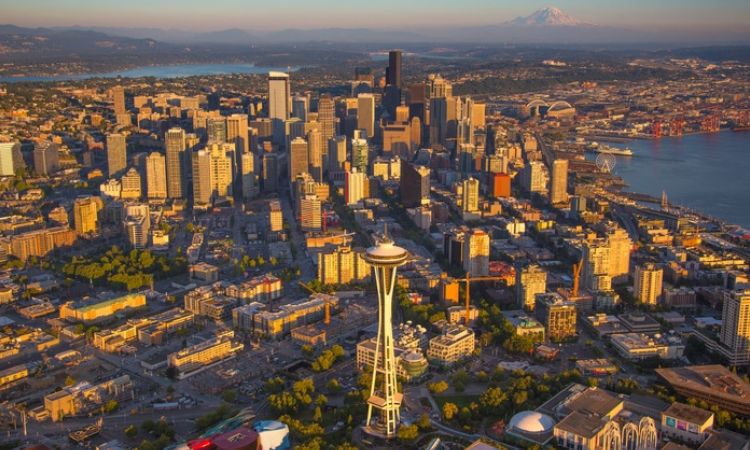
Seattle, Washington, also known as the “Emerald City,” is a place that offers the best of both worlds: urban living and unparalleled natural beauty. Nestled between the Puget Sound and the Cascade Mountains, Seattle is a thriving tech hub and cultural powerhouse. With a bustling job market, access to outdoor activities, and a diverse and inclusive culture, Seattle draws people from around the world. However, just like any city, Seattle has its downsides—high living costs, rainy weather, and traffic congestion.
In this article, we will delve into the 13 pros and 12 cons of living in Seattle, offering a comprehensive look at the city’s lifestyle, economy, culture, and the practical challenges that residents face. From its booming tech scene and world-class food to the struggle with housing affordability and the gloomy winter months, this article will provide you with everything you need to know before making the decision to move to Seattle.
History and Location of Seattle
Seattle, often known as the “Emerald City,” is a vibrant and diverse city located in the Pacific Northwest. Surrounded by the breathtaking Puget Sound and the Cascade Mountains, Seattle has become an increasingly popular destination for professionals, families, and adventurers alike. Known for its robust tech industry, excellent food scene, and access to outdoor activities, Seattle offers an abundance of opportunities for personal and professional growth.
However, like any major city, Seattle comes with its pros and cons. On one hand, it provides access to a thriving job market, a high quality of life, and a rich cultural environment. On the other hand, residents face challenges such as high housing costs, traffic congestion, and long rainy seasons.
This article will dive deep into both the benefits and drawbacks of living in Seattle, giving you a comprehensive understanding of what life in the city is really like. Whether you are considering relocating or simply curious, this guide will help you make an informed decision. Let’s explore the 13 pros and 12 cons of living in Seattle!
Why Do People Love Living in Seattle?
Seattle is known for its vibrant culture, technological innovation, and access to nature. The city attracts individuals who value work-life balance, with its combination of thriving job opportunities and outdoor activities. The natural surroundings make it an ideal city for outdoor enthusiasts, with mountains, lakes, and forests all within reach. The work environment in Seattle is highly dynamic, particularly in the tech and biotech industries, where some of the world’s leading companies are headquartered.
Seattle also boasts a diverse and inclusive culture. People from various backgrounds feel welcomed, and the city offers a wide range of cultural festivals, restaurants, and communities that celebrate this diversity. With its reputation for progressive values and social responsibility, Seattle remains one of the most popular cities in the U.S. for young professionals, families, and those seeking a lifestyle that aligns with creativity, sustainability, and innovation.
How Many People Live in Seattle?
As of the latest census, Seattle has a population of approximately 760,000 people living within the city limits. The population of the greater Seattle metropolitan area, which includes neighboring cities like Bellevue, Redmond, and Tacoma, exceeds 4 million. The city continues to see steady population growth, driven by its booming economy and strong job market in the technology, biotech, and healthcare sectors.
Seattle’s population is diverse, with a mix of young professionals, families, and students. The city has a reputation for being welcoming to immigrants, and its various neighborhoods reflect the multicultural nature of its residents. While the city’s population density is increasing, Seattle still offers a variety of neighborhoods, from high-rise apartment complexes in the downtown core to more sprawling suburban areas that provide space and a more relaxed lifestyle.
Hey, elaborate introduction with more information. Elaborate other section. These pros and cons are really very smaller, so elaborate on each of them with 250 words of broad detailed information(equal explanation for each pros and cons). Maintain the whole article serial.
13 Pros of Living in Seattle
1. Thriving Job Market and Economic Opportunities
Seattle is a global economic powerhouse, home to some of the largest companies in the world, such as Amazon, Microsoft, and Boeing. These companies, along with a growing number of startups, have created a diverse job market for professionals in software development, data science, engineering, biotech, and healthcare.
The city is a major hub for technology, which continues to attract top talent from across the country and around the world. The job market in Seattle is constantly evolving, with opportunities for career advancement in both large corporations and small businesses. The unemployment rate in Seattle is relatively low, and salaries in tech and related sectors are high, ensuring that many professionals can thrive in the city.
Seattle is also a great place for entrepreneurs. With a supportive business community, access to venture capital, and a growing ecosystem of startups, Seattle fosters an environment that allows new businesses to grow and succeed.
2. Stunning Natural Beauty
Seattle’s location between the Puget Sound and the Cascade Mountains offers some of the most breathtaking views and natural beauty in the United States. The mountains, forests, and waterways provide an idyllic backdrop for everyday life. The city is surrounded by stunning outdoor spaces, from National Parks like Mount Rainier to local parks such as Discovery Park.
Seattle residents have access to an abundance of outdoor activities, including hiking, boating, camping, and skiing. With easy access to such a variety of natural landscapes, Seattle offers something for everyone, whether you enjoy adventurous outdoor pursuits or simply relaxing in nature. The city’s proximity to nature makes it a haven for outdoor enthusiasts, allowing them to enjoy the beauty of the Pacific Northwest year-round.
Seattle also boasts numerous green spaces within the city, including Kerry Park, which provides iconic views of the Seattle skyline, and Gas Works Park, a popular spot for picnicking and enjoying the waterfront. Whether you’re hiking to the summit of Mount Rainier or enjoying a sunny day by Lake Union, Seattle’s access to nature makes it a great place for those who want to balance urban living with outdoor adventure.
3. Vibrant Arts and Culture Scene
Seattle has a rich cultural heritage and a thriving arts scene. The city was the birthplace of grunge music, with legendary bands like Nirvana and Pearl Jam shaping Seattle’s musical identity. Today, the city remains a hub for music, with venues like The Crocodile and Neumos hosting live performances by both local and international artists.
The city is also home to a wide range of artistic institutions, including the Seattle Art Museum (SAM), the Museum of Pop Culture (MoPOP), and the Seattle Symphony. Seattle’s arts district is home to many local galleries and theaters, offering a rich cultural experience for residents and visitors alike. Additionally, the Seattle International Film Festival (SIFF) draws filmmakers and film lovers from around the world, further contributing to the city’s cultural vibrancy.
Seattle’s commitment to the arts is also evident in its many public art installations, street art, and cultural festivals, including the Seattle Art Fair and Bumbershoot. For those who enjoy cultural experiences, Seattle is an exciting place to be, offering endless opportunities to engage with the arts in all forms.
4. Access to High-Quality Education
Seattle is home to some of the best public schools and higher education institutions in the U.S. The Seattle Public Schools district offers top-tier education with a strong focus on STEM (Science, Technology, Engineering, and Mathematics) education, as well as an emphasis on diversity and inclusion. The city is known for its well-funded and highly ranked public schools, which offer a range of specialized programs and curriculum options.
For higher education, Seattle boasts the University of Washington (UW), one of the top research universities in the country. UW offers cutting-edge programs in fields like medicine, business, engineering, and law. The university also contributes to Seattle’s status as a center of innovation, conducting world-class research and collaborating with local industries to drive technological advancements.
Seattle’s educational opportunities extend beyond K-12 and higher education, with numerous community colleges, vocational schools, and adult education programs. For families, the city offers access to excellent schooling options, from preschools to colleges, ensuring that residents have access to a top-notch education system.
5. Strong Public Transportation System
Seattle’s public transit system is one of the best in the United States, particularly for a city of its size. The Link light rail connects downtown Seattle to SeaTac Airport and other neighborhoods, making it easy to travel without a car. The expansion of the light rail network, including planned extensions, means that Seattle will continue to improve its public transit options.
The bus system is extensive and well-integrated, providing easy access to suburban areas and residential neighborhoods. Express buses are available for commuters traveling from suburban areas like Bellevue and Redmond into the city. Additionally, the ferry system offers scenic travel across the Puget Sound, making transportation not only convenient but also enjoyable.
For those who prefer to bike, Seattle is also increasingly bike-friendly, with new bike lanes and bike-share programs encouraging sustainable travel. These transit options, combined with the city’s focus on reducing carbon emissions, make it easy to live in Seattle without relying on a car.
6. World-Class Coffee Culture
Seattle is the birthplace of Starbucks, and its coffee culture is deeply embedded in the city’s DNA. Whether you prefer a latte, espresso, or a flat white, Seattle is home to a wide range of local coffee shops that serve high-quality, artisanal coffee. The city’s coffee culture emphasizes quality, sustainability, and innovation.
In addition to the iconic coffee chains, the city is full of independent roasters and coffeehouses that offer unique blends and specialized brewing techniques. Many of these cafes are community hubs, where locals can enjoy a warm beverage while working, socializing, or simply enjoying the vibrant atmosphere.
Seattle’s coffee scene is also about more than just caffeine—it’s about community. Many cafes feature local art, host musical performances, and serve locally sourced pastries and food, making coffee drinking an experience that goes beyond the cup.
7. Diverse and Inclusive Community
Seattle is one of the most diverse and inclusive cities in the United States. The city has a long history of advocating for social justice, equality, and LGBTQ+ rights. With its strong commitment to creating an inclusive environment, Seattle offers a welcoming space for people from all walks of life.
The city celebrates its diversity through cultural festivals, food markets, and community events that showcase the many different cultures that call Seattle home. Neighborhoods like Capitol Hill, Chinatown-International District, and Ballard reflect Seattle’s rich cultural heritage and vibrant immigrant populations.
Seattle’s diversity extends to its workplaces, schools, and social life, where people of all races, genders, and backgrounds are supported and celebrated. The city fosters a sense of belonging for all residents, making it an ideal place for anyone looking for a welcoming, inclusive community.
8. A Strong Focus on Sustainability
Seattle is a leader in environmental sustainability. The city has committed to becoming carbon neutral by 2050, and it actively works on reducing carbon emissions, promoting green energy, and encouraging sustainable urban planning. The city’s green building initiatives, such as LEED-certified buildings and eco-friendly construction, contribute to its sustainability goals.
Seattle is also dedicated to reducing waste through its comprehensive recycling program and zero-waste initiatives. The city’s public transit system and efforts to encourage bike commuting help lower its overall carbon footprint, making it an environmentally conscious city for residents who care about sustainability.
Living in Seattle means being part of a community that values environmental responsibility and eco-friendly living. Whether through recycling, sustainable commuting, or green initiatives, Seattle’s commitment to sustainability is evident in every aspect of daily life.
9. Access to Outdoor Adventures Year-Round
Living in Seattle means having access to outdoor adventures all year round. The city’s location between Puget Sound and the Cascade Mountains makes it an outdoor enthusiast’s dream. In the winter, residents can easily head to the nearby mountains for skiing, snowboarding, and snowshoeing. In the summer, they can enjoy hiking, boating, and camping in the national parks and forests around the city.
Seattle offers access to some of the most spectacular outdoor recreation in the U.S., including whale watching in the San Juan Islands, rock climbing at Leavenworth, and kayaking on the Puget Sound. Whether you love mountain sports or water-based activities, Seattle provides endless opportunities for outdoor adventures.
10. Safe and Clean Environment
Seattle is known for being a safe and clean city. The city consistently ranks as one of the safest in the U.S., with low crime rates relative to other major cities. While property crime does exist, especially in certain neighborhoods, Seattle generally maintains a strong sense of safety.
In addition to safety, Seattle places a strong emphasis on cleanliness. The city’s streets and public spaces are well-maintained, and residents enjoy clean air, recycling programs, and well-kept parks. The city’s commitment to sustainability helps keep it clean and green, contributing to its overall high quality of life.
11. High Quality of Life
Seattle offers one of the highest qualities of life in the U.S. With its thriving economy, access to green spaces, excellent healthcare, and a strong educational system, Seattle provides a balanced lifestyle. Residents benefit from the high standard of living, which includes low crime rates, clean neighborhoods, and top-notch amenities.
The city’s public services, including schools, libraries, and healthcare facilities, contribute to a high standard of living for all residents. Whether you are seeking a safe place to raise a family or looking for career opportunities, Seattle’s high quality of life ensures that everyone can enjoy a comfortable and fulfilling lifestyle.
12. Great for Families
Seattle is an excellent city for families. The city boasts high-quality schools, a wide variety of parks, and a strong focus on family-friendly activities. There are plenty of museums, zoos, and aquariums, as well as family-friendly events and community festivals that provide entertainment for children and adults alike.
In addition to its great education system, Seattle offers a wealth of neighborhoods that are well-suited for families. Whether you’re looking for a quiet suburban area or a more urban, walkable neighborhood, Seattle has a place for you. The city’s overall commitment to family life, including access to outdoor spaces, makes it an ideal place to raise children.
13. Perfect Blend of Urban and Outdoor Living
Seattle’s unique combination of urban excitement and outdoor relaxation is one of the city’s most attractive features. It offers all the conveniences of a large city—shopping, dining, and entertainment—while providing easy access to nature. You can spend the day exploring the city’s restaurants, museums, and live music venues, and then enjoy an afternoon hiking or boating in nearby parks and waterways.
For those who appreciate both urban convenience and natural beauty, Seattle is the perfect place to live, offering a lifestyle that balances work and play, city living and outdoor adventures.
12 Cons of Living in Seattle
1. High Cost of Living
Seattle’s cost of living is notably high, especially when it comes to housing. Rent and home prices have been on the rise in recent years, making it increasingly difficult for both new residents and long-time locals to find affordable housing. Even with high salaries in sectors like tech, the high cost of housing remains a significant challenge for those on a budget. Utilities, groceries, and other basic services can also be more expensive compared to other cities in the U.S.
2. Housing Affordability Challenges
Seattle’s housing market is highly competitive, with limited inventory and an abundance of demand. This has driven up the price of both rentals and homes for sale. Finding an affordable home or apartment can be incredibly difficult, especially in desirable neighborhoods like Capitol Hill, Ballard, or Queen Anne. Even if you’re willing to live in suburban areas, housing prices have skyrocketed across the entire metro area, making it a constant struggle for those hoping to own property.
3. Rainy Weather and Lack of Sunlight
Seattle’s weather is one of the most discussed aspects of living in the city. Known for its rainy season, Seattle experiences over 200 rainy days a year. While the city doesn’t receive as much rainfall as commonly thought, the constant cloud cover and lack of sunlight during the fall and winter months can have a negative effect on mood. Many residents struggle with seasonal affective disorder (SAD) due to the gray skies and lack of natural light, making it difficult to stay motivated and upbeat during the long winter months.
4. Traffic Congestion
Despite its public transportation improvements, Seattle’s traffic can be a major headache for residents. The city suffers from some of the worst congestion in the country, especially during rush hours. The lack of effective highway systems, coupled with increasing population growth, has resulted in hours of commuting for many residents. Major roads like I-5 and Highway 99 are often backed up, leading to long waits and frustrating commutes.
5. Limited Public Transportation Outside the City
While Seattle’s public transit system is robust within the city, many suburbs are underserved by buses or the light rail. Commuters from suburban areas such as Redmond or Everett often face long driving times or limited public transportation options. As a result, the commute becomes a challenge for those who do not own a car or prefer not to drive, leading to frustration and longer travel times.
6. Limited Housing Inventory
Seattle’s housing market continues to struggle with inventory shortages, which means potential buyers and renters often face stiff competition. Despite construction projects and new apartment buildings being developed, demand remains high and supply doesn’t always match up. This creates a difficult environment for those seeking affordable homes, and many people are forced to settle for less or move to less desirable neighborhoods.
7. Expensive Healthcare
Seattle’s healthcare system is generally excellent but can be expensive, especially for those without adequate insurance coverage. Medical procedures, specialist visits, and medications can be higher than in other regions of the U.S. Even with insurance, out-of-pocket expenses can be significant, putting a strain on many residents’ finances.
8. Limited Availability of Parking
Finding parking in Seattle is often a significant issue, particularly in high-density areas like downtown and Capitol Hill. Street parking can be expensive and difficult to find, while private parking spaces in garages are often limited. This makes owning a car in Seattle a challenge, and those who rely on public transportation or alternative options may find it difficult to navigate the city without hassle.
9. Crime in Certain Areas
While Seattle is generally considered a safe city, certain areas, particularly in South Seattle and downtown, have higher crime rates. Property crimes, thefts, and drug-related incidents are more prevalent in some neighborhoods, which can cause concern for residents. Even though crime rates have been decreasing in recent years, these issues still exist, especially in urban areas.
10. Overcrowding and Gentrification
As Seattle has grown rapidly, issues related to overcrowding and gentrification have surfaced. Rising housing prices and the influx of wealthier residents have displaced long-standing low-income communities. This has caused some people to feel disconnected from Seattle’s original culture and is driving an income divide between wealthy newcomers and those who can’t afford the higher living costs.
11. High Cost of Utilities
Utilities in Seattle, including electricity, gas, and water, tend to be more expensive than in other parts of the country. Even though the city has made strides toward green energy initiatives, residents often face high monthly utility bills, especially in the winter months when heating needs increase. This adds to the overall cost of living in Seattle, making it more difficult for residents to manage their finances.
12. Weather-Related Mood Challenges
The rainy weather and lack of sunlight during the fall and winter months can have a significant impact on some residents’ mental health. Seattle’s gray skies and limited daylight during the colder months can leave people feeling lethargic, unmotivated, and even depressed. While the summer months are beautiful, the long winters can be a challenge for those who thrive on sunlight and warm weather.
Conclusion
Living in Seattle offers a unique blend of urban excitement and outdoor adventure, with exceptional job opportunities, a thriving cultural scene, and access to stunning natural beauty. However, the high cost of living, traffic congestion, and rainy weather are factors that potential residents must consider.
Seattle’s strong job market, excellent educational opportunities, and cultural vibrancy make it an ideal place for young professionals, families, and anyone looking for career growth and an active lifestyle. However, the high costs of housing and utilities, as well as weather-related challenges, can be significant drawbacks for some.
Ultimately, Seattle offers a high quality of life for those who can navigate the challenges of living there. It’s a city that rewards those who are drawn to its innovative spirit, outdoor activities, and cultural vibrancy, but it requires careful consideration for those looking to make it their long-term home.