
The grand jury is a crucial component of the criminal justice system, historically serving as a protective mechanism to prevent individuals from being subjected to criminal charges without sufficient evidence. It provides a formal process where a group of citizens, known as the grand jury, is tasked with reviewing evidence presented by the prosecution and determining whether there is probable cause to formally charge a suspect with a crime.
Though grand juries are often associated with felony cases, especially serious crimes like murder, rape, and armed robbery, their role in the justice system extends beyond just the determination of charges. In some jurisdictions, grand juries are also used for investigating potential criminal activities, uncovering hidden crimes, and facilitating the discovery of systemic issues.
The grand jury’s history traces back to England in the 12th century, where it was used as an early form of legal oversight. When the United States was founded, the grand jury system was incorporated as part of the Bill of Rights, ensuring that individuals would not be charged with serious crimes without the input of a group of ordinary citizens. However, the grand jury has evolved over time, and its current role is often scrutinized, with critics questioning its effectiveness, fairness, and transparency.
While grand juries have distinct advantages, such as providing an impartial review of evidence and preventing wrongful prosecutions, they are not without their drawbacks. Concerns have been raised about the potential for grand juries to be manipulated by prosecutors, lack transparency, and fail to adequately represent the interests of the accused.
This article will explore the 10 pros and 10 cons of the grand jury system in detail, offering a comprehensive analysis of its advantages and limitations in the modern legal landscape. By the end of this article, readers will have a clearer understanding of the grand jury’s role, its impact on the criminal justice system, and the ongoing debate surrounding its efficacy.
What is a Grand Jury?
A grand jury is a legal body composed of citizens who are tasked with evaluating the evidence presented by the prosecutor to determine whether there is enough probable cause to formally charge someone with a criminal offense. The grand jury process differs significantly from a trial jury (petit jury) in that it does not determine the guilt or innocence of a defendant. Instead, it serves as an investigatory tool used by prosecutors to decide whether there is enough evidence to warrant criminal charges.
Typically, grand juries consist of 16 to 23 jurors, who are chosen from the community to provide a diverse and impartial perspective. These jurors review evidence, hear witness testimony, and receive legal instructions from the prosecutor. The proceedings are held in secret, which helps protect the reputation of those who may be investigated but not ultimately charged.
In the grand jury system, only the prosecutor presents evidence and witnesses; the defense does not have the opportunity to participate or cross-examine witnesses. If the grand jury concludes that there is probable cause to believe a crime has been committed, they will issue an indictment, which formally charges the defendant with the crime. If the grand jury finds insufficient evidence, they will issue a “no bill,” effectively dismissing the case.
Grand juries play a key role in felony cases, but their use has become more selective over time. Some states have moved away from the grand jury system in favor of a preliminary hearing before a judge, while in the federal system, grand juries remain the primary means of initiating criminal charges for serious offenses.
What Is a Grand Jury Indictment?
A grand jury indictment is a formal accusation that charges an individual with a crime, following a review of evidence by a grand jury. The grand jury, composed of citizens, is tasked with determining whether there is enough probable cause to formally charge someone with a crime and proceed to trial. An indictment is issued when the grand jury believes the evidence presented by the prosecutor is sufficient to justify criminal charges.
In the grand jury process, the prosecutor presents evidence and witnesses to the jury, and the defense is generally not allowed to participate. The grand jury then deliberates in secret to assess whether the evidence establishes probable cause, which is a reasonable belief that the accused has committed a crime. If the grand jury believes that the evidence supports criminal charges, they issue a “true bill,” or indictment, which is a formal written document that charges the individual with a specific crime.
The grand jury indictment is an essential part of the criminal justice system, as it serves as a check on prosecutorial power. It ensures that the decision to formally charge an individual is subject to review by a group of impartial citizens, rather than being solely at the discretion of a prosecutor. It also provides a layer of protection for individuals, preventing them from facing criminal charges unless there is sufficient evidence to support those charges.
If a grand jury does not find enough evidence to indict, they return a “no bill,” meaning that no formal charges are filed against the accused. This decision helps protect individuals from unnecessary prosecution, ensuring that only cases with credible evidence move forward in the legal process.
What Does a Grand Jury Say?
A grand jury is tasked with determining whether there is enough evidence to formally charge an individual with a crime. After hearing testimony, reviewing evidence, and deliberating in private, the grand jury issues one of two possible decisions: an indictment or a “no bill.”
If the grand jury believes there is sufficient probable cause to charge the accused, they issue a “true bill,” which is a formal indictment that accuses the individual of a specific crime. This decision means that the grand jury agrees that there is enough evidence to proceed with a criminal trial. The indictment is then used by the prosecutor to formally charge the defendant and initiate the legal process for a trial.
Alternatively, if the grand jury determines that the evidence does not meet the standard of probable cause, they may issue a “no bill.” This decision means that the grand jury has found insufficient evidence to support the charges, and the case is effectively dismissed at that stage. In such instances, the prosecutor may decide to drop the charges or seek further investigation, but the individual is not formally charged and does not face a trial.
It’s important to note that the grand jury does not determine the guilt or innocence of the accused. Their role is purely to assess whether the evidence warrants proceeding with criminal charges. The decision made by the grand jury is not a verdict of guilty or not guilty but a preliminary step in the legal process. The grand jury’s job is to decide whether there is enough evidence for the case to proceed to trial.
Why Is a Grand Jury Important?
A grand jury plays a crucial role in the criminal justice system by serving as a safeguard against unjust or unwarranted criminal charges. It acts as an impartial body that ensures that individuals are not charged with crimes without sufficient evidence to justify such charges. The importance of a grand jury can be understood through several key functions it performs in the legal process.
First and foremost, a grand jury protects individuals from prosecutorial overreach. Before someone is formally charged with a crime and put on trial, a grand jury reviews the evidence to determine whether it is strong enough to warrant criminal charges. Without this review, prosecutors could charge individuals based solely on their discretion, potentially leading to wrongful charges. By having a grand jury assess the evidence independently, the process ensures that charges are brought only when there is credible, substantiated evidence.
The grand jury also serves as an important check on prosecutorial power. Since the grand jury is made up of ordinary citizens who review the evidence without the influence of the prosecutor or defense attorney, it provides a more democratic and balanced decision-making process. This independence helps ensure that prosecutorial power is not abused, and that charges are only brought when the case meets the necessary legal threshold.
Moreover, the grand jury’s role in secrecy is vital in protecting the reputations of individuals who may be investigated but not ultimately charged. It helps maintain privacy, preventing the accused from being publicly associated with a crime unless there is strong evidence to support the charge. This is especially important in cases where an individual may be wrongly accused, as it helps avoid unnecessary damage to their reputation.
In summary, the grand jury is a critical institution that protects both the rights of the accused and the integrity of the justice system. By reviewing evidence before charges are made, it ensures that criminal charges are supported by valid evidence and helps prevent the misuse of prosecutorial power.
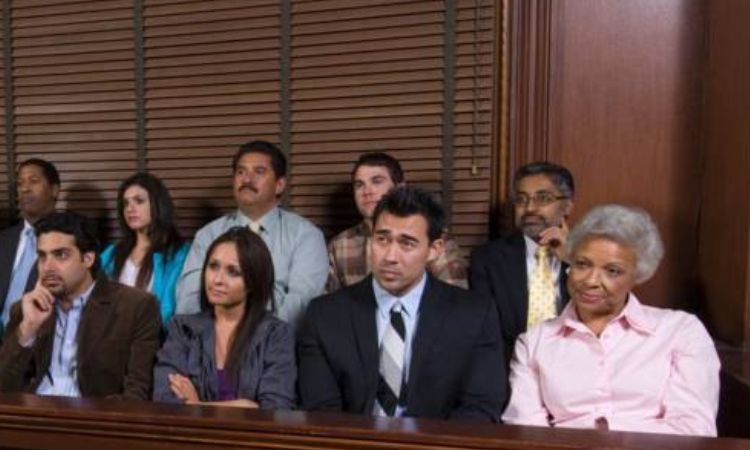
Pros of Grand Juries
1. Safeguard Against Unwarranted Charges
One of the most important roles of the grand jury is to act as a safeguard against unwarranted charges. Before someone is formally indicted and put on trial, a grand jury evaluates the evidence presented by the prosecution to ensure that there is probable cause to proceed with the charges. This process prevents prosecutors from bringing frivolous or unjust charges based on insufficient or weak evidence.
By reviewing the evidence independently of the prosecutor, the grand jury helps to ensure that only those with sufficient evidence against them face criminal charges. This protects individuals from being unnecessarily dragged into a criminal trial, where they may face the public scrutiny and stigma of a criminal charge without the justification of solid evidence. This is particularly important in serious cases such as murder or rape, where a wrongful charge could have severe personal, social, and legal consequences.
The presence of a grand jury serves as a buffer between the government and individuals, ensuring that the power of prosecution is not exercised arbitrarily. Without this check, prosecutors could potentially bring charges that could be politically motivated or influenced by bias, risking the integrity of the justice system.
2. Protection of the Defendant’s Rights
Grand juries also serve to protect the rights of defendants, as they offer a preliminary review of the evidence before a formal charge is brought. This process ensures that individuals are not unfairly prosecuted based on unreliable or incomplete evidence. Because the grand jury’s duty is to evaluate whether probable cause exists, it acts as a filter to prevent weak or unsubstantiated cases from going forward.
In this way, grand juries provide an important protection for the accused by ensuring that only individuals who have sufficient evidence against them are formally charged. The prosecutor must convince the grand jury that there is enough evidence to justify proceeding with a case, which prevents unjust charges from being levied against an innocent person. Without this safeguard, individuals could face lengthy trials, public shame, and potential penalties for crimes they did not commit.
In addition, the secrecy of the grand jury process provides protection for defendants’ reputations. If an indictment is not issued, the person being investigated may never have to publicly face the stigma of being accused of a crime. This confidentiality protects individuals from public humiliation in cases where no charges are ultimately filed.
3. Independence from Prosecutorial Overreach
Grand juries are composed of ordinary citizens who are summoned to assess the evidence presented by the prosecution. This composition helps ensure that decisions about criminal charges are made by a group of peers rather than solely by prosecutors, who may be driven by political or personal motivations. The independence of the grand jury provides a check on prosecutorial power and ensures that the decision to proceed with criminal charges is not made in isolation.
The prosecutor presents evidence to the grand jury and may recommend charges, but the ultimate decision lies with the grand jury itself. This separation from prosecutorial influence reduces the likelihood of prosecutorial overreach, where a prosecutor might pursue charges in cases where the evidence is insufficient, or where a prosecutor is motivated by extraneous factors. Grand juries provide an independent, unbiased review of the evidence, ensuring that individuals are not unfairly charged due to personal, political, or other external influences.
In cases involving high-profile or politically sensitive crimes, the grand jury’s independence can provide reassurance that the legal system is not being manipulated by outside pressures. This helps foster public confidence in the fairness of the judicial process.
4. Protection of Public Interest and Safety
Another important function of grand juries is their role in determining whether there is enough evidence to charge individuals who pose a serious risk to public safety. In cases involving violent crimes, organized crime, or public corruption, the grand jury’s review of the evidence helps ensure that the individuals charged are truly a threat to society.
Grand juries can serve as an early warning system for law enforcement, allowing them to focus on individuals who pose a legitimate threat to the community. By reviewing evidence before a full trial, grand juries help streamline the criminal justice process, ensuring that resources are directed toward cases that are most likely to lead to successful prosecution. This process helps maintain public safety by identifying and removing dangerous individuals from society in a timely manner.
For example, in cases involving serial offenders or large-scale criminal enterprises, grand juries can provide the legal grounds for prosecutors to move forward with charges, leading to the dismantling of dangerous organizations or the removal of harmful individuals from the community.
5. Fosters Public Trust in the Legal System
By involving ordinary citizens in the process of determining whether charges should be brought against an individual, the grand jury system fosters public trust in the legal system. It ensures that the community plays an active role in making decisions about criminal justice, making it less likely that decisions will be perceived as biased or unfair.
The grand jury system helps demonstrate that the decisions to indict individuals are not solely in the hands of prosecutors, but are instead subject to the scrutiny and judgment of the community. This promotes transparency and accountability, as the public can have confidence that criminal charges are not being brought arbitrarily or unfairly.
Moreover, the secrecy of the grand jury proceedings helps protect the reputations of individuals who are not indicted, preserving their privacy and dignity. This further enhances public trust in the justice system, as it assures individuals that they will not be unfairly stigmatized by public accusations without sufficient evidence.
6. Non-Adversarial Nature Encourages Free Testimony
Grand jury proceedings are non-adversarial, meaning that there is no defense attorney present to cross-examine witnesses or challenge the evidence. This creates a more open environment where witnesses are more likely to testify freely, as they are not subject to the stress or intimidation that can occur in a trial setting.
The absence of a defense attorney also means that the focus is solely on gathering evidence and establishing whether there is probable cause to bring charges. This can lead to a more thorough exploration of the facts, as witnesses are encouraged to speak openly and candidly without fear of being cross-examined or pressured by opposing counsel.
In sensitive cases, such as those involving vulnerable victims or whistleblowers, this non-adversarial approach can encourage witnesses to come forward and share important testimony without fear of retaliation or legal confrontation.
7. Reduces Burden on Courts
The grand jury system helps reduce the burden on courts by filtering out weak cases before they reach trial. By requiring a grand jury to review the evidence before an indictment is issued, the legal system ensures that only cases with sufficient evidence move forward. This helps conserve judicial resources and prevents courts from being overwhelmed with cases that are unlikely to result in convictions.
By acting as a screening mechanism, grand juries allow the court system to focus on cases that are more likely to result in successful prosecution, thus making the legal process more efficient. This also helps prevent the delay of justice for defendants whose cases may not have merit, ensuring that the legal system remains fair and effective.
8. Prevents Political or Personal Bias in Charging Decisions
Grand juries are composed of citizens from the community, which helps prevent political or personal bias from influencing charging decisions. In high-profile cases, such as those involving public figures or controversial issues, grand juries provide an unbiased forum for evaluating the evidence and determining whether criminal charges are warranted.
This process helps ensure that the decision to bring charges is not influenced by political agendas, media attention, or personal vendettas. By involving ordinary citizens in the decision-making process, grand juries help maintain the impartiality and fairness of the justice system.
9. Provides a Check on Executive Power
Grand juries serve as a check on the power of the executive branch, particularly in cases involving government corruption or abuse of power. By investigating potential criminal activities by government officials or agencies, grand juries ensure that those in power are held accountable for their actions.
In cases where government officials are accused of misconduct, grand juries can provide an independent review of the evidence, helping to prevent potential cover-ups or abuses of power. This role is essential in ensuring that public officials are not above the law, maintaining the integrity of the justice system.
10. Enhances Public Confidence in Justice
The involvement of ordinary citizens in the grand jury process helps ensure that criminal charges are brought based on a fair and thorough review of the evidence. This transparency and community involvement help build public confidence in the criminal justice system. When the public sees that the decision to indict is made by their peers, it reinforces the idea that the justice system is fair and accountable to the people it serves.
The grand jury system strengthens the legitimacy of the criminal justice system by demonstrating that decisions are made by a representative group of citizens, rather than solely by law enforcement or prosecutors.
Cons of Grand Juries
1. Lack of Transparency
One of the most significant criticisms of the grand jury system is its lack of transparency. Grand jury proceedings are conducted in secret, and only the prosecutor is allowed to present evidence and witnesses. This lack of transparency can make it difficult to assess the fairness and impartiality of the process, as there is no public oversight or ability for the accused to challenge the evidence presented.
The secrecy of grand juries also means that the public does not have access to the evidence or reasoning behind the decision to indict. This can lead to skepticism about the fairness of the process, particularly in high-profile cases where the grand jury’s decision is seen as politically motivated or biased.
2. Prosecutorial Control
Critics argue that the grand jury system places too much control in the hands of the prosecutor, who has significant influence over the evidence presented and the direction of the investigation. Since the defense does not have the opportunity to participate, the grand jury process can be heavily influenced by the prosecutor’s presentation of evidence, which may not be entirely objective.
The prosecutor’s ability to selectively present evidence can result in an indictment even when the evidence does not fully support criminal charges. This raises concerns that grand juries are more likely to issue indictments than not, particularly because prosecutors are the ones driving the process.
3. No Defense Participation
Another significant drawback of grand juries is that the defense is typically not allowed to participate in the proceedings. Unlike trial courts, where both the prosecution and defense have an opportunity to present evidence and cross-examine witnesses, grand jury hearings are one-sided. The defense has no opportunity to challenge the evidence presented, subpoena its own witnesses, or argue its case before the grand jury.
This lack of defense participation raises concerns about fairness and impartiality, as the accused has no means to contest the evidence before formal charges are brought. This lack of access to the grand jury process is particularly problematic in cases where the evidence is circumstantial or the defendant’s innocence is not fully explored.
4. Potential for Abuse by Prosecutors
Critics argue that grand juries are vulnerable to manipulation by prosecutors, who may present evidence in a way that favors their case. Because grand juries rely heavily on the prosecutor’s presentation, there is a risk that prosecutors will selectively highlight certain pieces of evidence while omitting others that might undermine their case.
This potential for abuse raises concerns that grand juries may return indictments based on incomplete or misleading information, leading to charges that are not supported by the full scope of evidence. Without the presence of a defense attorney, the prosecutor essentially has free rein to shape the narrative.
5. Can Lead to Indictments with Insufficient Evidence
Grand juries are tasked with determining whether there is probable cause to charge an individual with a crime, but the standard of evidence required for an indictment is lower than what is needed for a conviction. This means that grand juries may return indictments even when there is insufficient evidence to prove guilt beyond a reasonable doubt.
This can result in individuals being formally charged and subjected to a lengthy and costly trial process, even when the evidence against them is weak or circumstantial. The grand jury’s low threshold for probable cause has led to concerns that the system is more inclined to issue indictments than dismiss cases, potentially leading to wrongful prosecutions.
6. Lack of Public Defense Input
In many cases, grand jury proceedings exclude public defense input, which is a critical concern for ensuring fairness. While prosecutors present evidence to the grand jury, there is no opportunity for the defense to cross-examine witnesses, present contradictory evidence, or advocate on behalf of the accused. This creates an imbalance of power, as the prosecution is the only side actively involved in presenting the case.
The absence of a public defense advocate in grand jury proceedings can make the process seem less like a fair evaluation of the evidence and more like a one-sided attempt to secure an indictment. This lack of defense participation raises questions about whether the grand jury can truly be impartial when it is so heavily influenced by the prosecution.
7. Risk of Unjustified Charges
Because grand juries operate with a lower standard of evidence and are primarily influenced by the prosecutor’s presentation, there is a risk that they will return indictments based on insufficient or flawed evidence. This can lead to individuals being charged with crimes they did not commit, forcing them to defend themselves in a lengthy trial process.
In cases where the evidence is circumstantial or unclear, grand juries may be more inclined to issue an indictment rather than dismiss the case. This can result in the accused facing a trial with little chance of conviction, but still suffering the consequences of being formally charged.
8. Can Delay Justice
The grand jury process can delay the progression of a criminal case. If a grand jury decides to issue an indictment, the individual accused of a crime must wait for the formal trial process to begin. The time spent in this pre-trial phase can prolong the defendant’s uncertainty and legal costs.
Moreover, if the grand jury returns a “no bill,” dismissing the case, the accused may still face significant harm to their reputation, despite the lack of formal charges. The extended waiting period can prolong the emotional and financial toll on individuals caught up in the legal system, even if the case is ultimately dismissed.
9. Discretionary Use of Grand Juries
Grand juries are not used in every case, and their use can vary significantly depending on the jurisdiction, type of crime, and discretion of the prosecutor. In some cases, prosecutors may opt to use a grand jury for certain types of crimes, while choosing not to use it for others. This selective use of grand juries can lead to inconsistency in the application of justice, with some defendants receiving the added scrutiny of a grand jury and others facing preliminary hearings before a judge instead.
This lack of uniformity can create an imbalance in how individuals are treated within the justice system, leading to perceptions of favoritism or bias based on which method of charging is used.
10. Potential for Racial or Social Bias
Grand juries are composed of citizens from the community, which ideally helps ensure impartiality. However, the composition of the grand jury is not always representative of the broader community, and certain groups, particularly racial minorities, may be underrepresented in grand juries. This lack of diversity can lead to biases in the decision-making process, especially in high-profile cases involving race, social class, or political power.
Additionally, grand juries often operate in secret, with little oversight, which means that decisions may be influenced by implicit biases or prejudices that are not addressed during the proceedings. This can result in unjust outcomes, particularly in cases involving historically marginalized groups.
Conclusion
Grand juries play a significant role in the criminal justice system, offering benefits such as a safeguard against unwarranted charges, protection of the defendant’s rights, and a check on prosecutorial power. Their ability to involve citizens in the legal process and provide transparency can also contribute to public trust in the justice system. However, the system has notable drawbacks, including lack of transparency, potential for prosecutorial abuse, and limited defense participation.
While grand juries serve important functions, particularly in determining whether there is sufficient evidence to proceed with criminal charges, they are not without flaws. Critics argue that the system can be biased, one-sided, and influenced by factors such as prosecutorial control or racial prejudices. As with any legal process, reforms may be necessary to ensure that grand juries continue to serve their intended purpose of delivering justice fairly and impartially.
Ultimately, grand juries remain a cornerstone of the American legal system, but their future effectiveness will depend on addressing the concerns surrounding fairness, transparency, and the balance of power in criminal cases.