
Freeze branding, also known as cryo-branding, is an alternative livestock identification method that has gained popularity as a humane option compared to traditional hot-iron branding. This technique uses extremely cold temperatures—achieved with liquid nitrogen or dry ice—to alter the pigmentation of hair follicles.
The result is a permanent, colorless mark where the hair grows back white or colorless in the branded area. Unlike hot branding, which burns the skin to leave a scar, freeze branding leaves a visible, clean mark without significant damage to the skin.
Freeze branding is valued for its potential to reduce stress and pain for animals, and it provides a highly visible, lasting identification mark, especially useful on dark-coated animals.
However, this technique also has its limitations and challenges, such as requiring precise timing, specialized equipment, and skilled handling. Additionally, freeze branding can be less effective on light-colored animals and is not as immediately visible as hot branding.
This article will explore the pros and cons of freeze branding in detail, covering 10 advantages and 10 drawbacks. Whether you’re a farmer, breeder, or animal welfare advocate, this comprehensive guide will help you understand the benefits and limitations of freeze branding.
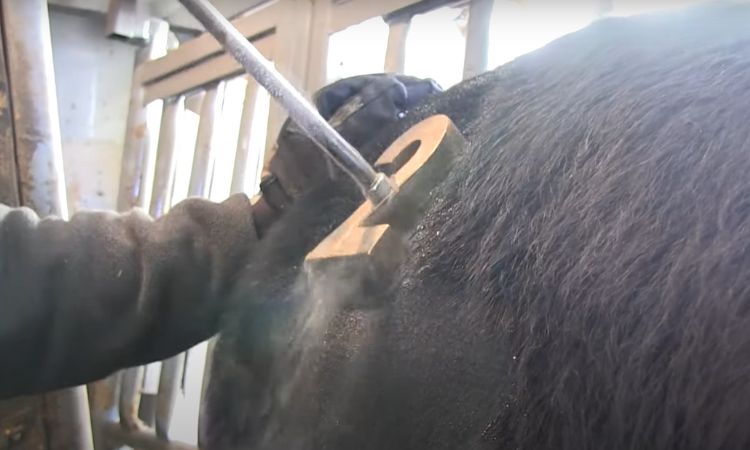
Pros Of Freeze Branding
1. Less Painful For The Animal
Compared to hot-iron branding, freeze branding is generally less painful for the animal. While hot branding involves intense heat that burns the skin, freeze branding uses cold temperatures to alter the hair pigment without creating an open wound. Although animals feel the cold, it is typically far less distressing than the burning sensation of hot branding. Reduced pain and discomfort during the procedure contribute to improved animal welfare and may minimize stress-related complications.
2. Minimally Invasive With Reduced Scarring
Freeze branding affects only the pigmentation of hair follicles rather than damaging the skin, which significantly reduces the risk of scarring. Unlike hot branding, which leaves a scarred mark on the animal, freeze branding typically results in a clean, visible mark where the hair grows back in a lighter color. This process is less invasive and contributes to a more aesthetically pleasing mark on the animal without the risk of keloid formation or infection.
3. Effective And Permanent Identification
Once a freeze brand is applied, it provides a long-lasting and highly effective method for identifying livestock. The mark remains visible for the animal’s entire life, offering a reliable form of identification that does not require upkeep or replacement. Freeze branding is an ideal solution for long-term tracking, as it eliminates the risk of losing tags or other removable forms of identification.
4. Improved Visibility On Dark-Coated Animals
Freeze branding is especially effective on animals with dark coats, as the process causes white or colorless hair to grow in the branded area. This creates a high-contrast mark that is easily visible, even from a distance, making it easier to identify animals in large herds or in low-light conditions. For farmers and breeders with dark-coated livestock, freeze branding is an efficient solution for quick visual identification.
5. Lower Risk Of Infection And Complications
Since freeze branding does not involve burning or breaking the skin, there is a lower risk of infection and other complications associated with open wounds. Without the need for extensive aftercare, the chance of infection is significantly reduced, which is especially important in environments where animals are exposed to dirt and debris. The lower infection risk minimizes additional healthcare needs, reducing costs and supporting the overall health of the livestock.
6. Greater Acceptance In Animal Welfare Practices
Animal welfare organizations often support freeze branding over hot branding due to its less painful and minimally invasive nature. The procedure aligns better with welfare guidelines, making it a preferred choice for those who prioritize humane treatment of livestock. Adopting freeze branding can also improve public perception, as consumers are increasingly concerned with the ethical treatment of animals in agriculture.
7. Less Stressful Branding Process
The freeze branding process, when applied correctly, is generally less stressful for animals. Since the procedure is less painful, animals are often calmer during freeze branding, which in turn makes it easier for handlers to manage them. Reduced stress has numerous health benefits for animals, including lower risk of stress-related illnesses and improved immunity, ultimately contributing to smoother livestock operations.
8. Reliable Identification In All Weather Conditions
Freeze branding is a permanent method of identification that is not affected by weather, dirt, or debris. Unlike ear tags or collars that can break, get lost, or be damaged by environmental factors, a freeze brand remains visible under all conditions. This reliability is crucial for ranchers and farmers who manage livestock outdoors or in harsh environments, ensuring consistent and durable identification.
9. Suitable For Various Livestock Types
Freeze branding is a versatile identification method that can be used on various animals, including cattle, horses, goats, and other livestock. This adaptability allows farmers and ranchers to use the same method for different species, making management more efficient. Freeze branding’s suitability for multiple livestock types is beneficial for mixed operations that require a standardized approach.
10. Decreased Labor For Identification Management
Once applied, a freeze brand requires little to no maintenance, unlike identification methods that may require regular inspection or replacement. Freeze brands are permanent and visible without ongoing upkeep, saving time and labor costs for livestock managers. This reduction in maintenance needs is advantageous for larger-scale operations with a high number of animals, where labor efficiency is essential.
Cons Of Freeze Branding
1. Higher Initial Cost And Equipment Needs
Freeze branding requires specialized equipment, such as branding irons and either liquid nitrogen or dry ice to achieve the necessary temperature. This setup can be costly, especially for smaller farms that may not have the budget to invest in these materials. Compared to hot branding, which only requires a heat source and a branding iron, the initial costs of freeze branding can be prohibitive for some.
2. Requires Precision And Skilled Application
Freeze branding demands a high level of skill and precision to ensure clear, legible marks. The application timing must be exact, as holding the iron too long or too briefly can impact the quality of the brand. Inadequate training can result in faint or uneven brands, reducing the effectiveness of the mark. To achieve consistent results, livestock handlers may need specialized training, which adds to the operational cost and complexity.
3. Time-Consuming Compared To Other Methods
Freeze branding is a more time-intensive process than hot branding or ear tagging. Each brand requires careful preparation, including chilling the branding iron and applying it for a precise duration. For large herds, the procedure can be labor-intensive and time-consuming, making it less practical for operations that need to brand many animals quickly.
4. Effectiveness Varies By Hair Color And Breed
Freeze branding is highly visible on animals with dark coats, but it may be less effective on animals with light or white fur, where the contrast is minimal. On light-coated animals, the brand may not stand out as clearly, reducing its visibility. As a result, livestock managers with light-colored animals may need alternative identification methods for clearer results.
5. Potential Risk Of Skin Damage If Applied Incorrectly
Improper freeze branding application can lead to unintended skin damage. If the branding iron is applied for too long or not chilled enough, it can cause excessive hair loss or even permanent skin damage, resulting in scars. Training and experience are critical to avoid these risks, as incorrect technique can lead to undesirable outcomes that compromise animal health.
6. Limited Availability Of Equipment In Certain Areas
The necessary materials for freeze branding, such as liquid nitrogen or dry ice, may not be readily accessible in rural or remote areas. Limited availability can make it difficult for some livestock managers to perform freeze branding regularly or consistently. Without reliable access to these resources, freeze branding may be less feasible, especially for farms located far from supply centers.
7. Requires Restraint For Proper Application
Like other branding methods, freeze branding requires animal restraint to ensure the branding iron is applied correctly. This restraint can be stressful for the animal if not done properly, and it requires adequate handling skills to avoid injury. Although freeze branding is less painful than hot branding, the restraint process itself can be distressing, particularly for animals not accustomed to handling.
8. Longer Time For Brand To Become Visible
Freeze branding does not provide an instant mark. After application, it can take weeks or even months for the branded area to grow back in with the colorless hair, especially in colder seasons when hair growth slows. This delay may be inconvenient for livestock managers who need immediate identification, as the mark will not be visible right away.
9. Requires Consistent Temperature Control
The effectiveness of freeze branding relies on precise temperature control. Branding irons must be chilled to the correct temperature, which requires careful handling and monitoring of the liquid nitrogen or dry ice used. Inconsistent temperature control can result in incomplete or uneven brands, impacting the quality of the identification mark. Maintaining the necessary cold environment adds complexity to the process, especially in warmer climates.
10. Not Suitable For Very Young Animals
Freeze branding is not recommended for very young animals, as they may be more vulnerable to cold exposure and stress during the branding process. Young animals have more sensitive skin and developing immune systems, making them more susceptible to adverse effects from cold temperatures. For farmers who prefer early identification, freeze branding may need to be postponed until animals reach a suitable age, requiring an alternative method in the interim.
Conclusion
Freeze branding is an innovative, humane alternative to traditional hot-iron branding, offering numerous benefits for livestock identification. Its lower pain level, minimal invasiveness, and long-lasting visibility make it a favored option among farmers, breeders, and animal welfare advocates. Freeze branding stands out for its effective visibility on dark-coated animals, reduced infection risk, and alignment with modern animal welfare standards, which can also enhance public perception of livestock management practices.
However, freeze branding has its limitations. It requires precise timing, specialized equipment, and trained personnel, which can make it costly and time-intensive. It is also less effective on animals with light coats and requires a waiting period before the brand becomes visible, making it less practical for those needing immediate identification. Additionally, the need for cold resources, such as liquid nitrogen, may be a barrier for farms in remote areas.
Ultimately, freeze branding is a valuable tool for livestock identification when performed correctly and with the appropriate resources. By understanding the pros and cons of freeze branding, livestock managers can make informed decisions that balance efficiency, cost, and animal welfare. Freeze branding, when applied thoughtfully, can serve as an effective and humane method for long-term animal identification.