
Finger joint replacement surgery has become an increasingly viable option for people suffering from severe arthritis, trauma, or degenerative diseases that damage the finger joints. Whether it’s due to osteoarthritis, rheumatoid arthritis, or injuries, the finger joints can lose their ability to move smoothly, causing pain, stiffness, and deformity.
This can severely impact the ability to perform everyday activities, from typing on a keyboard to gripping objects or even shaking hands. When non-surgical treatments like medications or splints no longer provide relief, finger joint replacement surgery becomes a solution to restore both function and pain-free movement.
The primary aim of finger joint replacement is to replace the damaged or diseased joint with a prosthetic, which can restore pain-free movement and improve overall hand function. The procedure involves removing the affected joint and replacing it with a synthetic implant made from materials such as silicone, metal, or pyrocarbon. These materials are designed to mimic the natural motion and flexibility of a healthy joint.
Though the surgery can lead to significant improvements in terms of pain relief and mobility, it does not come without potential drawbacks. The risks, costs, and long-term maintenance of the implants must be carefully weighed. This article provides an in-depth overview of the pros and cons of finger joint replacement, offering a balanced perspective for anyone considering this procedure.
We will also discuss key considerations, such as how long it takes to heal, the cost of the procedure, and the expected recovery timeline. By the end, you’ll have a clear understanding of whether finger joint replacement is the right choice for you.
What Is Finger Joint Replacement?
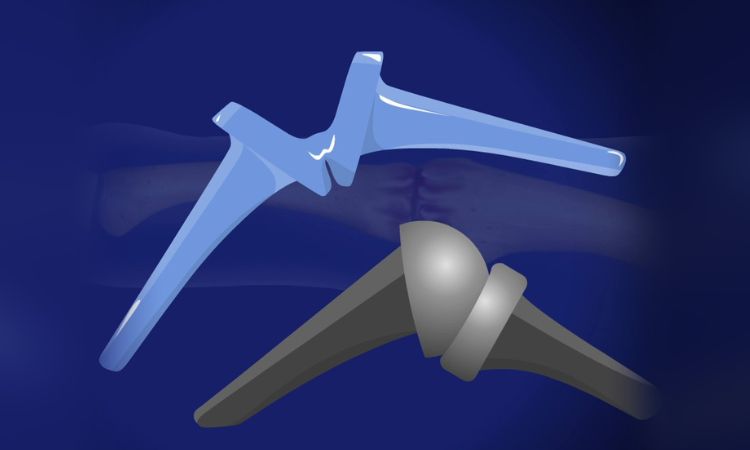
Finger joint replacement, or arthroplasty, is a surgical procedure designed to treat patients suffering from arthritis or joint damage in the fingers. The procedure involves removing a diseased or damaged joint and replacing it with an artificial implant. The implants are typically made of silicone, metal alloys, or pyrocarbon, each chosen for its specific characteristics, such as durability, flexibility, and biocompatibility.
Common reasons for undergoing a finger joint replacement include severe osteoarthritis, where the cartilage between the bones wears away, rheumatoid arthritis, or joint damage resulting from trauma. These conditions cause the joints to become stiff, painful, and deformed over time, leading to a reduction in hand function and quality of life. For individuals whose pain cannot be managed through non-surgical methods such as medications, physical therapy, or splints, joint replacement may be considered a viable treatment option.
Finger joint replacement surgery is typically performed on the metacarpophalangeal (MCP) joint (the knuckle), the proximal interphalangeal (PIP) joint (the middle joint of the finger), or both. The aim is to restore pain-free movement, increase joint mobility, and reduce deformity. It is an option for those who no longer find relief from conservative treatments and whose condition has significantly impaired their daily function.
While highly effective in improving function, the surgery is not without its limitations. Some patients may experience complications, including joint instability, stiffness, or implant failure. Thus, careful selection and discussion with a skilled orthopedic surgeon are essential for ensuring the best possible outcomes.
How Long Does It Take for a Finger Joint Replacement to Heal?
The recovery time after finger joint replacement surgery varies depending on several factors, including the individual’s overall health, age, the joint being replaced, and how well they adhere to their rehabilitation program. In general, patients can expect the recovery process to unfold in several distinct stages:
- Immediate Post-Surgery Period (1–2 Weeks)
Right after the surgery, the finger is typically immobilized in a splint or dressing to ensure that the joint remains stable and secure. Swelling, bruising, and some discomfort are common during the first few days, and pain management will be prescribed. Most patients are advised to rest the hand and elevate it to reduce swelling. During this period, patients are usually advised to refrain from any strenuous activity to allow the surgical site to heal. - Early Recovery (3–6 Weeks)
During this phase, physical therapy begins. The goal is to restore range of motion and avoid stiffness. Therapy generally involves gentle exercises to prevent the formation of scar tissue and promote joint flexibility. The surgeon may also monitor the implant for signs of rejection or loosening. The patient may still experience some mild discomfort, but they are generally able to resume light daily activities as long as they avoid stressing the joint. - Intermediate Recovery (6–12 Weeks)
As the recovery progresses, patients start to regain functionality in their finger joint. At this stage, physical therapy intensifies, and patients begin to work on strengthening the muscles around the joint. Patients are encouraged to gently increase activity levels but should still avoid excessive force or impact. Most people report noticeable improvements in pain relief and hand mobility by this stage. - Full Recovery (3–6 Months)
Complete recovery can take anywhere from 3 to 6 months, and in some cases, it may extend to a year. By this point, most patients experience pain relief and substantial restoration of joint mobility. Full functionality is typically achieved, and patients can return to their regular activities, including work, sports, and hobbies. Some people may continue to experience slight stiffness or soreness, but this usually resolves over time with continued therapy.
In summary, the healing process can range from a few weeks to several months, with full recovery often requiring 3 to 6 months. The more diligent you are about following post-operative care instructions and attending physical therapy sessions, the better the outcomes.
Finger Joint Replacement Cost
The cost of finger joint replacement surgery can vary widely depending on several factors, including the region or country where the surgery is performed, the type of implant used, the surgeon’s fees, and the hospital’s billing practices. On average, the cost of finger joint replacement can range as follows:
- United States: $10,000 – $25,000 per finger, depending on the implant material, surgeon, and hospital fees. This includes the cost of the procedure, anesthesia, follow-up visits, and therapy.
- United Kingdom: £6,000 – £12,000, with NHS treatment often being less expensive but dependent on the specifics of the case.
- India: ₹2,50,000 – ₹5,00,000, depending on whether the surgery is done privately or through a public health system.
- Australia: AUD 8,000 – AUD 18,000, depending on the surgeon and hospital.
In addition to the surgery itself, patients should account for other associated costs, including pre-operative assessments, physical therapy, and medications for pain management. Some patients may also need to factor in time off work for recovery, which can add indirect costs. It is essential to check with your insurance provider beforehand to determine what is covered under your policy. In many cases, health insurance will cover the surgery if it’s deemed medically necessary, but out-of-pocket costs may still exist.
10 Pros of Finger Joint Replacement
1. Significant Pain Relief
For individuals suffering from chronic pain due to arthritis or joint damage, pain relief is the most immediate and significant benefit of finger joint replacement. Arthritic conditions like osteoarthritis and rheumatoid arthritis often cause persistent and severe pain that doesn’t respond well to medications or other treatments. The pain is often exacerbated by movement, making basic tasks like typing, gripping, or even shaking hands incredibly painful.
By replacing the damaged joint with an artificial implant, the source of the pain—the worn-out cartilage and rough surfaces—is removed. Most patients report a significant reduction or even complete relief from pain after the procedure, particularly when they adhere to a proper rehabilitation plan. This immediate pain relief allows patients to resume daily activities that were previously hindered by discomfort, ultimately improving their quality of life.
Additionally, with less reliance on pain medications, patients can reduce the risks of side effects such as gastrointestinal problems, kidney issues, or even long-term dependency. For many, the improved pain management offered by finger joint replacement is a life-changing outcome.
2. Improved Joint Mobility and Function
A major advantage of finger joint replacement is the restoration of movement and function in the affected joint. Arthritic conditions can lead to the stiffening of the fingers, making it increasingly difficult to perform basic tasks. Even simple movements such as grasping objects, typing, or turning a door knob can become difficult or impossible. Finger joint replacement helps to restore the natural range of motion that was lost due to damage.
The artificial implant is designed to move like a natural finger joint, and as such, it improves the ability to bend and straighten the fingers. This mobility is crucial for restoring hand dexterity, which can have a profound impact on a patient’s ability to carry out their work or engage in personal activities. Post-surgery, many patients find that they can engage in hobbies such as playing musical instruments, drawing, or gardening—activities that were previously out of reach due to pain or limited joint mobility.
3. Enhanced Quality of Life
Finger joint replacement has a significant impact on the overall quality of life for patients suffering from severe joint pain or stiffness. The primary benefit is pain relief, but beyond that, patients regain independence in daily activities. For people who previously struggled with even basic tasks—such as eating, dressing, or opening containers—the surgery can provide a renewed sense of freedom and functionality.
As the pain diminishes and mobility improves, patients find they can engage in activities they once thought were no longer possible. Whether it’s holding a pen, shaking hands, or typing for work, these everyday tasks become much easier. For many, the psychological benefits are as important as the physical improvements, as the ability to perform previously painful or impossible tasks restores confidence and mental well-being.
4. Long-Term Durability of Implants
Finger joint replacement implants are designed to last. Depending on the type of material used, they can provide long-term durability with minimal wear and tear. The implants are typically made from silicone, titanium, or pyrocarbon, each chosen for its ability to withstand repetitive movement and pressure.
With proper care, most implants can last 10 to 15 years, providing years of pain-free function. This longevity makes the procedure a worthwhile investment for individuals who have been dealing with years of debilitating pain and stiffness. For older patients, this could mean several years of improved hand function without needing another surgery.
Additionally, modern implant materials have significantly improved in terms of wear resistance, making them more durable and suitable for long-term use.
5. Reduced Deformity and Improved Aesthetics
Arthritis and joint deformities can lead to misaligned fingers that not only cause pain but can also be aesthetically unappealing. One of the added benefits of finger joint replacement is that it corrects joint deformities caused by the loss of cartilage and bone damage. Once the joint is replaced with an implant, the finger can return to a straighter, more natural shape.
This cosmetic improvement is significant for individuals who may have experienced the emotional distress of having visibly deformed fingers. For many, restoring a more natural hand appearance is a source of improved self-esteem and confidence. This aesthetic improvement, alongside the functional benefits, contributes to overall emotional well-being.
6. Less Invasive Compared to Joint Fusion
Unlike joint fusion, which is another common procedure used to treat arthritis, finger joint replacement preserves joint motion. In joint fusion, the affected joint is completely fused, which eliminates pain but also results in the loss of motion. While fusion is appropriate in some cases, especially for individuals who don’t need to use their hands for fine motor tasks, finger joint replacement provides the advantage of mobility while still reducing pain.
The ability to maintain movement in the finger joint allows for better function and dexterity, which is critical for activities that require flexibility, such as typing or playing an instrument. Thus, for many patients, joint replacement provides a superior option by balancing pain relief with mobility.
7. Decreased Dependence on Pain Medications
Chronic arthritis pain often leads to a dependence on pain medications like NSAIDs, corticosteroids, or even stronger opioids. Long-term use of these medications can have harmful side effects, such as gastrointestinal bleeding, kidney problems, and the risk of addiction or tolerance.
After a successful finger joint replacement, patients experience significant pain relief and can reduce or eliminate their reliance on these medications. This shift away from pharmaceutical interventions has long-term health benefits, reducing the risk of complications associated with chronic medication use. It also promotes a better quality of life, as patients are no longer dependent on painkillers to manage daily discomfort.
8. Faster Rehabilitation Than Alternative Surgeries
Compared to other joint replacement surgeries, finger joint replacement typically requires a shorter recovery time. The procedure is minimally invasive, and the rehabilitation process focuses on gentle range-of-motion exercises that begin as early as the first week after surgery. As long as patients follow their rehabilitation plan and avoid putting excessive strain on the joint, they generally recover faster than those who undergo more complex procedures like joint fusion.
This quicker rehabilitation is especially beneficial for individuals who need to return to work or other activities quickly. By contrast, joint fusion surgeries may require a longer recovery time and result in permanent limitations in function.
9. Minimally Visible Scars
One concern many patients have when undergoing joint replacement surgery is the appearance of scars. However, modern techniques for finger joint replacement involve small, carefully placed incisions that result in minimal scarring. Surgeons make use of the natural finger creases to hide the scars, and over time, they usually fade significantly.
For patients who are concerned about aesthetics, this minimal scarring is a welcome feature. It means they can not only improve their hand function but also avoid visible scars that might affect their appearance.
10. Personalized Surgical Approach
One of the benefits of finger joint replacement is that it can be tailored to the individual’s needs. With the help of advanced imaging and pre-surgical planning, surgeons can create a customized approach that ensures the implant is properly sized and aligned with the patient’s anatomy. This personalized treatment helps optimize outcomes by improving both function and comfort.
Additionally, some surgeons use computer-assisted navigation to plan and execute the procedure with greater precision, further reducing the risk of complications and improving the final result.
10 Cons of Finger Joint Replacement
1. Risk of Implant Loosening or Failure
As with any prosthetic implant, there is a risk that the finger joint replacement could loosen or fail over time. This can happen due to wear and tear, repetitive motion, or the body’s immune response. If the implant becomes loose or damaged, it can result in renewed pain and instability in the joint.
In such cases, a revision surgery might be required, which is more complicated and has a higher risk of complications than the initial replacement. The risk of implant failure is especially prevalent in individuals who engage in heavy labor or high-impact activities.
2. Higher Prices for Surgery
Finger joint replacement is a costly procedure, particularly when considering the expenses associated with the surgery, implants, hospital stay, and rehabilitation. For many patients, the total cost can range from several thousand to tens of thousands of dollars, depending on location and the specifics of the procedure.
While health insurance may cover some of the costs, many patients may still face substantial out-of-pocket expenses. These costs can be a significant barrier for individuals who are unable to afford the surgery or do not have access to comprehensive insurance coverage.
3. Limited Range of Motion
Although finger joint replacement significantly improves pain relief and mobility, the implant cannot perfectly replicate the natural range of motion of the original joint. Most patients experience improved movement, but it may not be as fluid or extensive as before the joint began to deteriorate. This reduced range of motion can affect activities requiring fine motor control, such as playing musical instruments or typing quickly.
In some cases, additional rehabilitation may be required to maximize mobility. However, even with therapy, full functionality may not be restored.
4. Post-Surgery Stiffness
Stiffness is one of the most common post-operative complaints after finger joint replacement. While most patients regain movement, some may experience stiffness, particularly if scar tissue develops around the implant. Stiffness can occur if physical therapy is not initiated early enough or if the joint is not used actively during the recovery period.
In some cases, the patient may need to undergo additional manual therapy or joint manipulation to help loosen the stiff joint. Stiffness may persist long after the surgery, affecting the comfort and function of the hand.
5. Infection Risk
Any surgical procedure carries a risk of infection, and finger joint replacement is no exception. Infections can occur at the incision site or within the joint itself, especially if proper aftercare protocols are not followed. If an infection occurs deep within the joint, it can cause implant failure, requiring implant removal and a lengthy course of antibiotics.
In severe cases, infection may result in a complete revision surgery to remove the infected implant. Patients with pre-existing conditions such as diabetes, autoimmune disorders, or poor circulation are at greater risk for infections.
6. Implant Breakage or Wear
Despite their durability, finger joint replacements can experience wear and tear over time. Silicone implants, in particular, can rupture or degrade, leading to implant failure and the need for revision surgery. Metal implants may show signs of wear, including rust or loosening. Even though modern implants are designed to last up to 15 years, factors like activity level and joint use can influence the lifespan.
Once an implant starts to wear down or break, the patient will experience renewed pain, and it may become necessary to replace or adjust the prosthetic.
7. Reduced Grip Strength
Although finger joint replacement restores flexibility, some patients notice a decrease in grip strength following the procedure. While the implant allows for joint movement, it may not provide the same force transmission as the natural joint. This can be problematic for activities requiring a firm grip, such as lifting heavy objects or grasping tightly.
For some patients, additional strengthening exercises can help restore grip power, but full recovery to the level of strength prior to arthritis may not be achieved. This reduced strength can affect day-to-day activities, requiring patients to adapt their tasks to accommodate the new limitations.
8. Not Suitable for All Patients
Finger joint replacement surgery is not an ideal option for every patient. Those with severe bone loss, active infections, or poor tendon function may not be good candidates. People who engage in heavy physical labor or high-impact sports may not benefit from the procedure, as they could wear out the implant too quickly.
In such cases, surgeons may recommend alternative treatments like joint fusion or conservative management to address pain and stiffness. Carefully assessing the patient’s health, activity level, and goals is crucial before recommending surgery.
9. Revision Surgery Challenges
If a finger joint replacement fails, a revision surgery becomes necessary. Revision surgeries are typically more challenging and have higher risks of complications, including infection, joint instability, and nerve damage. The presence of scar tissue, weakened bone, or tendon damage can make the procedure more complicated and increase the recovery time.
Moreover, revision surgeries tend to be more expensive and may require more extensive rehabilitation. Given these challenges, it’s important to weigh the benefits of finger joint replacement carefully and consult with your doctor about long-term outcomes.
10. Economic Distortions
As with any medical procedure, the cost and the financial burden associated with finger joint replacement can have broader economic implications for the patient. Besides the direct costs of the surgery, recovery time may require significant time off work, leading to a loss of income for some individuals.
This financial burden can complicate decision-making, particularly for those without adequate insurance coverage. In some cases, the indirect costs, including therapy, follow-up appointments, and the impact on lifestyle, can be substantial.
Conclusion
Finger joint replacement is a highly effective surgical option for individuals suffering from severe arthritis or joint damage that limits hand function and causes persistent pain. The surgery offers significant benefits, including pain relief, improved mobility, and a reduced need for pain medications. However, it is not without its risks, including implant failure, stiffness, and the possibility of revision surgery.
When deciding whether or not to proceed with finger joint replacement, patients should carefully weigh the pros and cons in consultation with their healthcare provider. Considerations such as activity level, health status, and the long-term sustainability of the implant will influence the success of the surgery and the overall satisfaction with the outcome. Ultimately, for many individuals, finger joint replacement can be a life-changing procedure that restores the ability to perform daily activities and improves quality of life.