
Fiberglass is a versatile and durable material that has been used in various industries for decades. Known for its strength, lightweight properties, and resistance to corrosion, fiberglass has found applications in a wide array of fields, ranging from construction and automotive manufacturing to boating and home insulation. It’s made by weaving together fine strands of glass fibers, which are then combined with a resin to create a material that is not only strong but also resistant to environmental wear and tear.
Despite its widespread use and benefits, fiberglass is not without its drawbacks. As with any material, it has its pros and cons, which need to be weighed carefully depending on the specific application. In this article, we will explore the various advantages and disadvantages of fiberglass, providing you with a comprehensive understanding of its properties, uses, and limitations.
Whether you’re considering using fiberglass in a project, or simply want to learn more about this material, this article will give you the detailed insights you need.
What Is Fiberglass?
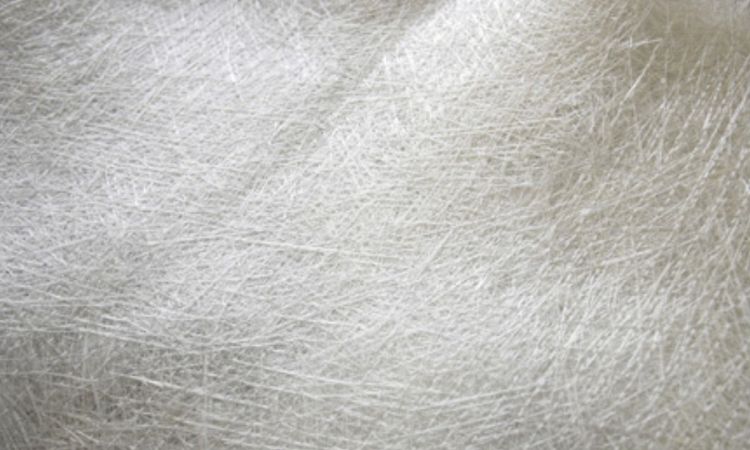
Fiberglass is a composite material made from glass fibers that are woven together into a fabric and combined with a resin to form a solid, strong structure. The result is a material that combines the lightweight properties of glass with the durability and strength of the resin. Fiberglass can be molded into various shapes and sizes, making it ideal for manufacturing items such as boat hulls, car bodies, insulation materials, pipes, and even furniture.
The process of creating fiberglass involves drawing glass fibers from molten glass, which are then spun or woven into a mat or cloth. The glass fibers are combined with a resin, such as polyester, vinyl ester, or epoxy, and are often cured in an oven or by applying heat. The resin binds the fibers together, resulting in a solid, hard material that retains the strength and flexibility of the glass while benefiting from the resin’s ability to resist weathering and corrosion.
Fiberglass is known for being highly adaptable. It can be used in a variety of applications, including as an insulator, structural reinforcement, and in watercraft, automotive parts, and even household items. However, like any material, it comes with its set of advantages and disadvantages, which must be understood before making a decision to use it in specific applications.
In this article, we will explore both the positive aspects and the potential drawbacks of fiberglass. We’ll look at 10 significant advantages and 10 notable disadvantages, providing you with a balanced perspective to make an informed decision.
Pros of Fiberglass
1. High Strength-to-Weight Ratio
One of the most celebrated features of fiberglass is its high strength-to-weight ratio. Despite being lightweight, fiberglass can offer remarkable strength and durability, making it ideal for applications where weight is a concern, but strength is also necessary. This property makes it especially useful in industries like aerospace, automotive, and construction, where lightweight materials that still retain structural integrity are highly sought after.
Fiberglass is used in the production of components such as boat hulls, aircraft parts, and vehicle bodies, where reducing weight can improve fuel efficiency and performance without sacrificing durability. Its strength allows it to withstand heavy loads and endure harsh environmental conditions, all while remaining lighter than many alternative materials, such as metal or wood.
For instance, in the automotive industry, fiberglass is often used in body panels and components to help reduce the overall weight of the vehicle, which in turn improves fuel efficiency and reduces carbon emissions. Similarly, in construction, fiberglass-reinforced polymer (FRP) can be used for structural elements that require both strength and lightness, such as in bridges or skyscrapers.
2. Corrosion Resistance
Fiberglass is highly resistant to corrosion, which is one of its major advantages over metal materials. Unlike steel or aluminum, which can degrade over time when exposed to moisture, saltwater, or chemicals, fiberglass remains largely unaffected by these environmental factors. This makes it an excellent choice for applications where the material will be exposed to harsh environments, such as marine, chemical, or wastewater industries.
In marine applications, for example, fiberglass is often used to build boats, yachts, and ships because it doesn’t rust or corrode when exposed to water or salt. Similarly, fiberglass is used for piping systems in chemical plants, where it comes into contact with corrosive substances. Its ability to withstand environmental factors without degradation ensures that fiberglass components last longer, reducing maintenance costs and enhancing the longevity of the products.
Fiberglass is also resistant to rotting and mold, making it ideal for use in humid or damp environments like basements or areas prone to water damage. This corrosion resistance helps to improve the lifespan of fiberglass products, ensuring that they maintain their integrity over time.
3. Durability and Longevity
Fiberglass is a highly durable material that can withstand significant wear and tear. Its resistance to environmental degradation, including moisture, UV radiation, and temperature fluctuations, makes it a long-lasting option for many applications. Products made from fiberglass can retain their strength and performance over many years, even in challenging conditions.
For example, fiberglass roofing panels and insulation can last for decades without significant wear. Similarly, fiberglass boats, when maintained properly, can remain seaworthy for years without showing signs of deterioration. The durability of fiberglass makes it an excellent choice for applications where long-term performance is essential.
Because fiberglass is resistant to many of the common causes of material degradation, including rust, rot, and UV damage, it often requires less maintenance compared to other materials like wood or metal. This reduces the overall cost of ownership over time, making it a cost-effective solution in the long run.
4. Flexibility and Molding Capabilities
Fiberglass is a highly versatile material, particularly when it comes to shaping and molding. It can be easily molded into complex shapes and structures, which makes it an ideal material for custom manufacturing. Whether it’s used to create boat hulls, automotive parts, or decorative items, fiberglass can be shaped to meet the specific requirements of a project.
The molding capabilities of fiberglass allow it to be used in applications where precision is key. Fiberglass parts can be formed into intricate, custom designs that would be difficult or impossible to achieve with other materials like metal. This ability to be molded into specific shapes makes fiberglass a popular choice for a wide range of industries, including automotive, aerospace, construction, and even art and design.
Additionally, fiberglass is lightweight and easy to handle, which makes it easier to transport and install than heavier materials like metal or concrete. The ease with which fiberglass can be molded allows manufacturers to produce high-quality, custom parts quickly and efficiently.
5. Insulation Properties
Fiberglass is widely used as an insulating material due to its excellent thermal and acoustic insulation properties. It helps to reduce heat transfer, making it ideal for use in buildings, pipes, and appliances where temperature control is essential. This can lead to significant energy savings by reducing the need for heating or cooling in homes, offices, and industrial settings.
Fiberglass insulation is often used in walls, attics, and ceilings to help maintain comfortable indoor temperatures. It is also used in industrial applications, such as in the insulation of pipes, tanks, and other equipment where temperature regulation is important. The material’s ability to insulate against both heat and sound makes it highly effective in a wide range of applications.
Furthermore, fiberglass insulation is non-combustible, making it a fire-resistant option for protecting buildings and infrastructure. This adds an extra layer of safety, particularly in areas where fire prevention is a priority, such as in homes, schools, hospitals, and industrial facilities.
6. Cost-Effective
Fiberglass is often more affordable than many other materials that offer similar benefits. When compared to metals like steel or aluminum, fiberglass is generally less expensive to produce and process. The raw materials used to make fiberglass, including sand and soda ash, are also relatively inexpensive, making the production process cost-effective.
This cost-effectiveness makes fiberglass an attractive choice for manufacturers and consumers alike. In construction, fiberglass insulation is typically more affordable than alternatives like spray foam or cellulose, offering similar energy-saving benefits at a lower price. In automotive manufacturing, fiberglass is often used for parts that need to be both lightweight and strong, providing a cost-effective alternative to more expensive materials like carbon fiber.
Additionally, the durability and longevity of fiberglass mean that the material often requires less maintenance over time, further reducing costs. With its low initial cost and long lifespan, fiberglass presents an economical solution for many applications.
7. Environmentally Friendly
While fiberglass itself is not biodegradable, it is considered an environmentally friendly option when compared to other materials like metal and plastic. Fiberglass is made from natural materials like sand and glass, and its production generates fewer harmful emissions than the manufacturing of metals like steel or aluminum.
Additionally, fiberglass products are highly durable, which means that they last longer and do not need to be replaced as frequently. This durability helps reduce waste over time, as fiberglass products typically require fewer repairs or replacements compared to other materials. Furthermore, fiberglass is often recyclable, and efforts are being made to develop methods for recycling fiberglass into new products, reducing its environmental impact.
As more industries move toward sustainable practices, the use of fiberglass in applications like construction, automotive, and marine manufacturing is expected to increase, as it is considered a more eco-friendly alternative to other materials.
8. Fire-Resistant
Fiberglass is inherently fire-resistant, making it a safe choice for applications where fire prevention is a concern. Unlike materials like wood or plastic, fiberglass does not easily catch fire or contribute to the spread of flames. This makes it an ideal material for use in areas such as building construction, automotive manufacturing, and marine applications, where fire safety is a critical concern.
In the construction industry, fiberglass is often used in fire-resistant insulation, doors, and windows to protect buildings from potential fires. In the automotive industry, fiberglass body panels and components help to reduce the risk of fire hazards in vehicles. Additionally, fiberglass is used in protective clothing, such as fire suits for firefighters, due to its ability to withstand high temperatures.
The fire-resistant properties of fiberglass help to improve the safety of products and structures, making it a valuable material in a wide range of industries.
9. Lightweight
Fiberglass is significantly lighter than many alternative materials, such as steel, wood, and concrete. This makes it easier to handle, transport, and install, reducing labor and shipping costs. In industries where weight is a concern—such as aerospace, automotive manufacturing, and marine construction—fiberglass’s lightweight nature is a major advantage.
In transportation, for example, the use of fiberglass in vehicles, boats, and aircraft can improve fuel efficiency by reducing overall weight. Lighter vehicles require less energy to move, which leads to lower fuel consumption and reduced emissions. The reduced weight of fiberglass also makes it easier to manufacture and handle, contributing to lower production costs.
10. Low Maintenance
Fiberglass is a low-maintenance material, requiring little care to keep it in good condition. Unlike wood, which can warp, rot, or require regular painting, fiberglass products retain their shape and appearance for years with minimal upkeep. The material is resistant to UV degradation, moisture, and temperature fluctuations, which means that it doesn’t require frequent repairs or replacements.
In marine applications, fiberglass boats require less maintenance than wooden boats, as they don’t need to be repainted or resealed as often. Similarly, in construction, fiberglass roofing and insulation maintain their integrity without the need for regular upkeep, which reduces long-term maintenance costs.
Cons of Fiberglass
1. Health Hazards During Manufacturing
One of the main drawbacks of fiberglass is the potential health hazards it poses during the manufacturing and installation processes. The fine glass fibers that make up fiberglass can irritate the skin, eyes, and lungs, particularly when handled improperly. Inhaling fiberglass dust can cause respiratory issues, including coughing, shortness of breath, and even long-term lung damage if exposure is prolonged.
Workers involved in the production of fiberglass or the installation of fiberglass products need to take proper precautions, such as wearing protective gear like gloves, goggles, and masks, to minimize the risk of injury. While fiberglass is generally safe once it has been installed, the dust and fibers produced during its manufacturing and installation phases can pose a significant health risk.
2. Environmental Impact of Production
While fiberglass is considered an environmentally friendly material in many respects, its production can have a negative environmental impact. The process of creating fiberglass involves the use of non-renewable resources like sand and soda ash, and the energy-intensive nature of fiberglass production can result in significant carbon emissions. The manufacturing process also generates waste, such as resin offcuts and other byproducts, which may be difficult to dispose of sustainably.
Additionally, although fiberglass is recyclable in some cases, the recycling process is not as straightforward as that of metals or plastics. Fiberglass is often discarded in landfills when it reaches the end of its life cycle, contributing to waste accumulation.
3. Brittleness and Risk of Cracking
Although fiberglass is strong and durable, it is also relatively brittle. This means that while it can withstand stress and impact, it is more likely to crack or break under certain conditions. For example, fiberglass boat hulls or automotive body panels can develop cracks if they are hit hard or subjected to extreme pressure.
This brittleness makes fiberglass less ideal for applications where impact resistance is a critical factor. In some cases, fiberglass components may need to be reinforced with additional materials or protective coatings to prevent cracking or damage.
4. Limited UV Resistance
While fiberglass is resistant to UV radiation, it is not completely immune to it. Over time, prolonged exposure to UV rays can cause the resin in fiberglass to degrade, leading to discoloration, fading, and weakening of the material. This is especially true for fiberglass products that are exposed to direct sunlight for long periods, such as outdoor furniture, boat hulls, or roofing materials.
To counteract this issue, fiberglass products are often coated with UV-resistant finishes, but these coatings can wear off over time, requiring reapplication. Additionally, UV degradation can shorten the lifespan of fiberglass products, especially in outdoor environments.
5. Can Be Expensive in Some Applications
While fiberglass is generally cost-effective compared to materials like carbon fiber, it can still be expensive in certain applications. The cost of producing and molding fiberglass can be higher than that of other materials like plastic, especially for custom or complex shapes. Additionally, fiberglass-reinforced products may require specialized equipment and labor for installation, adding to the overall cost.
In industries like automotive or aerospace manufacturing, the cost of fiberglass components can add up quickly, particularly if large quantities are required. While fiberglass is generally more affordable than materials like carbon fiber, it can still be a significant investment for certain applications.
6. May Require Specialized Tools for Handling
Fiberglass products often require specialized tools for installation, cutting, and shaping. Unlike materials like wood or plastic, which can be easily cut with standard tools, fiberglass requires tools that are specifically designed for cutting and shaping composite materials. The use of specialized tools can add to the cost of using fiberglass and can make the installation process more time-consuming.
For example, cutting fiberglass requires specific saws, grinders, or cutting blades to ensure a clean, smooth edge. Additionally, fiberglass dust created during cutting or sanding can be hazardous, requiring protective gear and proper ventilation. These additional considerations can make fiberglass a less user-friendly material for DIY projects.
7. Not Ideal for All Structural Applications
While fiberglass is strong and durable, it may not be suitable for all structural applications. In high-load or high-stress environments, materials like steel or concrete may be more appropriate due to their superior strength and resistance to deformation. Fiberglass’s brittleness and limited tensile strength may make it less suitable for heavy-duty applications, such as large bridges or buildings that require exceptional load-bearing capacity.
In these cases, fiberglass may be used as a supplementary material rather than the primary structural component. For example, fiberglass may be used for reinforcement in concrete structures, but it is unlikely to replace materials like steel in load-bearing applications.
8. Not Biodegradable
While fiberglass is durable and long-lasting, it is not biodegradable. This means that once fiberglass products reach the end of their life, they do not break down naturally in the environment. The non-biodegradable nature of fiberglass raises concerns about its impact on landfills, where discarded fiberglass products can persist for many years without decomposing.
Recycling fiberglass is possible in certain cases, but the process is complicated and not as widespread as recycling for materials like glass, paper, or metal. As a result, much of the fiberglass used in construction, automotive, and other industries ends up in landfills, contributing to environmental waste.
9. Limited Aesthetic Appeal
While fiberglass can be molded into a variety of shapes and designs, its appearance is often considered less aesthetically pleasing than materials like wood or metal. Fiberglass can look plain or industrial, and its appearance may not fit well with certain design styles, particularly in more upscale or traditional settings.
For applications where aesthetics are important, such as in furniture design or home décor, fiberglass may not always be the best choice. While it can be painted or finished to improve its appearance, it still may not offer the same visual appeal as other materials.
10. Heavy in Large-Scale Applications
Although fiberglass is lightweight relative to materials like metal, it can become quite heavy when used in large-scale applications. For example, fiberglass boat hulls, roofing materials, and insulation panels can become cumbersome when they are produced at a larger scale. This weight can add to transportation and installation costs, as well as create challenges for handling and moving large fiberglass components.
In construction or infrastructure projects where weight is a concern, alternatives like lightweight metals or composites may be more suitable than fiberglass, especially if the material is required to cover a large area.
Conclusion
Fiberglass is a versatile and durable material that offers a wide range of benefits, including its strength, corrosion resistance, durability, and cost-effectiveness. It is used in a variety of industries, from automotive and construction to marine and insulation, and has proven to be an invaluable material in many applications. However, fiberglass is not without its drawbacks, including health and environmental concerns, brittleness, and limited aesthetic appeal.
When considering fiberglass for a project, it is important to weigh the pros and cons carefully. While it excels in certain areas, it may not be the best choice for every application. Understanding the limitations and advantages of fiberglass will help ensure that you make an informed decision based on the specific requirements of your project.
In conclusion, fiberglass remains a popular choice due to its impressive combination of properties, but it’s essential to consider both its strengths and its potential drawbacks before selecting it for a particular use.