
Managing personal finances is a crucial aspect of leading a stress-free and financially secure life. However, one of the greatest financial challenges many people face is dealing with credit card debt. With high-interest rates, late fees, and the complexity of managing multiple payments across various credit card accounts, it’s easy for the debt to spiral out of control.
As a solution to this predicament, many individuals turn to credit card balance transfers, which can be a powerful tool in consolidating debt and reducing interest rates. By transferring the balance from a high-interest credit card to one with a lower or 0% introductory APR, individuals can save money on interest and focus on paying down their debt faster.
Despite their advantages, balance transfers come with their own set of challenges and risks. While they can make it easier to manage multiple credit card debts by consolidating them into one payment, they also come with fees, restrictions, and the potential to create new debt if not used responsibly.
This article will delve deeply into the pros and cons of credit card balance transfers, examining how they work, who can benefit from them, and the potential drawbacks that consumers should be aware of. By the end of this guide, you’ll be equipped with the knowledge to determine whether a balance transfer is the right move for your financial situation.
What Is Credit Card Balance Transfer?
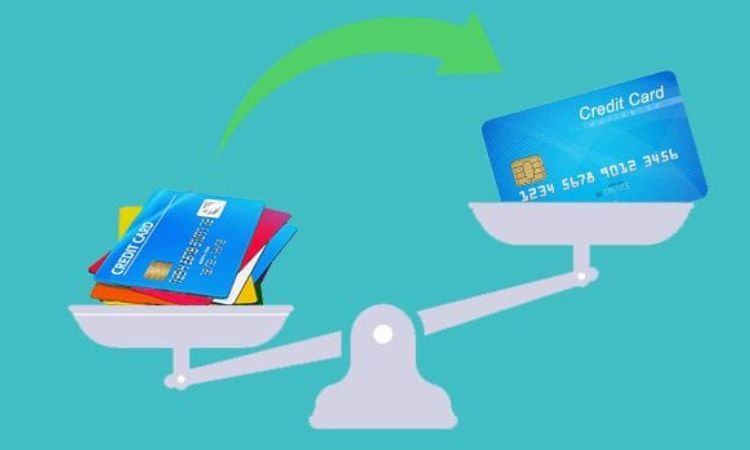
A credit card balance transfer involves moving the outstanding balance from one or more existing credit cards onto a new credit card that offers a lower interest rate, typically with a 0% APR for a promotional period (which can last anywhere from 12 to 18 months). The goal of a balance transfer is to reduce the amount of interest you’re paying on your existing debt and make it easier to pay off by consolidating multiple balances into one.
For instance, if you have three different credit cards with balances on each one, and they all carry high-interest rates (say 20%), a balance transfer to a new card offering 0% APR for 12 months can save you a lot of money in interest. During the promotional period, your entire payment will go toward reducing the principal balance. Once the promotional period expires, however, the interest rate will jump, often to a much higher rate.
It is important to note that credit card issuers typically charge a balance transfer fee, which is generally around 3% to 5% of the transferred amount. This can add up quickly if you are transferring a large balance, so it’s important to weigh the cost of the fee against the potential interest savings.
How Does Credit Card Balance Transfer Work?
When you transfer a balance, you essentially pay off the debt from one credit card with another. Here’s how the process typically works:
- Find a Balance Transfer Offer: Research different credit cards offering balance transfer promotions, such as 0% APR for a specific period. Ensure you understand all terms and fees involved.
- Apply for the Card: If you meet the eligibility requirements (usually having a good credit score), you can apply for the card. If approved, you’ll receive the card and the credit limit.
- Initiate the Transfer: Once you have the card, you can initiate the transfer by providing the details of your existing credit card debt. You can transfer balances from multiple cards, provided the new credit card issuer’s terms allow it.
- Repay Your Debt: After the transfer is complete, you’ll have a single debt to focus on. The goal is to pay off the balance before the 0% APR period ends to avoid paying interest on the remaining balance.
- Avoid New Charges: To avoid increasing your debt, refrain from making new purchases on the new balance transfer card unless you are sure you can pay off those charges immediately.
Who Should Use Credit Card Balance Transfer?
Credit card balance transfers can be an excellent option for people who:
- Carry High-Interest Debt: If you’re struggling with high-interest credit card debt, a balance transfer can save you significant amounts of money on interest. This is particularly true if you are currently paying an interest rate upwards of 20% or more.
- Have Multiple Credit Card Balances: If you have balances on multiple credit cards, consolidating them into one account can make your financial situation easier to manage. Instead of keeping track of several different payments, you’ll only need to worry about one.
- Have a Clear Repayment Plan: A balance transfer works best if you have a clear strategy to pay off the debt within the promotional period. It’s essential that you are disciplined in your payments, as failing to pay off the balance before the interest rate increases could undo the benefits.
- Have Good to Excellent Credit: Many of the best balance transfer cards require a good or excellent credit score for approval. This is because credit card companies want to minimize their risk by offering low-interest promotions to people who have a history of managing their credit well.
Pros of Credit Card Balance Transfer
1. Lower Interest Rates
The most significant benefit of a credit card balance transfer is the potential for dramatically lowering the interest rate on your existing credit card debt. Many balance transfer cards offer a 0% APR for an introductory period, which can last anywhere from 6 months to 18 months. During this time, you are not paying any interest, which allows all of your payments to go toward paying down the principal balance.
If you have a high-interest credit card with an APR of 20% or more, a balance transfer to a 0% APR card can help you save hundreds or even thousands of dollars in interest, depending on your balance. This provides an excellent opportunity to pay down your debt more quickly without losing a large portion of your payment to interest charges. Additionally, some balance transfer cards offer relatively low post-introductory APRs, so even after the promotional period ends, the interest rate may still be more favorable than your original card.
2. Simplified Debt Repayment
For many people with multiple credit cards and varying due dates, keeping track of all the payments can be overwhelming. A balance transfer allows you to consolidate your debt into one credit card, which simplifies the repayment process. Instead of managing multiple due dates and payment amounts across various cards, you can focus on paying off just one debt. This reduces the risk of missing payments, which can incur late fees and hurt your credit score.
Having a single monthly payment makes it easier to stay organized and ensures you don’t accidentally overlook a payment. Additionally, with one balance to focus on, it’s easier to create a solid repayment plan, which is essential for paying off the debt on time.
3. Potential to Pay Off Debt Faster
With lower interest rates, especially during the 0% APR promotional period, a balance transfer allows you to make significant progress in paying off your debt. For example, if you are paying high-interest rates, a large portion of your monthly payment may go toward interest rather than reducing the principal. When you transfer the balance to a 0% APR card, more of your payment will be directed at the principal balance, which can accelerate the rate at which you pay off your debt.
This is especially beneficial if you are committed to paying off your debt during the promotional period. By dedicating extra funds to your monthly payments, you could eliminate the balance well before the interest-free period expires.
4. Avoiding Accrued Interest
When you carry a balance on a credit card, the interest compounds on the outstanding balance, meaning the longer you take to pay off your debt, the more interest you’ll accrue. A balance transfer can help you avoid this situation by moving your balance to a card with 0% APR. During the promotional period, the interest will not accrue, allowing you to make progress without having to worry about the interest pile-up.
For instance, if you are carrying a $5,000 balance with a 20% APR, you might end up paying $1,000 or more in interest over the course of a year. A 0% APR balance transfer can eliminate this cost and give you more time to focus on paying down the principal.
5. Easier to Manage Multiple Debts
For individuals with several credit card balances, managing payments across different cards can be complicated and stressful. A balance transfer allows you to combine multiple balances into a single account, simplifying your finances and giving you a clearer picture of your total debt. Instead of remembering various due dates and payment amounts, you only need to focus on one payment.
This can be particularly helpful if you’re trying to pay off debt in a structured manner. You can set up automatic payments for your new balance transfer card, which reduces the chances of forgetting a payment and incurring late fees.
6. Improved Credit Score (If Managed Well)
Managing a balance transfer card responsibly can improve your credit score over time. This is because paying down your debt reduces your credit utilization rate (the percentage of your available credit that you’re using). Credit utilization is a significant factor in your credit score, so lowering your balance can boost your score.
Additionally, by consolidating debt and making consistent payments on your balance transfer card, you demonstrate responsible credit management, which could have a positive impact on your credit report.
7. Better Control Over Debt
A balance transfer offers the opportunity to regain control over your finances. If you’ve been juggling debt on multiple credit cards, consolidating it onto one card can give you more control over how quickly you pay off the debt and ensure that the money you’re spending is going toward reducing the principal balance, rather than just paying off interest.
For individuals who feel overwhelmed by debt, consolidating it into one manageable payment can provide a sense of relief and a clear path forward. It eliminates the chaos of dealing with multiple creditors and gives you the power to take charge of your financial future.
8. No Need to Close Old Accounts Immediately
After completing a balance transfer, you don’t have to close the old credit card accounts immediately. In fact, keeping those accounts open can help improve your credit score by increasing your available credit. This is beneficial because it lowers your overall credit utilization rate, which is an important factor in determining your credit score.
However, it’s important not to use the old accounts to accumulate new debt, as this can undermine the benefits of the balance transfer.
9. Special Promotional Offers and Rewards
Some credit cards offering balance transfers come with additional perks, such as cashback rewards or points for purchases made on the card. Although the primary focus of a balance transfer is to pay off existing debt, these rewards can be an added bonus, allowing you to earn some extra benefits as you pay down your balance.
However, it’s important to avoid overspending in order to take full advantage of the rewards. If you use the card for purchases while carrying a balance, the interest on those new charges may accumulate quickly, eroding the benefits of the transfer.
10. No Need for a Personal Loan
A balance transfer can often be a more accessible option than applying for a personal loan. If you have a good credit score, you may be eligible for a credit card with a 0% APR promotional period without having to go through the lengthy loan application process. This can be an easier and faster way to consolidate your debt, especially if you don’t have access to other forms of credit.
Cons of Credit Card Balance Transfer
1. Balance Transfer Fees
While the interest rates on balance transfer cards can be low or even 0% during the introductory period, most credit cards charge a balance transfer fee. This fee typically ranges from 3% to 5% of the amount being transferred. For example, if you’re transferring a balance of $5,000, the fee could be anywhere from $150 to $250.
Although the savings on interest can offset this fee in some cases, it’s essential to calculate whether the fee will negate the benefits of the transfer. If you’re transferring a large balance, the fee can quickly add up, so it’s important to compare the costs and weigh the pros and cons.
2. High Interest After Promotional Period
One of the major risks of a balance transfer is the high interest rate that kicks in once the introductory period ends. Many cards offer 0% APR for 12 to 18 months, but once that period expires, the interest rate can increase dramatically—sometimes as high as 20% or more. If you haven’t paid off the balance before the promotional period ends, you could end up with even higher interest charges than you had on your original card.
It’s crucial to carefully assess the terms of the card before transferring the balance to ensure that you can pay off the debt within the interest-free period. Otherwise, the long-term costs could outweigh the short-term savings.
3. Temptation to Accumulate More Debt
A balance transfer can be a double-edged sword. While it helps you eliminate existing debt, it can also tempt you to rack up more debt. After transferring your balance to a new card, it may feel like you’ve been “given a fresh start.” However, if you don’t exercise restraint, you may find yourself using the card to make new purchases, which could lead to accumulating even more debt.
If you fail to change your spending habits, you may end up in a cycle of debt, where you continually rely on balance transfers to manage your credit. It’s essential to use the balance transfer as an opportunity to adopt better financial habits and avoid accumulating more debt.
4. Affects Your Credit Score (Initially)
Although a balance transfer can eventually help improve your credit score, it can also hurt your credit in the short term. This is because transferring a large balance to a new card can increase your credit utilization rate, which temporarily lowers your credit score.
Credit utilization is one of the major factors affecting your credit score, and when you transfer a large balance, it increases the percentage of your available credit that is being used. However, if you pay down the balance over time, your credit score could improve as your credit utilization rate decreases.
5. May Not Be Available to Everyone
Balance transfer cards are generally available only to those with good to excellent credit. If you have a lower credit score, you may not qualify for the best balance transfer offers or may be denied altogether. Even if you are approved, you may be offered a card with a higher interest rate or a shorter 0% APR promotional period.
If your credit score is not ideal, you may need to consider other methods for managing your debt, such as consolidating with a personal loan or working directly with your creditors.
6. Requires Disciplined Repayment
To take full advantage of the benefits of a balance transfer, you must have the discipline to pay off the transferred balance within the promotional period. If you do not manage your payments carefully, you could find yourself accumulating high-interest charges once the introductory period expires. Without a clear repayment plan, a balance transfer can quickly turn into a financial burden rather than a helpful tool.
7. Limited Time to Pay Off Debt
The 0% APR period is typically temporary, ranging from 6 to 18 months. This means that you only have a set amount of time to pay off your balance before the interest rate returns to a higher, often variable, rate. If you don’t have a solid plan to pay off your balance within this time frame, you may end up paying high-interest rates after the introductory period ends.
For instance, if you carry a balance of $5,000 and only make minimum payments, you might not be able to clear the balance in time. Once the 0% APR period expires, the remaining balance may be subject to interest rates of 15% to 25%, making the remaining debt much harder to pay off.
Therefore, if you are considering a balance transfer, it is important to carefully calculate your monthly payments and ensure that you can realistically pay off your debt before the interest rate increases. Otherwise, you may face an even more challenging financial situation once the 0% period ends.
8. Not All Debts Are Eligible for Transfer
Not all types of debt are eligible for a balance transfer. For example, cash advances, certain types of loans, and some other forms of debt may not be transferable to a new credit card. This limits the usefulness of balance transfers for those looking to consolidate various types of debt. Additionally, some cards may impose restrictions on the amount of debt you can transfer, further reducing the flexibility of this option.
Another issue is that some issuers limit the amount you can transfer based on your credit limit. If your debt exceeds the available credit limit on the new balance transfer card, you may not be able to transfer the entire amount, which could mean that you’re still left with multiple debts to manage.
Before applying for a balance transfer, be sure to read the terms and conditions carefully to verify which debts are eligible for transfer and to confirm that the transfer will cover the entirety of your outstanding balances.
9. May Lead to Accruing New Debt
A common pitfall of using balance transfers is the temptation to incur additional debt on the same card after transferring the old balances. If you start using the new balance transfer card for purchases, you could quickly find yourself in a situation where you’re paying interest on both your transferred balance and your new purchases.
This can be a significant setback because the new purchases will often not be covered by the 0% APR offer, and interest charges will begin to accumulate immediately on those transactions. Therefore, while consolidating debt may seem like a fresh start, it’s essential not to fall into the trap of adding new charges to the card, as this can easily reverse the progress you’ve made.
To avoid this, it’s critical to avoid using the balance transfer card for anything other than paying off the transferred debt. If you do need to make purchases, consider doing so on a separate card with an established repayment plan.
10. Promotional Period Terms Can Vary
The terms of balance transfer offers vary significantly between credit card issuers. While some may offer a 0% APR for up to 18 months, others may provide shorter promotional periods or higher balance transfer fees. The specifics of the offer, including the length of the promotional period and the balance transfer fee, can drastically impact the savings you’ll receive from the transfer.
For example, a card that offers a 0% APR for only 6 months with a high balance transfer fee may not be as beneficial as one with an 18-month 0% APR offer, even with a similar fee. It’s essential to carefully read the terms and compare various balance transfer offers to ensure you choose the one that best suits your financial goals.
Moreover, some cards might offer additional restrictions, such as limits on the amount of debt you can transfer or conditions that could affect your eligibility for the 0% APR offer. Ensure you thoroughly review the fine print before proceeding with a balance transfer.
Conclusion
A credit card balance transfer can be a powerful tool for managing and reducing high-interest credit card debt, offering a chance to consolidate multiple debts into one manageable payment with lower or no interest for a limited time. If used strategically, balance transfers can help you pay off your debt faster, save money on interest, and improve your overall financial situation.
However, balance transfers are not without their risks. The fees associated with transferring balances, the potential for higher interest rates after the introductory period ends, and the temptation to accumulate new debt all present challenges that must be carefully considered. To maximize the benefits of a balance transfer, you must have a solid repayment plan, a clear understanding of the terms of the offer, and a commitment to avoiding new debt during the promotional period.
Ultimately, balance transfers can be an effective solution for individuals committed to becoming debt-free and who are willing to take responsibility for their financial habits. By weighing the pros and cons, understanding how the process works, and planning your repayment strategy, you can make an informed decision on whether a balance transfer is the right choice for you.