
Berkshire pigs are one of the oldest and most celebrated pig breeds in the world, renowned for their exceptional meat quality and rich heritage. Originating from Berkshire County, England, this breed has a history dating back over 300 years.
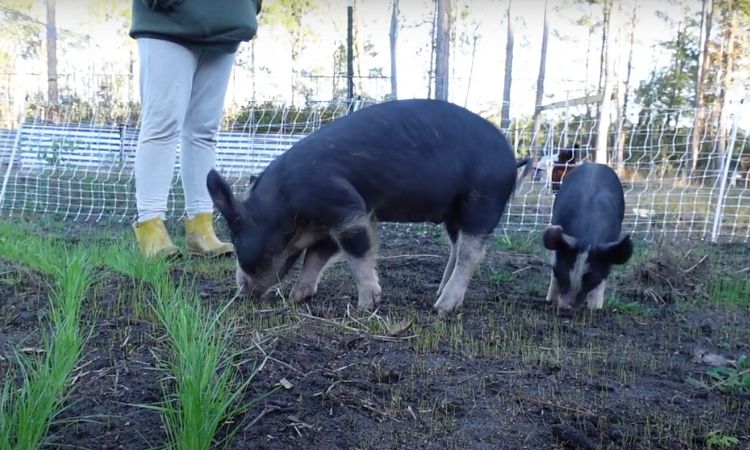
Known for their distinct black coat with white points on their legs, snout, and tail, Berkshire pigs are highly prized for their marbled, flavorful pork, which is often likened to the “Kobe beef of pork.”
Their meat commands premium prices in niche markets and is sought after by chefs and consumers who value its tenderness and superior taste.
While Berkshires are praised for their adaptability, hardiness, and friendly temperament, they may not be the ideal choice for every farming setup. They grow more slowly than commercial hybrid breeds, have higher feed requirements, and rely on access to specialized markets to achieve profitability.
This article will discuss 10 detailed pros and 10 cons of Berkshire pigs to help farmers, hobbyists, and pork enthusiasts evaluate whether this breed aligns with their goals and resources.
Pros Of Berkshire Pigs
1. Exceptional Meat Quality
Berkshire pigs are celebrated for their unparalleled meat quality. Their pork is deeply marbled with intramuscular fat, resulting in tender, juicy, and flavorful cuts that stand out from standard pork. This rich taste and succulent texture make Berkshire pork a favorite among high-end chefs, restaurants, and specialty markets.
The breed’s meat is often compared to Wagyu beef for its luxurious quality and unique flavor profile, which fetches premium prices. Additionally, the higher fat content enhances cooking versatility, making Berkshire pork ideal for grilling, roasting, or slow-cooking. Farmers who raise Berkshires can capitalize on their reputation for producing gourmet pork, ensuring a steady demand from discerning customers. For small-scale producers catering to niche markets, this meat quality can provide significant profit margins.
2. Friendly And Docile Temperament
Berkshire pigs are known for their friendly and docile temperament, making them easy to manage and ideal for farmers with limited experience or small-scale operations. Their calm nature reduces stress for both the animals and their handlers, leading to better overall health and productivity.
Unlike more aggressive breeds, Berkshires are less likely to cause injuries to handlers or other pigs, making them safer to raise. Their cooperative behavior is particularly advantageous for hobby farmers, families, or those working in close proximity to their livestock. For individuals who enjoy interacting with their animals, the docility of Berkshires enhances the farming experience, fostering a bond between farmers and their pigs.
3. Hardy And Adaptable
Berkshire pigs are highly adaptable to various climates and farming systems. They thrive in both free-range and confined settings, making them suitable for different types of agricultural operations. Their hardiness allows them to tolerate cold weather effectively, making them a dependable choice in temperate and cooler regions.
This resilience reduces the need for extensive housing or heating systems, lowering initial investment costs. Furthermore, their adaptability means they can be raised on small farms, in backyard setups, or in larger commercial operations. Farmers appreciate their ability to perform well in diverse environments, making Berkshires a versatile breed for various farming needs.
4. High Fertility And Strong Maternal Instincts
Berkshire sows are highly fertile and known for producing robust litters. They exhibit strong maternal instincts, ensuring the safety and well-being of their piglets. This natural care reduces the need for intensive supervision during farrowing and early rearing, allowing farmers to focus on other tasks.
Berkshire piglets have high survival rates due to their mothers’ attentiveness, making the breed a reliable option for breeding operations. Additionally, their fertility and nurturing abilities make them an excellent choice for farmers looking to expand their herds sustainably. The breed’s reproductive efficiency, combined with its ability to raise healthy piglets, ensures consistent production for both meat and breeding purposes.
5. High Market Demand For Niche Pork
The premium quality of Berkshire pork creates strong demand in niche markets, including gourmet restaurants, specialty butcher shops, and direct-to-consumer sales. Consumers who prioritize flavor, sustainability, and humane farming practices are often willing to pay a premium for Berkshire pork.
This market advantage allows farmers to target high-income customers, ensuring higher profit margins compared to standard pork. Additionally, the rise of farm-to-table dining and consumer awareness of heritage breeds have bolstered the appeal of Berkshire pork. Farmers who successfully position their Berkshire products as premium offerings can enjoy a stable and lucrative revenue stream.
6. Fast Weight Gain Potential
Although not as fast-growing as some commercial breeds, Berkshire pigs demonstrate respectable weight gain when provided with a balanced diet and proper care. They typically reach market weight (250–280 pounds) within 6–8 months, offering a reasonable turnaround time for meat production.
Their ability to convert feed efficiently into high-quality pork ensures good returns for farmers focused on premium pork production. While they may not compete with commercial hybrids in terms of growth speed, their meat quality and market value often justify the slightly longer production time. This makes Berkshires a viable option for farmers prioritizing quality over quantity.
7. Disease Resistance
Berkshire pigs have robust immune systems and are generally resistant to many common swine diseases. This natural health advantage reduces the need for frequent veterinary interventions, lowering medical expenses for farmers. Their resilience also minimizes the risk of significant herd losses due to illness, providing peace of mind to farmers operating on tight margins.
For organic or low-input farming systems, Berkshires are particularly appealing, as their hardiness aligns with sustainable practices that limit the use of antibiotics or synthetic treatments. This health advantage makes them a low-risk option for small-scale and first-time farmers.
8. Excellent Grazing And Foraging Ability
Berkshire pigs excel at grazing and foraging, making them ideal for pasture-based farming systems. They are highly efficient at finding food in natural environments, which can significantly reduce feed costs. By supplementing their diet with roots, grasses, and insects, Berkshires contribute to environmentally friendly farming practices.
Their rooting behavior also provides ecological benefits, such as soil aeration and nutrient mixing, which can enhance pasture health. Farmers who prioritize sustainability and cost efficiency can leverage the breed’s foraging abilities to create a productive and eco-friendly operation.
9. Attractive Appearance
Berkshires are easily recognizable by their distinctive black coats with white points on their legs, snout, and tail. This attractive appearance makes them a favorite at agricultural fairs, breed shows, and community events. Their visual appeal can also attract customers in direct-to-consumer sales, enhancing the marketability of Berkshire pork.
Farmers take pride in raising a breed that is not only productive but also aesthetically pleasing, adding an element of satisfaction to their work. For hobbyists and small-scale farmers, the breed’s unique look contributes to its charm and popularity.
10. Sustainable Farming Potential
Berkshire pigs align well with sustainable and humane farming practices, thanks to their adaptability, foraging ability, and natural health advantages. They thrive in free-range systems, allowing farmers to raise them in environmentally friendly ways that meet consumer demand for ethical meat production.
Their ability to produce high-quality pork with minimal reliance on industrial farming methods makes them a cornerstone of sustainable agriculture. Farmers who market Berkshire pork as a product of humane and eco-conscious farming can differentiate themselves in competitive markets, building a loyal customer base.
Cons Of Berkshire Pigs
1. Higher Feed Costs
Berkshire pigs require more feed compared to commercial breeds due to their slower growth rate and larger size. This can significantly increase production costs, particularly for farmers relying on purchased feed. While their ability to forage can offset some expenses, maintaining optimal growth and meat quality often necessitates high-quality feed.
For farmers operating on tight budgets, the higher feed requirements of Berkshires may present a challenge. Balancing feed efficiency with profitability is crucial to ensure the economic viability of raising this breed.
2. Slower Growth Rate
One of the notable drawbacks of Berkshire pigs is their slower growth rate compared to commercial hybrid breeds like Landrace or Yorkshire. While Berkshires are valued for their meat quality, they take longer to reach market weight, often requiring 6–8 months compared to 4–6 months for faster-growing breeds. This extended growth period increases the time and resources needed to raise them, including feed, labor, and housing costs.
For farmers who prioritize quick production cycles and rapid returns on investment, this slower growth can pose a disadvantage. While the premium price of Berkshire pork can offset the longer growth period, farmers must carefully manage their operations to ensure profitability. This trade-off makes Berkshires better suited for markets that value quality over quantity, but less ideal for high-volume production systems.
3. Lower Litter Size Compared To Commercial Breeds
Although Berkshire sows are fertile and exhibit strong maternal instincts, their litter sizes are typically smaller than those of commercial breeds. A Berkshire sow may produce 6–8 piglets per litter, whereas commercial breeds like Yorkshire or Large White can average 10–12 piglets. This lower reproductive output can limit the scalability of Berkshire pig operations, especially for farmers focused on maximizing production.
For breeders, fewer piglets per litter mean reduced overall herd growth, which may impact profitability in systems relying on high turnover. Additionally, the smaller litter size makes Berkshires less competitive for large-scale pork production, where high-volume breeding is essential for meeting market demands.
4. Higher Purchase Price
Berkshire pigs are often more expensive to purchase than other breeds due to their reputation for premium meat and heritage status. The initial cost of acquiring Berkshire breeding stock can be a significant investment for new or small-scale farmers. This higher purchase price reflects their value as a specialty breed but can pose a financial hurdle for those operating on tight budgets.
Additionally, the cost of replacing sows or boars may exceed that of more common breeds, further increasing long-term expenses. Farmers must weigh the benefits of premium meat production against the higher upfront costs to determine if Berkshires align with their financial goals.
5. Specialized Market Dependency
The success of raising Berkshire pigs heavily depends on access to specialized markets that value premium-quality pork. While Berkshire pork commands higher prices in niche markets, it may not appeal to mainstream consumers accustomed to lower-cost products. Farmers must invest time and effort into marketing their pork to high-end restaurants, specialty stores, or direct-to-consumer channels.
Without a well-developed market for premium pork, selling Berkshire pigs at a profit can be challenging. This reliance on niche markets makes it essential for farmers to conduct thorough market research and establish a loyal customer base before committing to raising Berkshires.
6. Susceptibility To Sunburn
Despite their hardy nature, Berkshire pigs are prone to sunburn, particularly on their light-colored areas, such as their snouts and legs. This susceptibility can cause discomfort, stress, and health issues if they are exposed to excessive sunlight without adequate shade. Farmers raising Berkshires in open pastures or hot climates must provide proper shelter and shade structures to protect their pigs.
Additionally, sunburn can lead to secondary infections or reduced productivity, further emphasizing the need for careful management. For farmers in regions with intense sun exposure, the added costs of shade and cooling measures may impact overall profitability.
7. Increased Labor For Free-Range Systems
While Berkshires thrive in free-range systems, managing these setups requires more labor compared to confinement farming. Tasks such as rotational grazing, maintaining secure fencing, and monitoring for predators demand significant time and effort. Additionally, pasture-based systems may require frequent relocation of pigs to prevent overgrazing and maintain soil health.
Farmers without sufficient labor resources may find the workload of managing free-range Berkshires overwhelming. This added labor can increase operational costs and may not be feasible for those with limited time or manpower. Despite the benefits of free-range farming, the associated labor demands make it less practical for certain operations.
8. Market Saturation In Some Areas
In regions where Berkshire pork is already widely produced, the market can become saturated, making it difficult for new farmers to compete. An oversupply of Berkshire pork can drive down prices, reducing profitability for small-scale producers. Farmers entering established markets must differentiate their products through branding, storytelling, or value-added processing to capture consumer attention.
Without a unique selling proposition, competing in saturated markets can be challenging, especially for newcomers. Conducting market research and identifying underserved areas or niche opportunities is crucial for avoiding the pitfalls of market saturation.
9. Limited Versatility For Commercial Pork Production
Berkshire pigs are primarily valued for their high-quality meat, but their slower growth rate, higher feed costs, and smaller litter sizes make them less versatile for large-scale commercial pork production. Commercial operations focused on high-volume, cost-efficient pork may find other breeds more suitable for their needs.
The emphasis on premium markets limits the scalability of Berkshire pig farming, as they cannot compete with faster-growing breeds in terms of sheer productivity. This limitation makes them less appealing for industrial-scale farming systems, where efficiency and low production costs are paramount.
10. Lack Of Heat Tolerance
Berkshire pigs are less tolerant of extreme heat compared to some other breeds, making them vulnerable to stress and reduced productivity in hot or humid climates. High temperatures can lead to heat exhaustion, decreased appetite, and slower growth rates, impacting overall performance. Farmers in warmer regions must invest in cooling systems, shade structures, and adequate water supplies to keep their pigs comfortable.
These additional costs can reduce the economic viability of raising Berkshires in such environments. For farmers operating in hot climates, choosing a more heat-tolerant breed may be a more practical solution.
Conclusion
Berkshire pigs offer a unique combination of exceptional meat quality, adaptability, and friendly temperament, making them a popular choice among small-scale farmers and gourmet pork producers. Their premium pork commands high prices in niche markets, and their ability to thrive in free-range systems aligns with sustainable farming practices.
However, the breed’s slower growth rate, higher feed costs, and dependency on specialized markets pose challenges for farmers focused on high-volume or cost-efficient production.
For those willing to invest in proper management and marketing, Berkshire pigs can be a rewarding choice, providing both financial and personal satisfaction. By considering the detailed pros and cons outlined in this article, you can determine whether Berkshire pigs are the right fit for your farming goals, resources, and market opportunities.