
American interventionism has been one of the most significant and often debated aspects of U.S. foreign policy. For much of the 20th and 21st centuries, the United States has been a major player in global geopolitics, frequently engaging in military, economic, and diplomatic interventions in various parts of the world. These interventions have often been justified under the banner of national security, the protection of democracy, the promotion of human rights, or the need to stabilize conflict-ridden regions.
Interventionism has shaped the U.S.’s role as a global superpower, particularly after World War II, when America took a leadership role in establishing international institutions like the United Nations, the World Bank, and NATO. The Cold War era further intensified U.S. interventions, primarily as a means of countering Soviet influence and supporting capitalist democracies.
In more recent years, the so-called “War on Terror” following the September 11, 2001 attacks has seen the U.S. engage in prolonged military interventions in Afghanistan and Iraq, with the goal of combating terrorism, promoting democracy, and stabilizing volatile regions.
However, American interventionism is a topic that generates intense debate. Proponents argue that it is essential for maintaining global peace and security, defending human rights, and preventing the spread of dangerous ideologies. Critics, on the other hand, point to the unintended consequences of these interventions, including loss of life, destabilization of regions, and growing resentment towards the U.S. worldwide. While the immediate outcomes of interventions may seem successful, the long-term results often remain uncertain or negative.
In this article, we will explore the pros and cons of American interventionism in a detailed and balanced manner, providing an in-depth look at both the positive and negative consequences of these interventions. We will evaluate whether American interventionism has ultimately been beneficial to the world or whether it has resulted in more harm than good. By examining specific cases, such as the U.S. interventions in the Middle East, Latin America, and Southeast Asia, this article will provide a comprehensive understanding of the impact of American interventionism.
What is American Interventionism?
American interventionism refers to the policy and practice in which the United States engages in the political, economic, or military affairs of other nations, often to influence or alter the status quo. These interventions can take many forms, such as direct military action, economic sanctions, foreign aid, diplomatic pressure, or even covert operations. The U.S. government justifies these actions based on a variety of goals, including national security, the promotion of democracy, the defense of human rights, the protection of economic interests, and maintaining global stability.
The rationale behind American interventionism has evolved over time, but its most enduring justifications have been the defense of freedom and democracy and the protection of U.S. interests. From the Monroe Doctrine in the 19th century, which asserted U.S. dominance in the Western Hemisphere, to the more recent interventions in Iraq and Afghanistan, the U.S. has long seen itself as a force for good in the world, willing to intervene when necessary to maintain peace and protect its values.
While American interventionism has been praised for promoting democracy and stability in some regions, it has also been criticized for often exacerbating conflicts, undermining sovereignty, and causing unintended consequences. The question of whether interventionism is a force for good or whether it leads to more harm than help remains a central theme in global discussions about the U.S.’s role in the world.
Why Should The U.S. Intervene?
There are several compelling reasons why the U.S. should intervene in global matters, particularly in conflicts and crises that affect international peace, security, and human rights. As one of the most influential and powerful nations in the world, the United States has both a moral and practical obligation to use its resources and capabilities to promote stability and justice around the globe.
One of the primary reasons for U.S. intervention is the protection of national security. In an interconnected world, events in one region can directly affect U.S. interests, from economic prosperity to homeland security. The U.S. has a responsibility to prevent the spread of terrorism, nuclear weapons, and authoritarian regimes that could pose direct threats. For example, military interventions in Afghanistan and Iraq, although controversial, were aimed at removing terrorist groups like al-Qaeda and preventing them from launching further attacks on American soil. Similarly, U.S. military presence in East Asia serves as a counterbalance to the growing influence of China, which could disrupt the global order.
Another key reason for intervention is the promotion of democracy and human rights. The U.S. has long been a proponent of democratic values and has a vested interest in preventing the rise of authoritarian regimes that violate the freedoms and rights of their citizens. By supporting democratic movements, the U.S. can help foster peace, prosperity, and stable governance in regions prone to dictatorship or repression. Furthermore, U.S. intervention is sometimes necessary to protect vulnerable populations from genocide, ethnic cleansing, or other forms of mass violence, as seen in Kosovo or the humanitarian interventions in Africa.
Lastly, U.S. intervention can help maintain global stability. As a superpower, the U.S. often steps in to prevent conflicts from escalating into larger wars that could destabilize entire regions and harm international trade, economics, and alliances. In many cases, U.S. involvement provides crucial diplomatic and military resources that help resolve conflicts and ensure that the global balance of power is maintained.
Why the U.S. Should Intervene in International Conflict
The U.S. should intervene in international conflicts when the stakes involve global peace, security, and humanitarian concerns. As the world’s foremost economic and military power, the U.S. has both the responsibility and the resources to prevent conflict escalation, safeguard democracy, and promote human rights worldwide. Intervention is often viewed as a necessary step in addressing regional instability that could have global consequences.
One key reason for U.S. intervention in international conflicts is the protection of global security and economic stability. When conflicts arise in strategically important regions, such as the Middle East or Eastern Europe, they can disrupt global supply chains, harm international trade, and create security risks. For example, the conflict in the Persian Gulf could have serious implications for global oil prices and supply, making U.S. intervention important to maintaining stability in the global economy. Moreover, conflicts that involve weapons of mass destruction or the rise of extremist groups can have far-reaching consequences, not just for the region, but for the world as a whole.
Another critical reason is the defense of democratic values and human rights. The U.S. has a long history of advocating for democracy, rule of law, and human rights. Intervention in cases of genocide, ethnic cleansing, or gross human rights violations can be seen as a moral obligation for the U.S., which has the power to protect vulnerable populations. Whether through military means or diplomatic pressure, U.S. intervention in cases like Bosnia, Kosovo, or Rwanda has been instrumental in stopping atrocities and fostering peace and reconciliation.
Additionally, U.S. intervention is often necessary to prevent the spread of authoritarianism. In some regions, conflicts between authoritarian regimes and pro-democracy movements may require U.S. support to ensure that democratic ideals are upheld and that oppressive regimes do not gain traction. This is especially true in regions where the geopolitical interests of the U.S. are at stake, such as in Latin America, the Middle East, or Eastern Europe, where the rise of authoritarianism can destabilize entire regions and create long-term security risks.
In conclusion, the U.S. has the resources, capabilities, and moral obligation to intervene in international conflicts that threaten global peace, security, and human rights. Intervention allows the U.S. to maintain its leadership role in the world, protect its interests, and foster global stability, while also standing up for democratic values and human dignity.
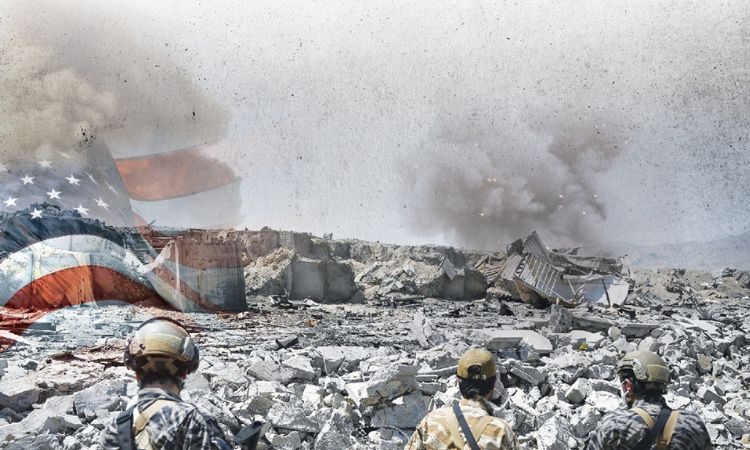
Pros of American Interventionism
1. Promoting Global Stability
One of the strongest arguments in favor of American interventionism is that it helps maintain global stability. As the world’s preeminent military and economic power, the U.S. has the capability to intervene in conflicts and crises that threaten international peace. Throughout history, American intervention has often helped to stabilize regions in turmoil, prevent the spread of authoritarian regimes, and curb the influence of hostile powers.
For instance, U.S. involvement in the two World Wars helped prevent the spread of fascism and communism, while NATO-led interventions in the Balkans during the 1990s helped bring an end to the ethnic conflict in the former Yugoslavia. In the aftermath of the Cold War, the U.S. also played a key role in containing regional conflicts and promoting diplomatic resolutions in places like Bosnia, Kosovo, and East Timor.
In regions where international conflict threatens to escalate into broader wars, American intervention can act as a stabilizing force. The U.S. has often used its military presence, economic leverage, and diplomatic clout to bring hostile parties to the negotiating table, reduce the risk of conflict, and ensure that international norms are adhered to. For example, in the Persian Gulf, U.S. military presence has been crucial in maintaining a balance of power, ensuring access to global energy supplies, and preventing the rise of aggressive powers like Iraq under Saddam Hussein.
In this sense, American interventionism is seen as a vital tool for preventing widespread instability and ensuring that violent conflicts do not spill over into global crises.
2. Defending Human Rights and Democracy
American interventionism is often justified as a means of promoting human rights and supporting democratic governance. Over the years, the U.S. has intervened in various countries to support democratic movements, overthrow authoritarian regimes, and protect vulnerable populations from genocide or oppression. In many cases, U.S. intervention has been framed as a moral imperative to defend basic human rights and ensure that citizens are able to live in free and democratic societies.
For example, the U.S. played a significant role in toppling the apartheid regime in South Africa, supporting anti-apartheid activists and providing diplomatic pressure to bring about change. U.S. intervention in Latin America, particularly in the 1980s, was often framed as a fight against communist influence, but it also included support for democratic movements in countries like Nicaragua and El Salvador. Similarly, the U.S. military intervention in Kosovo in 1999 aimed to prevent ethnic cleansing and protect civilians from atrocities committed by Serbian forces.
By supporting democratic movements and intervening in cases of human rights violations, American interventionism seeks to improve the quality of life for individuals in authoritarian or oppressive regimes. The idea is that by spreading democratic values, the U.S. can help create a more just and peaceful world, where individual freedoms and human dignity are respected.
3. Counteracting Terrorism and Extremism
After the attacks on September 11, 2001, the U.S. adopted an interventionist approach to counterterrorism, which has become a defining feature of its foreign policy in the 21st century. American military interventions, particularly in Afghanistan and Iraq, were motivated by the desire to disrupt terrorist networks, eliminate dangerous ideologies, and prevent future attacks on U.S. soil. The U.S. has used its military power, intelligence networks, and economic tools to target extremist groups like al-Qaeda, ISIS, and the Taliban, while also working with international partners to combat the spread of terrorism.
The U.S. military presence in Afghanistan, for instance, helped dismantle al-Qaeda’s base of operations and removed the Taliban from power, disrupting their ability to harbor and support terrorist activities. In addition to direct military intervention, the U.S. has provided intelligence support, economic assistance, and counterterrorism training to governments in regions like Africa, the Middle East, and Southeast Asia, where terrorism is a growing threat.
By intervening to counter terrorism and extremism, the U.S. aims to prevent the spread of radical ideologies that can lead to global instability and violence. U.S. intervention is often seen as an essential part of maintaining international security, particularly when terrorist groups operate across borders and pose a threat to global peace.
4. Humanitarian Aid and Disaster Relief
In addition to military interventions, the U.S. has also played a leading role in providing humanitarian aid and disaster relief in regions affected by natural disasters, poverty, or conflict. Through agencies like the U.S. Agency for International Development (USAID), the U.S. has contributed billions of dollars in aid, providing food, medical supplies, infrastructure, and disaster relief to countries in need.
U.S. humanitarian intervention has been especially important in regions struck by natural disasters, such as the 2004 tsunami in Southeast Asia and the 2010 earthquake in Haiti. In both instances, the U.S. government, alongside NGOs and military support, provided critical assistance to help communities rebuild and recover. Humanitarian aid also extends to ongoing crises, such as in refugee camps or conflict zones, where the U.S. helps provide food, shelter, and medical care to those displaced by war and poverty.
These efforts demonstrate the U.S.’s commitment to improving global welfare, particularly in times of crisis. Humanitarian intervention, whether through financial aid or boots on the ground, allows the U.S. to respond to urgent needs and contribute to global stability by helping those who are most vulnerable.
5. Protecting American Interests Abroad
American interventionism is often driven by the need to protect U.S. national security and economic interests abroad. The U.S. has significant global economic, military, and political interests that it seeks to protect through intervention. These interests include access to vital resources (such as oil), ensuring open trade routes, maintaining alliances with key partners, and preventing the rise of hostile powers that could undermine U.S. influence.
For example, U.S. intervention in the Middle East has often been framed as a way to safeguard access to global energy resources and maintain regional stability. The U.S. military presence in the Persian Gulf helps ensure the free flow of oil, a vital resource for the global economy. Similarly, the U.S. has intervened in regions like East Asia to counter the growing influence of China and to maintain security partnerships with allies like Japan and South Korea.
In this context, American interventionism is seen as a strategic necessity to protect U.S. interests, maintain global influence, and prevent adversaries from gaining power in key regions.
6. Strengthening Alliances and Global Partnerships
Through intervention, the U.S. has strengthened its alliances and global partnerships, providing security and support to its allies in times of need. By engaging in joint military operations or providing diplomatic and economic assistance, the U.S. demonstrates its commitment to mutual defense and global cooperation. These alliances help to ensure the stability of key regions and counterbalance the influence of adversarial powers.
For example, U.S. involvement in NATO operations, such as the 1999 intervention in Kosovo, helped reinforce the alliance’s collective security commitments. U.S. military presence in Europe, South Korea, and Japan continues to provide reassurance to these countries, especially in the face of regional threats from Russia and North Korea. These interventions not only enhance security but also foster closer diplomatic and military ties between the U.S. and its allies.
By supporting its allies through intervention, the U.S. strengthens its international network and increases its ability to influence global affairs.
7. Deterrence Against Authoritarianism
American interventionism can also serve as a deterrent against authoritarianism, particularly in regions where democratic institutions are weak or under threat. By intervening in situations where authoritarian regimes are gaining power or committing human rights abuses, the U.S. can help prevent the consolidation of oppressive governments and promote the rule of law and democracy.
For instance, U.S. support for pro-democracy movements in Eastern Europe during the Cold War helped prevent the spread of Soviet-style communism. Similarly, U.S. involvement in the Arab Spring uprisings in the Middle East aimed to support democratic transitions in Tunisia, Libya, and Egypt, despite the complex outcomes of these interventions.
By intervening in cases where authoritarianism threatens democratic progress, American interventionism can help defend the values of freedom and democracy on the global stage.
8. Supporting Global Development
American interventionism is not limited to military action but also includes significant efforts to promote global development. Through foreign aid, trade agreements, and economic partnerships, the U.S. helps support the development of poorer countries and fosters economic growth in regions that are struggling.
Programs like the Millennium Challenge Corporation (MCC) and Feed the Future provide billions of dollars in development assistance to countries in Africa, Asia, and Latin America. This assistance supports infrastructure projects, healthcare initiatives, and economic reforms that help lift countries out of poverty and promote sustainable development.
Through global development initiatives, the U.S. contributes to the growth of emerging markets, strengthens diplomatic relations, and helps stabilize fragile regions by addressing the root causes of conflict, such as poverty and inequality.
9. Encouraging Global Cooperation on Climate Change and Other Global Issues
The U.S. plays a critical role in addressing global challenges like climate change, nuclear proliferation, and public health crises. Through diplomatic efforts and international cooperation, American interventionism helps bring countries together to tackle problems that transcend national borders. The U.S. has been instrumental in shaping international climate agreements, such as the Paris Climate Accord, and in promoting collective action on issues like pandemic prevention and nuclear disarmament.
By leading global efforts to address climate change, pandemics, and other pressing issues, the U.S. can help create a more secure, sustainable, and peaceful world. American interventionism in these areas promotes international cooperation and ensures that global challenges are met with collective action.
10. Promoting International Peace and Security
At its core, American interventionism seeks to promote international peace and security. The U.S. has long been a champion of the international rules-based order, advocating for diplomacy, multilateralism, and the peaceful resolution of conflicts. Through its leadership in institutions like the United Nations, NATO, and the World Trade Organization, the U.S. has helped to foster global peace, security, and cooperation.
American interventionism in conflict zones, whether through peacekeeping efforts or diplomatic negotiations, plays a crucial role in preventing the escalation of violence and ensuring that international laws and norms are respected. By intervening in conflicts and diplomatic crises, the U.S. helps maintain a global system that promotes peace and security for all nations.
Cons of American Interventionism
1. Loss of Life and Human Suffering
One of the most serious criticisms of American interventionism is the loss of life and the human suffering that often accompanies military actions. Interventions, particularly those involving military force, can lead to civilian casualties, displacement, and long-term trauma. For example, the wars in Iraq and Afghanistan resulted in the deaths of tens of thousands of civilians, not to mention the long-term psychological and economic effects on those who survived.
While the intention of these interventions may be to protect human rights or defend democracy, the collateral damage can undermine these goals. The human suffering caused by war and violence can leave lasting scars on populations, further destabilizing already fragile regions.
2. Unintended Consequences and Instability
American interventions often lead to unintended consequences that exacerbate the problems they aim to solve. While U.S. intervention may initially remove a hostile regime or stop an immediate threat, it can also create a power vacuum, leading to further instability. This has been the case in Iraq, where the removal of Saddam Hussein in 2003 led to sectarian violence, the rise of ISIS, and ongoing instability in the region.
Similarly, the U.S.-led intervention in Libya in 2011, which ousted Muammar Gaddafi, resulted in a collapse of the state, with rival militias fighting for control and the country descending into chaos. These unintended consequences raise questions about the long-term effectiveness of American interventionism and whether the short-term benefits outweigh the long-term costs.
3. Economic Burden on the U.S.
Military interventions are costly, and the economic burden of prolonged conflict can be immense. The wars in Iraq and Afghanistan, for example, cost trillions of dollars, significantly increasing the national debt. These expenditures divert resources away from domestic needs, such as healthcare, education, and infrastructure, which can have a negative impact on the U.S. economy.
In addition to direct military costs, the U.S. also spends billions of dollars on post-conflict reconstruction, humanitarian aid, and rebuilding efforts. While these efforts are important, they can strain the federal budget and divert funds away from critical domestic priorities.
4. Damage to U.S. Global Reputation
Despite the U.S.’s attempts to portray its interventions as promoting democracy and human rights, many interventions have resulted in backlash against American influence. The Iraq War, in particular, caused significant damage to the U.S.’s reputation, as the lack of weapons of mass destruction (WMDs) led to accusations of dishonesty and misinformation.
Over time, American interventions have been seen by some as imperialistic, and many countries view U.S. actions as motivated by self-interest rather than genuine concern for global stability. This damage to the U.S.’s reputation can make it more difficult for the country to build diplomatic relationships and maintain its global leadership role.
5. Blowback and Anti-American Sentiment
U.S. interventions often provoke anti-American sentiment in the countries where the U.S. intervenes, as well as in other parts of the world. The perceived arrogance or overreach of American foreign policy can lead to resentment, which can, in turn, foster extremism and terrorism. For example, the U.S. invasion of Iraq in 2003 led to widespread resentment in the Middle East and contributed to the rise of terrorist groups like ISIS.
The blowback from American interventionism often manifests in the form of terrorism, insurgencies, and anti-American propaganda, creating a cycle of violence and instability that can have lasting effects on both the U.S. and the regions involved.
6. Violation of Sovereignty
Critics argue that American interventionism violates the sovereignty of other nations by imposing U.S. values, policies, and systems of government. International law generally respects the principle of non-interference, and interventions are often seen as infringements on the sovereignty of the countries involved. This can breed resentment toward the U.S. and lead to a decline in trust between the U.S. and other nations.
The violation of sovereignty can also set a dangerous precedent, encouraging other nations to intervene in the internal affairs of other states, leading to further instability and conflicts. Critics argue that American interventionism undermines the principles of international law and respect for the rights of sovereign nations.
7. Overextension of Military Resources
Repeated military interventions can overextend U.S. military resources, stretching personnel and equipment thin. Prolonged involvement in multiple conflicts, such as the wars in Iraq and Afghanistan, can weaken the U.S. military’s ability to respond to emerging threats in other regions. The strain on resources can also result in military fatigue and hinder the overall effectiveness of the armed forces.
The overextension of military resources can make it harder for the U.S. to defend itself against other global threats, such as cyberattacks, nuclear proliferation, or emerging geopolitical rivals like China and Russia.
8. Ethical Dilemmas and Civilian Casualties
American military interventions often raise serious ethical questions about the value of human life and the morality of using force to achieve political objectives. Despite efforts to minimize civilian casualties, many interventions result in significant loss of life and displacement of civilians. Drone strikes, airstrikes, and ground combat operations can lead to unintended civilian deaths, and these casualties can damage the legitimacy of U.S. interventions.
The ethical dilemmas surrounding military intervention—particularly when civilians are killed or harmed—raise important questions about the justifications for using force and whether the benefits of intervention outweigh the moral costs.
9. Encouragement of Authoritarianism and Proxy Conflicts
In some cases, American interventions have supported authoritarian regimes or fueled proxy conflicts that lead to long-term instability. During the Cold War, the U.S. supported repressive governments in Latin America, Asia, and Africa as part of its effort to combat communism. These alliances often led to human rights abuses, political repression, and violent conflicts.
Similarly, American support for certain groups or factions in proxy wars, such as the Mujahideen in Afghanistan during the Soviet invasion, has had unintended consequences. These groups sometimes turned against the U.S. or engaged in extremist activities, undermining the original goals of intervention.
10. Short-Term Success, Long-Term Failure
Many American interventions achieve short-term success, such as the removal of an authoritarian regime or the defeat of an enemy force, but fail in the long term. The lack of post-conflict planning, inadequate support for rebuilding institutions, and failure to address underlying social and political issues often result in the resurgence of violence and instability.
For example, while the removal of Saddam Hussein in Iraq was initially seen as a victory, the subsequent failure to build a stable, democratic government led to years of sectarian violence and the rise of ISIS. These long-term failures highlight the limitations of American interventionism and the difficulty in achieving sustainable peace and stability.
Conclusion
American interventionism is a complex and contentious issue with both significant benefits and profound drawbacks. While interventions can promote global stability, defend human rights, and combat terrorism, they also come with significant risks, including loss of life, unintended consequences, and long-term instability. The challenge of American interventionism lies in balancing its desire to promote democracy and security with the potential negative impact on the countries involved and the broader international community.
Ultimately, the question of whether American interventionism is justified or harmful depends on the specific context, the goals of the intervention, and the strategies employed. While American interventionism has achieved successes in some cases, it has also led to lasting negative consequences in others. Moving forward, the U.S. must carefully weigh the costs and benefits of intervention, ensuring that its actions align with both its national interests and the broader goals of global peace and stability.