
In today’s digital age, businesses and employees alike are constantly exploring more efficient ways to handle financial transactions. One innovation that has emerged in the payroll world is the payroll card. A payroll card is a prepaid debit card issued by an employer to employees as a means of distributing their wages, in lieu of traditional methods such as paper checks or direct deposits.
With payroll cards, employees no longer need a bank account to access their wages, as the funds are directly loaded onto the card at regular pay intervals. These cards provide employees with instant access to their earnings, and they can use them for purchases, bill payments, or cash withdrawals at ATMs, much like a standard debit card.
For employers, payroll cards offer a simplified and often more cost-effective method of processing payroll. They eliminate the need to print, distribute, and manage paper checks while also reducing administrative costs. However, while payroll cards offer many advantages, they are not without their drawbacks. Issues related to fees, limited access to ATMs, and lack of credit-building opportunities are important considerations for both employees and employers.
This article delves deeply into the pros and cons of payroll cards, offering a comprehensive analysis to help both employers and employees decide whether they are a suitable option for managing wages. We will look at how payroll cards work, their benefits, and the challenges they present, providing you with all the information needed to make an informed decision.
What is a Payroll Card?
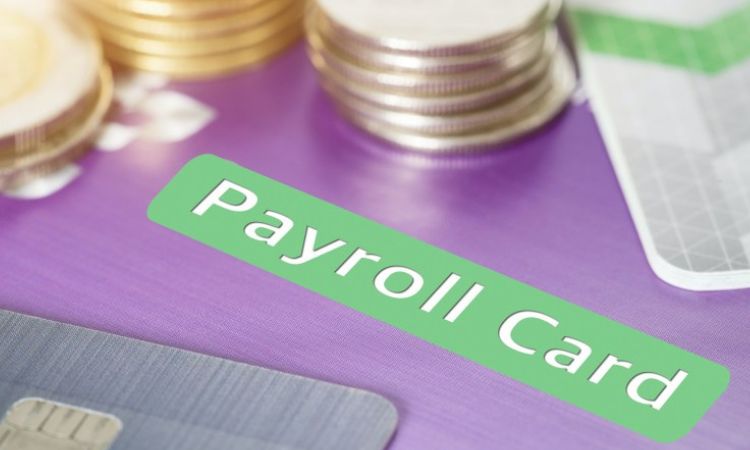
A payroll card is essentially a prepaid debit card that an employer issues to an employee as a way to pay wages. The card is loaded with the employee’s earnings at regular intervals, typically at the same time as the company processes payroll. Employees can use the card for purchases anywhere debit cards are accepted, withdraw cash from ATMs, or even transfer funds to a personal bank account if the card issuer allows. In this way, payroll cards serve as an alternative to paper checks or direct deposit, offering workers without a bank account or those who prefer a more immediate form of payment an accessible and reliable option.
Payroll cards are often provided by third-party financial institutions that partner with employers to offer a complete payroll management solution. The funds are deposited into the card holder’s account, and the employee can access them immediately, usually without the delay that paper checks or bank transfers can sometimes incur.
Additionally, payroll cards typically come with a range of user-friendly features, such as online banking services, mobile apps for balance tracking, and spending alerts. These features enhance the card’s convenience, allowing employees to manage their wages effectively and securely.
How Does a Payroll Card Work?
The operation of a payroll card is quite simple. After an employee has been issued the card, the employer deposits the employee’s wages or salary onto the payroll card at the designated payday intervals. Once the funds are available on the card, the employee can use it to make everyday purchases, pay bills, or withdraw cash from ATMs. The employee does not need a traditional bank account, which makes the payroll card an excellent option for those who are unbanked or underbanked.
The employee can check the balance on the card through an online portal, via mobile apps, or by calling customer service. Most payroll cards also offer real-time transaction tracking, which helps employees keep track of their spending and ensure that they are not exceeding their balance. Some payroll card providers may even allow employees to transfer their earnings to an external bank account for additional convenience.
While payroll cards are widely accepted, they may not be accepted at all retail locations, and additional fees may apply for specific services, such as ATM withdrawals or balance inquiries. These potential costs should be carefully reviewed before opting for a payroll card, as they can add up quickly if the employee is not mindful of how the card is used.
Pros of Payroll Cards
1. Access to Funds Without a Bank Account
One of the most significant advantages of payroll cards is their ability to provide employees with access to their wages without requiring a traditional bank account. Many workers, particularly those in low-income brackets, do not have access to or do not prefer using a bank account for various reasons, such as high fees, credit issues, or simply because they prefer not to deal with traditional banking institutions.
With a payroll card, employees who are unbanked or underbanked can receive their paychecks directly on the card without the need for a checking or savings account. This allows these employees to avoid the hassle of check-cashing services, which often charge steep fees. As a result, payroll cards make it possible for a large portion of the workforce, including part-time workers, contractors, or individuals with inconsistent incomes, to access their wages in a timely and efficient manner. These individuals can use the payroll card to make purchases, pay bills, or withdraw money from ATMs without relying on traditional banking services.
Moreover, having a payroll card eliminates the need for employees to worry about check deposits or the complications that can arise from waiting for checks to clear. As soon as the funds are deposited onto the card, employees have immediate access to their earnings.
2. Security and Safety
Payroll cards provide a significant security advantage over traditional methods of payment, such as paper checks and cash. Checks can be lost, stolen, or forged, while carrying large amounts of cash comes with the risk of theft. In contrast, payroll cards are protected by PINs (Personal Identification Numbers), ensuring that only the employee has access to the funds on the card.
If the payroll card is lost or stolen, the employee can immediately report it to the card issuer, who will often provide fraud protection and block the unauthorized access to the account. Additionally, many payroll card providers insure the funds through the FDIC (Federal Deposit Insurance Corporation), providing an extra layer of security against financial loss. This makes payroll cards a safer option for those who may otherwise rely on physical cash or checks, both of which come with greater risk of loss.
Unlike cash, which can be spent immediately with no trace, payroll cards allow employees to track every transaction, providing a clear record of their spending. Many payroll cards also offer features like text alerts or notifications for balance changes, adding another level of security and control for the cardholder.
3. Convenience and Accessibility
The convenience of payroll cards is one of the reasons why they have become an attractive option for both employers and employees. Employees can access their wages without having to wait for paper checks to be processed or cleared, making payroll cards a much faster method of payment. Funds are deposited onto the card and are instantly available for use, which is especially important for employees who need immediate access to their paychecks, such as in emergency situations.
Moreover, payroll cards are accepted at millions of retail locations globally, where they can be used for both in-store and online purchases. Employees can also withdraw cash from ATMs or make purchases at grocery stores, pharmacies, and other establishments. This ease of use provides employees with the flexibility to access their wages in the way that suits them best.
In addition, many payroll card programs come with online portals or mobile apps that allow employees to track their balances, review transaction histories, and even transfer funds to an external bank account. This added functionality enhances the overall convenience of the payroll card, giving employees better control over their finances.
4. Cost-Effective for Employers
For employers, payroll cards offer a cost-effective alternative to traditional methods of wage distribution, such as printing and mailing paper checks. Producing and mailing physical checks incurs expenses for businesses, including the cost of check stock, mailing, and administrative handling. In contrast, payroll cards eliminate these costs, making the payroll process much more streamlined and efficient.
Furthermore, payroll card programs are typically administered by third-party providers, meaning that employers can offload the burden of managing payroll processing. This reduces the risk of payroll errors and ensures that employees receive their wages on time and without delays. The time saved on payroll administration allows employers to focus on other important areas of their business, ultimately leading to increased productivity and reduced operational costs.
For businesses that operate in regions with a large number of unbanked employees, payroll cards are an especially valuable solution. They enable employers to pay workers who may not have access to traditional banking services, ensuring that everyone in the workforce can be paid efficiently.
5. No Need for a Physical Bank Account
Another major benefit of payroll cards is that they do not require employees to have a traditional bank account. For many individuals, opening a bank account can be challenging due to issues such as poor credit history, a lack of proper documentation, or simply personal preference. Payroll cards provide an alternative for employees who may not be able to or do not wish to open a bank account.
This is particularly helpful for employees in industries with large numbers of temporary, part-time, or seasonal workers, many of whom may not have a permanent address or stable financial situation that qualifies them for a traditional bank account. By issuing payroll cards, employers can ensure that all of their employees, regardless of banking status, can receive their wages electronically, reducing the reliance on cash or paper checks.
Employees who use payroll cards can easily access their wages without dealing with the challenges of managing a bank account. Moreover, payroll card providers often offer services such as bill pay and transfer capabilities, further reducing the need for traditional banking.
6. Trackable Transactions
With a payroll card, employees can easily track their wages and spending. Most payroll card programs come with an online portal or mobile app that allows employees to check their balance, view transaction history, and even set up notifications for spending alerts or low balance warnings. This makes it easier for employees to manage their finances and avoid unnecessary fees.
For employees who are new to financial management or have trouble keeping track of their spending, these features provide much-needed transparency. Additionally, having a record of every transaction made with the payroll card allows employees to quickly dispute any unauthorized charges or errors.
Tracking spending on a payroll card also eliminates the confusion that can arise from paper checks or cash payments, where it may be difficult to keep track of exactly when and how much money has been spent. The added clarity that comes with a payroll card can help employees develop better financial habits and improve their overall money management.
7. Automated Payroll Processing
For employers, payroll cards streamline payroll processing by automating the entire wage distribution process. Instead of manually printing checks, mailing them, and waiting for them to be deposited, employers can simply load funds onto employees’ payroll cards at the designated pay periods. This eliminates the risk of errors such as misplaced checks, delayed deliveries, or incorrect amounts being issued.
Automated payroll processing also improves consistency, ensuring that all employees are paid on time and accurately every pay cycle. Additionally, businesses can set up direct deposit systems for their payroll cards, further reducing the time and effort needed to process wages. This convenience is a major advantage for employers looking to improve operational efficiency and ensure that their workforce is paid consistently without delays or complications.
The use of payroll cards also reduces administrative paperwork, freeing up valuable time for HR departments or payroll staff to focus on other tasks. The overall simplicity of automated payroll processing reduces the potential for mistakes and saves businesses time and money.
8. No Check-Cashing Fees for Employees
For employees who receive paper checks, cashing them often comes with fees. Check-cashing services typically charge a percentage of the check amount, which can add up quickly over time, especially for individuals who rely on this service regularly. Payroll cards eliminate the need for check-cashing services, allowing employees to access their wages directly without incurring additional fees.
By using a payroll card, employees can avoid these costly check-cashing services and instead use their card for purchases, cash withdrawals, or bill payments without additional charges. This is particularly beneficial for employees living paycheck to paycheck, as the lack of fees helps them maximize the value of their earnings.
Additionally, some payroll card providers offer fee-free ATM withdrawals at specific locations, making it easier for employees to access their funds without paying extra fees. By reducing or eliminating check-cashing fees, payroll cards help employees keep more of their hard-earned money.
9. International Use and Foreign Currency Transactions
Many payroll cards are designed for use internationally, providing employees with an easy way to access their wages while traveling abroad or working in foreign countries. Some payroll card providers even offer the ability to convert funds into foreign currencies, allowing employees to make purchases or withdraw cash without the need for expensive currency exchanges.
For employees who travel frequently for business or work in international locations, this feature can be incredibly beneficial. Payroll cards provide a convenient way to access funds while abroad, without the need to carry large sums of cash or rely on international banking services. Employees can use their payroll cards for everyday expenses in foreign countries, just as they would in their home country.
Cons of Payroll Cards
1. Fees Associated with Payroll Cards
While payroll cards offer many benefits, they also come with a range of potential fees that can reduce their overall value. Common fees include activation fees, monthly maintenance fees, ATM withdrawal fees, and fees for making balance inquiries or transferring funds to another account. These fees can add up quickly, especially if the employee uses the card frequently for withdrawals or purchases.
For employees who are already living paycheck to paycheck, these fees can significantly diminish the advantages of using a payroll card. While some payroll cards offer fee-free options, others impose multiple charges that can be a financial burden. It is important for employees to carefully review the fee structure before using a payroll card and consider whether the costs outweigh the benefits.
In some cases, employees may not be aware of the fees until they are incurred, leading to surprises or frustrations. Employers should also make sure to choose payroll card providers that offer clear, transparent fee structures to avoid confusion.
2. Limited ATM Network
One of the drawbacks of payroll cards is the potential for limited ATM access, particularly if the employee does not have access to an extensive network of participating ATMs. If employees need to withdraw cash but cannot find an in-network ATM, they may incur out-of-network withdrawal fees, which can be as high as $3 to $5 per transaction. These fees can add up quickly, especially if the employee needs to make frequent withdrawals.
The availability of fee-free ATM options is an important consideration for employees who rely on cash. While some payroll card providers have broad ATM networks, others may have limited access, especially in rural or remote areas. Employees should take this factor into account when deciding whether to use a payroll card.
In some cases, payroll card providers may offer reimbursement for out-of-network ATM fees, but this is not always the case. It is essential for employees to understand the terms of their payroll card to avoid unnecessary costs.
3. Lack of Interest on Balances
Unlike traditional savings accounts, payroll cards typically do not accrue interest on the funds held on the card. While this may not be a concern for employees who prefer immediate access to their wages, it can be a drawback for those who tend to carry a larger balance on their card. In a traditional bank account, interest is earned on savings, even if the balance remains idle. However, payroll cards do not offer this benefit, meaning that employees are missing out on the opportunity for their money to grow passively.
For employees who may have accumulated savings on their payroll card, not earning interest can result in a lost opportunity to increase their financial standing. This lack of interest accumulation is particularly important to consider for employees who use payroll cards as a long-term solution rather than just a temporary way to access their wages. Employees looking to build savings may find it more beneficial to open a traditional savings account with interest-bearing options instead of relying solely on a payroll card.
4. Potential for Overdraft Fees
While payroll cards typically do not allow for overdrafts in the same way that a traditional bank account or credit card would, some payroll card providers do allow employees to spend more than their available balance, resulting in overdraft fees. These fees can become a major issue for employees who don’t monitor their balance closely.
Unlike traditional bank accounts that might have overdraft protection, payroll cards may charge hefty fees for spending more than the cardholder’s available balance. Some cards may provide alerts, but the lack of a buffer or overdraft protection can catch employees off guard, leading to unexpected fees. For employees who make frequent purchases or need to withdraw cash regularly, this can result in substantial financial penalties.
In some cases, employees may not realize the overdraft until it’s too late, making it important for payroll cardholders to keep track of their spending closely to avoid these fees. These unexpected charges may deter individuals from using payroll cards as their primary means of receiving wages.
5. Not Accepted Everywhere
Despite being widely accepted, payroll cards are not universally accepted at all businesses, particularly at smaller merchants or in specific online platforms. Some businesses may only accept traditional credit or debit cards, leaving payroll cardholders without an easy way to make purchases. Additionally, certain international retailers or websites may not process prepaid cards, further limiting the card’s utility.
This lack of universal acceptance can be an inconvenience for employees who rely heavily on their payroll card for all of their transactions. In situations where the card is not accepted, employees may need to find alternative payment methods, such as using a bank account or carrying cash, which reduces the overall convenience of the payroll card. Additionally, some payroll cards may face issues in specific regions or countries, especially when traveling internationally, as they may not work as smoothly as credit or debit cards.
Employers should be aware of these limitations and ensure that payroll cards are a suitable payment method for their entire workforce, particularly in regions or industries where alternative payment options may be more common.
6. Difficulty in Managing Funds
Although payroll cards are convenient for accessing wages, they can also present challenges when it comes to managing funds. For employees who are not used to handling prepaid cards or digital accounts, the lack of a physical bank branch and more advanced banking features may create confusion or stress.
For instance, payroll cards may not offer the same level of financial management tools that a traditional bank account provides. While some payroll card programs do offer online portals or mobile apps for tracking balances and reviewing transaction history, these platforms may not always be as user-friendly or comprehensive as a full-service bank account.
This can make it difficult for employees to budget effectively, track their spending, or keep track of their financial activities in real-time. While basic functionalities like balance checking and spending alerts are available, some payroll cards may not have the more advanced tools that help employees manage their finances, such as savings accounts, budgeting features, or financial advice services. This limitation may make payroll cards less appealing to those who need more robust financial management options.
7. Limited Consumer Protections
Unlike traditional credit or debit cards, payroll cards generally do not come with the same level of consumer protection. For example, credit cards often provide fraud protection and chargeback options in the event of unauthorized transactions. In contrast, payroll cards may offer limited fraud protection, and the process to dispute unauthorized charges may be more complicated.
If an employee’s payroll card is lost, stolen, or used fraudulently, the recovery of lost funds may not be as swift or straightforward as with a regular bank account. While many payroll card providers do offer some form of fraud protection, the terms may not be as extensive as those of traditional banking systems. Employees may have to file a claim within a strict time frame to get their funds back, and in some cases, the process may involve additional paperwork or delays.
This limited consumer protection may deter some employees from using payroll cards, as they may feel insecure about the safety of their funds. Employers need to ensure that employees understand the protections (or lack thereof) associated with payroll cards and encourage them to report any issues promptly to minimize potential losses.
8. No Credit Building Opportunities
Unlike credit cards or traditional bank accounts, payroll cards do not provide any way for employees to build or improve their credit score. Payroll cards are prepaid, meaning that they do not report to credit bureaus or help establish a credit history.
For employees who are trying to improve their credit score or establish credit, payroll cards offer no assistance. While traditional bank accounts and credit cards allow individuals to build credit over time by demonstrating responsible usage, payroll cards provide no such benefit.
This lack of credit-building opportunities can be especially problematic for young employees or those with poor credit who may be looking for ways to improve their financial standing. Payroll cards can be a convenient tool for receiving wages, but they do not offer the same long-term financial benefits that come with using a credit card or building a credit history. Employees looking to improve their financial situation may need to explore other options in addition to using payroll cards.
9. Limited Customer Support Options
Many payroll card providers may not offer the same level of customer service or support as traditional banks, especially when it comes to resolving issues quickly. Since payroll cards are typically issued through third-party financial institutions, employees may encounter difficulties in accessing timely help when they experience problems with their cards, such as lost or stolen cards, unauthorized transactions, or account disputes.
Customer support for payroll cards can be more limited compared to traditional bank services. Employees may need to rely on online support channels, which may not always provide immediate responses. In contrast, a traditional bank account often offers in-person support at a physical branch, which can be more helpful for resolving complex issues.
The lack of easily accessible customer support can be frustrating for employees who rely on the payroll card for daily transactions and need quick resolutions to any issues that arise. For some individuals, the inability to get help immediately can be a major drawback, leading to dissatisfaction with the payroll card option.
Conclusion
Payroll cards offer a practical and innovative solution for employees who do not have access to traditional bank accounts or prefer a more convenient alternative to paper checks. The benefits of payroll cards include immediate access to wages, enhanced security, and the ability to make purchases or withdraw cash easily. For employers, payroll cards streamline the payroll process and reduce the costs associated with paper checks.
However, as with any financial tool, payroll cards come with a number of potential downsides, including fees, limited ATM networks, and a lack of interest accrual on balances. Additionally, the lack of customer protection, limited financial management tools, and the inability to build credit can be significant drawbacks for some employees.
Ultimately, the decision to use a payroll card should be based on the needs of both employers and employees. While payroll cards can offer a convenient and secure alternative to traditional wage payment methods, it is essential to carefully consider the associated fees, limitations, and potential lack of support before fully adopting this payment method. By understanding both the advantages and disadvantages of payroll cards, employees and employers can make informed decisions that best suit their financial needs and preferences.