
When it comes to managing credit card debt, many people find themselves overwhelmed by the high-interest rates that accrue over time, making it difficult to pay off the balance. High-interest rates can create a cycle of debt that feels impossible to break, as much of your payment goes toward covering the interest rather than reducing the principal balance. This is where a balance transfer can offer a lifeline, enabling individuals to consolidate their debt onto a credit card that offers a lower, often 0%, interest rate for an introductory period.
A balance transfer can be a powerful financial strategy that helps you save money by reducing the interest charges on existing high-interest credit card debt, thus allowing you to pay off your balances faster. Typically, the credit card issuer offers a promotional interest rate—sometimes 0%—for a certain period, often between 6 to 18 months. During this promotional period, the balance transferred to the new card accrues no interest, enabling the cardholder to focus on paying down the debt instead of continuously being burdened by high interest rates.
However, while a balance transfer can be an effective solution, it’s not without its potential drawbacks. Balance transfers come with various costs, risks, and limitations that need to be fully understood before deciding whether to pursue this option. From balance transfer fees to potential impacts on your credit score, it’s crucial to weigh the pros and cons thoroughly.
This article will provide an in-depth, unbiased look at the pros and cons of balance transfers, examining everything from the benefits of lower interest rates to the potential risks that could arise from mismanagement. You’ll also learn about how a balance transfer works, the steps involved, and the crucial factors to consider when deciding if this strategy is right for you.
What Is A Balance Transfer?
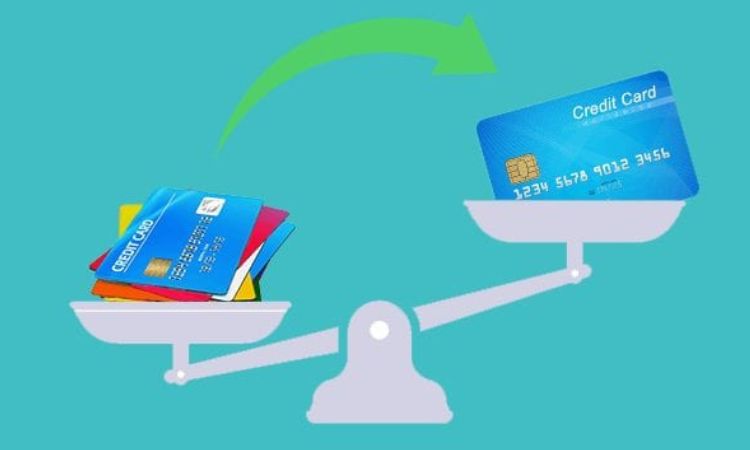
A balance transfer is the process of moving the outstanding debt from one or more high-interest credit cards or loans to a new credit card that offers a lower interest rate, usually 0% for an introductory period. This method helps individuals consolidate their debts, reducing the amount of interest paid over time and allowing more of their payments to go toward the principal balance.
For example, if you have multiple credit cards with high interest rates, you can transfer the balances to a new credit card offering a 0% introductory APR for, say, 12 months. This gives you a window of time where your balance won’t accrue additional interest, making it easier to pay down your debt. However, it’s important to note that the 0% APR is typically temporary, and once the promotional period ends, a standard APR will apply, which can be significantly higher.
Balance transfers are usually subject to a balance transfer fee, which is typically a percentage of the transferred balance—usually around 3% to 5%. So, while balance transfers can help lower your interest rate in the short term, there are fees to consider, and they might offset some of the savings.
While the process is relatively simple, there are certain risks and limitations that can make balance transfers a less-than-perfect solution for everyone. That’s why it’s essential to understand both the potential benefits and drawbacks before proceeding with this strategy.
Read Also: Pros And Cons Of Credit Card Consolidation
How Does A Balance Transfer Work?
The mechanics of a balance transfer are relatively straightforward, but to maximize the benefits, it’s essential to understand each step of the process. Here’s a breakdown of how balance transfers typically work:
1. Find a Balance Transfer Credit Card
The first step in the process is finding a credit card that offers a 0% introductory APR for balance transfers. Many credit cards offer this feature, but the promotional periods vary, ranging from 6 months to as much as 18 months. During this period, you will not be charged interest on the transferred balance, allowing you to pay down your debt more quickly.
2. Apply for the Card
Once you have selected a balance transfer card that suits your needs, you must apply for it. The credit card issuer will evaluate your creditworthiness by reviewing your credit score, income, and overall financial situation. If you are approved, you will receive a credit limit, which may or may not be enough to cover the entire amount of your existing balances.
3. Initiate the Balance Transfer
After receiving your new credit card, you can initiate the balance transfer. This can typically be done online or by calling the customer service department of your new credit card issuer. You will need to provide details of the credit card accounts you want to transfer balances from, as well as the amounts to be transferred. Some issuers will handle the transfer directly with the old creditor, while others may require you to send a check to pay off your existing debts.
4. Wait for the Transfer to Complete
Balance transfers are not immediate, and it can take anywhere from a few days to a few weeks for the transfer to be completed. During this time, it’s crucial to continue making payments on your existing cards to avoid late fees and interest charges.
5. Make Regular Payments on the New Card
Once the balance transfer is complete, you can begin making payments on your new credit card. Ideally, you should aim to pay off the balance before the 0% APR expires. Once the promotional period ends, the regular interest rate on the transferred balance will apply, which could be as high as 20% or more. Therefore, it’s essential to prioritize paying down the balance during the 0% APR period to avoid paying high-interest charges after the promotion ends.
6. Monitor Your Progress
Lastly, you must monitor your credit card statements to ensure that the transferred balances are applied correctly, and payments are being processed as expected. If you miss a payment or incur new charges, you risk losing the benefits of the promotional interest rate, and you could also incur late fees.
By following these steps, you can effectively manage a balance transfer, but it requires discipline and careful planning to avoid the pitfalls associated with this strategy.
Pros of a Balance Transfer
1. Lower Interest Rates
One of the primary advantages of a balance transfer is the lower interest rate that comes with it, often 0% for a specific introductory period. This means that for a limited time, you will not accrue any interest on the transferred balance, which can help significantly reduce the overall cost of your debt.
For individuals with high-interest credit card debt, this can be a game-changer. Without the burden of high-interest charges, more of your monthly payments can go toward reducing the principal balance, accelerating the process of paying off your debt. For instance, if you are carrying a $5,000 balance on a card with an APR of 20%, the interest can add up quickly, making it harder to pay down the principal. A 0% APR offer for 12 to 18 months can help you focus on paying down the debt without the added cost of interest.
This ability to avoid interest charges can translate to significant savings, allowing you to pay off your debt more efficiently.
Read Also: Pros And Cons Of Discover Card
2. Simplifies Debt Management
Managing multiple credit cards with different interest rates and payment due dates can be overwhelming. A balance transfer simplifies this process by consolidating your debt onto one card. Instead of juggling several payments, you can focus on making a single payment each month to one card issuer.
This simplification reduces the chances of missing a payment, which could lead to late fees, interest rate hikes, or damage to your credit score. It also allows for better tracking of your overall debt, as you only have to monitor one account instead of multiple. Having a single debt to focus on makes it easier to create a repayment plan and stick to it.
For people who struggle with organization or have multiple high-interest debts, consolidating everything into one account can be a huge relief.
3. Potential to Save Money on Interest
The 0% APR promotional offer on many balance transfer credit cards allows you to avoid interest charges for a set period, usually ranging from 6 to 18 months. This can result in substantial savings, especially if you have a large amount of credit card debt.
Without the accumulation of interest during the promotional period, more of your payments will go toward paying off the principal balance. Over time, this can significantly reduce the total amount of money you need to repay. For example, if you transfer a $3,000 balance to a card offering 0% APR for 12 months, you can save hundreds of dollars in interest compared to keeping that balance on a card with a 20% APR.
4. Improved Credit Score Potential
A balance transfer can positively impact your credit score by lowering your credit utilization ratio. Your credit utilization ratio is the amount of available credit you are using, and it makes up a significant portion of your credit score. By transferring your debt to a card with a higher credit limit and reducing the amount of debt on other cards, your credit utilization ratio improves, which could lead to a higher credit score.
Additionally, as long as you continue to make timely payments and keep your balance low, the result could be an overall improvement in your credit profile. Just remember that balance transfers themselves do not directly impact your credit score; it’s how you manage the new card and your payments that matter.
5. Fixed Repayment Period
With many balance transfer offers, you know exactly how long you have to pay off your balance without incurring interest. This fixed repayment period gives you a set timeframe—often 12 to 18 months—to pay off your debt. Knowing that you have this period of time without accruing interest allows you to plan your repayment strategy more effectively.
This fixed period can also motivate you to focus on debt repayment, as you can clearly see the deadline for the 0% APR. It gives you the opportunity to pay off your debt at a consistent pace without the unpredictability of varying interest charges.
6. Helps Avoid Late Fees and Penalties
Consolidating your debts into a single balance transfer card can help you avoid the late fees and penalties that are often associated with missing payments on multiple credit cards. When you transfer your balances to a single card, you only have to worry about making one payment each month, which reduces the likelihood of missing a due date. Missing a payment can result in fees, higher interest rates, and even a potential hit to your credit score.
With a balance transfer, you can streamline your payments, lowering the risk of forgetting to pay a bill and avoiding these costly penalties.
7. Grace Period for Repayments
Many balance transfer cards offer a grace period in which you can pay off your balance without incurring interest. As long as you make the minimum required payment each month, and don’t carry any new balances, you can take full advantage of this period. This gives you breathing room to pay down your debt, knowing that no additional interest will be added to the amount owed during the grace period.
This feature is especially helpful for individuals who need time to pay down their balance but aren’t ready to tackle the entire amount in one go. It allows you to pay at a more manageable pace without the stress of accruing additional interest.
8. Increased Purchasing Power
A balance transfer may temporarily increase your available credit, which can be helpful if you need access to emergency funds or want to make a larger purchase in the future. By consolidating your debt to a card with a higher credit limit, you may have more flexibility in your finances. However, it’s important to resist the temptation to overspend, as this can quickly lead to more debt.
While the potential for increased credit can provide short-term relief, it’s essential to avoid the trap of accumulating new debt after completing the balance transfer.
9. Potential to Pay Off Debt Faster
Since a balance transfer often lowers your interest rate, you can allocate more of your monthly payment to paying down the principal balance. By making regular, higher payments during the 0% APR period, you could pay off your debt faster. This is one of the main reasons people opt for a balance transfer: it gives them an opportunity to reduce their debt more efficiently without being weighed down by high interest charges.
For those who are committed to paying off their debt in a set timeframe, a balance transfer provides a clear path toward debt freedom.
10. Flexibility in Repayment
With many balance transfer credit cards, you have flexibility in how much you pay each month. You can choose to pay the minimum payment, pay a fixed amount, or make larger payments to pay off the balance more quickly. This flexibility allows you to tailor your repayment plan to your financial situation, providing you with more control over your debt repayment strategy.
Cons of a Balance Transfer
1. Balance Transfer Fees
While the lower interest rates of a balance transfer can offer significant savings, the balance transfer fee is a major consideration. Most credit cards charge a fee for transferring a balance, usually ranging from 3% to 5% of the amount transferred. If you are transferring a large amount of debt, this fee can quickly add up and reduce the savings you would otherwise have gained from the 0% APR.
For example, if you transfer a $10,000 balance and are charged a 3% fee, you’ll pay an additional $300 upfront. It’s essential to factor in this fee when calculating whether the balance transfer will be a good financial move.
2. Introductory Period Limitations
The 0% APR offered on many balance transfer cards is only available for a limited time, often between 6 and 18 months. While this can provide immediate relief, once the introductory period ends, the APR will revert to a much higher rate, often ranging from 15% to 25% or more. If you haven’t paid off your balance by the time the promotional period ends, you will be subject to this higher rate, which could make it harder to repay your debt.
Additionally, if you continue to carry a balance after the introductory period, you could end up paying more in interest than you would have without the balance transfer.
3. Potential to Accumulate More Debt
A common risk of a balance transfer is the temptation to accumulate more debt on your old credit cards once the balance transfer is complete. After transferring the balances to a new card, you might feel that you have “extra” available credit on your old cards, which could encourage you to use them again.
If you continue to carry balances or accumulate new charges, you could end up in a worse financial situation than before, as you now have both new and old debt to manage.
4. Damage to Credit Score if Not Managed Properly
Although a balance transfer can improve your credit score by lowering your credit utilization, it can also hurt your score if you don’t manage the new credit card properly. For example, missing payments, maxing out your new credit card, or accumulating more debt can all negatively impact your credit score.
If you open a new balance transfer card and fail to make timely payments, you risk damaging your credit score and losing the benefits of the 0% APR offer. Additionally, opening new credit accounts can also temporarily lower your score due to hard inquiries made by the card issuer.
5. May Not Have Enough Credit Limit
When applying for a balance transfer card, there’s no guarantee that the card issuer will approve you for a credit limit high enough to cover all of your existing debt. If the new credit card does not have a large enough limit, you may not be able to transfer all of your debt, and you could still be left paying high interest on the remaining balances.
In some cases, you may need to apply for multiple balance transfer cards to cover all of your debt, which can be an additional challenge.
6. High Regular APR After Introductory Period
The biggest drawback of a balance transfer is the high regular APR that applies once the introductory period expires. After the 0% APR promotion ends, the card will revert to the standard interest rate, which can be much higher than the rate on your previous card. If you still have an outstanding balance when the promotional period ends, you could end up paying significantly more in interest charges.
It’s essential to make a plan to pay off the debt before the promotional period ends to avoid facing these higher interest rates.
7. Risk of Losing Promotional APR
Some credit cards come with conditions that require you to make timely payments in order to maintain the promotional APR. If you miss a payment or fail to meet the minimum payment requirements, you could lose the 0% APR offer and be charged the regular APR on the remaining balance. This can severely undermine the benefits of the balance transfer and increase your financial burden.
8. No Guarantee of Approval
Getting approved for a balance transfer card is not guaranteed. Your approval will depend on factors such as your credit score, income, and debt-to-income ratio. If you have poor credit or a high level of existing debt, you might not qualify for the best balance transfer offers, and you could end up with a higher APR or a lower credit limit than you need to transfer all your debt.
9. Temporary Solution, Not a Permanent Fix
A balance transfer is not a long-term solution to your financial problems. While it may provide short-term relief, it does not address the underlying issues that caused your debt in the first place. If you continue to overspend or fail to create a solid budget and financial plan, you could find yourself in debt again, even after completing a balance transfer.
10. Limitations on Transferable Balances
Certain types of debt, such as store cards or personal loans, may not be eligible for a balance transfer. This limits the types of debt that can be transferred, making it an unsuitable solution for individuals who are struggling with a variety of debt sources. Always check with the credit card issuer to ensure that your existing debt qualifies for the transfer before proceeding.
Conclusion
A balance transfer can be a powerful tool for managing credit card debt, providing relief from high-interest charges and helping you pay down your balance more efficiently. The pros, such as lower interest rates, simplified debt management, and potential savings, make it an attractive option for individuals looking to reduce their debt burden.
However, balance transfers are not without their cons. Fees, introductory period limitations, and the potential to accumulate more debt are all risks that must be carefully considered. It’s essential to evaluate your financial situation and ensure that you can commit to paying off your balance before the 0% APR period ends.
By understanding both the advantages and drawbacks of balance transfers, you can make an informed decision about whether this strategy is right for you. With careful planning and responsible management, a balance transfer can help you take control of your debt and work toward financial freedom.