
Single use plastic is one of the most convenient yet controversial materials in modern life. It is found almost everywhere: shopping bags, food packaging, drink bottles, takeaway containers, plastic cutlery, straws, wrappers, sachets, medical supplies, shipping materials, and many other everyday products. The reason it became so common is easy to understand. It is lightweight, cheap, waterproof, flexible, durable, and easy to produce in large quantities.
For businesses, single use plastic offers affordability and efficiency. For consumers, it provides convenience, hygiene, portability, and product protection. A plastic wrapper can keep food fresh. A plastic bottle can carry water safely. A plastic syringe can help prevent contamination in healthcare. A plastic bag can carry groceries home at very little cost. In many ways, single use plastic helped shape modern retail, medicine, food distribution, travel, and online shopping.
However, the same qualities that make single use plastic useful also make it harmful. Plastic is designed to last, but many single use items are thrown away within minutes. A bag used for ten minutes may remain in the environment for decades or longer. Plastic waste can pollute oceans, rivers, streets, soil, and wildlife habitats. It can break into microplastics, enter food chains, harm animals, clog drainage systems, and create long-term waste management problems.
This creates a difficult debate. Single use plastic is not entirely bad, because it solves real problems in sanitation, food safety, affordability, and emergency response. But it is also not harmless, because the world produces and discards far more plastic than waste systems can handle responsibly. The issue is not only the material itself, but how often it is used unnecessarily, how poorly it is collected, and how limited recycling systems can be.
This article explores the pros and cons of single use plastic in a balanced way. It explains the practical benefits that made single use plastic popular, then examines the serious environmental, health, economic, and social problems connected to it. The goal is to help readers understand both sides clearly and think more carefully about when single use plastic is useful, when it is wasteful, and how society can reduce its harm.
Pros of Single Use Plastic
1. Single Use Plastic Is Extremely Convenient
The biggest advantage of single use plastic is convenience. It is designed to be used quickly, carried easily, and thrown away after use. This makes it useful in fast-moving situations where people need simple packaging or disposable items.
For example, takeaway food containers allow restaurants to serve customers quickly. Plastic shopping bags help people carry groceries. Bottled drinks are easy to transport. Plastic wrappers keep snacks clean and portable. Disposable cutlery is useful at outdoor events, food stalls, offices, schools, hospitals, and travel locations.
This convenience matters because modern life often moves quickly. People commute, travel, work long hours, order food, shop online, and eat on the go. Single use plastic fits into this lifestyle because it requires little planning. You do not need to bring a container, wash a bottle, carry heavy packaging, or return anything after use.
Businesses also benefit from convenience. Restaurants can package food quickly. Retailers can provide lightweight bags. Manufacturers can protect products during transport. Event organizers can serve large crowds without collecting and washing reusable items.
Of course, convenience is also part of the problem. Items that are too easy to use and discard can become wasteful. But from a practical standpoint, single use plastic became common because it makes daily tasks faster and easier.
2. Single Use Plastic Is Low-Cost
Single use plastic is inexpensive to produce compared with many alternative materials. Plastic packaging can often be made cheaply, transported efficiently, and shaped into many forms. This low cost benefits manufacturers, retailers, restaurants, hospitals, and consumers.
For businesses, cheaper packaging can reduce operating costs. A small food shop may use plastic containers because they are affordable and widely available. A supermarket may use plastic wrap because it protects food without making prices too high. A shipping company may use plastic mailers because they are lighter and cheaper than boxes.
For consumers, lower business costs can help keep prices down. If packaging becomes much more expensive, those costs may be passed on to customers. This matters most for low-income households, small businesses, schools, charities, and public services operating on tight budgets.
Single use plastic is also efficient because it can be produced at scale. Factories can make millions of bottles, wrappers, bags, and containers quickly. The material can be molded, sealed, printed, and customized at relatively low cost.
This affordability is one reason replacing single use plastic is difficult. Alternatives such as glass, metal, paper, compostable packaging, or reusable systems may be better in some ways, but they can cost more upfront. For many businesses, especially small ones, cost remains a major factor.
The low price of single use plastic is a real advantage, though it does not include the hidden environmental cost of pollution and waste management.
3. Single Use Plastic Helps Maintain Hygiene
Single use plastic plays an important role in hygiene. Because it is used once and then discarded, it can reduce the risk of contamination in certain situations. This is especially important in healthcare, food service, laboratories, and emergency response.
In hospitals and clinics, many plastic items are single use for safety reasons. Syringes, gloves, tubes, packaging, specimen containers, and sterile medical supplies help prevent infection. Reusing such items without proper sterilization could spread disease. In these cases, single use plastic can protect both patients and healthcare workers.
Food packaging also supports hygiene. Plastic wrap, sealed containers, and protective films help keep food away from dirt, germs, moisture, insects, and handling contamination. This is important in supermarkets, restaurants, school meals, travel food, and packaged goods.
During public events or emergencies, single use plastic can help provide clean drinking water, safe meals, and sanitary supplies quickly. In disaster zones, reusable systems may not be practical because water, washing facilities, and sanitation may be limited.
Hygiene is one of the strongest arguments for using single use plastic in specific settings. The problem is that society often uses disposable plastic even when hygiene does not require it. A plastic straw, shopping bag, or wrapper may not always be necessary. But in healthcare and food safety, single use plastic can provide real protection.
4. Single Use Plastic Protects Food and Reduces Spoilage
Plastic packaging helps protect food from air, moisture, bacteria, pests, and physical damage. This can extend shelf life and reduce food waste. In some cases, the environmental cost of wasted food can be very high, so packaging that keeps food fresh has practical value.
Fresh produce, meat, fish, dairy products, bread, snacks, frozen foods, and ready meals often rely on plastic packaging. A sealed plastic film can slow moisture loss. A plastic tray can prevent crushing. A bottle can protect liquids. A vacuum-sealed plastic pack can help preserve freshness.
Food waste is not only a household problem. It affects farms, transport systems, supermarkets, restaurants, and global supply chains. If food spoils before reaching consumers, all the water, energy, labor, fertilizer, fuel, and land used to produce that food are also wasted. In this sense, some plastic packaging can reduce a larger environmental burden.
Single use plastic is especially useful for transporting food long distances. It is lightweight, strong, and moisture-resistant, making it suitable for modern supply chains. Without effective packaging, many foods would spoil faster or require more expensive preservation methods.
However, not all plastic food packaging is necessary. Some products are overpackaged for marketing or convenience rather than genuine protection. The best approach is to distinguish between useful packaging that prevents waste and unnecessary packaging that creates waste.
5. Single Use Plastic Is Lightweight and Easy to Transport
Plastic is much lighter than many alternative materials such as glass, metal, or thick cardboard. This makes it easier and cheaper to transport. Lightweight packaging can reduce fuel use during shipping because trucks, ships, and planes carry less weight.
This is one reason plastic became popular in global trade. A plastic bottle weighs far less than a glass bottle. A plastic pouch may use less material than a rigid container. A plastic mailer may be lighter than a cardboard box. Lower weight can mean lower transportation costs and sometimes lower transport emissions.
Lightweight plastic also benefits consumers. It is easier to carry groceries, bottled drinks, takeaway food, toiletries, medicines, and travel items. For elderly people, children, disabled individuals, or anyone carrying multiple items, lightweight packaging can be more practical.
Businesses also benefit from easier handling. Warehouse workers, delivery drivers, retailers, and food service staff can move plastic-packaged goods more easily than heavier alternatives. This can improve efficiency and reduce breakage.
The lightweight nature of plastic becomes especially useful in humanitarian aid and emergency supplies. Clean water, food, medical supplies, and sanitation items can be packed and transported quickly.
The downside is that lightweight plastic can also blow away easily and become litter. Still, from a transport and handling perspective, its low weight is a major advantage.
6. Single Use Plastic Is Durable and Water-Resistant
Plastic is strong, flexible, and resistant to water. These qualities make it highly useful for packaging and protection. Unlike paper, plastic does not easily tear when wet. Unlike glass, it does not shatter. Unlike some natural materials, it resists moisture, oils, and many chemicals.
This durability makes single use plastic suitable for many products. It can hold liquids, protect electronics, seal food, carry wet items, package medicines, store cleaning products, and protect goods during shipping. A plastic bag can carry frozen food without falling apart. A plastic bottle can survive being dropped. A plastic wrapper can keep moisture away from dry goods.
Water resistance is especially important in food and healthcare. Moisture can spoil products, damage packaging, and encourage bacterial growth. Plastic provides a barrier that helps protect contents in humid conditions, refrigeration, freezing, and transport.
Plastic’s durability also reduces product damage. If goods are broken or spoiled during shipping, businesses and consumers lose money. Protective plastic packaging can help avoid that waste.
However, durability becomes a major problem after disposal. A material designed to resist breakdown does not disappear quickly in nature. This is why single use plastic is useful during use but harmful after use. Its strength is both an advantage and a disadvantage.
7. Single Use Plastic Supports Medical Safety
Healthcare is one of the strongest areas where single use plastic provides clear benefits. Many medical tools and supplies are disposable because patient safety requires sterile conditions. Single use plastic helps reduce infection risk and supports efficient medical care.
Items such as syringes, IV tubes, gloves, blood bags, sample containers, catheters, medicine packaging, face shields, masks, and sterile equipment packaging often rely on plastic. These products must be clean, safe, lightweight, and reliable. Plastic meets those needs well.
In hospitals, reusing certain items could be dangerous unless they are sterilized properly. Some items are too delicate, too contaminated, or too complex to safely reuse. Disposable plastic allows medical workers to use a fresh, sterile item for each patient.
Single use plastic also helps during disease outbreaks, surgeries, emergency care, vaccination campaigns, and disaster response. It allows healthcare systems to move quickly while maintaining hygiene.
This does not mean all medical plastic waste is harmless. Hospitals produce large amounts of waste, and disposal must be managed carefully. But in healthcare, the priority is often infection control and patient survival. In many cases, single use plastic is not a convenience but a safety necessity.
Any discussion about reducing single use plastic must recognize that medical use is different from unnecessary consumer packaging.
8. Single Use Plastic Is Versatile
Plastic can be made into countless shapes, sizes, thicknesses, and forms. It can be transparent, flexible, rigid, soft, sealed, printed, colored, heat-resistant, waterproof, or lightweight. This versatility makes it useful across many industries.
A single material category can serve many purposes: food packaging, medical tools, shopping bags, protective films, bottle caps, straws, sachets, shipping pillows, blister packs, hygiene products, and more. Few materials offer the same combination of low cost, flexibility, strength, and moisture resistance.
This versatility also allows product design to be efficient. Manufacturers can create packaging that fits the exact shape of an item, protects it from damage, displays branding, and keeps it clean. Plastic can be made thin enough to reduce material use while still performing well.
For consumers, versatility means products are easier to use. Squeezable bottles, resealable bags, lightweight containers, portion packs, and tamper-evident seals all rely on plastic design.
Alternatives exist, but they may not match plastic’s performance in every situation. Paper may fail with liquids. Glass may break. Metal may be heavy. Compostable materials may require special conditions. Reusable systems may need washing and return logistics.
Plastic’s versatility is a major reason it is difficult to replace completely. The challenge is not whether plastic works well. It does. The challenge is using it only where its benefits are truly needed.
9. Single Use Plastic Can Be Useful in Emergencies
In emergencies, speed, hygiene, and portability matter. Single use plastic can help provide essential supplies quickly during natural disasters, disease outbreaks, humanitarian crises, power cuts, floods, storms, earthquakes, and refugee situations.
Plastic water bottles can deliver clean drinking water when local supplies are contaminated. Plastic food packaging can preserve emergency meals. Plastic medical supplies can support urgent care. Plastic sheeting can provide temporary shelter. Disposable gloves, masks, and sanitation products can reduce health risks.
During emergencies, reusable systems may not be practical. People may lack clean water for washing, safe storage, or stable infrastructure. In these moments, single use plastic can protect health and save time.
Emergency usefulness is one of the strongest practical arguments for single use plastic. It shows that the material itself is not always the enemy. The problem is unnecessary everyday overuse, poor disposal, and lack of waste management.
A balanced approach would reduce avoidable single use plastics while keeping them available for situations where they provide clear safety or survival benefits.
Cons of Single Use Plastic
1. Single Use Plastic Creates Long-Term Pollution
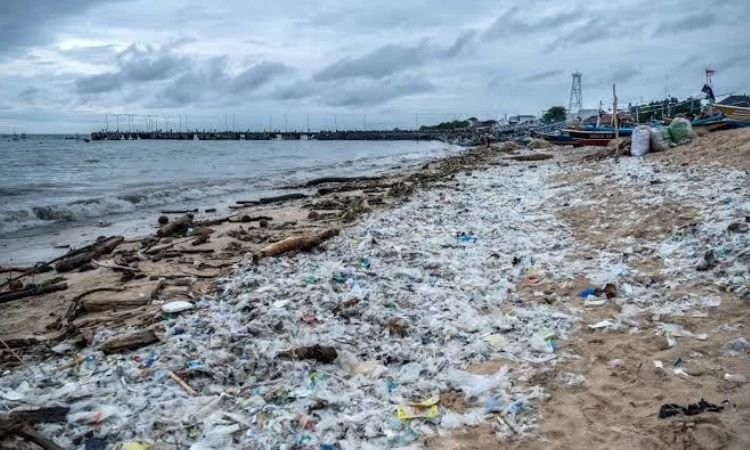
The biggest disadvantage of single use plastic is pollution. Many plastic items are used for only a few minutes but can remain in the environment for a very long time. When plastic is littered, dumped, or poorly managed, it can collect in streets, rivers, beaches, oceans, forests, and drainage systems.
Plastic pollution is highly visible. Bags hang from trees, bottles float in waterways, wrappers collect beside roads, and food containers pile up in public spaces. This makes communities look dirty and damages natural beauty.
The problem is worse because plastic does not behave like organic waste. A banana peel or paper product may break down relatively quickly under the right conditions. Plastic breaks apart slowly into smaller pieces but does not simply disappear. Over time, large plastic waste can become microplastic pollution.
Single use plastic pollution also travels. A plastic bag dropped in a city can enter a drain, move into a river, and eventually reach the ocean. This means waste from one area can harm ecosystems far away.
Pollution is not only an environmental issue. It affects tourism, public health, city maintenance, fishing, agriculture, and quality of life. The convenience of single use plastic creates a long-lasting cleanup burden.
2. It Harms Wildlife
Single use plastic can seriously harm wildlife. Animals may mistake plastic for food, become trapped in it, or suffer injuries from sharp or tangled pieces. Birds, fish, turtles, marine mammals, livestock, and land animals can all be affected.
Plastic bags can look like jellyfish in water, leading sea turtles and other animals to swallow them. Birds may feed plastic pieces to their chicks. Fish can ingest small plastic fragments. Animals can become trapped in plastic rings, packaging straps, fishing-related plastics, or discarded bags.
Ingested plastic can block digestive systems, reduce hunger signals, cause internal injuries, and lead to starvation. Even when plastic does not kill immediately, it can weaken animals and reduce their ability to survive.
Wildlife harm also affects ecosystems. If many animals in a food chain are exposed to plastic, the impact can spread. Plastic pollution can damage breeding grounds, nesting areas, coral reefs, riverbanks, and coastal habitats.
This is one of the most emotionally powerful arguments against single use plastic. A product used briefly by humans can cause long suffering for animals that never benefited from it.
3. Single Use Plastic Contributes to Microplastic Pollution
Over time, plastic items break into tiny pieces called microplastics. These particles can enter soil, waterways, oceans, air, and food chains. Microplastic pollution is especially concerning because it is difficult to remove once it spreads.
Single use plastic items such as bags, bottles, wrappers, containers, and packaging films can fragment into smaller and smaller pieces through sunlight, heat, waves, friction, and physical damage. These particles may be eaten by small organisms, fish, birds, and other animals.
Microplastics are not only an ocean issue. They can be found in rivers, agricultural soil, dust, wastewater, and urban environments. Because they are so small, they move easily through ecosystems.
The long-term health effects of microplastics are still being studied, but their widespread presence raises serious concerns. They can carry chemical additives, attract pollutants, and enter living organisms. Even when the exact level of risk varies, the scale of contamination is troubling.
The microplastic problem shows why single use plastic waste is not just a matter of visible litter. Even when plastic breaks apart, it can continue creating environmental concerns in a less visible form.
4. Recycling Single Use Plastic Is Often Difficult
Many people assume that recycling solves the single use plastic problem. Unfortunately, recycling is not as simple as placing plastic in a bin. Many single use plastics are difficult, uneconomical, or impossible to recycle through regular systems.
Different plastics have different chemical compositions. Some items are made from mixed materials. Food residue can contaminate packaging. Thin films, small sachets, straws, and multilayer wrappers are especially difficult to process. Some recycling facilities do not accept certain plastics at all.
Even when plastic is technically recyclable, it may not actually be recycled if there is no market for the material. Recycling companies need buyers for processed plastic. If virgin plastic is cheaper or the recycled material is low quality, recycling may not be financially attractive.
Plastic also degrades in quality when recycled. Unlike metals or glass, many plastics cannot be recycled endlessly into the same quality product. They may be downcycled into lower-value items before eventually becoming waste.
This makes single use plastic recycling unreliable as a complete solution. Reducing unnecessary use, improving product design, expanding reuse systems, and strengthening waste management are also needed.
5. Single Use Plastic Uses Fossil Fuel Resources
Most conventional plastic is made from fossil fuel-based materials. This connects single use plastic to oil and gas extraction, refining, manufacturing emissions, and industrial pollution. Even before plastic becomes waste, it has environmental costs.
Producing plastic requires energy and raw materials. Extraction and processing of fossil fuels can damage ecosystems, contribute to air pollution, and release greenhouse gases. Manufacturing plastic also involves chemical processes that can have environmental and health impacts if poorly managed.
The problem is especially concerning because single use plastic has such a short useful life. It may take significant resources to produce an item that is discarded after one meal, one drink, or one shopping trip. This raises questions about whether the resource use is justified.
Some alternative plastics are made from plant-based materials, but they also have trade-offs, including land use, agricultural inputs, and disposal challenges. Still, the dependence of conventional plastic on fossil resources is a major concern.
Reducing unnecessary single use plastic can help lower demand for new plastic production. This does not solve the entire fossil fuel problem, but it is one part of a broader shift toward more responsible material use.
6. Single Use Plastic Can Encourage Wasteful Habits
Single use plastic promotes a throwaway culture. Because items are cheap and disposable, people may use them without thinking. A cup, bag, wrapper, straw, or container may feel insignificant in the moment, but billions of small decisions create enormous waste.
This throwaway mindset can weaken responsibility. Instead of valuing materials and designing systems for reuse, society becomes used to convenience and disposal. Products are made to be used once, not cared for, repaired, returned, or reused.
This habit affects businesses and consumers. Businesses may overpackage products because disposable plastic is cheap. Consumers may accept unnecessary packaging because it is normal. Over time, waste becomes built into daily life.
Changing this mindset is difficult because convenience is addictive. Reusable bags, refillable bottles, returnable containers, and package-free shopping require more planning. Many people support environmental protection in theory but choose convenience in practice.
Single use plastic is not the only cause of wasteful culture, but it is one of its clearest symbols. Reducing it requires not only new materials, but new habits.
7. It Can Clog Drainage Systems and Worsen Flooding
Single use plastic waste can clog drains, gutters, canals, and waterways. In cities with poor waste management, plastic bags, wrappers, bottles, and containers can block drainage systems and contribute to flooding during heavy rain.
This is a serious public problem. Blocked drains can cause streets to flood, damage homes, disrupt traffic, spread contaminated water, and increase disease risks. Local governments may spend large amounts of money clearing plastic waste from drainage systems.
The issue is especially severe in densely populated areas where plastic use is high and waste collection is weak. Even lightweight plastic litter can accumulate quickly in drainage channels.
Flooding caused or worsened by plastic waste affects everyone, including people who may not use much plastic themselves. It creates shared costs for communities, businesses, and governments.
This disadvantage shows that single use plastic pollution is not only about oceans or wildlife. It can directly affect urban infrastructure and daily human life. Proper disposal helps, but reducing unnecessary plastic use can also lower the burden on drainage systems.
8. Single Use Plastic Cleanup Is Expensive
The low purchase price of single use plastic hides a larger cost. Communities, governments, businesses, and taxpayers often pay to collect, transport, sort, recycle, landfill, incinerate, or clean up plastic waste. These costs are not always included in the price of the product.
Litter cleanup requires workers, equipment, fuel, waste facilities, and public funding. Beaches, parks, roads, rivers, and city streets may need regular cleaning because of discarded plastic. Waste management systems must handle huge volumes of packaging and disposable items.
When plastic reaches waterways or remote environments, cleanup becomes even harder and more expensive. Some plastic pollution is nearly impossible to recover once it breaks into small pieces.
Businesses can also face cleanup costs. Restaurants, event venues, shopping centers, and tourist locations may need to manage large amounts of plastic waste left by customers. In areas dependent on tourism, plastic pollution can damage the visitor experience and reduce income.
This means single use plastic is not as cheap as it appears. The user may pay very little, but society pays more later through waste management, environmental damage, and cleanup efforts.
9. Single Use Plastic Can Harm Human Health Indirectly
The human health concerns around single use plastic are complex. Plastic can affect people indirectly through pollution, chemical exposure, microplastics, poor waste management, and contaminated environments.
When plastic waste is burned in open areas, it can release harmful smoke and pollutants. This is a problem in places without proper waste disposal systems. People living near burning waste may breathe polluted air.
Plastic packaging can also contain chemical additives, depending on the type of plastic and product. Food-contact plastics are usually regulated in many places, but concerns remain about heat exposure, chemical migration, and long-term use of certain plastic materials.
Microplastics are another concern. As plastic breaks down, tiny particles can enter water, food, and air. The full health effects are still being studied, but many people are concerned about long-term exposure.
Plastic pollution can also worsen sanitation. Waste-filled drains, polluted waterways, and dirty public spaces can contribute to disease risks, especially in communities with limited waste collection.
Single use plastic is not always directly dangerous to humans in normal use, and many plastic products are designed for safety. But poor disposal, burning, environmental spread, and chemical concerns make its broader health impact important to consider.
Conclusion
Single use plastic has both real benefits and serious drawbacks. It is popular because it is convenient, cheap, lightweight, durable, water-resistant, hygienic, and versatile. It helps protect food, supports medical safety, reduces product damage, and can be extremely useful in emergencies. In some cases, especially healthcare and disaster response, single use plastic provides clear practical value.
However, the disadvantages are significant. Single use plastic creates long-term pollution, harms wildlife, contributes to microplastic contamination, uses fossil fuel resources, encourages wasteful habits, clogs drainage systems, and creates expensive cleanup burdens. Recycling alone cannot solve the problem because many disposable plastics are difficult to recycle or not economically worthwhile.
The best solution is not necessarily to ban every single use plastic item without thinking. Some uses are important for health, safety, and food protection. The smarter approach is to reduce unnecessary single use plastic, improve product design, strengthen waste collection, support reuse systems, expand responsible alternatives, and educate consumers.
Individuals can help by carrying reusable bags, using refillable bottles, avoiding unnecessary plastic packaging, choosing durable products, and disposing of waste properly. Businesses can help by reducing overpackaging, offering refill or return systems, and choosing materials carefully. Governments can help through better waste infrastructure, clear regulations, and support for innovation.
Single use plastic should be treated as a material with value, not something to use casually and throw away without consequence. When used only where truly necessary and managed responsibly, its benefits can remain while its harms are reduced. The challenge is to move away from a throwaway culture and toward smarter, cleaner, and more sustainable choices.