
Captive breeding programs are one of the most discussed tools in wildlife conservation. They are often presented as a lifeline for endangered species, especially when wild populations are shrinking because of habitat loss, poaching, disease, climate change, pollution, invasive species, or human conflict. In simple terms, captive breeding means breeding animals in controlled environments such as zoos, aquariums, wildlife centers, research facilities, sanctuaries, or specialist conservation institutions. The goal is usually to increase population numbers, protect genetic diversity, and, when possible, return animals to the wild.
At first glance, captive breeding sounds like an obvious solution. If a species is disappearing in the wild, keeping some individuals safe and helping them reproduce seems logical. Without captive breeding, certain animals might vanish completely before conservationists have time to restore their habitat or reduce the threats they face. For some species, captive breeding has made the difference between survival and extinction.
However, the subject is more complicated than simply placing animals in enclosures and waiting for them to reproduce. Captive breeding requires expert knowledge of animal behavior, genetics, nutrition, veterinary care, reproduction, social structure, disease control, and habitat needs. It also requires long-term planning. A breeding program that produces animals but has no realistic release plan may solve one problem while creating another. Likewise, a program that focuses only on increasing numbers but ignores genetic health, natural behavior, or ecosystem protection can become ineffective over time.
Supporters of captive breeding argue that it provides an emergency safety net for species under extreme pressure. It can preserve rare genes, support research, educate the public, and create future opportunities for reintroduction. Critics argue that it can be expensive, stressful for animals, genetically risky, and sometimes used as an excuse to delay habitat protection. They also point out that captive-born animals may struggle to survive in the wild if they lose natural instincts or become too familiar with humans.
The truth is that captive breeding is neither a perfect solution nor a useless one. It is a tool, and like any tool, its value depends on how, when, and why it is used. In some cases, it is essential. In others, it may be less effective than protecting wild habitats directly. This article explores the meaning of captive breeding and examines 10 major advantages and 10 major disadvantages in detail.
What Is Captive Breeding?
Captive breeding is the process of breeding animals outside their natural habitat under human care. These animals may be kept in zoos, aquariums, breeding centers, rescue facilities, wildlife parks, conservation farms, or controlled research environments. The main purpose is to help a species survive, reproduce, and maintain healthy population numbers when wild populations are threatened or declining.
Captive breeding programs are most often used for endangered or vulnerable species, but they may also be used for animals that are rare in certain regions, difficult to protect in the wild, or important for scientific study. Some programs focus on mammals, such as big cats, primates, rhinos, or wolves. Others focus on birds, reptiles, amphibians, fish, insects, or marine species.
A proper captive breeding program is not simply about producing baby animals. It usually involves detailed planning. Conservationists must decide which animals should breed, how to avoid inbreeding, how to maintain genetic diversity, how to provide suitable housing, how to reduce stress, and whether the offspring may eventually be released into the wild. In many cases, programs also use studbooks, genetic records, veterinary testing, behavioral monitoring, and international cooperation between institutions.
There are different types of captive breeding. Some programs are designed as insurance populations, meaning the animals are kept safe in captivity in case the wild population disappears. Some are designed for reintroduction, where captive-born animals are eventually released into restored or protected habitats. Others focus on research, education, or population support, where captive-bred individuals may strengthen wild populations that are too small or genetically weak.
Captive breeding can be especially important when a species faces immediate extinction. If there are only a few individuals left in the wild, bringing some into a protected environment may be the only way to prevent complete loss. But this approach also raises ethical and practical questions. Animals may suffer in captivity if conditions are poor. Captive populations may become genetically weaker over generations. Releasing animals back into the wild may fail if the original threats still exist.
In short, captive breeding is a conservation strategy that aims to protect species by managing reproduction under human care. It can save species from extinction, but it must be handled carefully, scientifically, and ethically to be truly effective.
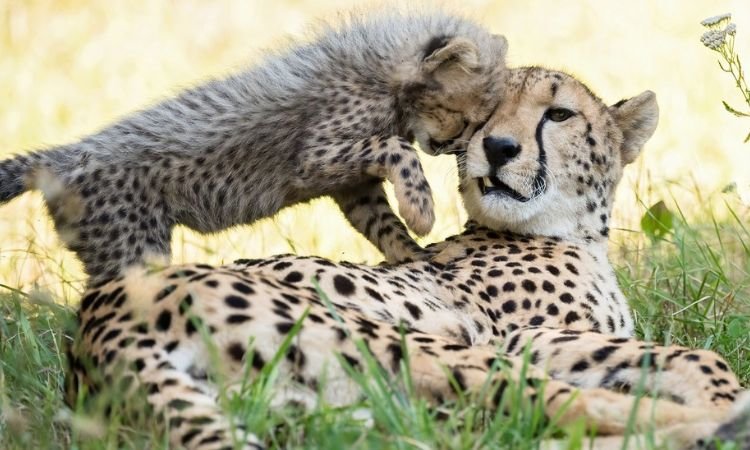
Pros of Captive Breeding Programs
1. Captive Breeding Can Help Prevent Extinction
The most important advantage of captive breeding is that it can prevent a species from disappearing completely. When wild populations become dangerously small, every individual matters. A disease outbreak, natural disaster, drought, wildfire, poaching event, or breeding failure could wipe out the remaining animals. Captive breeding creates a protected backup population that can survive even if the wild population collapses.
This is especially valuable for species with only a few remaining individuals. In such cases, conservationists may not have enough time to solve every environmental threat immediately. Habitat restoration, anti-poaching enforcement, public education, and legal protection can take years. Captive breeding can buy time by keeping the species alive while these larger problems are addressed.
For some animals, captive breeding may be the last available option. If the natural habitat is too damaged or unsafe, maintaining a population in human care may be necessary until conditions improve. Without this safety net, extinction could happen before recovery efforts begin.
This benefit is not theoretical. Many conservation programs around the world use captive breeding because some species cannot recover fast enough in the wild on their own. While it should not replace habitat protection, it can serve as an emergency measure when extinction risk is immediate.
2. It Helps Preserve Genetic Diversity
Healthy genetic diversity is essential for long-term species survival. A genetically diverse population is better able to resist disease, adapt to environmental changes, and avoid inherited health problems. When a species becomes rare, its remaining individuals may be closely related. This increases the risk of inbreeding, weak immune systems, low fertility, birth defects, and reduced survival.
Captive breeding programs can help manage this problem by carefully selecting breeding pairs. Conservationists track family lines, avoid pairing close relatives, and sometimes exchange animals between institutions to keep the gene pool as broad as possible. This kind of genetic management is difficult in small wild populations where animals may have limited mate choices.
Captive breeding can also preserve genes that might otherwise be lost. If a rare animal dies without reproducing, its genetic contribution disappears forever. In a managed program, experts can increase the chance that valuable genetic lines continue.
Some programs also use reproductive technologies such as artificial insemination, sperm freezing, egg preservation, or embryo transfer. These methods can help maintain genetic diversity even when animals are old, geographically separated, or difficult to breed naturally.
However, genetic management requires skill and long-term commitment. A poorly managed captive population can still suffer from inbreeding. But when done properly, captive breeding can protect the genetic foundation a species needs for future recovery.
3. It Provides A Safe Environment For Breeding
Many endangered animals struggle to reproduce in the wild because their environment is unsafe. They may face predators, poachers, habitat destruction, food shortages, pollution, disease, human disturbance, or competition from invasive species. Captive breeding removes many of these pressures and gives animals a better chance to mate, give birth, and raise offspring.
In a controlled environment, conservationists can provide proper food, veterinary care, nesting areas, temperature control, clean water, and protection from danger. Eggs, newborns, or young animals can be monitored closely during their most vulnerable stages. This can greatly increase survival rates compared with harsh wild conditions.
This is particularly useful for species whose young have low survival in the wild. Birds may lose eggs to predators. Reptile hatchlings may be eaten before reaching maturity. Amphibians may die because of polluted water or disease. In captivity, these early life stages can be protected until the animals are strong enough to survive.
A safe breeding environment can also help animals that are difficult to observe in the wild. Some species are shy, nocturnal, rare, or live in remote habitats. Captivity allows experts to study their reproductive needs and adjust conditions to encourage breeding.
This advantage is one of the main reasons captive breeding can increase population numbers faster than relying only on natural reproduction in threatened habitats.
4. Captive Breeding Supports Reintroduction Efforts
One of the most hopeful goals of captive breeding is reintroduction. This means breeding animals in captivity and later releasing them into suitable natural habitats. If successful, reintroduction can restore species to areas where they have disappeared and help rebuild wild populations.
Reintroduction is valuable because conservation should not only keep animals alive in cages or enclosures. The larger goal is usually to return species to functioning ecosystems where they can live, reproduce, and play their natural role. Captive breeding can provide the individuals needed to make that possible.
Before release, animals may go through training or preparation. They may learn to find food, avoid predators, build nests, hunt, migrate, or reduce dependence on humans. Some programs use soft-release methods, where animals are gradually introduced to the wild while still receiving limited support.
Reintroduction can also strengthen existing wild populations. If a wild group is too small, adding captive-bred individuals may improve genetic diversity and increase breeding success. This can prevent the population from collapsing.
However, reintroduction only works if the habitat is safe and the original threats have been reduced. Releasing animals into the same dangerous conditions that caused their decline is likely to fail. Captive breeding must therefore be connected to habitat restoration and long-term protection.
5. It Allows Scientists To Study Rare Species Closely
Many endangered animals are difficult to study in the wild. They may live in dense forests, deep oceans, remote mountains, deserts, wetlands, or underground habitats. Some are extremely shy or active only at night. Captive breeding programs give scientists a rare opportunity to observe these species closely and learn about their biology.
Researchers can study diet, mating behavior, parenting habits, growth rates, disease susceptibility, social structure, communication, stress responses, and environmental needs. This knowledge can improve both captive care and wild conservation strategies.
For example, understanding what triggers breeding can help conservationists design better habitats. Learning which foods improve reproductive success can support both captive and wild populations. Studying diseases in captivity can help prevent outbreaks in the wild.
Captive research can also reveal problems that would be almost impossible to detect in nature. If eggs fail to hatch, offspring die young, or adults refuse to mate, experts can investigate the cause. They may discover nutritional deficiencies, temperature needs, social requirements, or genetic issues.
This scientific knowledge benefits more than one species. Lessons learned from one captive breeding program can sometimes help related species facing similar threats. In this way, captive breeding contributes to broader conservation science.
6. It Can Increase Public Awareness And Education
Captive breeding programs often take place in zoos, aquariums, and wildlife centers that are open to the public. When visitors see endangered animals up close, they may develop a stronger emotional connection to conservation. A species that once felt distant or abstract becomes real.
Education is a major benefit of captive breeding. People can learn why species are endangered, how human actions affect wildlife, and what can be done to help. Good facilities use signs, talks, videos, keeper presentations, school programs, and conservation campaigns to explain the importance of protecting animals and habitats.
Public awareness can lead to real support. Visitors may donate money, support conservation laws, reduce harmful consumption, avoid products linked to habitat destruction, or encourage others to care about wildlife. Children who learn about endangered species may grow into adults who value conservation.
Captive breeding can also make conservation stories more hopeful. Instead of only hearing about extinction and decline, people can see young animals being born and learn how recovery is possible. This can inspire action rather than despair.
Of course, education depends on the quality of the institution. A facility that only displays animals for entertainment without meaningful conservation messaging may not achieve this benefit. But when handled responsibly, captive breeding can be a powerful educational tool.
7. Captive Breeding Can Support Ecosystem Restoration
Species do not exist in isolation. Each animal plays a role in its ecosystem. Predators control prey populations, herbivores shape plant communities, birds spread seeds, insects pollinate flowers, scavengers clean the environment, and aquatic species maintain balance in rivers or oceans. When a species disappears, the ecosystem can change in harmful ways.
Captive breeding can help restore these missing ecological roles. If animals are successfully reintroduced, they may help rebuild natural processes that were lost. For example, returning a predator may reduce overpopulation of certain prey species. Reintroducing seed-dispersing animals may help forests regenerate. Releasing pollinators may support plant reproduction.
This makes captive breeding more than a species-saving tool. It can also be part of repairing damaged ecosystems. When used with habitat restoration, it can help bring back ecological balance.
The benefit is especially important for keystone species, which have a large influence on their environment. Losing such species can cause wide-ranging effects. Captive breeding may provide a way to restore them when natural recovery is impossible.
However, ecosystem restoration requires careful planning. Reintroduced animals must fit the habitat, and their return should not harm other species. Still, when managed well, captive breeding can help repair not only population numbers but entire ecological relationships.
8. It Can Reduce Pressure On Wild Populations
In some cases, captive breeding can reduce pressure on wild animals by providing individuals for research, education, legal trade, or population support without removing more animals from nature. If people need animals for conservation programs, breeding centers can supply them instead of taking them from shrinking wild populations.
This can be especially important for species threatened by collection, pet trade, display demand, or scientific use. If captive-bred individuals meet legal and ethical needs, there may be less incentive to capture wild animals.
Captive breeding can also help when wild populations are too fragile to handle frequent human intervention. Instead of repeatedly capturing wild individuals for breeding or study, conservationists can work with captive populations and leave wild animals undisturbed.
For some species, captive breeding may also support controlled release programs that strengthen wild populations without damaging existing groups. This is useful when wild numbers are too low to recover naturally but still large enough to benefit from support.
The key is proper regulation. Captive breeding should not become a cover for illegal wildlife trade or careless commercial exploitation. When managed ethically, however, it can reduce the need to remove animals from the wild and help protect remaining natural populations.
9. It Gives Conservationists Time To Fix Larger Problems
Many threats to wildlife cannot be solved quickly. Habitat destruction may require years of restoration. Poaching may require stronger law enforcement. Pollution may require policy changes. Climate impacts may require long-term adaptation strategies. Invasive species may be difficult to remove. While all this work is happening, endangered species may continue declining.
Captive breeding can act as a time buffer. It keeps a species alive while conservationists address the causes of decline. This is especially important when the wild population is already too small to survive many more years.
Without captive breeding, some species might disappear before their habitat can be protected. A breeding program can preserve living individuals and genetic material until the environment becomes safer.
This does not mean captive breeding should replace field conservation. It should support it. The best programs are connected to broader recovery plans that include habitat protection, threat reduction, local community involvement, and long-term monitoring.
When used as part of a larger strategy, captive breeding can prevent irreversible loss. It keeps options open. Even if reintroduction is not immediately possible, maintaining a healthy captive population may allow future generations to restore the species.
10. Captive Breeding Encourages International Cooperation
Wildlife conservation often requires cooperation across countries, institutions, and scientific fields. Many endangered species live across national borders or are held in multiple facilities around the world. Captive breeding programs can encourage collaboration between zoos, governments, universities, veterinarians, geneticists, conservation groups, and local communities.
Animals may be exchanged between institutions to improve genetic diversity. Experts may share breeding techniques, medical knowledge, behavioral research, and conservation plans. International studbooks and population management programs can help coordinate breeding decisions.
This cooperation can be very valuable. A single zoo or breeding center may not have enough individuals to maintain a healthy population. But when multiple institutions work together, they can manage the species more effectively.
International cooperation also spreads responsibility. Conservation becomes a shared effort rather than the burden of one country or organization. This is especially important for species whose natural habitats are in regions with limited funding or political instability.
Captive breeding can therefore create networks of expertise and support. These networks may later help with habitat restoration, anti-poaching work, reintroduction, and public education. In this way, captive breeding can strengthen the overall conservation movement.
Cons of Captive Breeding Programs
1. Captive Breeding Can Be Very Expensive
One of the biggest disadvantages of captive breeding is cost. Proper animal care requires land, enclosures, food, veterinary services, trained staff, heating, cooling, water systems, security, genetic testing, transport, recordkeeping, and long-term management. For some species, the costs are extremely high.
Large mammals, marine animals, birds of prey, and species with complex habitat needs can be especially expensive to maintain. Some animals require specialized diets, large spaces, social groups, or carefully controlled environments. Breeding centers must also invest in quarantine areas, medical facilities, and monitoring equipment.
The financial burden becomes even greater when programs continue for decades. Captive breeding is rarely a short-term project. If wild habitats are not ready for release, animals may need to be kept for many generations. This requires continuous funding.
Critics argue that money spent on captive breeding might sometimes be more effective if used for habitat protection, anti-poaching patrols, local community programs, or ecosystem restoration. In some cases, protecting wild populations directly may save more animals for the same cost.
This does not mean captive breeding is always too expensive to justify. For species near extinction, the cost may be worth it. But limited conservation funding must be used carefully. A costly captive program with no realistic recovery plan can drain resources from broader conservation needs.
2. Captive Animals May Lose Natural Behaviors
Animals raised in captivity may not learn the skills they need to survive in the wild. They may become dependent on humans for food, lose fear of predators, fail to recognize natural dangers, or struggle to find mates. This is one of the greatest challenges in reintroduction programs.
Wild survival requires more than physical health. Animals must know how to hunt, forage, migrate, build shelters, defend territory, avoid predators, communicate, raise young, and interact with their environment. Some of these behaviors are instinctive, but others are learned from parents or social groups.
Captivity can interrupt this learning process. If animals are fed by humans every day, they may not develop proper foraging skills. If they live in safe enclosures, they may not learn predator avoidance. If they grow up around people, they may approach humans after release, putting themselves at risk.
Conservationists try to reduce this problem by using naturalistic enclosures, limiting human contact, providing live prey where appropriate, and training animals before release. Even so, captive-born animals may still be less prepared than wild-born individuals.
If animals cannot survive after release, the breeding program may fail despite producing healthy offspring. This is why maintaining natural behavior is just as important as increasing population numbers.
3. Captive Breeding Can Reduce Genetic Fitness Over Time
Although captive breeding can preserve genetic diversity, it can also create genetic problems if poorly managed. Small captive populations are vulnerable to inbreeding, genetic drift, and adaptation to captivity. Over time, animals may become better suited to captive environments but less suited to the wild.
In captivity, survival pressures are different. Animals receive food, medical care, shelter, and protection. Traits that would be disadvantageous in the wild may continue through breeding because humans remove many natural challenges. After several generations, the captive population may change in subtle ways.
Inbreeding is another major risk. If there are too few founders, or if breeding is not carefully managed, related animals may reproduce. This can lead to lower fertility, weaker immune systems, birth defects, and reduced survival.
Genetic management can reduce these risks, but it cannot eliminate them completely. Some endangered species begin with such small populations that genetic diversity is already limited. Captive breeding may preserve what remains, but it cannot easily restore what has been lost.
This disadvantage shows why timing matters. Captive breeding is more effective when started before a species reaches extremely low numbers. Waiting until only a handful of animals remain makes genetic recovery much harder.
4. Reintroduction May Fail If Habitat Problems Remain
Captive breeding cannot save a species if the wild environment is still unsafe. If the original threats remain, released animals may die for the same reasons the species declined in the first place. Habitat destruction, poaching, pollution, disease, invasive species, climate change, and human conflict must be addressed before reintroduction can succeed.
This is a major criticism of captive breeding. It can create the appearance of conservation progress while the real problem remains unsolved. Producing animals in captivity is not enough if there is nowhere safe for them to live.
For example, if forests are still being cleared, breeding forest animals in captivity will not restore the population. If rivers remain polluted, releasing captive-bred fish or amphibians may fail. If poaching continues, reintroduced animals may be killed soon after release.
Reintroduction also requires long-term monitoring. Animals must be tracked, protected, and studied after release. If survival is low, conservationists need to understand why and adjust the program.
Captive breeding should therefore be linked to habitat protection from the beginning. Without a safe wild future, the program risks becoming a permanent holding system rather than a true conservation solution.
5. Captivity Can Cause Stress And Welfare Problems
Keeping wild animals in captivity raises serious welfare concerns. Even with good care, captivity can limit movement, reduce choice, alter social behavior, and expose animals to unnatural conditions. Some species adapt better than others, but many experience stress in confined environments.
Signs of stress may include pacing, self-harm, aggression, poor appetite, abnormal repetitive behaviors, reduced breeding success, or weakened immune function. Social animals may suffer if kept alone or in unsuitable groups. Solitary animals may become stressed if forced into close contact with others. Highly intelligent animals may need complex enrichment to avoid boredom.
Captive breeding facilities must therefore provide more than food and shelter. They must create environments that support mental and physical well-being. This includes appropriate space, hiding places, social opportunities, enrichment, natural behaviors, and expert care.
Poorly managed programs can harm the very animals they aim to protect. Breeding endangered animals in stressful or inadequate conditions is ethically questionable and may also reduce reproductive success.
This disadvantage does not apply equally to all facilities. Some conservation centers maintain excellent welfare standards. Others may lack funding, space, or expertise. The ethical value of captive breeding depends heavily on the quality of care provided.
6. Captive Breeding May Distract From Habitat Conservation
A common criticism is that captive breeding can distract from the more important task of protecting natural habitats. It may give the public, governments, or donors the impression that a species is being saved, even while its habitat continues to disappear.
This is dangerous because habitat loss is one of the main causes of species decline. No breeding program can replace healthy forests, wetlands, grasslands, rivers, oceans, or coral reefs. Animals need functioning ecosystems, not just breeding facilities.
If conservation funding and attention shift too heavily toward captive breeding, field protection may suffer. Anti-poaching work, land preservation, community engagement, pollution control, and ecosystem restoration may receive less support.
Captive breeding should be viewed as a support strategy, not a substitute for habitat conservation. The ultimate goal should usually be stable wild populations. If the wild environment is ignored, captive breeding becomes a temporary solution with no clear endpoint.
This criticism is especially important for charismatic animals that attract public attention. A breeding program may look impressive, but real conservation success depends on whether the species can survive in nature.
7. Captive Breeding Can Create Ethical Questions
Captive breeding raises difficult ethical questions. Is it right to keep wild animals confined for human-managed reproduction? Is it ethical to breed animals if their offspring may never be released? Should conservationists prioritize species survival even if individual animals experience reduced freedom? These questions do not have simple answers.
Some people believe captivity is justified if it prevents extinction. They argue that losing an entire species would be a greater harm than keeping some individuals under expert care. Others believe that wild animals should not be confined unless there is a clear and realistic conservation purpose.
Ethical concerns become stronger when breeding programs are used mainly for display, profit, or public attraction rather than genuine conservation. If animals are bred simply to produce cute babies for visitors, the program may not serve the species’ long-term survival.
There are also ethical questions about intervention. Humans often caused the threats that endangered species face, so many argue that humans have a responsibility to help. But human control over breeding, pairing, movement, and release can also be seen as unnatural.
A responsible captive breeding program should be transparent about its goals, welfare standards, conservation value, and long-term plans. Without that clarity, ethical concerns become harder to answer.
8. Captive Breeding Programs May Have Low Success Rates
Not all captive breeding programs succeed. Some animals do not breed well in captivity. Others produce offspring that fail to survive. Some reintroduction attempts fail because animals cannot adapt to the wild. In certain cases, years of effort and large amounts of money may produce little conservation benefit.
Breeding success depends on many factors: diet, temperature, space, social structure, mating behavior, stress levels, genetics, disease control, and environmental cues. Some species have complex needs that are difficult to recreate in captivity. Even small mistakes can prevent reproduction.
Reintroduction success can be even harder. Captive-born animals may struggle with food, predators, climate, migration, disease, or competition. If survival rates are low, the program may need major changes or may not be viable at all.
Low success rates do not mean captive breeding should be abandoned. Conservation is difficult, and some species require experimentation. However, programs should be evaluated honestly. If a strategy is not working, conservationists must adjust rather than continue indefinitely because of emotional investment.
Success should be measured not only by births in captivity but by long-term survival, genetic health, welfare, and contribution to wild recovery.
9. Disease Risks Can Threaten Captive And Wild Populations
Disease is a serious concern in captive breeding programs. Animals kept in close quarters may spread infections more easily than they would in the wild. A disease outbreak can quickly affect a large portion of a captive population, especially if genetic diversity is low.
Captive animals may also carry diseases into the wild if released without proper screening. This can threaten wild populations, including other species in the ecosystem. Likewise, wild-caught animals brought into captivity may introduce parasites or pathogens to existing captive groups.
Disease management requires quarantine, veterinary testing, hygiene protocols, vaccination where appropriate, careful recordkeeping, and ongoing monitoring. These measures can be expensive and complex.
Stress can also increase disease vulnerability. Animals under chronic stress may have weaker immune systems, making outbreaks more likely.
Disease risk does not make captive breeding impossible, but it adds another layer of responsibility. A program intended to save a species could accidentally harm it if health controls are weak. For reintroduction programs, disease screening is especially important because mistakes can affect entire ecosystems.
10. Captive Breeding Can Lead To Permanent Dependence On Humans
One of the long-term risks of captive breeding is that a species may become permanently dependent on human care. If habitat threats are never solved, if captive animals lose wild behaviors, or if reintroduction repeatedly fails, the species may survive only in managed facilities.
This creates a difficult situation. The species is not extinct, but it is no longer truly wild. Its survival depends on continuous funding, human management, breeding decisions, veterinary care, and institutional commitment. If funding ends or facilities close, the population may again be at risk.
Permanent captivity also raises philosophical questions about conservation. Is saving a species only in captivity enough? Many conservationists would argue that the true goal is wild survival, not just keeping individuals alive in controlled environments.
Long-term dependence can also reduce urgency. If people believe the species is safe in captivity, they may feel less pressure to restore habitats or reduce threats. Over time, the captive population may become disconnected from any realistic wild future.
Captive breeding should therefore be designed with a clear purpose. If release is not currently possible, there should still be a long-term vision for habitat recovery or meaningful conservation value. Otherwise, the program risks becoming an expensive holding pattern.
Conclusion
Captive breeding programs play an important role in modern conservation, but they are not a simple answer to the extinction crisis. Their greatest strength is that they can keep endangered species alive when wild populations are in immediate danger. They can preserve genetic diversity, provide safe breeding environments, support reintroduction, improve scientific understanding, educate the public, and give conservationists time to repair larger environmental problems.
At the same time, captive breeding has serious limitations. It can be expensive, ethically complex, and difficult to manage. Captive animals may lose natural behaviors, suffer stress, develop genetic problems, or fail to survive after release. Programs may also distract from habitat protection if they are treated as a replacement for conservation in the wild.
The most effective captive breeding programs are those connected to a broader recovery plan. Breeding animals in captivity should not be the final goal. The larger aim should be healthy, self-sustaining populations in protected natural habitats whenever possible. That means captive breeding must work alongside habitat restoration, anti-poaching enforcement, disease control, public education, community involvement, and long-term ecological planning.
A well-run captive breeding program can be the difference between extinction and survival. A poorly planned one can waste resources, harm animals, and create false hope. The value of captive breeding depends on careful science, strong ethics, realistic goals, and a commitment to protecting the wild places where species truly belong.
In the end, captive breeding is best understood as a bridge. It can carry a species through a period of danger, but the bridge must lead somewhere. If it leads back to safe habitats, restored ecosystems, and stable wild populations, it can be one of conservation’s most powerful tools. If it leads only to permanent captivity, then its success is incomplete.