
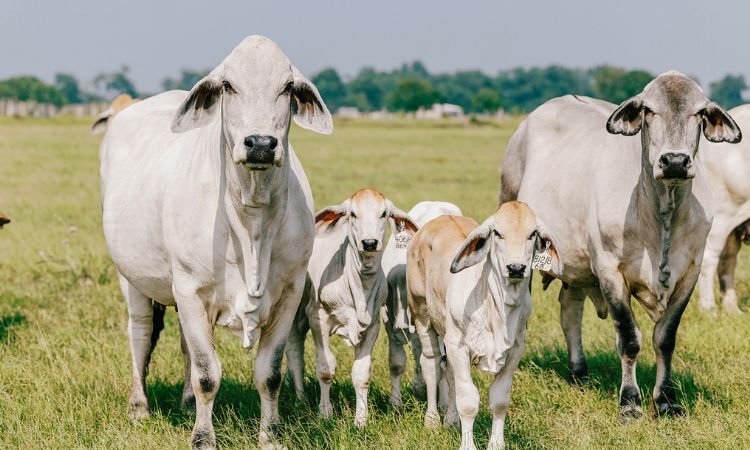
Brahman cattle are one of the most recognized and respected beef cattle breeds in the world, especially in hot, humid, tropical, and subtropical regions. Known for their large shoulder hump, loose skin, long ears, and strong heat tolerance, Brahman cattle have earned a reputation as hardy animals that can survive where many European breeds struggle. They are widely used in commercial beef production, crossbreeding programs, and ranching systems where heat, insects, poor forage, and harsh weather are serious challenges.
The Brahman breed belongs to the Bos indicus type of cattle, which developed under difficult climates and tough environmental conditions. Because of this background, Brahmans are naturally suited for areas with high temperatures, parasites, drought pressure, and lower-quality grazing. Farmers and ranchers often value them for their adaptability, longevity, mothering ability, disease resistance, and usefulness in improving other cattle breeds through crossbreeding.
However, Brahman cattle are not perfect for every farm. They can be more difficult to handle than calmer beef breeds, may mature more slowly, and sometimes produce meat that is less tender if not managed properly. Their temperament, market acceptance, fencing needs, and management style must be considered before adding them to a herd.
This article explores the 10 major pros and 7 major cons of Brahman cattle in detail. It is designed to help farmers, ranchers, students, and livestock enthusiasts understand whether Brahman cattle are a suitable choice for their climate, land, goals, and management system.
Are Brahman Cattle A Good Choice?
Brahman cattle can be a very good choice, but mainly for the right climate, market, and management system. They are especially suitable for hot, humid, tropical, and subtropical regions where many European beef breeds struggle with heat stress, parasites, insects, and lower-quality forage. Farmers in warm areas often choose Brahman cattle because they can stay productive under difficult conditions and require less protection from heat than many other breeds.
One of the biggest reasons Brahmans are a good choice is their hardiness. They can handle rough grazing, travel long distances for feed and water, and remain functional in challenging environments. They are also useful in crossbreeding programs because they pass on heat tolerance, disease resistance, longevity, and strong survival traits to their offspring.
However, Brahman cattle are not the best choice for every farm. They can be more alert and reactive than calmer breeds, so they need proper handling facilities and experienced management. They are also less ideal for very cold climates because their bodies are built for heat. In some beef markets, pure Brahman cattle may not receive the same price as breeds known for higher marbling or tenderness.
Overall, Brahman cattle are a strong choice for ranchers who need durable, climate-adapted cattle. They are especially valuable where heat, insects, and poor forage are major challenges. But for cold regions, premium beef markets, or beginner farmers with weak handling systems, a Brahman cross or another breed may be a better option.
Do Brahman Cows Produce Milk?
Yes, Brahman cows do produce milk, but they are mainly considered a beef breed rather than a dairy breed. Their milk production is usually enough to raise strong calves, but they are not typically selected for high-volume milk production like Holstein, Jersey, or other dairy cattle.
Brahman cows are known for their strong mothering ability. A good Brahman cow usually produces enough milk to support her calf in hot and challenging environments. This is one reason the breed is valued in commercial beef operations. The cow does not need to produce extremely large amounts of milk; she needs to produce enough milk efficiently while staying healthy, breeding back, and surviving under tough conditions.
In many grazing systems, this balance is more important than maximum milk volume. A cow that produces too much milk may require better feed and more nutrition to maintain her body condition. Brahman cows are often appreciated because they can raise calves while still handling heat, insects, and rough forage.
However, milk production can vary between individual cows. Genetics, age, nutrition, water access, health, and pasture quality all affect how much milk a Brahman cow gives. If a cow is underfed or stressed, milk production may drop.
For dairy farming, Brahmans are not the best choice. But for beef production, their milk is usually valuable because it supports calf growth and survival. In short, Brahman cows do produce milk, but their main purpose is raising beef calves, not commercial dairy production.
What Are Brahman Cattle Known For?
Brahman cattle are best known for their heat tolerance, hardiness, loose skin, shoulder hump, long ears, and strong adaptability to difficult climates. They are one of the most recognizable cattle breeds in the world because of their unique appearance and their ability to survive where many other cattle breeds struggle.
The most famous trait of Brahman cattle is their ability to handle hot weather. Their loose skin, short hair, sweat glands, and body structure help them release heat more effectively. This makes them highly valuable in tropical and subtropical regions. They are also known for better resistance to ticks, insects, parasites, and certain disease pressures compared with many European cattle breeds.
Brahmans are also known for their usefulness in crossbreeding. Many ranchers use Brahman genetics to improve the durability of commercial herds. Brahman-cross cattle often perform well in hot climates while gaining improved growth, fertility, and survival traits.
Another important quality is longevity. Brahman cows can remain productive for many years when managed properly. They are also known as protective mothers and can raise calves in rough environments.
However, Brahmans are also known for being more alert and sometimes more difficult to handle than calmer breeds. Their temperament depends on genetics and management, but they usually require good facilities and patient handling.
Overall, Brahman cattle are known as tough, heat-resistant, adaptable cattle that play an important role in beef production, especially in warm and challenging regions.
Interesting Facts About Brahman Cattle
Brahman cattle are fascinating animals with a long history and many unique traits. One of the most interesting facts about them is that they were developed from Indian cattle breeds, especially heat-tolerant Bos indicus cattle. Their genetics helped create a breed that could thrive in hot, humid, and insect-heavy environments.
A very noticeable feature of Brahman cattle is the large hump over their shoulders. This hump stores fat, which can be used as an energy reserve when food is limited. Their loose skin and large ears also help with heat control, making them one of the best cattle breeds for hot climates.
Another interesting fact is that Brahmans have more sweat glands than many European cattle breeds, which helps them cool down more effectively. Their short, glossy hair reflects sunlight and helps reduce heat absorption. These traits allow them to graze and remain active during hot weather.
Brahman cattle are also famous for their strong survival instincts. They are alert, intelligent, and protective, especially cows with calves. This can make them excellent mothers, but it also means handlers must treat them with patience and respect.
Brahmans are widely used in crossbreeding programs. Many popular beef cattle types in warm regions carry Brahman influence because the breed passes on heat tolerance, parasite resistance, and longevity.
Another interesting point is their long productive life. Well-managed Brahman cows can often remain useful in a herd for many years. This makes them valuable for ranchers who want durable, long-lasting cattle.
10 Pros of Brahman Cattle
1. Excellent Heat Tolerance
One of the greatest advantages of Brahman cattle is their exceptional ability to tolerate heat. This is the main reason they are so popular in tropical, subtropical, and hot dry regions. Their body structure is naturally designed to help them manage high temperatures better than many European cattle breeds.
Brahmans have loose skin, a large surface area, sweat glands, short hair, and a distinctive hump that stores fat. Their skin also helps release body heat more efficiently. Because of these features, they can continue grazing, walking, breeding, and gaining weight in hot weather when other breeds may slow down, lose condition, or suffer heat stress.
Heat tolerance is not just about comfort. It directly affects productivity. Cattle that cannot handle heat often eat less, gain weight more slowly, show weaker fertility, and become more vulnerable to illness. Brahman cattle are better able to keep functioning in difficult climates, which makes them valuable for ranchers in warm regions.
For farmers dealing with long summers, high humidity, and limited shade, Brahman cattle can be a practical and profitable choice. Their natural heat resistance reduces climate-related stress and helps maintain herd performance.
2. Strong Resistance to Parasites and Insects
Brahman cattle are known for their strong resistance to external parasites and biting insects. In hot and humid climates, ticks, flies, mosquitoes, lice, and other pests can cause serious problems for cattle. These pests can reduce weight gain, spread disease, irritate animals, and increase veterinary costs.
Compared with many European breeds, Brahman cattle usually handle parasite pressure better. Their thick skin, loose hide, short hair, and natural grooming behavior help reduce insect irritation. They also tend to show better resistance to ticks, which is especially important in regions where tick-borne diseases are common.
This resistance does not mean Brahman cattle never need parasite control. Farmers still need proper herd health programs, pasture management, mineral support, and regular observation. However, Brahmans often require less intensive parasite treatment than more sensitive breeds in the same environment.
For ranchers in tropical regions, parasite resistance can make a big difference. Lower parasite pressure can mean better weight gain, fewer health problems, reduced chemical treatment costs, and less stress on the herd. This natural toughness is one of the biggest reasons Brahman genetics are widely used in crossbreeding programs.
3. Adaptability to Harsh Environments
Brahman cattle are highly adaptable animals. They can perform in environments where many other beef breeds struggle. They are used in hot grasslands, humid coastal areas, dry regions, low-quality pastures, and difficult grazing systems. Their adaptability makes them valuable for farmers who cannot provide perfect conditions year-round.
These cattle can travel long distances for feed and water, tolerate seasonal forage shortages, and remain productive under challenging weather. Their ability to survive on rougher grazing makes them useful in extensive ranching systems where cattle must rely heavily on natural pasture.
Brahmans are also good at handling sudden environmental stress. They can manage heat, insects, drought pressure, and variable forage better than many breeds. This is especially important in areas where climate conditions are unpredictable.
Adaptability is not the same as neglect. Brahman cattle still need good nutrition, clean water, minerals, vaccination, and proper management. But they are more forgiving in tough conditions than many less hardy breeds.
For producers working in difficult climates, Brahman cattle offer a level of security. Their toughness helps reduce losses and supports production even when the environment is not ideal.
4. Valuable for Crossbreeding Programs
Brahman cattle are extremely valuable in crossbreeding programs. Many farmers use Brahman genetics to improve heat tolerance, disease resistance, parasite resistance, longevity, and maternal strength in other cattle breeds. Crosses between Brahman and European breeds are common in beef production because they combine the strengths of both types.
For example, Brahman-cross cattle may gain better heat tolerance from the Brahman side while keeping improved meat quality, growth rate, or calmer temperament from the European side. Popular Brahman-influenced breeds and crosses are widely used in commercial beef systems because they perform well in hot climates.
Crossbreeding also creates hybrid vigor. This means the offspring may perform better than the average of the parent breeds in areas such as fertility, survival, growth, and health. For commercial ranchers, this can improve productivity and profitability.
Brahman bulls are often used to add hardiness to herds that struggle with heat or insects. Brahman cows can also produce strong, adaptable calves when crossed with suitable beef sires.
For many operations, purebred Brahmans may not be the final goal. Instead, Brahman genetics become a powerful tool for building more resilient, productive, and climate-adapted cattle.
5. Good Longevity and Productive Lifespan
Brahman cattle are known for their longevity. Many Brahman cows remain productive for more years than cows from some other breeds, especially in harsh environments. A longer productive life is a major economic advantage because replacement females are expensive to raise or buy.
A cow that can produce healthy calves year after year adds long-term value to a herd. If a rancher has to replace cows frequently, costs increase and herd stability suffers. Brahman cows often stay functional longer because of their hardiness, disease resistance, and ability to maintain condition under stress.
Longevity also helps improve herd consistency. Older cows that remain productive are usually proven mothers. They know the environment, handle grazing conditions well, and often raise calves successfully.
This does not mean every Brahman cow will automatically be productive for many years. Genetics, nutrition, breeding management, and health care still matter. Poor management can shorten the life of any animal.
Still, Brahman cattle have a strong reputation for durability. For producers looking for cows that can last in tough conditions, Brahmans can be a wise investment.
6. Strong Maternal Instincts
Brahman cows are often praised for their strong maternal instincts. They usually protect their calves well, produce enough milk under moderate conditions, and show strong bonding behavior after calving. In extensive grazing systems, where cattle may calve in open pastures, good mothering ability is very important.
A cow with strong maternal instincts is more likely to care for her calf, defend it from threats, and help it survive in difficult environments. This can improve calf survival rates, especially where predators, heat, rough terrain, or large pastures are involved.
Brahman cows are also known for their ability to raise calves under less-than-perfect conditions. Their hardiness helps them maintain body condition and continue mothering even when forage quality is not ideal.
However, strong maternal instinct can sometimes make handling more difficult around calving. Some Brahman cows may become protective, and handlers must use caution when working near newborn calves.
When managed properly, this protective nature is a benefit. It means the cow is attentive and invested in calf survival. For ranchers focused on strong replacement females and healthy calves, Brahman maternal ability is a major advantage.
7. Better Performance on Low-Quality Forage
Brahman cattle are often better at utilizing lower-quality forage than many European beef breeds. This is important in regions where pastures are seasonal, fibrous, dry, or less nutritious. They can graze rough grasses and maintain condition better than cattle that require richer feed.
Their digestive efficiency and adaptability allow them to perform reasonably well in extensive grazing systems. This does not mean Brahmans can thrive without nutrition, but they are often more tolerant of forage challenges.
For farmers with large pasture areas but limited access to high-quality feed, this is a valuable trait. Feed is one of the biggest costs in cattle production. Animals that can make use of available forage can reduce dependency on expensive supplements.
Brahmans may also travel more actively to find feed, which helps them use large grazing areas effectively. Their ability to handle heat allows them to graze when other breeds may seek shade and reduce intake.
Good pasture management is still important. Minerals, protein supplementation during poor seasons, and water access are necessary. But Brahman cattle give producers more flexibility in challenging forage conditions.
8. Strong Disease Resistance
Brahman cattle generally have strong disease resistance compared with many less hardy breeds. Their natural toughness, heat tolerance, parasite resistance, and environmental adaptability help reduce stress-related health problems. In warm regions where disease pressure can be high, this is a significant advantage.
Cattle under heat stress or parasite stress are more likely to become sick. Because Brahmans handle these pressures better, they often maintain stronger health in difficult climates. Their resistance is one reason they are used in areas where humidity, insects, and disease challenges are common.
Disease resistance can lower veterinary costs, reduce animal losses, and improve herd stability. A healthier herd also performs better in breeding, growth, and calf survival.
However, disease resistance should not be misunderstood as immunity. Brahman cattle still need proper vaccination, deworming when necessary, biosecurity, clean water, mineral nutrition, and regular health checks. No breed can replace good management.
The advantage is that Brahmans often begin with a stronger natural ability to withstand environmental disease pressure. For producers in challenging climates, this can make cattle raising more manageable and less risky.
9. Good Reproductive Adaptability in Hot Climates
Reproduction is one of the most important parts of cattle production, and Brahman cattle are well adapted for breeding in hot climates. Heat stress can reduce fertility in many breeds. Bulls may have lower semen quality, cows may show weaker heat cycles, and conception rates may decline. Brahmans are better suited to maintaining reproductive performance under high temperatures.
Brahman cows often continue cycling and breeding in conditions that may reduce fertility in less heat-tolerant cattle. Brahman bulls are also valued for use in hot regions because they can remain functional where other bulls may struggle.
This reproductive adaptability supports long-term herd productivity. A cow that does not breed back on time costs money. A bull that cannot perform in the heat affects the entire breeding season. Brahman genetics help reduce these risks.
That said, Brahmans may sometimes reach puberty later than some European breeds, and reproductive performance still depends on nutrition, body condition, disease control, and management. But in hot climates, their ability to reproduce under stress is a major strength.
For ranchers in tropical and subtropical regions, this advantage can directly affect profitability.
10. Strong Market Value in Suitable Regions
In areas where heat, insects, and rough forage are major challenges, Brahman cattle often have strong market value. Buyers understand the usefulness of Brahman genetics and may seek Brahman bulls, females, or crossbred animals for commercial herds.
Brahman-influenced cattle are especially valuable in regions where pure European breeds struggle. Ranchers may pay good prices for animals that can survive, breed, and raise calves in tough conditions. Brahman bulls with good genetics can be valuable for crossbreeding programs.
The breed also has recognition and demand in many countries. This can create opportunities for seedstock producers, commercial ranchers, and breeders who focus on quality animals.
Market value depends on many factors, including local demand, bloodlines, temperament, fertility, conformation, health, and performance records. Poor-quality Brahmans will not automatically command high prices. Good selection and management still matter.
But in the right environment, Brahman cattle can be economically attractive. Their reputation for hardiness makes them useful not just as animals, but as genetic assets for building stronger herds.
7 Cons of Brahman Cattle
1. Temperament Can Be Difficult
One of the most common concerns about Brahman cattle is temperament. Brahmans can be more nervous, alert, reactive, or difficult to handle than some calmer beef breeds. This does not mean every Brahman is aggressive, but the breed is known for being more sensitive to handling pressure.
Their alertness developed as part of their survival ability. In harsh environments, cattle that are aware of threats may survive better. However, in modern farms and ranches, highly reactive animals can create handling problems.
Difficult temperament can increase labor, stress, injury risk, and damage to facilities. Nervous cattle may be harder to load, vaccinate, weigh, sort, or move through chutes. They may also lose weight from stress if handled poorly.
The good news is that temperament can be improved through selection and management. Calm bloodlines, regular gentle handling, proper facilities, and low-stress cattle handling methods can make a big difference.
Farmers considering Brahman cattle should not ignore temperament. They should buy from breeders who select for calm behavior and avoid keeping overly aggressive animals. With the right approach, Brahmans can be manageable, but they require respect and skill.
2. Slower Maturity Compared with Some Breeds
Brahman cattle may mature more slowly than some European beef breeds. This can affect breeding age, finishing time, and market planning. In systems where fast growth and early maturity are priorities, this may be a disadvantage.
Some Brahman females may reach puberty later, especially if nutrition is not strong. This can delay first breeding and reduce early lifetime productivity. Steers may also take longer to finish compared with breeds selected heavily for rapid meat production.
Slow maturity does not mean Brahmans are unproductive. Their strength is long-term adaptability, not always early speed. In harsh environments, their durability may outweigh slower development. However, producers need to plan accordingly.
Crossbreeding is often used to balance this issue. Brahman genetics can provide hardiness, while other breeds can improve early growth, carcass traits, and maturity rate.
Good nutrition also helps. Young Brahman cattle need proper minerals, protein, energy, and parasite control to reach their potential.
For farmers focused on quick turnover, Brahmans may feel slower than desired. For ranchers focused on longevity and survival in tough climates, the slower maturity may be acceptable.
3. Meat Tenderness Can Be a Concern
Brahman cattle are sometimes criticized for meat tenderness compared with some European beef breeds. Purebred Brahman beef can be leaner and may require careful management, feeding, age control, and processing to produce consistently tender meat.
This issue is important because consumer satisfaction matters. Beef buyers often value tenderness, marbling, and eating quality. If cattle produce tougher meat, market acceptance may suffer.
However, this disadvantage should be understood carefully. Not all Brahman beef is poor quality. Genetics, age at harvest, feeding program, stress levels, handling, carcass processing, and cooking methods all affect tenderness. Brahman-cross cattle can produce good beef when managed properly.
Many producers use Brahman genetics in crossbreeding rather than relying only on purebred Brahman meat production. This allows them to keep heat tolerance and hardiness while improving carcass quality through complementary breeds.
Still, meat tenderness remains a real consideration. Producers selling into premium beef markets should pay attention to genetics, finishing systems, and buyer expectations.
Brahmans are excellent for adaptation, but if meat quality is the top priority, careful selection and crossbreeding may be necessary.
4. Lower Cold Tolerance
Brahman cattle are built for heat, not extreme cold. Their short hair, loose skin, and heat-dissipating body features help them in hot climates but can make them less suitable for cold, wet, or icy regions. In colder areas, Brahmans may need extra shelter, wind protection, bedding, and nutrition.
Cold stress can reduce performance, increase feed requirements, and affect health. Calves may be especially vulnerable in cold weather. Brahman-influenced cattle can do well in moderate climates, but pure Brahmans may struggle in harsh winters compared with breeds developed in colder regions.
This does not mean Brahmans cannot survive cooler weather. Many can adapt to some seasonal variation. But they are not the best choice for areas with long freezing winters unless management is strong.
Farmers in cold regions should consider whether another breed or crossbred animal would be more suitable. Brahman crosses may provide a balance of heat tolerance and better cold adaptability depending on the breed used.
The main point is simple: Brahmans are climate specialists. Their strength in hot environments becomes a weakness in very cold conditions.
5. Handling Facilities Must Be Strong and Well-Designed
Because Brahman cattle can be large, strong, alert, and reactive, they require good handling facilities. Weak fences, narrow alleys, poorly designed chutes, and unsafe gates can create problems. If facilities are not secure, Brahmans may become difficult or dangerous to manage.
Good handling systems should allow calm movement, reduce sharp corners, prevent crowding, and protect both cattle and handlers. Strong fencing is important because nervous cattle may test weak spots. Loading ramps, squeeze chutes, and sorting pens should be designed for safety.
This can increase setup costs for farmers who do not already have suitable facilities. A small farm with basic fencing may struggle with Brahman cattle if the animals are not calm or well-trained.
Low-stress handling is especially important. Rough treatment can make Brahmans more reactive. Calm movement, patience, and experienced handlers produce better results.
For producers with strong facilities and good skills, this is manageable. But beginners should be cautious. Brahmans are not always the easiest breed for people with limited cattle-handling experience or weak infrastructure.
6. Market Preference May Vary by Region
Brahman cattle are highly valued in hot regions, but market preference can vary widely. In some areas, buyers strongly prefer British or Continental beef breeds because of carcass traits, tenderness, feedlot performance, or consumer expectations. In those markets, pure Brahman cattle may receive lower prices.
This regional variation matters. A breed that is profitable in one climate or market may not be profitable elsewhere. If local buyers do not want Brahman cattle, producers may have trouble getting the best price.
Some feedlots may also prefer cattle with certain growth and carcass characteristics. Brahman-influenced cattle can perform well, but discounts may occur if buyers expect lower meat tenderness or slower finishing.
Crossbreeding can reduce this issue. Brahman crosses are often more marketable than pure Brahmans in some regions because they combine adaptability with improved beef traits.
Before investing in Brahman cattle, producers should study local demand. They should ask sale barns, feedlots, processors, and experienced ranchers what type of cattle sell best. Good genetics mean little if the market does not reward them.
7. Not Ideal for Every Management System
Brahman cattle are excellent in the right environment, but they are not ideal for every management system. Their strengths are heat tolerance, hardiness, parasite resistance, and adaptability. If a farm does not need these traits, another breed may be more suitable.
For example, a small farm in a cool climate with rich pasture and direct-to-consumer beef sales may benefit more from a calm, early-maturing, high-marbling breed. A beginner with limited handling facilities may find Brahmans more challenging than docile breeds. A feedlot-focused producer may prefer cattle with faster finishing and stronger carcass premiums.
Brahmans require thoughtful management. Their temperament, maturity rate, market acceptance, and climate needs must match the farm’s goals. Choosing them only because they are famous or impressive-looking can lead to disappointment.
The best breed is always the breed that fits the land, climate, market, labor, facilities, and production goals. Brahmans are outstanding in hot and challenging environments, but they are not a universal solution.
Farmers should evaluate their own situation honestly before adding Brahman cattle to their herd.
Conclusion
Brahman cattle are one of the most important cattle breeds for hot, humid, tropical, and challenging environments. Their heat tolerance, parasite resistance, disease resistance, longevity, maternal instincts, and ability to survive on rough forage make them extremely valuable in regions where other breeds may struggle. They are also powerful genetic contributors in crossbreeding programs, helping commercial herds become more resilient and productive.
At the same time, Brahman cattle come with challenges. Their temperament can require experienced handling, their maturity may be slower, meat tenderness can be a concern, and they are not well-suited to very cold climates. Strong facilities, good management, and awareness of local market preferences are important.
The decision to raise Brahman cattle should depend on climate, land quality, market demand, management skill, and production goals. For ranchers in hot regions with parasite pressure and tough grazing conditions, Brahmans can be an excellent choice. For farmers in cold climates or premium tenderness-focused markets, another breed or a carefully planned crossbreeding system may work better.
Overall, Brahman cattle are not perfect, but they are highly valuable when used in the right place and managed correctly. Their greatest strength is resilience. In a world where heat, climate stress, and disease pressure are major concerns, Brahman genetics continue to play an important role in sustainable beef production.