
The Toyota RAV4 is one of the most popular compact SUVs in the world, and for good reason. It offers a practical mix of fuel efficiency, reliability, passenger comfort, cargo space, safety technology, and everyday usability. For many drivers, the RAV4 sits in a sweet spot between a small car and a larger SUV. It is easier to park than a midsize SUV but more spacious and versatile than a sedan or hatchback.
Over the years, the Toyota RAV4 has become a common choice for families, commuters, college students, retirees, outdoor travelers, and anyone who wants a dependable vehicle without moving into a large truck-based SUV. It is available in several trims, and depending on the model year, buyers can choose gas, hybrid, or plug-in hybrid versions. Newer RAV4 models also include advanced driver-assistance features, modern infotainment systems, available all-wheel drive, and strong resale value.
However, the RAV4 is not perfect. Some drivers may find the engine noisy, the ride firm, the interior less premium than some competitors, or the price higher than expected in upper trims. It may also feel less exciting for people who want sporty handling or luxury-level comfort.
This article explains what the Toyota RAV4 is, its common features, average cost, and the 10 major pros and 10 major cons buyers should consider before choosing one.
What Is Toyota RAV4?
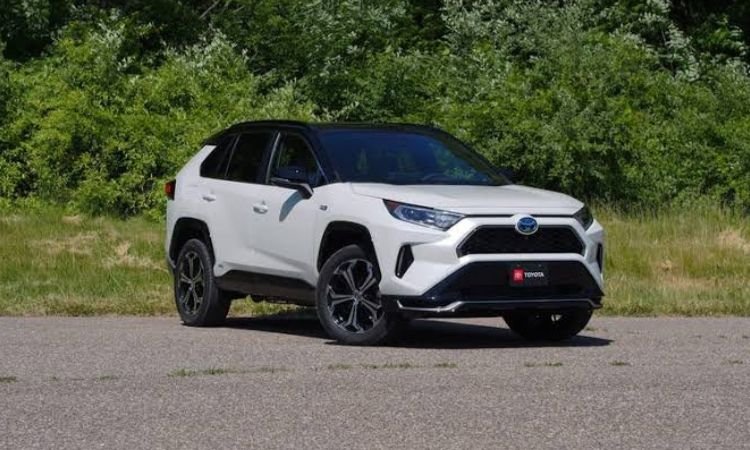
The Toyota RAV4 is a compact crossover SUV designed for everyday driving, family use, light adventure, and fuel-efficient transportation. The name RAV4 originally stood for “Recreational Active Vehicle with 4-wheel drive,” although modern RAV4 models are available with both front-wheel drive and all-wheel drive depending on trim and powertrain.
Unlike traditional body-on-frame SUVs, the RAV4 uses a car-like unibody platform. This helps it deliver better fuel economy, easier handling, and a smoother daily-driving experience than many larger off-road SUVs. It is not meant to be a heavy-duty towing machine or extreme off-road vehicle, but it is capable enough for bad weather, gravel roads, camping trips, and light trail use when properly equipped.
The RAV4 is popular because it balances practicality and dependability. It has enough room for five passengers, a useful cargo area, good safety technology, and a reputation for lasting many years with proper maintenance. For many buyers, it is not the flashiest SUV, but it is one of the most sensible options in its class.
Common Features Of Toyota RAV4
Common Toyota RAV4 features vary by trim and model year, but most modern versions include a practical five-seat cabin, folding rear seats, touchscreen infotainment, Apple CarPlay, Android Auto, Bluetooth, USB ports, automatic climate control on higher trims, and Toyota’s safety technology package.
Many RAV4 models include Toyota Safety Sense features such as pre-collision warning, automatic emergency braking, lane departure alert, adaptive cruise control, lane tracing assist, road sign assist, and automatic high beams. Available features may include blind-spot monitoring, rear cross-traffic alert, parking sensors, a surround-view camera, heated and ventilated seats, power liftgate, wireless charging, larger touchscreen, premium audio, and digital instrument display.
The RAV4 also offers available all-wheel drive, which is useful for rain, snow, dirt roads, and light outdoor driving. Hybrid versions usually offer stronger fuel economy and smoother low-speed driving, while plug-in hybrid versions provide electric-only driving for short daily trips.
Overall, the RAV4 focuses on practicality rather than luxury. Its features are designed to make everyday ownership easier, safer, and more efficient.
How Much Does Toyota RAV4 Cost?
The cost of a Toyota RAV4 depends on model year, trim, powertrain, drivetrain, mileage, location, condition, and dealer pricing. Newer gas RAV4 models have traditionally started around the high-$20,000 to low-$30,000 range, while hybrid models usually cost more. Higher trims with all-wheel drive, premium technology, upgraded interiors, larger screens, better wheels, and convenience packages can move well into the mid-$30,000s or higher.
The redesigned 2026 Toyota RAV4 moves toward a hybrid-only lineup, and early pricing reports place the starting price above many previous base gas models. Plug-in hybrid versions are generally more expensive than regular hybrids because they offer a larger battery, more power, and electric-only driving capability.
Used RAV4 prices vary widely. Older models with higher mileage may be affordable, while low-mileage hybrid and plug-in hybrid models can still hold strong value. Toyota’s strong reputation for reliability and resale value often keeps used RAV4 prices higher than some competitors.
Buyers should also budget for taxes, registration, dealer fees, insurance, maintenance, tires, financing interest, and optional accessories. The RAV4 is usually economical to own, but the final cost can rise quickly in upper trims.
10 Pros of Toyota RAV4
1. Excellent Reliability Reputation
One of the biggest reasons people buy the Toyota RAV4 is reliability. Toyota has built a strong reputation for making long-lasting vehicles, and the RAV4 is one of the brand’s most trusted models. Many owners keep their RAV4 for years because it can handle daily driving, long commutes, family use, and road trips with fewer major problems than many competitors.
This reliability is valuable because a vehicle is a major investment. Buyers do not only want a car that looks good in the showroom; they want something that will start every morning, survive high mileage, and avoid expensive surprise repairs. The RAV4’s simple, proven engineering helps make it appealing to practical buyers.
Reliability also gives peace of mind. Parents, students, commuters, and older drivers often want a vehicle that does not require constant attention. With proper maintenance, including oil changes, tire rotations, brake service, and fluid checks, a RAV4 can remain dependable for a long time.
This does not mean every RAV4 is problem-free. Any vehicle can have issues, especially if poorly maintained. Still, compared with many compact SUVs, the RAV4’s reliability reputation remains one of its strongest selling points.
2. Strong Fuel Economy, Especially Hybrid Models
Fuel economy is another major advantage of the Toyota RAV4. Even gas versions are generally efficient for a compact SUV, but the hybrid models are especially attractive for drivers who want lower fuel costs without switching fully to an electric vehicle.
The RAV4 Hybrid is popular because it offers better mileage while still providing SUV practicality. It is useful for city drivers, commuters, families, and anyone who spends a lot of time in traffic. Hybrid systems are especially efficient in stop-and-go driving because they can use electric assistance at lower speeds.
The plug-in hybrid version adds another benefit: short electric-only driving. For people with home charging and short daily commutes, this can reduce gas use significantly. Drivers can use electricity for local errands and still have a gas engine for longer trips.
Fuel efficiency matters more as gas prices change. A vehicle that saves fuel every week can create meaningful savings over years of ownership. For buyers who want an SUV but do not want large fuel bills, the RAV4 Hybrid is one of the most practical choices in the compact SUV market.
3. Practical Interior Space
The Toyota RAV4 offers a practical interior that works well for daily life. It has seating for five people and enough room for most families, couples, commuters, and small groups. The front seats are comfortable for regular driving, and the rear seats offer usable space for adults or children.
The cabin layout is simple and functional. Controls are generally easy to understand, storage areas are useful, and visibility is good in most directions. This makes the RAV4 easy to live with. It does not try to be overly complicated or flashy. Instead, it focuses on practical use.
The rear seats can fold down to expand cargo space, which is helpful for grocery runs, luggage, sports gear, baby items, camping supplies, or small furniture. This flexibility is one of the main reasons compact SUVs are so popular. Drivers get a vehicle that is small enough for everyday driving but roomy enough for weekend needs.
For families, the RAV4 can handle car seats, backpacks, strollers, and daily errands. For individuals, it offers extra space without feeling too large. This balance makes the interior one of its strongest everyday advantages.
4. Good Cargo Capacity
Cargo space is a major reason many buyers choose the RAV4 over a sedan. The rear cargo area is wide, useful, and easy to access. It can carry groceries, luggage, tools, pet supplies, outdoor gear, and household items without requiring a larger SUV.
The low cargo floor and wide liftgate opening make loading and unloading easier. This is helpful for parents lifting strollers, travelers loading suitcases, or homeowners carrying shopping bags and equipment. When the rear seats are folded, the RAV4 becomes even more practical.
Cargo space is not only about size. Shape matters too. The RAV4’s cargo area is fairly square and usable, which makes it easier to arrange boxes, bags, and larger items. Some vehicles have sloped rear designs that reduce useful space, but the RAV4 keeps a practical SUV shape.
For drivers who enjoy weekend trips, the cargo area can handle coolers, camping supplies, hiking gear, and road trip essentials. It is not as large as a midsize SUV, but for a compact crossover, it offers a strong mix of space and convenience.
5. High Resale Value
The Toyota RAV4 usually holds its value well compared with many competitors. This is an important advantage because depreciation is one of the biggest hidden costs of vehicle ownership. A vehicle that keeps more of its value can save the owner money when it is time to sell or trade it in.
The RAV4’s resale strength comes from Toyota’s reputation, strong demand, reliability, fuel efficiency, and broad appeal. Used buyers often trust Toyota vehicles, so clean RAV4 models with good maintenance records are usually easier to sell.
Hybrid models may also hold value well because fuel-efficient SUVs are in high demand. Buyers looking for lower fuel costs often search specifically for RAV4 Hybrid models, which can keep used prices strong.
High resale value does not mean the vehicle will never depreciate. All vehicles lose value over time. Mileage, accidents, condition, trim, market demand, and maintenance history all matter. However, compared with many compact SUVs, the RAV4 is often a safer choice for buyers who care about long-term value.
For people who plan to trade vehicles every few years, resale value can make the RAV4 financially appealing.
6. Strong Safety Features
Safety is one of the RAV4’s biggest advantages. Modern models usually include Toyota Safety Sense, which brings several driver-assistance technologies as standard or widely available features. These systems are designed to help reduce accidents, alert drivers to danger, and make highway driving less stressful.
Common safety features include pre-collision warning, automatic emergency braking, adaptive cruise control, lane departure alert, lane tracing assist, automatic high beams, and road sign assist. Available features may include blind-spot monitoring, rear cross-traffic alert, parking sensors, and a surround-view camera.
These technologies are especially useful for families, commuters, and new drivers. Adaptive cruise control can reduce fatigue on long drives. Blind-spot monitoring helps with lane changes. Rear cross-traffic alert is helpful in parking lots. Automatic emergency braking can assist if a driver reacts too late.
No safety system replaces careful driving, but these features add extra support. The RAV4’s focus on safety makes it appealing for buyers who want peace of mind. For many families, safety is not optional, and Toyota has made it a major part of the RAV4’s value.
7. Available All-Wheel Drive
The Toyota RAV4 offers available all-wheel drive, which is useful for drivers who face rain, snow, gravel roads, dirt paths, or uneven conditions. While it is not a hardcore off-road SUV, all-wheel drive can improve traction and confidence in difficult weather.
This is especially helpful for people who live in colder climates or rural areas. A front-wheel-drive SUV may be enough for many drivers, but all-wheel drive adds security when roads become slippery. It can also help when driving on campsites, muddy roads, or light trails.
Some RAV4 trims are designed with a more rugged personality, offering features that support outdoor use. While it cannot replace a serious off-road vehicle, it can handle the kind of light adventure many owners actually do.
All-wheel drive also improves buyer confidence. People like knowing their SUV can manage more than perfect pavement. For families and commuters, that extra traction can be valuable during bad weather or unexpected road conditions.
The best part is that buyers can choose based on their needs. Those who want lower cost and efficiency can choose front-wheel drive, while those needing more traction can choose all-wheel drive.
8. Easy to Drive and Park
The RAV4 is practical because it is easy to drive. It sits higher than a sedan, giving drivers a better view of the road, but it is not so large that it feels difficult to control. This makes it comfortable for city driving, suburban errands, highway commuting, and parking lots.
Its compact SUV size is one of its biggest advantages. It provides SUV usefulness without the bulk of a larger vehicle. Many drivers who feel nervous in big SUVs find the RAV4 easier to manage. It turns reasonably well, fits into standard parking spaces, and feels predictable in daily traffic.
The driving position also helps. The higher seating position makes entry and exit easier for many people. It also gives a sense of confidence, especially for drivers who do not like sitting low in a car.
For families, the RAV4 is easy to use for school drop-offs, grocery trips, appointments, and weekend travel. For older drivers, it can feel more accessible than a low sedan. This everyday ease is one of the reasons the RAV4 appeals to such a wide range of buyers.
9. Multiple Powertrain Choices
Depending on the model year, the Toyota RAV4 offers gas, hybrid, and plug-in hybrid choices. This gives buyers flexibility based on budget, driving style, fuel needs, and access to charging. Even as newer versions move toward hybrid-only options, used and current market choices remain broad.
The standard gas RAV4 is usually the most affordable option. It works well for buyers who want simplicity and lower upfront cost. The hybrid version costs more but offers better fuel economy and smoother low-speed driving. The plug-in hybrid version is more expensive but provides strong acceleration and electric-only driving for shorter trips.
This variety helps the RAV4 appeal to different types of drivers. A budget-focused buyer may choose a gas LE or XLE. A commuter may prefer the Hybrid. A tech-focused or eco-conscious driver may choose the plug-in hybrid.
Having multiple choices also makes it easier to match the vehicle to real needs. Not everyone drives the same way. Toyota’s wide RAV4 lineup allows buyers to choose efficiency, performance, price, or features based on what matters most to them.
10. Wide Trim Selection and Strong Availability
The RAV4 is available in many trims, which helps buyers find a version that fits their budget and lifestyle. Lower trims focus on value and practicality, while higher trims add comfort, technology, styling, and premium convenience features. There are also sportier and more rugged-looking versions for drivers who want a different personality.
This trim variety is helpful because not every buyer wants the same thing. Some people only need a reliable daily SUV with good safety features. Others want heated seats, premium audio, larger screens, better wheels, leather-like upholstery, or a power liftgate. The RAV4 lineup gives buyers room to choose.
Availability is another advantage. Because the RAV4 is so popular, there are usually many new and used options on the market. This makes it easier to compare prices, colors, trims, mileage, and financing options.
Parts and service availability are also strong. Toyota dealerships and independent mechanics are familiar with the RAV4, which can make maintenance easier. This broad support adds to the ownership experience and makes the RAV4 a practical long-term choice.
10 Cons of Toyota RAV4
1. Engine Can Feel Noisy
One common complaint about the Toyota RAV4 is engine noise, especially in gas models or during hard acceleration. The engine can sound rough or loud when merging onto highways, climbing hills, or passing other vehicles. For drivers used to quieter SUVs, this may be disappointing.
The RAV4 is built more for practicality than refinement. While it performs well for everyday driving, it does not always feel smooth or quiet under pressure. The cabin can let in engine noise, tire noise, and road noise depending on trim, tires, and road surface.
Hybrid models are often quieter at low speeds because they can use electric power, but even they can become noisy when the engine works hard. This is not unusual for compact SUVs, but some competitors feel more refined.
For many buyers, the noise is acceptable because the RAV4 offers reliability and efficiency. However, drivers who value a calm, luxury-like cabin may notice it quickly. A test drive is important. If engine sound bothers you during acceleration, the RAV4 may not feel as polished as you expect.
2. Interior Materials Can Feel Basic
The RAV4 interior is practical, but some trims can feel basic compared with competitors. Lower trims may use more hard plastics, simple seat materials, and plain design elements. This is not necessarily bad for durability, but it may disappoint buyers who want a more premium cabin.
Toyota tends to prioritize function, reliability, and ease of use over luxury. The cabin is designed to handle daily life, spills, bags, kids, pets, and rough use. However, some drivers may feel that the interior does not match the price, especially in higher trims.
Competitors in the compact SUV segment may offer softer materials, more stylish dashboards, quieter cabins, or more upscale details. Buyers comparing vehicles side by side may notice that the RAV4 feels more rugged and practical than elegant.
This depends heavily on trim. Higher RAV4 trims are more comfortable and better equipped, but they can become expensive. If interior quality is a top priority, buyers should compare the RAV4 with options like the Mazda CX-5, Honda CR-V, Hyundai Tucson, or Kia Sportage before deciding.
3. Ride Quality Can Be Firm
The RAV4’s ride quality can feel firm, especially on rough roads, broken pavement, or models with larger wheels. While the suspension is generally stable and controlled, it may not absorb bumps as softly as some drivers expect from a family SUV.
This firmness can be good for handling because it helps the vehicle feel secure and planted. However, it can also make the ride less relaxing on poor road surfaces. Passengers may feel bumps, potholes, and road imperfections more than they would in a softer-riding competitor.
The experience varies by trim and tire size. Models with larger wheels and sportier setups may feel firmer, while trims with smaller wheels may ride more comfortably. Road noise can also combine with firm suspension to make long drives feel less refined.
For most daily driving, the RAV4 is comfortable enough. But buyers who prioritize soft comfort should test it on real roads, not just smooth dealership routes. A vehicle may feel fine during a short drive but less comfortable during long commutes or road trips.
4. Higher Trims Can Get Expensive
The Toyota RAV4 starts as a practical compact SUV, but higher trims can become expensive quickly. Once buyers add all-wheel drive, hybrid power, premium packages, larger screens, upgraded audio, heated and ventilated seats, power liftgate, panoramic camera, or plug-in hybrid capability, the price can climb significantly.
This creates a value question. At lower trims, the RAV4 makes strong financial sense. At higher trims, buyers may start comparing it with more premium SUVs or larger vehicles. Some competitors may offer more luxury features for similar money.
Dealer markups, limited inventory, and high demand can also affect pricing. Hybrid and plug-in hybrid models may be harder to find in some areas, which can reduce negotiation power.
The RAV4 is still a strong vehicle, but buyers should be careful not to overspend. A fully loaded RAV4 may offer many features, but it may not feel as luxurious as its price suggests. The best value is often found in mid-level trims that balance features, fuel economy, and cost without pushing too close to luxury-brand territory.
5. Not Very Exciting to Drive
The RAV4 is dependable and practical, but it is not the most exciting compact SUV to drive. Steering is predictable, handling is safe, and acceleration is adequate in most versions, but the overall experience is more sensible than sporty.
This may not matter to most buyers. Many people choose the RAV4 because they want reliability, efficiency, space, and safety. However, drivers who enjoy sharp handling, quick steering, or a more engaging feel may find the RAV4 somewhat dull.
Gas models can feel average in acceleration, especially when fully loaded with passengers and cargo. Hybrid models feel smoother and more responsive at low speeds, while plug-in hybrid versions are much quicker. Still, the standard RAV4 personality remains practical rather than thrilling.
Some competitors feel more refined, sporty, or premium behind the wheel. For example, certain Mazda models may offer better handling feel, while some turbocharged rivals may feel stronger in everyday acceleration.
The RAV4 is a smart vehicle, but not necessarily an emotional one. Buyers looking for driving excitement should test several alternatives before deciding.
6. Road and Wind Noise Can Be Noticeable
Another drawback of the RAV4 is cabin noise. At highway speeds, some drivers notice wind noise around the mirrors or roofline, along with tire noise from the road. This can make the cabin feel less quiet than some competitors.
Noise levels depend on trim, tires, road surface, and speed. Models with all-terrain-style tires or larger wheels may produce more tire noise. Rough pavement can also make the cabin louder. On smooth roads, the RAV4 feels more acceptable, but it may not deliver the quietness some buyers expect at higher prices.
This issue matters most for people who spend a lot of time on highways. A noisy cabin can make long drives more tiring, especially for passengers. It can also reduce the enjoyment of music, phone calls, or conversation.
Toyota has improved refinement over time, but the RAV4 still leans more practical than premium. Buyers who value a peaceful cabin should test drive it at highway speed. A short city test drive may not reveal the full noise level.
7. Infotainment Can Feel Less Polished Than Some Rivals
Toyota has improved its infotainment systems, but some drivers may still find the RAV4’s technology less polished than certain competitors. Depending on the model year and trim, the touchscreen interface, graphics, menu layout, or response speed may feel average rather than impressive.
Modern buyers expect easy smartphone integration, fast touch response, clear displays, strong voice controls, and simple menus. The RAV4 offers many of these features, but the experience may not feel as stylish or advanced as some newer rivals.
Lower trims may also have smaller screens or fewer premium tech features. To get the best infotainment setup, buyers may need to choose a higher trim or package, which increases cost.
This is not a dealbreaker for most owners because basic functions like Apple CarPlay, Android Auto, Bluetooth, and navigation support are generally available. But buyers who care deeply about technology should compare screen size, software feel, camera quality, audio system, and connected services before buying.
The RAV4 is strong in reliability and practicality, but technology experience may not be its most exciting feature.
8. Limited Towing Capacity
The Toyota RAV4 is useful, but it is not designed for heavy towing. It can handle light towing depending on trim and configuration, but buyers should not confuse it with a truck or larger SUV. Its towing capacity is enough for small trailers, light utility loads, or small recreational equipment, but not for heavy boats, campers, or large trailers.
This limitation matters for outdoor families or homeowners who expect one vehicle to do everything. A RAV4 may be fine for bikes, small cargo trailers, or light gear, but it may not be suitable for serious towing needs.
Some trims may offer better towing ability than others, especially adventure-oriented versions. However, even the stronger RAV4 trims have limits. Buyers should check the exact rating for the specific model, engine, drivetrain, and year before towing.
Towing also affects fuel economy, braking, transmission stress, and handling. Even if a load is technically within the rating, frequent towing may not be ideal.
For most daily drivers, this is not a problem. But for buyers who tow regularly, a midsize SUV, pickup truck, or larger crossover may be a better choice.
9. Rear Seat Comfort Is Good but Not Class-Leading
The RAV4 has a usable rear seat, but it is not the roomiest or most comfortable in the compact SUV class. Adults can sit in the back, and children will usually have enough space, but some competitors offer more rear legroom, softer seating, or a more open cabin feel.
This matters for families with teenagers, frequent passengers, or long-distance travelers. A rear seat that feels fine for short errands may feel less comfortable during road trips. Seat shape, cushion softness, leg support, and recline angle all affect comfort.
The RAV4’s rear seat is practical and functional, but it is not luxurious. Some rivals focus more on passenger comfort and may feel more spacious in the second row. Buyers with rear-facing child seats should also test fit them, because front-seat space can be affected depending on the car seat size.
For many owners, rear space is perfectly acceptable. But if rear passenger comfort is a top priority, it is worth comparing the RAV4 with the Honda CR-V, Subaru Forester, Hyundai Tucson, or Kia Sportage. Small differences in rear comfort can matter over years of family use.
10. Popularity Can Mean Higher Prices and Less Negotiation
The Toyota RAV4’s popularity is a strength, but it can also be a disadvantage. Because demand is high, buyers may face higher prices, limited inventory, fewer discounts, and stronger competition for desirable trims. This is especially true for hybrid and plug-in hybrid models.
When a vehicle is in high demand, dealers may have less reason to negotiate. Popular colors, trims, and packages may sell quickly. Buyers may need to wait, travel to another dealer, or accept a less ideal configuration.
Used RAV4 prices can also remain high because many shoppers trust Toyota reliability. This is good for owners selling the vehicle, but not always good for buyers looking for a bargain. A used RAV4 may cost more than similar compact SUVs from other brands.
Popularity can also make the RAV4 feel less unique. It is common on roads, parking lots, and neighborhoods. Some buyers may not care, but others may want something more distinctive.
The RAV4’s strong demand proves its value, but buyers should still compare prices carefully. Paying too much can reduce one of its biggest advantages: sensible ownership value.
Conclusion
The Toyota RAV4 is one of the strongest compact SUV choices for drivers who want reliability, fuel efficiency, safety, practicality, and long-term value. It is easy to drive, spacious enough for everyday family use, available with hybrid technology, and supported by Toyota’s strong reputation. For commuters, parents, students, retirees, and outdoor-minded drivers, the RAV4 offers a balanced package that is hard to ignore.
Its biggest strengths are reliability, resale value, fuel economy, cargo space, safety features, and overall practicality. It is not the most luxurious or exciting SUV, but it is one of the most sensible. That is why it remains so popular year after year.
However, buyers should also understand its weaknesses. The RAV4 can be noisy under acceleration, firm over rough roads, expensive in higher trims, and less premium inside than some competitors. It is also not ideal for heavy towing or drivers who want sporty performance.
The best RAV4 choice depends on the buyer’s needs. A gas or lower-trim model may suit budget-focused shoppers. A hybrid may be best for commuters and families who want fuel savings. A plug-in hybrid may suit drivers who can charge at home and want stronger performance.
Overall, the Toyota RAV4 is a smart, dependable, and practical SUV. It may not be perfect, but for many people, its advantages outweigh its disadvantages. Anyone considering one should test drive it, compare trims, check real-world pricing, and choose the version that fits their lifestyle and budget.