
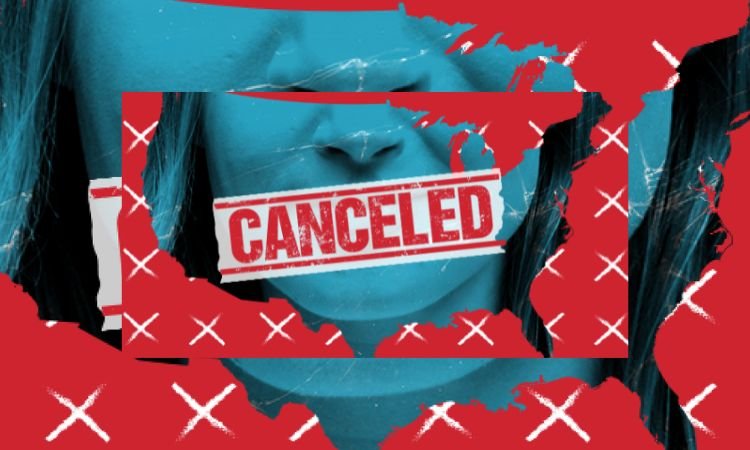
Cancel culture is one of the most debated social issues of the modern digital age. It refers to the practice of publicly criticizing, boycotting, withdrawing support from, or socially rejecting a person, brand, celebrity, organization, or public figure because of something they said, did, supported, or failed to address. In many cases, cancel culture happens online through social media platforms, where public reaction can spread quickly and strongly.
Some people see cancel culture as a necessary form of social accountability. They believe it gives ordinary people a voice against powerful individuals, companies, influencers, and institutions that may otherwise avoid responsibility. From this view, cancel culture can expose harmful behavior, challenge discrimination, protect vulnerable groups, and pressure people to act more responsibly.
Others see cancel culture as unfair, excessive, and dangerous. They argue that it can destroy reputations without proper evidence, punish people too harshly for mistakes, discourage honest conversation, and create fear around free expression. In some cases, people may be judged by a single comment, an old post, or a misunderstood situation without enough context.
The truth is that cancel culture is complex. It can bring attention to real harm, but it can also turn into online mob behavior. It can push society toward accountability, but it can also leave little room for growth, apology, forgiveness, or fair judgment. This article explores 10 pros and 10 cons of cancel culture in detail so readers can understand both sides clearly.
Why Is Cancel Culture Important?
Cancel culture is important because it reflects the growing demand for accountability in public life. In the past, powerful individuals, celebrities, companies, and institutions could often avoid responsibility for harmful behavior because ordinary people had limited ways to challenge them. Today, social media gives people a platform to speak up, share experiences, expose misconduct, and demand consequences when someone’s actions cause harm.
At its best, cancel culture reminds society that words and actions matter. Public figures, brands, and influencers often shape opinions, trends, and social behavior. When they promote harmful ideas, use offensive language, mistreat others, or ignore ethical responsibilities, public criticism can push them to reflect, apologize, and change. This kind of pressure can be especially important when legal systems, workplaces, or traditional media fail to address the issue properly.
Cancel culture also helps bring hidden problems into public discussion. Issues such as racism, sexism, harassment, abuse, discrimination, and workplace mistreatment are often ignored until people collectively demand attention. In this sense, cancel culture can become a tool for awareness and social correction.
However, its importance does not mean it should be used carelessly. Accountability should be fair, evidence-based, and proportional. Cancel culture becomes harmful when it turns into online bullying, rushed judgment, or permanent punishment for every mistake. Still, when used responsibly, it plays an important role in challenging harmful behavior and reminding people with influence that public trust must be earned and respected.
How Does Cancel Culture Affect Social Justice?
Cancel culture affects social justice by giving people a way to challenge harmful behavior, unfair systems, and discrimination in public spaces. Social justice focuses on fairness, equality, dignity, and protection for people who are often ignored or mistreated. Cancel culture can support these goals by allowing marginalized communities to speak out against racism, sexism, harassment, cultural disrespect, abuse of power, and other forms of harm.
One major effect is visibility. Many social justice issues remain hidden because victims may fear retaliation, disbelief, or silence from institutions. Through online platforms, people can share their stories and gather public support. This can pressure companies, schools, workplaces, media organizations, and public figures to respond more seriously.
Cancel culture can also shift social standards. Behavior that was once dismissed as “normal,” “just a joke,” or “not a big deal” may be challenged when people explain why it is harmful. This helps educate wider audiences and encourages more respectful language, policies, and behavior.
However, cancel culture can also complicate social justice when it becomes too punitive or unfair. If people are attacked without context, evidence, or a chance to learn, the conversation may move away from justice and toward public punishment. Real social justice should not only focus on exposing harm; it should also encourage repair, education, accountability, and long-term change.
Overall, cancel culture can support social justice when it amplifies unheard voices and challenges real harm. But it works best when guided by fairness, truth, and the goal of creating better systems, not simply destroying individuals.
10 Pros of Cancel Culture
1. It Holds Powerful People Accountable
One of the biggest arguments in favor of cancel culture is that it can hold powerful people accountable. In the past, celebrities, politicians, executives, influencers, and large organizations could often avoid consequences because they had money, legal teams, media access, or strong public relations support. Ordinary people had very little power to challenge them.
Cancel culture changes that dynamic. When harmful behavior becomes public, people can use social media to speak out, share evidence, and demand responsibility. This can put pressure on brands, employers, sponsors, and institutions to take action.
This is especially important when traditional systems fail. Sometimes workplace complaints are ignored. Sometimes victims are silenced. Sometimes organizations protect their reputation instead of addressing harm. Public pressure can force these issues into the open.
Accountability does not always mean someone should lose everything. It can mean apologizing, correcting behavior, stepping down from a role, changing company policies, or making restitution. When used responsibly, cancel culture can remind powerful people that influence comes with responsibility and that harmful actions should not be ignored simply because someone is famous or wealthy.
2. It Gives a Voice to Marginalized Groups
Cancel culture can give marginalized groups a stronger voice. People who have faced racism, sexism, harassment, discrimination, bullying, or abuse often struggle to be heard through traditional channels. Social media allows them to share their experiences directly with the public.
This can be powerful because it removes some of the gatekeeping that exists in media, workplaces, and institutions. A person does not always need a journalist, lawyer, manager, or company approval to speak about harm. They can tell their story, and others can support them.
For many communities, cancel culture is not only about punishment. It is about recognition. It allows people to say, “This behavior is not acceptable,” especially when society has ignored similar behavior for years.
It can also educate wider audiences. When people share why certain words, jokes, policies, or actions are harmful, others may learn perspectives they had not considered before.
Of course, public accusations must still be handled carefully and fairly. But when marginalized voices are genuinely ignored, public pressure can become a way to challenge silence and demand respect.
3. It Encourages Social Responsibility
Cancel culture encourages people and organizations to think more carefully about their words, actions, and values. In a world where public behavior can be widely discussed, individuals and companies are more aware that careless, offensive, or harmful conduct may have consequences.
This can lead to more responsible behavior. Brands may review their advertising, workplace culture, hiring practices, product messaging, and public statements. Public figures may become more thoughtful about what they say and support. Influencers may become more aware of the impact they have on followers.
This does not mean people should live in fear of every mistake. However, it does mean that public platforms come with responsibility. When someone has influence, their words can shape opinions, normalize behavior, or harm communities.
Cancel culture can push society to raise its standards. It reminds people that jokes, comments, business decisions, and public actions are not isolated. They can affect real people.
When applied fairly, this pressure can encourage empathy, awareness, and ethical behavior. It can make people ask, “Is this respectful? Is this harmful? Am I using my platform responsibly?”
4. It Can Expose Hidden Misconduct
Another benefit of cancel culture is that it can bring hidden misconduct into public view. Many harmful behaviors remain hidden for years because victims feel afraid, powerless, or unsupported. This can include harassment, abuse, workplace mistreatment, racism, fraud, exploitation, or unethical business practices.
When people begin speaking out publicly, others may realize they are not alone. One person’s story can encourage others to share similar experiences. This pattern can reveal that a problem is not isolated but part of a larger pattern.
Public exposure can be important when private complaints have failed. If an organization ignored reports internally, public attention may force it to investigate. If a public figure has repeatedly harmed people, cancel culture can prevent the issue from being quietly buried.
This kind of exposure can lead to meaningful change. Companies may change leadership, improve policies, remove unsafe individuals, or compensate those affected.
However, exposure must be handled responsibly. Evidence, context, and fairness matter. Still, when real misconduct has been hidden, cancel culture can become a tool for truth, awareness, and public pressure.
5. It Pressures Brands to Improve Their Ethics
Cancel culture can influence companies to behave more ethically. Businesses care deeply about reputation, customer trust, and public image. When consumers publicly criticize harmful practices, companies may be forced to respond.
This can apply to many issues, such as worker treatment, discrimination, unsafe products, misleading advertising, environmental damage, cultural insensitivity, or unethical partnerships. When people collectively withdraw support, brands often realize that values matter to customers.
This pressure can lead to real improvements. A company may revise policies, remove offensive campaigns, improve workplace standards, support affected communities, or become more transparent. In some cases, the fear of backlash encourages brands to think more carefully before making harmful decisions.
Consumers have always had some power through boycotts, but social media makes that power faster and more visible. A local issue can become a national conversation within hours.
This does not mean every online backlash is fair or accurate. Sometimes brands are judged too quickly. But when criticism is based on genuine harm, cancel culture can push companies to become more responsible, inclusive, and accountable.
6. It Can Challenge Harmful Social Norms
Cancel culture can challenge behaviors that were once accepted or ignored. In many societies, harmful jokes, discrimination, bullying, harassment, and abusive power dynamics were often dismissed as normal. People who objected were sometimes told they were too sensitive or difficult.
Public backlash can change that. When people collectively reject harmful behavior, it sends a message that society’s standards are shifting. What was once excused may no longer be tolerated.
This can be especially important for younger generations. They see public conversations about racism, sexism, body shaming, workplace abuse, and other issues. These conversations can shape what they consider acceptable behavior.
Cancel culture can also force people to examine traditions, media, language, and institutions more critically. It asks whether certain practices are harmless or whether they continue to hurt specific groups.
Social progress often begins with discomfort. When people challenge old norms, there is usually resistance. But responsible public criticism can help society grow by making harmful behavior less acceptable and encouraging more respectful standards.
7. It Empowers Consumers and Audiences
Cancel culture gives consumers and audiences more power over the people and organizations they support. In the past, audiences often had limited influence. They could stop watching a show, stop buying a product, or write a complaint, but their individual actions were easy to ignore.
Now, collective online action can have a much stronger impact. Viewers can demand better representation. Customers can reject unethical companies. Fans can hold influencers accountable. Workers can share concerns about toxic workplaces.
This creates a more active relationship between the public and powerful platforms. People are no longer silent consumers. They can question, criticize, and influence decisions.
This can be healthy when used thoughtfully. A celebrity, company, or creator benefits from public support, so the public also has the right to withdraw that support if values are violated. Support is not owed forever.
However, power must be used carefully. Public pressure should be based on facts, fairness, and proportionality. Still, cancel culture shows that audiences are not powerless. They can shape culture, demand better behavior, and influence public standards.
8. It Encourages Public Apologies and Corrections
Cancel culture can push people and organizations to apologize, correct mistakes, and make changes. Without public pressure, many harmful actions might be ignored or dismissed. When criticism becomes visible, the person or organization involved may be forced to respond.
A sincere apology can be valuable. It can acknowledge harm, validate affected people, and open the door to repair. In some cases, cancel culture leads individuals to educate themselves, donate to relevant causes, change their behavior, or use their platform more responsibly.
For companies, public backlash can lead to policy changes, staff training, better communication, or improved product decisions. These corrections may not happen without pressure from the public.
Of course, not every apology is sincere. Some are written only to protect reputation. Some are vague, defensive, or performative. But the expectation that public figures should respond to harm is still meaningful.
Cancel culture can create a culture where people cannot simply ignore criticism. They are expected to address mistakes, explain themselves, and show whether they are willing to improve.
9. It Can Protect Communities from Harmful Influence
Cancel culture can help protect communities from people or organizations that spread harmful ideas, misinformation, abuse, or discrimination. When someone has a large platform, their words and actions can influence many people. If that influence is harmful, public criticism can reduce its reach.
This is especially important when public figures promote dangerous behavior, hateful ideas, scams, or repeated harassment. Cancel culture can warn others and reduce the social rewards that come from harmful influence.
For example, if an influencer promotes unsafe products or hateful messages, public backlash may cause sponsors to withdraw support. This can limit the influencer’s ability to profit from harmful behavior. Similarly, if a company mistreats customers or employees, public criticism can alert others before they support that business.
This does not mean every unpopular opinion should be punished. Society needs space for disagreement. But there is a difference between honest disagreement and harmful influence that targets, deceives, or endangers people.
When used carefully, cancel culture can act as a form of community protection by discouraging harmful platforms from growing unchecked.
10. It Starts Important Conversations
Cancel culture often starts wider conversations about society, values, power, and responsibility. Even when people disagree about a specific case, the debate can lead to deeper discussion about important issues.
For example, a controversy may lead people to discuss workplace harassment, racism, free speech, mental health, forgiveness, public accountability, or media responsibility. These conversations may be uncomfortable, but they can also be educational.
Many people learn through public debate. They hear different viewpoints, examine their own beliefs, and become more aware of issues they had not considered. Even criticism of cancel culture itself can be useful because it raises questions about fairness, evidence, and proportional consequences.
In this way, cancel culture is not only about cancellation. It can become a starting point for cultural reflection. It asks society to decide what behavior is acceptable, what accountability should look like, and how people should respond to harm.
The challenge is keeping these conversations thoughtful instead of hostile. When discussion becomes only insults and outrage, learning disappears. But when handled with depth, cancel culture can push society to examine itself more honestly.
10 Cons of Cancel Culture
1. It Can Lead to Public Shaming Without Due Process
One of the biggest criticisms of cancel culture is that it can punish people before all facts are known. Social media moves quickly, and public opinion can form within minutes. A short clip, old post, rumor, or accusation can spread widely before the full context is available.
This can be dangerous because people may be judged without a fair chance to explain, apologize, or provide evidence. In serious cases, reputations, careers, relationships, and mental health can be damaged before the truth is clear.
Due process does not only matter in courtrooms. Fairness matters in public judgment too. People should be careful before treating accusations as proven facts. Misunderstandings, edited content, false claims, and missing context can lead to unfair consequences.
Public shaming can also become excessive. Instead of focusing on the harmful action, people may attack someone’s family, appearance, personal life, or unrelated past.
Accountability is important, but accountability without fairness can become cruelty. Cancel culture becomes harmful when it replaces careful judgment with instant punishment.
2. It Can Destroy Careers Over One Mistake
Cancel culture can sometimes punish people too harshly for a single mistake, especially if the mistake was not part of a repeated pattern. People are imperfect. They may say something insensitive, make a poor joke, misunderstand an issue, or act badly in a moment of stress.
The problem is that online backlash can turn one mistake into a permanent label. A person may be treated as if one bad action defines their entire character. This leaves little room for learning, growth, or redemption.
This is especially concerning when the mistake happened years ago and the person has changed. People’s beliefs, maturity, and awareness can evolve over time. Holding someone accountable is reasonable, but refusing to recognize growth can be unfair.
A society that allows no mistakes becomes fearful and dishonest. People may hide, avoid difficult conversations, or perform false perfection instead of genuinely learning.
Consequences should match the severity of the behavior. Serious harm deserves serious accountability. But minor mistakes should not always lead to career destruction. A fair culture should allow people to take responsibility and improve.
3. It Can Create Fear Around Free Expression
Cancel culture can make people afraid to speak honestly. When public backlash feels unpredictable or extreme, people may avoid sharing opinions, asking questions, or discussing sensitive topics. This can weaken open conversation.
Free expression does not mean freedom from criticism. People should be responsible for harmful speech. However, a healthy society also needs room for disagreement, debate, and learning. If people fear being publicly attacked for saying the wrong thing, they may stay silent even when discussion would be useful.
This fear can affect classrooms, workplaces, creative industries, media, and friendships. People may avoid complex topics such as race, gender, politics, religion, culture, or history because they worry about being misunderstood.
When conversation disappears, understanding does not improve. People retreat into safe circles where everyone agrees with them. This can increase division instead of solving problems.
The challenge is finding balance. Harmful speech should be challenged, but honest questions and good-faith disagreement should not be treated the same as hate or abuse.
4. It Can Encourage Online Mob Behavior
Cancel culture can sometimes turn into mob behavior. When thousands of people attack one person online, the situation can quickly become aggressive, emotional, and unreasonable. People may join the criticism without checking facts simply because everyone else is doing it.
Online mobs often reward anger. The most extreme comments get attention. People may compete to appear more morally correct or more outraged than others. This can turn accountability into entertainment.
Mob behavior can include insults, threats, harassment, doxxing, and personal attacks. These actions are not justice. They can cause serious emotional harm and may even put someone’s safety at risk.
Another problem is that online mobs often simplify complex situations. They divide people into heroes and villains without considering context, intent, growth, or evidence. This makes public conversation less thoughtful.
Collective criticism can be powerful when it is responsible. But when it becomes a mob, it loses fairness and humanity. Cancel culture becomes dangerous when people enjoy punishment more than they care about truth or change.
5. It Leaves Little Room for Forgiveness
A major weakness of cancel culture is that it often leaves little room for forgiveness. Even when someone apologizes, learns, and changes, some people continue to define them by their worst moment. This can make accountability feel hopeless.
Forgiveness does not mean ignoring harm. It does not mean victims must accept apologies or support someone again. However, society also needs the possibility of redemption. If people believe they can never recover from a mistake, they may become defensive instead of reflective.
Growth requires a path forward. A person should be able to admit wrongdoing, repair harm where possible, and demonstrate better behavior over time. If cancellation is permanent regardless of effort, it discourages genuine accountability.
This is especially important for young people. Teenagers and young adults often make immature mistakes. If society treats every error as permanent, it can damage their future unfairly.
A healthier approach would separate serious, repeated harm from mistakes that can be corrected. Cancel culture becomes more constructive when it allows space for apology, education, and long-term change.
6. It Can Be Selective and Inconsistent
Cancel culture is often inconsistent. Some people face severe backlash for certain actions, while others do similar or worse things and avoid major consequences. Public reaction may depend on popularity, politics, timing, media coverage, or who controls the narrative.
This inconsistency can make cancel culture feel unfair. A less powerful person may lose their job quickly, while a wealthy or well-connected person survives because they have strong public relations support. Sometimes the public focuses on one individual while ignoring larger systems that allowed the harm to happen.
Selective outrage can also be influenced by personal bias. People may condemn behavior from someone they dislike while defending the same behavior from someone they support. This weakens the moral credibility of cancel culture.
True accountability should be based on principles, not popularity. If harmful behavior is wrong, it should be addressed consistently. If context matters, it should matter for everyone.
When cancel culture becomes selective, it can look less like justice and more like social punishment based on convenience, politics, or public mood.
7. It Can Oversimplify Complex Issues
Cancel culture often reduces complicated situations into simple judgments. A person is labeled good or bad. A company is labeled moral or immoral. A statement is treated as either completely acceptable or completely unforgivable. Real life is usually more complex than that.
Many controversies involve context, history, intent, power dynamics, misunderstanding, cultural differences, or personal growth. Social media is not always good at handling this complexity. Short posts and viral reactions encourage quick conclusions rather than careful analysis.
Oversimplification can lead to unfair outcomes. A person may be punished for a misunderstood comment. A company may be attacked without considering internal efforts to improve. A public debate may ignore the deeper causes of the issue.
This also prevents learning. If people only repeat simple slogans, they may not understand the real problem. Complex issues require patience, listening, and critical thinking.
Cancel culture can raise awareness, but it can also flatten reality. When people rush to judgment, they may miss important details that would lead to a more fair and useful response.
8. It Can Harm Mental Health
Being publicly canceled can have serious mental health effects. Public humiliation, mass criticism, threats, job loss, social rejection, and constant online attacks can cause anxiety, depression, isolation, shame, and fear.
Even people who made real mistakes can experience emotional harm when backlash becomes extreme. Accountability should not require cruelty. A person can be corrected or held responsible without being treated as less than human.
The mental health impact can also affect people watching from the outside. Others may become afraid of making mistakes, sharing opinions, or being visible online. This can create a culture of anxiety and self-censorship.
Victims of harmful behavior also face emotional pressure. Their stories may become public, debated, questioned, and politicized. Instead of healing privately, they may be pulled into online conflict.
Cancel culture can create emotional damage on multiple sides when it becomes uncontrolled. A healthy accountability culture should care about harm, but it should also avoid creating new harm through harassment, humiliation, or endless punishment.
9. It Can Be Used as a Weapon
Cancel culture can be misused as a weapon against people, brands, or groups. Not every cancellation attempt comes from genuine concern. Sometimes people use public outrage to damage competitors, silence opponents, settle personal conflicts, or gain attention.
False or exaggerated claims can spread quickly online. A person may be targeted because of jealousy, political disagreement, workplace conflict, or personal revenge. Once the accusation becomes viral, it can be difficult to correct the damage even if the claim is later proven false.
This misuse makes cancel culture risky. It can turn moral language into a tool for manipulation. People may frame someone as dangerous, hateful, or unethical without enough evidence because they know public outrage can create consequences.
Brands and public figures can also weaponize cancel culture for marketing. They may perform outrage to gain attention or position themselves as morally superior.
This does not mean all accusations are false. Many are true and important. But the possibility of misuse means people should be careful, evidence-focused, and fair before joining public condemnation.
10. It May Focus More on Punishment Than Real Change
Cancel culture sometimes focuses too much on punishment and not enough on real change. A person may be fired, a brand may issue an apology, or a public figure may disappear temporarily, but the deeper problem may remain unsolved.
For example, canceling one employee does not fix a toxic workplace if the company culture stays the same. Boycotting one celebrity does not solve the larger social issue behind their behavior. Attacking one person online may create a moment of satisfaction, but it may not educate anyone or repair harm.
This can make cancel culture feel reactive rather than transformative. It responds strongly to visible incidents but may not build long-term solutions. Real change often requires education, policy reform, better leadership, community dialogue, and structural improvement.
Punishment can sometimes be necessary, especially for serious harm. But punishment alone is not always enough. If the goal is a better society, cancel culture must move beyond outrage.
A more constructive approach would ask: What harm happened? Who was affected? What repair is needed? What can prevent this from happening again?
Conclusion
Cancel culture is a complicated social force. It can be useful when it exposes real harm, gives marginalized people a voice, pressures powerful individuals to take responsibility, and encourages brands and public figures to behave more ethically. It can challenge harmful norms, protect communities, and start important conversations about justice, respect, and responsibility.
At the same time, cancel culture has serious risks. It can become unfair, excessive, selective, and harmful when it ignores context, evidence, forgiveness, and proportional consequences. It can destroy reputations too quickly, create fear around speech, encourage mob behavior, and focus more on punishment than meaningful change.
The best approach is not to completely support or completely reject cancel culture. Instead, society needs a more balanced form of accountability. Harmful actions should be addressed, but people should also be judged fairly. Victims should be heard, but evidence should matter. Public figures should be responsible, but growth and sincere change should still be possible.
Cancel culture becomes helpful when it seeks truth, repair, and better behavior. It becomes harmful when it becomes cruelty, revenge, or performance. A healthier culture would combine accountability with fairness, criticism with compassion, and consequences with the possibility of learning. That balance is what turns public reaction into real progress.