
Mental health nursing is one of the most important and demanding areas of healthcare. It focuses on caring for people who are experiencing emotional distress, psychiatric conditions, behavioural challenges, addiction issues, trauma-related problems, or difficulties coping with life circumstances. Unlike some nursing roles that focus mainly on physical symptoms, mental health nursing requires deep communication skills, emotional intelligence, patience, clinical judgement, and the ability to build trust with people who may feel vulnerable, frightened, confused, or misunderstood.
Mental health nurses work in many settings, including psychiatric hospitals, general hospitals, community mental health centres, crisis teams, rehabilitation units, addiction services, schools, prisons, residential facilities, and home-based care programmes. Their responsibilities may include assessing patients, monitoring mental state, administering medication, supporting therapy plans, managing risk, educating families, responding to crises, and helping people work toward recovery.
One important tool often discussed in mental health care is the DSM-5. The DSM-5, or Diagnostic and Statistical Manual of Mental Disorders, Fifth Edition, is a classification guide used by mental health professionals to describe and diagnose mental health conditions. It outlines symptoms and diagnostic criteria for conditions such as depression, anxiety disorders, bipolar disorder, schizophrenia, post-traumatic stress disorder, personality disorders, eating disorders, and substance use disorders. Mental health nurses do not simply “treat a DSM label”; they care for the whole person behind the diagnosis. However, understanding DSM-5 categories can help nurses communicate clearly with doctors, psychologists, therapists, and other healthcare professionals.
Mental health nursing can be deeply rewarding because it allows nurses to make a meaningful difference in people’s lives. At the same time, it can be emotionally challenging, unpredictable, and stressful. This article explores 10 major pros and 10 major cons of mental health nursing in detail to help readers understand the profession more clearly.
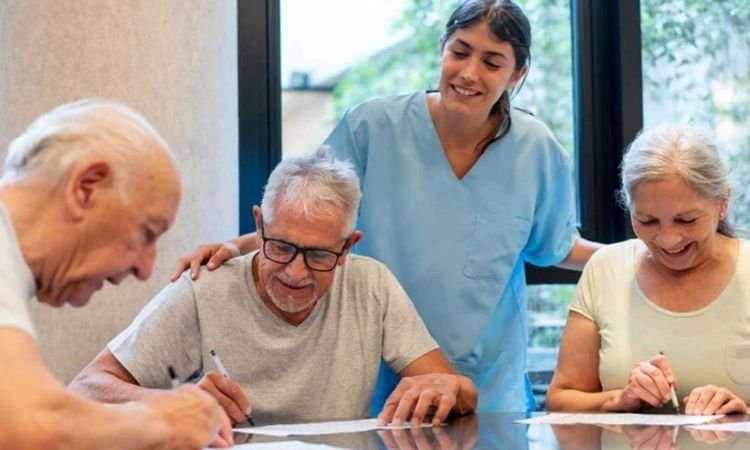
10 Pros Of Mental Health Nursing
1. Mental Health Nursing Offers Meaningful Human Impact
One of the greatest advantages of mental health nursing is the opportunity to make a deep and lasting impact on people’s lives. Mental health patients often arrive at services during some of the most difficult moments they have ever experienced. They may be dealing with severe anxiety, depression, psychosis, trauma, addiction, self-harm, suicidal thoughts, or emotional crisis. A skilled mental health nurse can provide stability, compassion, and practical support when the patient feels lost or unsafe.
This type of nursing is not only about giving medication or completing assessments. It is about helping people feel heard, respected, and understood. Many patients remember the nurse who spoke calmly during a crisis, noticed their distress, defended their dignity, or encouraged them when they felt hopeless. These moments may seem small, but they can become turning points in recovery.
Mental health nurses also support families who may be frightened, confused, or exhausted. By explaining conditions, treatment plans, safety steps, and coping strategies, nurses can reduce fear and improve understanding. This human connection makes the work highly meaningful.
For people who want a career where empathy and communication matter as much as clinical skill, mental health nursing can feel deeply purposeful. The progress may not always be quick, but when a patient begins to trust, stabilise, and rebuild their life, the reward can be powerful.
2. Mental Health Nursing Builds Strong Communication Skills
Mental health nursing develops excellent communication skills because conversation is one of the most important tools in the profession. Nurses in this field must learn how to listen carefully, ask thoughtful questions, recognise emotional cues, and respond in a way that makes patients feel safe. This is different from casual conversation. Therapeutic communication requires patience, awareness, and professional boundaries.
A mental health nurse may speak with someone who is anxious, withdrawn, angry, paranoid, confused, or emotionally overwhelmed. Each situation requires a different approach. The nurse must know when to speak, when to stay quiet, when to reassure, and when to set limits. These skills are developed over time through experience and reflection.
Good communication also helps prevent escalation. A calm voice, respectful body language, and non-judgemental attitude can reduce tension during difficult moments. In many cases, effective communication can help avoid restraint, conflict, or unnecessary distress.
These skills are valuable beyond nursing as well. Mental health nurses often become strong listeners, problem-solvers, and conflict managers. They learn how to communicate with patients, families, doctors, social workers, police, community teams, and crisis services.
Because communication is central to mental health care, nurses in this field often develop a high level of emotional intelligence. This can improve both professional practice and personal confidence.
3. Mental Health Nursing Provides Diverse Career Opportunities
Mental health nursing offers many career paths, making it a flexible and varied profession. A mental health nurse can work in inpatient psychiatric units, emergency departments, community teams, addiction services, child and adolescent mental health, older adult psychiatry, forensic mental health, crisis intervention, eating disorder services, rehabilitation, private clinics, or outreach programmes.
This variety is a major advantage because nurses can choose a setting that matches their strengths and interests. Some nurses prefer fast-paced crisis work, while others enjoy long-term therapeutic relationships in community care. Some may specialise in youth mental health, while others may focus on substance use, trauma, or severe mental illness.
Mental health nursing also offers opportunities for advancement. Experienced nurses may become clinical nurse specialists, nurse educators, case managers, team leaders, advanced practitioners, nurse therapists, researchers, or managers. Some continue their education to move into prescribing, counselling, leadership, or policy-related roles depending on their country’s healthcare system.
The demand for mental health services has increased in many regions, creating ongoing need for skilled professionals. This can provide job security and career stability for nurses who are committed to the field.
Because mental health affects every age group and community, the work is rarely limited to one type of patient or environment. For nurses who do not want a repetitive career, mental health nursing offers wide professional variety.
4. Mental Health Nursing Encourages Holistic Care
A strong benefit of mental health nursing is its holistic approach. Mental health nurses do not focus only on symptoms; they consider the whole person. This includes emotional wellbeing, physical health, medication, relationships, housing, trauma history, culture, work, education, substance use, sleep, nutrition, and social support.
This broader view is important because mental health problems rarely exist in isolation. A person with depression may also be struggling with unemployment, grief, poor sleep, chronic illness, or family conflict. A person with psychosis may need medication support, housing assistance, physical health monitoring, and help rebuilding daily routines. Mental health nursing looks at all these connected areas.
Holistic care allows nurses to create more practical and compassionate support plans. Instead of seeing a patient only as a diagnosis, the nurse sees their story, strengths, challenges, and goals. This can improve trust and help patients feel respected.
Mental health nurses also play a key role in physical health monitoring. People with severe mental illness may have higher risks of physical health problems, medication side effects, poor diet, or reduced access to healthcare. Nurses can help bridge this gap by encouraging check-ups, healthy routines, and early intervention.
For nurses who believe healthcare should treat the person rather than just the condition, mental health nursing provides a deeply person-centred approach.
5. Mental Health Nursing Can Be Professionally Rewarding
Mental health nursing can be highly rewarding because progress often feels personal and meaningful. Recovery in mental health is not always simple or quick, but when it happens, it can be powerful to witness. A patient who once felt hopeless may begin attending therapy, reconnecting with family, managing medication, returning to work, or finding confidence again.
These improvements can give nurses a strong sense of professional fulfilment. Unlike some roles where patient interaction is brief, mental health nurses often develop longer therapeutic relationships. They may see patients through crisis, stabilisation, relapse prevention, and recovery. This continuity allows nurses to understand the patient’s journey more deeply.
The work also challenges nurses to grow professionally. Mental health nursing requires clinical knowledge, emotional strength, ethical thinking, risk assessment, de-escalation skills, medication awareness, and teamwork. Each patient is different, so nurses must think critically rather than follow a single routine.
Professional reward also comes from advocacy. Mental health nurses often speak up for people who are misunderstood or judged by society. They help protect dignity, reduce stigma, and ensure patients receive fair treatment.
Although the work can be difficult, many nurses find purpose in knowing their presence matters. A calm, skilled, compassionate nurse can change the tone of an entire patient experience. That sense of contribution is one of the strongest reasons people stay in mental health nursing.
6. Mental Health Nursing Develops Crisis Management Skills
Mental health nursing helps nurses develop strong crisis management skills. Patients may arrive in severe distress, experiencing panic, suicidal thoughts, hallucinations, aggression, confusion, withdrawal, or emotional breakdown. Nurses must learn how to assess risk, respond calmly, and take appropriate action while maintaining safety.
Crisis work teaches nurses how to stay composed under pressure. Instead of reacting with fear or frustration, mental health nurses learn to observe, listen, de-escalate, and make careful decisions. They must recognise warning signs, communicate clearly with the team, and protect both the patient and others nearby.
These skills are extremely valuable in healthcare. A nurse who can manage crisis situations effectively becomes an important member of any clinical team. They can help reduce harm, prevent escalation, and support better outcomes during unstable moments.
Crisis management also involves emotional support. A patient in crisis may not remember every clinical detail, but they may remember whether the nurse treated them with dignity. Mental health nurses learn to balance safety with compassion, which is not always easy.
Over time, this work builds confidence. Nurses become better at handling uncertainty, reading behaviour, and responding professionally. These skills can also transfer to emergency care, community work, leadership, and other high-pressure roles.
For people who want a career that develops resilience and quick judgement, mental health nursing offers valuable experience.
7. Mental Health Nursing Supports Long-Term Patient Recovery
Mental health nursing often focuses on long-term recovery rather than only short-term treatment. Recovery does not always mean a condition disappears completely. It may mean the person learns to manage symptoms, rebuild relationships, improve daily functioning, reduce relapse risk, and create a meaningful life despite ongoing challenges.
This long-term approach allows nurses to support patients in practical and personal ways. They may help patients understand medication, recognise early warning signs, develop coping strategies, maintain appointments, build routines, and reconnect with community support. These steps can make a major difference in stability and quality of life.
Mental health nurses often work closely with multidisciplinary teams, including psychiatrists, psychologists, occupational therapists, social workers, peer support workers, and family members. This teamwork helps create a more complete recovery plan.
Supporting recovery also means respecting patient choice. Mental health nurses encourage independence rather than simply telling people what to do. They help patients identify their own goals and strengths. This can improve motivation and confidence.
The long-term nature of recovery can be rewarding for nurses because they may see meaningful change over time. A patient who once needed intensive support may eventually live independently, study, work, or reconnect socially.
For nurses who value relationship-based care and gradual progress, mental health nursing offers a powerful opportunity to support lasting change.
8. Mental Health Nursing Helps Reduce Stigma
Mental health nursing plays an important role in reducing stigma around mental illness. Many people with mental health conditions face judgement, misunderstanding, fear, or discrimination. They may be labelled as difficult, dangerous, weak, or attention-seeking, even when they are experiencing genuine distress. Mental health nurses help challenge these harmful attitudes through compassionate and informed care.
By treating patients with dignity, nurses show that mental illness deserves the same seriousness and respect as physical illness. They help families understand that conditions such as depression, bipolar disorder, schizophrenia, anxiety, trauma, and addiction are not moral failures. They are complex health issues that require support, treatment, and understanding.
Mental health nurses also educate patients and communities. They explain symptoms, treatment options, relapse prevention, medication, coping strategies, and recovery possibilities. This education can reduce fear and encourage people to seek help earlier.
Stigma reduction also happens through advocacy. Nurses may speak up when patients are treated unfairly, dismissed, or misunderstood. They can help ensure patients are included in decisions about their own care and are not defined only by their diagnosis.
This aspect of the role can be very meaningful. Mental health nurses do more than provide clinical care; they help change the way society views emotional suffering and psychiatric conditions. For nurses who care about social justice and human dignity, this is a major advantage.
9. Mental Health Nursing Strengthens Teamwork Skills
Mental health nursing is rarely done alone. It usually involves close teamwork with psychiatrists, psychologists, social workers, occupational therapists, healthcare assistants, peer support workers, pharmacists, community organisations, families, and emergency services. This teamwork helps patients receive more complete and coordinated care.
A mental health nurse often acts as a central link between the patient and the wider care team. Nurses observe daily behaviour, monitor medication effects, notice mood changes, identify risks, and communicate updates to other professionals. Because they spend significant time with patients, their observations can strongly influence care planning.
Teamwork is especially important in complex cases. A patient may need medication review, therapy, housing support, addiction treatment, safeguarding, physical health care, and family meetings. No single professional can manage all of this alone. Mental health nurses learn to collaborate, share information, and respect different professional perspectives.
Strong teamwork also improves safety. When staff communicate well, risks are easier to identify and manage. Good collaboration can prevent misunderstandings, duplicated work, and gaps in care.
For nurses, working in a multidisciplinary team can be professionally enriching. They learn from other specialists and develop a broader understanding of mental health treatment. This makes the role more dynamic and less isolated.
People who enjoy collaboration, shared problem-solving, and coordinated care may find mental health nursing especially rewarding.
10. Mental Health Nursing Offers Continuous Learning
Mental health nursing is a field that encourages lifelong learning. Mental health care is complex because every patient has a different background, personality, diagnosis, trauma history, family situation, culture, and response to treatment. Nurses must continue developing their knowledge and skills throughout their careers.
The role involves learning about psychiatric conditions, medication, therapy approaches, risk assessment, trauma-informed care, addiction, safeguarding, legal frameworks, crisis intervention, communication methods, and physical health issues. This variety keeps the profession intellectually engaging.
Mental health nurses also learn from patients themselves. Each patient’s experience can deepen the nurse’s understanding of resilience, suffering, recovery, and human behaviour. This makes the work emotionally and intellectually rich.
Continuing education can open doors to specialisation. Nurses may study cognitive behavioural approaches, family work, substance use care, personality disorder support, forensic mental health, child and adolescent care, or advanced clinical practice. This allows nurses to shape their careers over time.
The field also encourages reflection. Mental health nurses often think deeply about ethics, boundaries, communication, culture, risk, and patient autonomy. This reflective practice improves judgement and professional maturity.
For people who dislike repetitive work, mental health nursing offers constant growth. No two days are exactly the same, and no two patients are identical. The profession rewards curiosity, adaptability, and commitment to improvement.
10 Cons Of Mental Health Nursing
1. Mental Health Nursing Can Be Emotionally Draining
One of the biggest challenges of mental health nursing is emotional exhaustion. Nurses regularly support people who are experiencing intense distress, trauma, hopelessness, self-harm, suicidal thoughts, psychosis, addiction, grief, or severe anxiety. Listening to painful stories and witnessing suffering can affect nurses deeply over time.
Unlike some areas of nursing where emotional contact may be brief, mental health nursing often involves long conversations and therapeutic relationships. Nurses may become emotionally invested in patients’ recovery, which can be difficult when progress is slow or relapse occurs. Seeing a patient improve and then deteriorate again can feel discouraging.
The emotional pressure can also come from risk. Mental health nurses may worry about whether a patient is safe, whether they have missed warning signs, or whether the care plan is enough. This responsibility can weigh heavily, especially in high-risk settings.
Compassion fatigue is a real concern. When nurses give emotional support every day without enough rest or supervision, they may begin to feel numb, irritable, detached, or overwhelmed. This can affect both professional performance and personal wellbeing.
Healthy boundaries are essential, but they are not always easy to maintain. Nurses must care deeply without carrying every patient’s pain home with them.
For this reason, mental health nursing requires strong self-care, supervision, peer support, and emotional resilience. Without these, the role can become draining and difficult to sustain long term.
2. Mental Health Nursing Can Involve Safety Risks
Mental health nursing can involve safety risks, especially in acute inpatient units, emergency departments, crisis teams, forensic settings, or substance use services. Some patients may be highly distressed, frightened, confused, intoxicated, paranoid, or unable to control impulses. In rare cases, this can lead to aggression, threats, or violence.
It is important to understand that most people with mental health conditions are not violent. However, certain crisis situations can become unpredictable. Nurses may need to manage verbal aggression, self-harm risks, absconding, property damage, or physical confrontation. This can create stress and fear, particularly for new nurses.
Safety risks also include emotional and psychological pressure. A nurse may be involved in restraint situations, emergency medication, suicide prevention, or crisis intervention. These moments can be intense and may remain in the nurse’s memory long after the shift ends.
Training helps reduce risk. Mental health nurses are taught de-escalation, observation, risk assessment, communication strategies, and safe working procedures. Team support is also essential. No nurse should be expected to manage dangerous situations alone.
Still, the possibility of risk is part of the job. It can affect confidence, sleep, and job satisfaction if not handled properly by the workplace.
For people considering this career, it is important to be realistic. Mental health nursing can be safe and rewarding with good training and support, but it can also involve challenging situations that require courage, calmness, and strong professional boundaries.
3. Progress Can Be Slow And Difficult To Measure
Mental health recovery is often not quick or straightforward. This can be frustrating for nurses who want to see clear improvement. Unlike some physical health conditions where treatment results may be visible through wound healing, lab results, or mobility gains, mental health progress can be subtle and uneven.
A patient may improve for several weeks and then relapse. Another may engage well one day and withdraw the next. Someone may take medication but still struggle with motivation, relationships, housing, or substance use. This slow progress can make nurses feel as if their work is not making a difference.
Measuring improvement can also be complicated. A patient’s progress may involve sleeping better, speaking more openly, reducing self-harm urges, attending appointments, or trusting staff slightly more than before. These changes matter, but they may not look dramatic from the outside.
Nurses must learn to value small steps. In mental health care, recovery is often built through patience, consistency, and repeated support. However, this can be emotionally challenging when workload is heavy and outcomes are uncertain.
The slow nature of progress can also create pressure from families, services, or systems that expect quick results. Nurses may feel caught between patient reality and organisational expectations.
For people who prefer fast, visible outcomes, mental health nursing may feel frustrating. It requires patience, long-term thinking, and the ability to recognise quiet forms of improvement.
4. Mental Health Nursing Can Be Misunderstood
Mental health nursing is often misunderstood by people outside the profession. Some assume it is less clinical than other nursing roles because it involves conversation, observation, and emotional support. This is inaccurate. Mental health nursing requires strong clinical judgement, medication knowledge, risk assessment, crisis management, legal awareness, and therapeutic skill.
The misunderstanding can be frustrating for nurses. They may feel their work is undervalued compared with more physically visible areas of healthcare. Because mental health symptoms cannot always be seen, some people underestimate the seriousness of the conditions being treated.
Patients themselves may also misunderstand the nurse’s role. Some may see nurses as authority figures, medication enforcers, or people who restrict freedom, especially during involuntary care. Building trust can take time when patients feel suspicious or defensive.
Families may also have unrealistic expectations. They may expect nurses to “fix” the patient quickly or control behaviour that is part of a complex illness. When recovery is slow, families may blame staff or feel disappointed.
This lack of understanding can add emotional pressure to the job. Mental health nurses often need to explain, educate, advocate, and defend the value of their work.
Despite this, the profession is highly skilled and essential. Nurses who enter the field should be prepared for occasional misunderstanding but also confident in the importance of their role.
5. Mental Health Nursing Can Involve Heavy Documentation
Documentation is a major part of mental health nursing, and it can become one of the more frustrating aspects of the job. Nurses must record assessments, mental state observations, risk levels, medication administration, patient behaviour, care plans, incidents, family contact, safeguarding concerns, legal status, and progress notes.
Accurate documentation is essential because mental health care involves complex decision-making and risk management. Clear records help the team understand what has happened, what has changed, and what needs to be done next. They also protect patients and staff by creating a reliable account of care.
However, documentation can be time-consuming. Nurses may spend large parts of a shift writing notes, updating care plans, completing forms, or entering information into electronic systems. This can reduce the time available for direct patient interaction, which is often the most meaningful part of the job.
The pressure to document thoroughly can also increase stress. If something goes wrong, records may be reviewed closely. Nurses must balance clear writing with busy clinical demands, interruptions, and urgent patient needs.
Poor staffing can make documentation even harder. When nurses are responsible for many patients, completing high-quality notes while also providing compassionate care can feel overwhelming.
Although documentation is necessary, it can be mentally tiring and repetitive. Anyone considering mental health nursing should understand that strong writing, organisation, and attention to detail are important parts of the profession.
6. Mental Health Nursing Can Be Stressful Due To Risk Responsibility
Risk responsibility is one of the heaviest burdens in mental health nursing. Nurses often assess and manage risks related to suicide, self-harm, aggression, neglect, exploitation, substance use, absconding, medication side effects, and relapse. These risks can change quickly, and decisions must often be made with incomplete information.
This responsibility can create significant stress. A patient may deny suicidal thoughts but still appear withdrawn and hopeless. Another may seem calm after being highly distressed. Nurses must use observation, communication, clinical judgement, team discussion, and documentation to make the safest possible decisions.
The emotional weight of risk is difficult. Nurses may worry about whether they asked the right questions, escalated concerns quickly enough, or interpreted behaviour correctly. In serious cases, the outcome can be tragic despite appropriate care. This can deeply affect staff.
Risk management also involves balancing safety with patient rights. Mental health nurses must respect autonomy while also protecting people from harm. This balance can be ethically challenging, especially when patients refuse treatment or disagree with care plans.
Organisational pressure can add to the stress. Services may have limited beds, high demand, short staffing, or strict policies. Nurses may feel responsible for safety while working within imperfect systems.
Because of this, mental health nurses need good supervision, supportive teams, and clear procedures. The role can be rewarding, but the risk responsibility should not be underestimated.
7. Shift Work Can Affect Personal Life
Many mental health nursing roles involve shift work, including evenings, nights, weekends, and holidays. This can affect sleep, family time, social life, and physical health. While some nurses appreciate flexible schedules, others find irregular hours difficult.
Night shifts can be especially challenging. They may disrupt sleep patterns, appetite, mood, and energy levels. Working nights while trying to maintain relationships, childcare, study, or personal routines can be exhausting. Even rotating shifts can make it hard to establish a stable lifestyle.
Mental health units operate continuously because patients need care at all times. Crisis services may also require extended hours or emergency response. This means nurses may miss family events, weekends, religious holidays, or social gatherings.
Shift work can also affect emotional resilience. Mental health nursing already requires patience and concentration, and fatigue can make difficult situations harder to manage. A tired nurse may find it more challenging to stay calm, communicate therapeutically, and complete detailed documentation.
Some community mental health roles offer more regular hours, but inpatient and crisis settings often involve shift patterns. Nurses should consider what type of schedule suits their life before choosing a setting.
For some people, shift work is manageable and even convenient. For others, it becomes one of the biggest disadvantages of the profession. Work-life balance depends heavily on the specific role, staffing levels, and personal support system.
8. Mental Health Nursing Can Lead To Burnout
Burnout is a serious risk in mental health nursing. The combination of emotional labour, high patient need, risk responsibility, staffing shortages, documentation demands, and exposure to trauma can gradually wear nurses down. Burnout may develop slowly, making it difficult to recognise until the nurse feels exhausted, detached, or unable to recover between shifts.
Signs of burnout may include emotional numbness, irritability, poor sleep, reduced empathy, dread before work, difficulty concentrating, and loss of motivation. A nurse who once felt passionate may begin to feel disconnected from patients and colleagues.
Burnout is not simply a personal weakness. It often reflects workplace conditions. Heavy caseloads, lack of supervision, unsafe staffing, repeated crises, poor management, and limited resources can all contribute. Mental health nurses may feel they are expected to provide compassionate care while not receiving enough support themselves.
Burnout can affect patient care. A tired and unsupported nurse may struggle with communication, patience, and decision-making. This is why healthy workplaces matter so much in mental health services.
Preventing burnout requires boundaries, rest, peer support, reflective practice, manageable workloads, good leadership, and access to supervision. Nurses also need permission to care for themselves without guilt.
Mental health nursing can be sustainable and rewarding, but only when nurses are supported properly. Without that support, burnout can become one of the most serious disadvantages of the career.
9. Mental Health Nursing Can Be Ethically Challenging
Mental health nursing often involves difficult ethical situations. Nurses may need to balance patient freedom with safety, confidentiality with family concern, treatment refusal with clinical risk, and compassion with firm boundaries. These decisions are rarely simple.
One common ethical challenge involves involuntary treatment. Some patients may be admitted or treated against their wishes because they are considered at serious risk or unable to make safe decisions at that moment. Nurses must provide care while respecting dignity, even when the patient feels angry, frightened, or powerless.
Confidentiality can also be complex. Families may want information, but nurses must protect patient privacy unless there is a clear reason to share. This can create tension, especially when relatives are worried.
Another challenge is boundaries. Mental health nurses often build trusting relationships with patients, but they must remain professional. Being supportive without becoming over-involved requires maturity and self-awareness.
Resource limitations create ethical stress too. Nurses may know a patient needs more therapy, housing support, or community follow-up, but services may be limited. This can leave nurses feeling frustrated or morally distressed.
These ethical pressures require reflection, supervision, and good team discussion. Mental health nursing is not just about following rules; it requires careful judgement. For people who find ethical uncertainty difficult, this aspect of the profession can be challenging.
10. Mental Health Nursing Can Be Affected By Limited Resources
A major disadvantage of mental health nursing is working within systems that may not have enough resources. Many mental health services face high demand, limited beds, long waiting lists, staff shortages, and pressure to discharge patients quickly. This can make it difficult for nurses to provide the level of care they believe patients deserve.
Limited resources affect patients directly. Someone may need therapy but face a long wait. Another may need supported housing, addiction treatment, or community follow-up that is not immediately available. Nurses often see these gaps and feel frustrated because they know recovery requires more than short-term crisis management.
Staff shortages can also make shifts more stressful. When there are not enough nurses, each staff member may have less time for therapeutic conversation, observation, family support, and detailed care planning. This can reduce job satisfaction and increase risk.
Inpatient units may become pressured when beds are full. Community teams may carry large caseloads. Crisis services may struggle with demand. Nurses can feel caught between patient needs and system limitations.
This can lead to moral distress. Nurses may know what good care should look like but feel unable to deliver it fully because of lack of time, staff, or services.
Despite these challenges, many mental health nurses continue to provide compassionate and effective care. However, limited resources remain one of the most difficult realities of the profession.
Conclusion
Mental health nursing is a challenging, meaningful, and highly skilled profession. It requires far more than basic clinical knowledge. A mental health nurse must communicate effectively, manage risk, understand psychiatric conditions, support recovery, respond to crises, advocate for patients, and work closely with multidisciplinary teams. The role demands emotional intelligence, patience, resilience, and strong professional judgement.
The advantages of mental health nursing are significant. It offers the chance to make a real difference in people’s lives, build powerful communication skills, support long-term recovery, reduce stigma, and work in many different career settings. It can be deeply rewarding for nurses who value human connection, holistic care, and meaningful patient relationships.
At the same time, the disadvantages must be taken seriously. Mental health nursing can be emotionally draining, stressful, unpredictable, and ethically complex. Nurses may face safety risks, burnout, heavy documentation, shift work, slow progress, and limited resources. These challenges require strong support systems, good training, healthy boundaries, and workplaces that protect staff wellbeing.
Understanding DSM-5 and mental health diagnoses can help nurses communicate within clinical teams, but effective mental health nursing goes beyond labels. The nurse must see the full person, not just the condition. This person-centred approach is what makes the profession both difficult and powerful.
For someone considering this career, mental health nursing can be an excellent choice if they are compassionate, patient, emotionally mature, and willing to keep learning. It is not an easy path, but for the right person, it can be one of the most meaningful areas of nursing.