
Bison meat has gained strong attention among health-conscious eaters, home cooks, athletes, and people looking for an alternative to conventional beef. Known for its rich flavour, firm texture, and lean nutritional profile, bison meat comes from the North American bison, an animal often associated with open grasslands, traditional food culture, and natural grazing systems. Although many people casually call it “buffalo meat,” true bison and buffalo are different animals. In North America, the meat sold as bison usually comes from farmed or ranched bison raised specifically for food production.
The growing popularity of bison meat comes from several reasons. Many consumers like that it is typically leaner than beef, high in protein, and naturally rich in important nutrients such as iron, zinc, selenium, and B vitamins. It has a slightly sweeter, cleaner, and deeper flavour than beef, making it attractive for burgers, steaks, roasts, stews, chilli, meatballs, and grilled dishes. For people who want red meat but prefer something less fatty, bison can be an appealing choice.
However, bison meat is not perfect for everyone. It is usually more expensive than beef, harder to find in regular grocery stores, and less forgiving during cooking because of its lower fat content. It is still red meat, so it should be eaten in moderation as part of a balanced diet. Some people may also find its flavour unfamiliar, and depending on where it is sourced, quality and price can vary.
This article explores the 10 major pros and 10 major cons of bison meat in detail. The goal is to help readers understand its nutritional value, cooking qualities, health considerations, cost, availability, flavour, and practical use before adding it to their regular diet.
Is Bison Meat Fattening?
Bison meat is generally not considered fattening when eaten in reasonable portions and prepared in a healthy way. In fact, one of the main reasons people choose bison over regular beef is that it is often leaner and lower in fat. Bison naturally has a firm texture and less marbling than many beef cuts, which means it can provide a satisfying red meat experience without as much heaviness. For people who enjoy meat but want to manage calories, bison can be a smart option.
However, whether bison meat becomes fattening depends on portion size, cooking method, and what it is served with. A grilled bison steak with vegetables and a balanced carbohydrate source is very different from a large bison burger loaded with cheese, creamy sauces, fried sides, and refined bread. The meat itself may be lean, but the full meal can still become high in calories if prepared with rich ingredients.
Ground bison can also vary in fat content, so it is useful to check the label when buying it. Some ground bison may be very lean, while others may include more fat for better flavour and juiciness. Even then, it is usually easy to fit bison into a balanced diet because it is high in protein. Protein helps increase fullness, which may reduce overeating later in the day.
Bison meat is not a weight-loss miracle food, but it is not automatically fattening either. Like any food, it should be eaten in moderation. When cooked simply and paired with nutritious sides, bison can support a healthy eating plan and may even be helpful for people trying to reduce fat intake while still enjoying red meat.
Is Bison Meat Healthy?
Bison meat can be a healthy food choice for many people when eaten as part of a balanced diet. It is naturally rich in high-quality protein, which supports muscle repair, strength, immune function, and overall body maintenance. Because bison is usually leaner than many beef cuts, it can be a good option for people who want the benefits of red meat without consuming excessive fat.
Another health benefit of bison meat is its nutrient density. It contains important nutrients such as iron, zinc, selenium, phosphorus, and B vitamins, including vitamin B12. Iron supports healthy blood and oxygen transport, while zinc helps with immune function, healing, and normal body processes. Vitamin B12 is especially important for nerve health and energy metabolism. Since B12 is mainly found in animal foods, bison can be useful for people who include meat in their diet.
Bison may also appeal to people who want a cleaner, less greasy protein source. Its lean nature makes it suitable for meals such as grilled steaks, lean burgers, chilli, stir-fries, salads, and meal-prep bowls. When combined with vegetables, whole grains, beans, or potatoes, it can form a nutritious and satisfying meal.
Still, bison is red meat, so it should be eaten thoughtfully. A healthy diet should include variety, not just one type of protein. Fish, poultry, eggs, legumes, nuts, seeds, and plant-based proteins all have their place. Cooking method also matters. Grilled, baked, or lightly pan-seared bison is generally a better choice than heavily processed or deep-fried preparations.
Overall, bison meat can be healthy because it is protein-rich, nutrient-dense, and often lean. The key is moderation, proper portion control, and pairing it with wholesome foods.
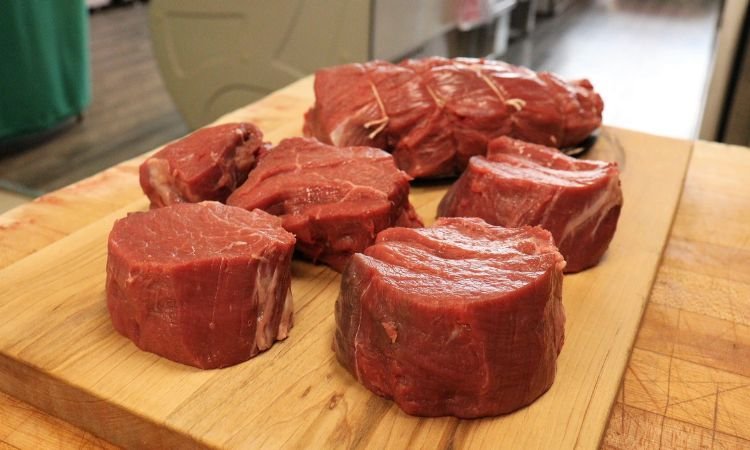
10 Pros Of Bison Meat
1. Bison Meat Is Naturally High In Protein
One of the biggest advantages of bison meat is its high protein content. Protein is essential for muscle repair, tissue growth, hormone production, immune function, and overall body maintenance. People who follow active lifestyles, strength training routines, sports programmes, or higher-protein diets often look for meat options that provide strong protein without excessive fat. Bison fits well into that category.
Compared with many fattier cuts of beef, bison is often leaner while still delivering a satisfying amount of protein. This makes it useful for people who want nutrient-dense meals that support fullness and recovery. A bison steak, burger patty, or portion of ground bison can provide a strong protein base for lunch or dinner without feeling overly heavy.
Another benefit is that bison contains complete protein, meaning it provides all essential amino acids the body needs from food. This makes it valuable for maintaining muscle mass, especially for adults who exercise regularly or older individuals who need adequate protein intake.
Because bison meat is dense and filling, smaller portions can still feel satisfying. This can help people build balanced meals with vegetables, whole grains, potatoes, or salads. For anyone looking for a lean red meat option that supports strength, energy, and satiety, bison meat offers a clear protein advantage.
2. Bison Meat Is Usually Leaner Than Beef
Bison meat is widely appreciated because it is usually leaner than traditional beef. While fat content depends on the cut, processing, and how the animal is raised, bison generally has less visible marbling and less total fat than many beef cuts. This makes it attractive for people who enjoy red meat but want a lighter option.
The lower fat level gives bison a cleaner taste and a firmer texture. It does not feel as greasy as some beef dishes, especially when used in ground meat recipes such as burgers, tacos, chilli, and meat sauces. For people trying to reduce overall fat intake while still enjoying a hearty meat-based meal, bison can be a practical alternative.
This leanness can also make bison useful in weight-conscious meal planning. Because it provides strong protein with relatively less fat, it can help create meals that are filling without being overly calorie-dense. When paired with vegetables, beans, or whole grains, it can support a balanced plate.
However, the lean nature of bison also means it needs careful cooking. It can dry out faster than fattier beef if overcooked. Still, from a nutritional perspective, its lower fat profile is one of the main reasons many people choose bison over regular beef.
3. Bison Meat Has A Rich And Distinctive Flavour
Bison meat has a unique flavour that many people describe as rich, slightly sweet, clean, and earthy. It tastes somewhat similar to beef, but it often has a deeper and more natural character. It is not usually as strong or gamey as some wild meats, which makes it approachable for people trying it for the first time.
The flavour of bison works well in many dishes. Bison steaks can taste excellent with simple seasoning such as salt, pepper, garlic, rosemary, or butter. Ground bison works beautifully in burgers, meatballs, chilli, pasta sauce, tacos, and shepherd’s pie. Because the meat has its own natural depth, it does not need heavy sauces or complicated marinades to taste good.
Many people enjoy bison because it offers something different from everyday beef or chicken. It can make regular meals feel more special without requiring dramatic changes in cooking style. A bison burger, for example, still feels familiar but delivers a more distinctive eating experience.
Its flavour also pairs well with bold ingredients such as smoked paprika, mushrooms, onions, mustard, black pepper, red wine, juniper, thyme, and roasted vegetables. For home cooks who enjoy experimenting with premium meats, bison provides a satisfying balance of familiarity and uniqueness.
4. Bison Meat Is Rich In Important Nutrients
Bison meat is not only a protein source; it also provides several important nutrients that support overall health. Like other red meats, bison naturally contains iron, zinc, selenium, phosphorus, and B vitamins. These nutrients play important roles in energy production, oxygen transport, immune support, metabolism, and normal body function.
Iron is especially important because it helps the body produce healthy red blood cells. Bison contains heme iron, which is the form of iron found in animal foods and is generally easier for the body to absorb than iron from plant sources. This can make bison useful for people who need iron-rich foods, though individual dietary needs can vary.
Zinc is another valuable nutrient found in bison. It supports immune function, wound healing, hormone balance, and normal growth. B vitamins, especially B12, help support nerve function and energy metabolism. Since B12 is mainly found in animal-based foods, bison can be a good option for people who include meat in their diet.
Because bison is nutrient-dense, it can provide a lot of nutritional value in a moderate serving. This makes it more than just a flavourful meat option. When eaten as part of a balanced diet, bison can contribute useful minerals and vitamins that support daily health.
5. Bison Meat Can Support Weight Management Goals
Bison meat can be a useful food for people working on weight management because it is generally high in protein and relatively lean. Protein helps increase fullness, which may reduce the desire to snack excessively between meals. A meal that includes bison, vegetables, and a smart carbohydrate source can feel satisfying without being unnecessarily heavy.
Because bison is often lower in fat than many beef cuts, it can fit into calorie-conscious meal plans more easily. For example, ground bison can be used in burgers, lettuce wraps, stir-fries, chilli, or meal-prep bowls where the goal is to keep meals filling but balanced. It provides the comfort of red meat while helping reduce excess grease and heaviness.
Another benefit is portion satisfaction. Bison has a dense texture and rich flavour, so a reasonable serving can feel substantial. This may help people enjoy smaller portions without feeling deprived. When food tastes satisfying, healthy eating habits are easier to maintain.
However, bison should not be seen as a miracle weight-loss food. Cooking method matters. A lean bison burger served with fried sides and heavy sauces will not have the same benefit as grilled bison with vegetables. Still, when used thoughtfully, bison can support a healthier, protein-focused approach to eating.
6. Bison Meat Is Versatile In Cooking
Bison meat is more versatile than many people expect. It can be used in many recipes that traditionally call for beef, including burgers, steaks, roasts, stews, tacos, chilli, meatloaf, pasta sauce, kebabs, and stir-fries. This makes it easy for home cooks to introduce bison into familiar meals without needing entirely new recipes.
Ground bison is one of the easiest forms to use. It cooks quickly and works well in weeknight meals. Bison steaks are excellent when grilled, pan-seared, or broiled, as long as they are not overcooked. Tougher cuts can be slow-cooked in stews or braises, where moisture and low heat help create tenderness.
Because bison has a slightly sweet and rich flavour, it pairs well with many seasonings. Simple salt and pepper work well, but bison also handles garlic, smoked spices, herbs, mustard, wine-based sauces, mushrooms, onions, and roasted vegetables beautifully.
Its versatility also makes it suitable for different eating styles. It can fit into high-protein diets, lower-fat meal plans, traditional comfort food, outdoor grilling, gourmet cooking, and family meals. Once people learn how to cook it properly, bison can become a flexible substitute for beef in many kitchens.
7. Bison Meat Often Comes From More Natural Raising Systems
Many consumers are attracted to bison meat because bison are commonly associated with open grazing and less intensive production compared with some conventional livestock systems. While farming practices vary by producer, bison are often raised on pasture for much of their lives. This appeals to people who care about animal movement, natural feeding behaviour, and food sourcing.
Bison are strong grazing animals that are well adapted to grassland environments. Their natural behaviour makes them suitable for ranching systems where they roam and graze. For consumers who prefer meat from animals raised in less confined settings, bison can feel like a better choice than some heavily industrialised meat options.
Another benefit is that bison meat is often marketed as a premium product, so producers may pay closer attention to quality, handling, and animal welfare. Many buyers appreciate knowing more about where their meat comes from, especially when purchasing directly from ranches, specialty butchers, or trusted suppliers.
However, it is still important to check the source. Not all bison meat is raised the same way, and labels can vary. But for consumers who value natural grazing systems and want a closer connection to food production, bison meat often has strong appeal.
8. Bison Meat Is A Good Alternative For Beef Lovers
For people who love beef but want variety, bison is one of the best alternatives. It offers the satisfying taste and texture of red meat while providing a slightly different flavour and often a leaner nutritional profile. This makes it easy to enjoy familiar meals with a fresh twist.
Many beef lovers do not want to switch completely to poultry, fish, or plant-based proteins. Bison gives them another option without losing the hearty experience of eating red meat. A bison burger, for example, still feels rich and filling, but it has a cleaner taste and less heaviness than many beef burgers.
Bison also works well for special meals. A grilled bison steak or slow-cooked bison roast can feel premium and memorable. It is different enough to be interesting but not so unusual that it becomes difficult to enjoy.
This makes bison helpful for people trying to reduce beef intake without giving up red meat entirely. They can rotate bison into their diet for variety, flavour, and nutritional balance. For families, bison can also introduce children and adults to new foods in a familiar format.
Overall, bison is a practical alternative for beef lovers who want something leaner, distinctive, and enjoyable.
9. Bison Meat Can Be Useful For Meal Prep
Bison meat can be a strong choice for meal prep because it is protein-rich, filling, and easy to use in batch cooking. Ground bison works especially well in recipes that can be prepared ahead of time, such as chilli, meat sauce, taco filling, stuffed peppers, grain bowls, and high-protein lunch containers.
One advantage of using bison in meal prep is that it does not feel overly greasy. Since it is generally leaner than many ground beef options, cooked bison can be easier to portion and store. It reheats well when used in moist dishes such as stews, sauces, and chilli.
Bison can also help prevent meal boredom. Many people meal prep with chicken breast, turkey, or beef every week. Adding bison brings a different flavour while still supporting protein goals. This variety can make healthy eating more enjoyable and easier to maintain long term.
For athletes and busy professionals, bison can be a convenient way to build nutrient-dense meals. A simple prep bowl with bison, roasted vegetables, rice, potatoes, beans, or salad can provide strong nutrition and lasting fullness.
The key is not to overcook it during the first preparation. Because bison is lean, it should be cooked gently and stored with enough moisture when possible. Used properly, it can be excellent for planned meals.
10. Bison Meat Offers A Premium Eating Experience
Bison meat often feels more premium than everyday meats because it is less common, distinctive in flavour, and associated with quality. For people who enjoy cooking special meals at home, bison can provide a restaurant-style experience without requiring complicated preparation.
A bison steak, burger, or roast can make a meal feel more unique. It is familiar enough for most people to enjoy, but different enough to feel special. This makes it suitable for weekend dinners, family gatherings, outdoor grilling, date-night meals, or food enthusiasts who like exploring new ingredients.
The premium feel also comes from its texture and taste. Bison has a dense, satisfying bite and a rich flavour that stands out with simple seasoning. Because it is not as common as beef or chicken, serving bison can make guests curious and interested.
For people who care about food quality, bison offers an opportunity to choose meat more intentionally. Many buyers purchase it from specialty butchers, ranchers, farmers’ markets, or premium grocery suppliers. This can create a closer connection between the consumer and the source of the food.
Although bison is more expensive, many people see it as worth buying occasionally for special meals. Its unique taste, lean profile, and premium character make it a memorable addition to the table.
10 Cons Of Bison Meat
1. Bison Meat Is Usually More Expensive
One of the biggest disadvantages of bison meat is its price. Compared with common meats such as beef, chicken, pork, or turkey, bison is usually more expensive. This higher cost can make it difficult for families to use bison as a regular protein source.
The price difference comes from several factors. Bison production is smaller than beef production, meaning supply is more limited. Raising bison can also require more land, specialised handling, and different management practices. Since bison meat is often sold as a premium product, it usually carries a higher retail price.
For budget-conscious shoppers, this can be a major drawback. A family that needs affordable protein for multiple meals may find bison too expensive for weekly use. Even ground bison, which is usually cheaper than steaks or roasts, often costs more than regular ground beef.
The higher price may also affect portion sizes. Some consumers may buy bison only for special occasions rather than everyday meals. Others may mix it with other ingredients such as beans, vegetables, or grains to stretch the meal further.
While many people enjoy bison’s taste and nutrition, cost remains an important practical concern. For those trying to manage grocery budgets carefully, bison may be more of an occasional purchase than a staple food.
2. Bison Meat Can Be Hard To Find
Bison meat is not as widely available as beef, chicken, or pork. In many areas, it may only be found in specialty grocery stores, butcher shops, farmers’ markets, online meat suppliers, or health-focused supermarkets. This limited availability can make it inconvenient for everyday cooking.
For people living in major cities or regions with access to specialty food stores, finding bison may not be too difficult. However, in smaller towns or areas where demand is low, it may be rare or unavailable. Even when stores carry it, the selection may be limited to ground bison rather than steaks, roasts, ribs, or specialty cuts.
This can make meal planning harder. If a recipe calls for a specific cut of bison, the shopper may not be able to find it easily. Online ordering is an option, but shipping costs and minimum order requirements can increase the total price.
Limited availability also means less competition, which may contribute to higher prices. Consumers may not have many brands or producers to compare.
For people who like convenience, this is a real drawback. Unlike beef, which is available almost everywhere, bison often requires extra effort to source. Anyone interested in cooking bison regularly may need to plan ahead, buy in bulk, or find a reliable local supplier.
3. Bison Meat Can Dry Out Easily
Because bison is usually leaner than beef, it can dry out quickly if cooked incorrectly. Fat helps meat stay juicy, tender, and forgiving during cooking. Since bison has less fat, it requires more careful handling, especially when grilling, pan-searing, or roasting.
Many people make the mistake of cooking bison exactly like beef. This can lead to dry burgers, tough steaks, or chewy roasts. Bison generally performs better when cooked at lower temperatures and not pushed too far past medium. Overcooking removes moisture and can make the meat less enjoyable.
Ground bison is especially vulnerable. A bison burger cooked until very well done may become dry and crumbly. Adding moisture-rich ingredients such as onions, mushrooms, egg, or sauces can help, but the cook still needs to be careful.
Steaks also require attention. Resting the meat after cooking is important because it helps retain juices. Marinades, butter, or gentle cooking methods can improve tenderness and flavour.
This learning curve may frustrate people who are used to beef. Bison can be delicious, but it is less forgiving. Anyone new to it should start with simple recipes and avoid high heat for too long. Proper cooking makes a major difference in the final result.
4. Bison Meat Has A Different Flavour That Not Everyone Likes
Although many people enjoy bison’s rich and slightly sweet flavour, it may not appeal to everyone. Some consumers expect it to taste exactly like beef and feel surprised when it has a cleaner, earthier, or more distinctive taste. While it is not usually strongly gamey, it still has its own character.
This can be a disadvantage for picky eaters or families with children who prefer familiar flavours. Someone who enjoys fatty, heavily marbled beef may find bison less juicy or less indulgent. Others may feel the flavour is too bold depending on the cut, source, or preparation method.
The taste can also vary between producers. Diet, age, cut, processing, and cooking style all influence flavour. One bison steak may taste mild and tender, while another may seem stronger or firmer. This inconsistency can make it harder for new consumers to know what to expect.
Seasoning and cooking method matter a lot. Bison can taste excellent with simple herbs, garlic, pepper, and butter, but if overcooked, its flavour may become less pleasant. In stews or chilli, the flavour blends more easily with spices and sauces.
For people who enjoy trying new meats, bison’s flavour is a benefit. For those who prefer predictable, mild proteins, it may be a drawback.
5. Bison Meat Is Still Red Meat
Even though bison is often leaner than beef, it is still red meat. This matters because health professionals commonly recommend eating red meat in moderation. Some people may see bison as automatically “healthy” and assume they can eat it without limits, but that is not the best approach.
Bison can be part of a balanced diet, but it should not replace variety. A healthy eating pattern usually includes different protein sources such as fish, poultry, eggs, beans, lentils, nuts, seeds, and dairy or suitable alternatives. Eating too much red meat, even lean red meat, may not be ideal for everyone.
People with certain health concerns may need to be especially mindful. Those managing heart health, cholesterol levels, kidney concerns, or specific dietary restrictions should consider portion size and overall diet quality. Cooking method also matters. Grilled or pan-seared bison served with vegetables is very different from processed bison products or oversized burgers with heavy toppings.
Another issue is perception. Because bison is marketed as lean and natural, some consumers may overlook moderation. Nutrient-dense does not mean unlimited.
The best way to enjoy bison is as one part of a varied diet. It can be a smart red meat choice, but it should still be consumed thoughtfully rather than excessively.
6. Bison Meat Requires Cooking Knowledge
Bison meat can be easy to cook once someone understands it, but beginners may struggle at first. Its lower fat content means it behaves differently from beef in the pan, on the grill, or in the oven. People who do not adjust their cooking style may end up disappointed.
Cooking bison well requires attention to temperature, timing, and moisture. Steaks should usually be cooked gently and not overdone. Ground bison may need added moisture or shorter cooking times. Roasts may benefit from slow cooking or braising to keep them tender.
This can be inconvenient for people who want simple, foolproof meals. Beef is more forgiving because higher fat content can protect against dryness. Chicken thighs, pork shoulder, and fatty ground beef can tolerate more cooking mistakes. Bison, however, rewards careful cooking and punishes neglect.
A meat thermometer can be helpful, but not everyone uses one. Resting the meat after cooking also matters. These small techniques may seem unnecessary to casual cooks, but they can make the difference between tender bison and dry bison.
The learning curve is not impossible, but it is real. People who enjoy cooking may appreciate the challenge. Those who prefer low-effort meals may find bison less convenient than more familiar proteins.
7. Bison Meat May Not Suit Every Recipe
Although bison is versatile, it does not work perfectly in every recipe that calls for beef. Its lean texture and lower fat content can change the final result, especially in dishes that rely on fat for flavour, tenderness, or richness.
For example, a classic juicy burger made with fatty ground beef may not translate directly to bison. A bison burger can be delicious, but it may need gentler cooking, added moisture, or toppings that provide richness. Meatloaf, meatballs, and sausages can also become dry if the recipe is not adjusted.
In slow-cooked recipes, some cuts of bison work beautifully, but others may need careful moisture control. Because bison is lean, it may not create the same rich, fatty sauce that beef does. Cooks may need to add broth, oil, butter, or vegetables to balance the dish.
This does not mean bison is difficult to use. It simply means it is not always a one-to-one replacement for beef. Recipes may need small adjustments to bring out the best texture and flavour.
For experienced cooks, this is manageable. For beginners, it may lead to mixed results. Anyone using bison should choose recipes that respect its lean nature rather than forcing it into dishes designed for fattier meat.
8. Bison Meat Quality Can Vary
The quality of bison meat can vary depending on the producer, cut, processing, age of the animal, diet, storage, and handling. Since bison is less common than beef, consumers may have fewer buying options and less experience judging quality. This can make purchases less predictable.
A high-quality bison steak can be tender, flavourful, and enjoyable. A poorly handled or poorly cooked cut can be tough, dry, or overly strong in flavour. Ground bison can also vary in fat content, texture, and freshness depending on the supplier.
Because bison is usually more expensive, inconsistent quality can be frustrating. Consumers may feel disappointed if they pay a premium price but do not receive a premium eating experience. This is one reason sourcing matters. Buying from a trusted butcher, rancher, or reputable store can improve the chance of getting good meat.
Frozen bison is common, especially when ordered online. Freezing itself is not necessarily bad, but poor freezing, thawing, or storage can affect texture and taste. Buyers need to handle it properly at home.
Another issue is labelling and product knowledge. Some consumers may not understand the differences between ground bison, steaks, roasts, grass-fed products, grain-finished products, and blended meat items.
For best results, buyers should learn about the supplier and start with small purchases before buying in bulk.
9. Bison Meat Is Not Ideal For Very Low-Budget Meal Planning
Bison can be nutritious and delicious, but it is not always practical for people trying to keep food costs very low. Families, students, and budget-focused shoppers often need affordable proteins that can stretch across many meals. Bison’s higher price makes this difficult.
Common budget proteins such as eggs, beans, lentils, canned fish, chicken thighs, ground turkey, and regular ground beef are usually much cheaper per serving. Even though bison may provide strong nutrition, the cost difference can be significant over time.
This is especially true for larger households. Buying enough bison for multiple family meals can become expensive quickly. Premium cuts such as steaks or roasts may be out of reach for many shoppers except on special occasions.
Some people try to stretch bison by using it in chilli, soups, pasta sauces, or grain bowls. This can help, but it still may not compete with cheaper protein sources. For daily meal planning, practicality matters as much as nutrition.
Bison may be better suited as an occasional upgrade rather than a regular staple for people with tight grocery budgets. It can be enjoyed once in a while without becoming a financial burden.
While its quality and nutritional profile are appealing, affordability remains one of the clearest limitations of bison meat.
10. Bison Meat May Have Limited Dining And Recipe Familiarity
Another disadvantage of bison meat is that many people are simply unfamiliar with it. Beef, chicken, and pork are deeply established in everyday cooking, restaurant menus, family recipes, and cultural food traditions. Bison is less common, so people may not know how to choose it, season it, cook it, or serve it.
This lack of familiarity can make bison feel intimidating. A shopper may see it at a butcher shop but avoid buying it because they do not know what cut to choose. A home cook may worry about ruining an expensive steak. Families may hesitate because they are unsure whether everyone will like the flavour.
Restaurants may also offer limited bison options. Some menus include bison burgers, but steaks, roasts, or traditional bison dishes are less common. This means many people have fewer chances to taste it before cooking it at home.
Recipe familiarity is another issue. While bison can replace beef in many meals, adjustments are often needed. Without experience, people may overcook it or season it poorly. This can create a bad first impression.
Over time, familiarity can improve. Once people learn how to prepare bison properly, it becomes much less intimidating. Still, compared with mainstream meats, bison requires more curiosity, research, and confidence in the kitchen.
Conclusion
Bison meat is a flavourful, nutrient-dense, and lean red meat that offers many benefits for people looking for an alternative to conventional beef. It is high in protein, rich in important nutrients, often lower in fat than beef, and versatile enough to use in many familiar dishes. Its slightly sweet, earthy, and clean flavour makes it appealing to people who enjoy premium meats and want something different from everyday options.
For health-conscious consumers, bison can be a strong choice when eaten in moderation as part of a balanced diet. It can support protein needs, provide valuable minerals, and help create satisfying meals without excessive heaviness. It also appeals to people interested in natural grazing systems, specialty meats, and high-quality cooking experiences.
However, bison meat also has clear disadvantages. It is usually more expensive, less available, and less forgiving during cooking than beef. Its lean texture means it can dry out quickly, and its distinctive flavour may not suit everyone. It is also still red meat, so it should be consumed thoughtfully rather than treated as an unlimited health food.
The decision to eat bison depends on personal priorities. If someone values lean protein, rich flavour, and culinary variety, bison can be an excellent addition to their diet. If budget, convenience, and easy cooking are the main concerns, it may be better as an occasional treat rather than a regular staple.
Overall, bison meat is worth trying for anyone interested in nutritious, high-quality red meat with a unique character. The key is to buy from a trusted source, cook it carefully, and enjoy it as part of a varied and balanced eating pattern.