
The Olympic Games are one of the most revered and watched events in the world, bringing together countries and cultures in a celebration of athleticism, unity, and global cooperation. Every four years, cities across the globe bid to host the Games, offering them a platform to showcase their culture, capabilities, and infrastructure to an international audience. However, this honor comes with immense responsibility, significant costs, and profound implications for the host city and country.
Hosting the Olympics can bring immense prestige, an economic boost, and improvements to infrastructure, yet it can also come with hefty costs, long-term financial burdens, and potential social disruptions. While the immediate excitement surrounding the Games often overshadows the challenges, there are crucial factors that need to be considered in the decision-making process.
Is hosting the Olympics truly profitable in the long term? This is a question many cities grapple with as they consider whether the Games are worth the investment.
This article delves into the many pros and cons of hosting the Olympics, providing a comprehensive view of the benefits and drawbacks of taking on this monumental event.
We will explore how hosting can positively impact the economy, tourism, infrastructure, and global reputation of a city, while also examining the negative consequences, including cost overruns, environmental concerns, and social impact.
By the end, you will have a clear understanding of whether the Olympics are truly a profitable and worthwhile investment for host cities.
Pros of Hosting the Olympics
1. Economic Boost through Tourism and Global Exposure
Hosting the Olympics brings an unparalleled level of global attention, with billions of viewers tuning in from all around the world. The host city gets an opportunity to showcase its culture, history, and architecture, which can make it a prominent international destination long after the Games have ended. The immediate influx of tourists during the event provides a significant economic boost as visitors flock to the city for the Games. This includes spectators, media personnel, athletes, corporate sponsors, and their entourages, all of whom contribute to the local economy.
Tourism-related industries such as hospitality, retail, transportation, and entertainment see an immediate boost, as hotels, restaurants, shops, and tour operators experience heightened demand. The Olympics also serve as an excellent opportunity for the host city to enhance its global branding and future tourism potential. Many Olympic host cities, such as Sydney, Barcelona, and London, have witnessed a sustained increase in tourism long after the Games have concluded, as the global exposure drives tourists to visit these once-in-a-lifetime destinations.
The long-term tourism impact can be especially significant if the host city capitalizes on the infrastructure improvements made for the Games. These can make the city more attractive for business conferences, cultural events, and future international gatherings, further solidifying the city’s position as a global hub.
2. Infrastructure Development
One of the most significant advantages of hosting the Olympics is the opportunity to develop and upgrade the city’s infrastructure. The Olympics often serve as a catalyst for large-scale infrastructure projects, which would otherwise take years or even decades to develop. The host city receives substantial investments in areas such as transportation, sports facilities, utilities, and public amenities.
In preparation for the Olympics, cities often invest in modernizing their public transportation systems, including new metro lines, train stations, and airport improvements, which not only serve the Games but also leave behind long-term benefits for residents. The Games also require the construction of state-of-the-art sports venues, such as Olympic parks, swimming pools, and stadiums, which can later be repurposed for public use or international events, thus improving the city’s athletic and recreational infrastructure.
Moreover, the increased demand for reliable utilities such as water, electricity, and waste management systems prompts cities to invest in sustainable and modern solutions. These infrastructure improvements can significantly elevate the city’s quality of life, making it more attractive for future residents, businesses, and tourists.
3. Job Creation and Economic Growth
Hosting the Olympics generates thousands of jobs, both directly and indirectly, which can have a profound impact on local employment rates. The construction of venues and the development of infrastructure require skilled workers, engineers, architects, and laborers. During the preparation phase, the demand for workers is high, and thousands of temporary jobs are created, ranging from construction and logistics to event management and hospitality.
Beyond the direct job creation, the Olympics also generate indirect employment in the form of increased demand for local services. Retail businesses, restaurants, and entertainment venues experience a surge in demand as the influx of visitors requires staff to meet their needs. The Games can also create long-term jobs in tourism and hospitality sectors as the city continues to benefit from the heightened profile generated by the Olympics.
Moreover, these new job opportunities can help reduce unemployment and stimulate economic growth in the host city, offering a financial boost that can ripple across other sectors. However, it is important to note that many of these jobs are temporary, and the long-term employment impacts may depend on how well the city capitalizes on the new infrastructure and global exposure.
4. International Recognition and Prestige
The Olympics are one of the most-watched global events, and hosting them provides unparalleled exposure. The attention that the host city receives during the Games, both on television and through global media outlets, gives it an immense opportunity to gain recognition on the world stage. The event showcases the host city’s culture, history, architecture, and modernity, effectively placing it in the international spotlight.
The prestige of hosting the Olympics extends beyond tourism and business opportunities—it can help position the host city as a key player in global diplomacy, trade, and culture. For many cities, being selected as the Olympic host marks a significant milestone in their development, signaling that they are capable of organizing one of the most complex and high-profile events in the world.
Furthermore, hosting the Olympics fosters a sense of national pride and unity, as citizens from all over the host country rally behind their athletes and celebrate their country’s accomplishments. The Games can also enhance the host city’s reputation as a cultural and economic leader, attracting future business, investment, and international collaborations.
5. Social and Cultural Benefits
Hosting the Olympics provides significant social and cultural benefits, not only for the host city but also for the surrounding regions. The Games promote intercultural dialogue by bringing together athletes, officials, and spectators from a diverse range of countries. This fosters a sense of global unity, cooperation, and peace, in line with the Olympic ideals of “Citius, Altius, Fortius” (Faster, Higher, Stronger).
Cultural programs, performances, and ceremonies held during the Games offer an opportunity for the host city to showcase its arts, traditions, and national identity to a global audience. This can be particularly valuable for cities with rich cultural heritage or those seeking to improve their international standing. The Olympic Games can also serve as a platform for cultural exchange, where new ideas, music, cuisine, and art are shared, leading to a greater understanding and appreciation of different cultures.
Additionally, the Games provide opportunities for local communities to engage with global cultures, with volunteer programs, outreach events, and community sports activities often serving as a bridge between the Games and the public. The social and cultural impact of the Olympics can help create a lasting legacy that goes beyond the event itself.
6. Long-Term Tourism Impact
While the tourism boost during the Olympics is well-documented, many host cities also see a lasting increase in tourism long after the Games conclude. This is often due to the infrastructure and global exposure generated by the event. New transportation networks, modernized public spaces, and state-of-the-art sports venues make the city more attractive to travelers. Cities that have successfully capitalized on their Olympic legacy have turned into year-round tourist destinations, with people visiting to see the venues, participate in cultural events, or enjoy the enhanced public amenities.
Furthermore, the global media coverage of the Olympics provides a lasting advertisement for the host city, which helps maintain interest and visibility in international markets. As the city continues to promote its new image, it can draw international visitors and investors who may have previously overlooked the area.
This sustained tourism benefit is critical to offsetting the initial costs of hosting the Games. Host cities can continue to leverage their Olympic exposure by attracting events such as international conferences, exhibitions, and future global sporting events, which all contribute to the long-term tourism revenue.
7. Sports Development and Legacy
Hosting the Olympics provides the opportunity for a host city to invest in its sports infrastructure and to promote sports at the grassroots level. The Games often lead to the construction of modern sports facilities that can be used by local athletes, schools, and community organizations long after the event concludes. These venues may be repurposed for a wide variety of sports and events, ensuring that the legacy of the Games benefits local residents.
In addition to infrastructure, the Olympics provide a platform for youth and community sports programs. These initiatives encourage local participation in athletics and help foster a culture of physical activity, which can have long-term public health benefits. The exposure of local athletes competing on the world stage can also inspire future generations to pursue competitive sports.
Moreover, the Games can stimulate further investment in sports organizations, training centers, and coaching programs, helping to develop world-class athletes. The sports legacy of the Olympics can boost the host city’s reputation as a center for excellence in sports and provide opportunities for athletes and sports enthusiasts alike.
8. Urban Renewal and Regeneration
One of the more visible impacts of hosting the Olympics is urban renewal and regeneration. Many host cities invest heavily in rejuvenating underdeveloped or neglected areas, transforming them into vibrant neighborhoods with modern infrastructure and amenities. These transformations can have a lasting impact on local residents by providing new housing, better public spaces, and improved access to services.
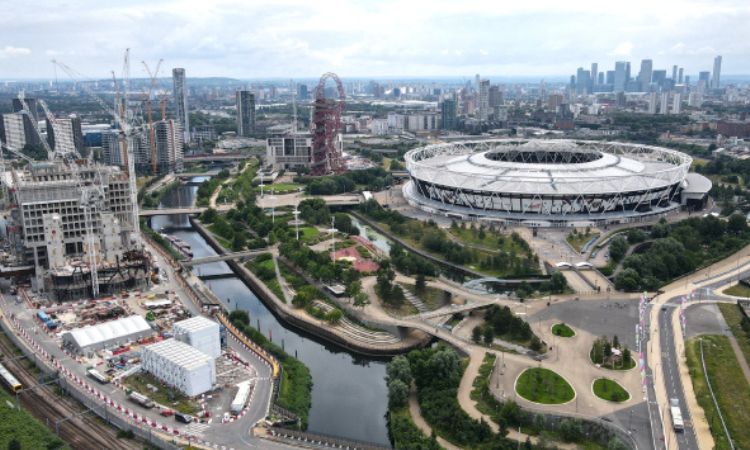
For example, London’s East End saw significant regeneration before and after the 2012 Olympics, with new housing, retail spaces, and community facilities constructed. In addition to upgrading the city’s image, such projects can increase property values, attract new residents, and create a more attractive environment for businesses.
Moreover, the Olympics can help address issues such as affordable housing, environmental sustainability, and urban mobility, providing a platform for cities to implement progressive and inclusive urban planning policies. The successful transformation of areas around Olympic venues can serve as a model for other cities, demonstrating the potential for large-scale events to drive positive urban change.
9. Strengthening National Identity and Pride
The Olympics are a source of immense national pride. For the host country, the event represents an opportunity to showcase its achievements, culture, and progress to the world. Hosting the Games can galvanize a sense of national unity as citizens come together to support their athletes and celebrate their shared identity.
The Olympics also provide a platform for countries to demonstrate their organizational abilities, political stability, and global influence. National pride often extends to the local level, as communities rally around the Games and feel a collective sense of ownership and achievement. This spirit of pride can foster a more engaged and connected population, which can have long-term benefits for the nation’s cultural and social fabric.
Additionally, the Olympics can inspire future generations of athletes and citizens to embrace the values of sportsmanship, competition, and international cooperation, strengthening the nation’s commitment to these ideals.
10. Economic Diversification
Hosting the Olympics can serve as a catalyst for economic diversification, helping the city transition from one dominant industry to a more balanced, sustainable economy. While the immediate impact is often centered around tourism, hospitality, and construction, hosting the Games can create opportunities for new industries, such as technology, green energy, and event management, to grow and thrive.
The legacy of the Olympics can provide long-term economic benefits by opening up new avenues for business and investment. For cities with an established reputation in sectors like finance, technology, or trade, the exposure from the Games can attract multinational corporations and entrepreneurs who are looking for a global platform to launch or expand their businesses.
Cons of Hosting the Olympics
1. High Costs and Budget Overruns
The financial burden of hosting the Olympics is one of the most significant drawbacks. The costs associated with building new sports venues, upgrading infrastructure, and ensuring security can run into the billions of dollars. While the Games bring in revenue through ticket sales, sponsorships, and tourism, the costs often exceed the initial budget estimates, leaving host cities with a massive financial burden.
Many Olympic host cities experience budget overruns, with costs spiraling out of control due to unforeseen expenses, delays, and last-minute changes. For example, the 2008 Beijing Olympics and the 2016 Rio Olympics both faced significant budget overruns, with the final costs far exceeding the original projections. These financial challenges can leave the host city with debt that may take years or even decades to repay.
Even if the Games generate some immediate economic benefits, the long-term financial impact can be problematic, particularly if the city fails to generate enough revenue or if the infrastructure is underused after the event. Cities that face budget overruns often struggle to balance their books, affecting the long-term sustainability of the investments made for the Games.
2. Temporary Nature of Jobs
While the Olympics create a significant number of jobs, many of these positions are temporary in nature. Workers are needed during the construction phase and throughout the event, but once the Games conclude, many of these jobs are no longer necessary. Although some positions in tourism and event management may remain, the majority of jobs created by the Olympics are short-term.
The reliance on temporary labor can also lead to issues such as wage inflation, housing shortages, and labor disputes, particularly if the influx of workers is not properly managed. Once the Olympics are over, workers may find themselves out of employment, potentially leading to a spike in unemployment in certain sectors.
This temporary employment nature means that the long-term economic benefits of hosting the Olympics may be limited, as the host city must focus on creating sustainable job opportunities beyond the event itself.
3. Potential for Environmental Damage
Hosting the Olympics often involves large-scale construction projects that can have negative environmental impacts. Building new stadiums, hotels, and transportation infrastructure can lead to deforestation, habitat destruction, and pollution. The construction phase can result in increased waste production, air and water pollution, and the overuse of resources such as energy and water.
The environmental impact of these projects can be particularly damaging in areas with fragile ecosystems or limited resources. Even with efforts to create sustainable venues and infrastructure, the sheer scale of the Olympics can place significant pressure on the environment, leading to long-term ecological consequences.
In addition to construction impacts, the Games themselves require significant energy consumption, which can further contribute to climate change and environmental degradation. Although some cities make efforts to mitigate these effects through green building practices and sustainable initiatives, the environmental footprint of hosting the Olympics is a major concern.
4. Infrastructure that May Go Underused
One of the most significant risks of hosting the Olympics is the potential underuse of newly built infrastructure. Many cities invest heavily in the construction of Olympic venues, transportation networks, and public spaces, but after the event, these facilities can be left largely unused. Without proper planning, these venues may become white elephants—expensive, underutilized assets that drain public resources through maintenance costs and lack of purpose.
For instance, after the London Olympics, some venues, such as the Olympic Stadium, faced challenges in finding long-term use. Similarly, the massive cost of maintaining sports arenas, athlete villages, and other venues can become a financial burden for the host city in the years following the event.
Cities need to carefully plan for the post-Olympics use of infrastructure to ensure that these investments continue to benefit the public and the local economy. Failure to do so can result in wasted resources and missed opportunities for urban development.
5. Displacement of Local Residents
In some instances, hosting the Olympics leads to the displacement of local residents to make room for new infrastructure projects, including stadiums, hotels, and transportation systems. Low-income communities are often the most affected, as they may be forced to relocate without adequate compensation or assistance.
The construction of Olympic venues can sometimes require the demolition of affordable housing or the gentrification of entire neighborhoods. This displacement can disrupt established communities and lead to social unrest, as residents protest the loss of their homes and livelihoods. In cities with high levels of inequality, the Olympics may exacerbate existing social tensions, causing long-lasting damage to social cohesion.
6. Security Risks and Terrorism Threats
Hosting the Olympics poses a significant security challenge, as the event attracts large crowds, high-profile dignitaries, and athletes from all over the world. The risk of terrorism, civil unrest, and criminal activity is elevated during the Games, requiring massive investments in security infrastructure, surveillance systems, and emergency response measures.
The presence of millions of visitors, combined with the international spotlight on the host city, makes it a prime target for terrorism or disruptive protests. The security costs are often enormous, as cities must ensure the safety of attendees, athletes, and local residents. The complexity of managing such security risks can strain the host city’s resources and create public anxiety, particularly if there are any security breaches.
7. Traffic and Transportation Congestion
The influx of visitors to a city for the Olympics places immense pressure on its transportation system. Roads, public transit, and airports become crowded, leading to traffic jams, delays, and logistical challenges. While cities often make significant improvements to public transportation in preparation for the event, the sheer volume of people can overwhelm the system.
Local residents and businesses may also be affected by the increased congestion, with many experiencing long commute times and disruptions to daily activities. For visitors, transportation issues can detract from the overall Olympic experience, making it difficult to navigate the city and attend events. Effective transportation planning is crucial to minimizing these disruptions, but even with careful preparation, managing the flow of millions of people can be a daunting task.
8. Social and Political Discontent
The high costs and potential social disruptions caused by hosting the Olympics can lead to public discontent and protests. Many citizens may question the allocation of resources, particularly if the city faces budget cuts in areas like healthcare, education, and social welfare to fund the Games.
There may be public backlash against the Olympics if people feel that the money spent on the event could have been better used to address pressing local issues, such as poverty, unemployment, and housing shortages. Political tensions may arise as local politicians and activists voice concerns about the prioritization of the Games over the needs of the local population. In extreme cases, protests and civil unrest can mar the Games, undermining the social cohesion and national pride that the Olympics aim to foster.
9. High Long-Term Debt Burden
Many host cities fund the Olympics through bonds, loans, and other forms of borrowing, which can leave them with significant debt obligations long after the Games have ended. The enormous costs of construction, security, and operations are often financed through borrowed money, and the debt can remain a burden for years to come.
Even if the city experiences some immediate financial benefits from tourism and global exposure, the long-term debt burden can restrict its ability to invest in other critical areas, such as education, healthcare, or infrastructure projects. In some cases, the financial strain from the Olympics can lead to austerity measures or increased taxes for residents, further exacerbating public discontent.
10. Negative Public Opinion Post-Games
While the Olympics often generate excitement and pride before and during the event, the aftermath of the Games can lead to negative public opinion if the event fails to live up to expectations. If there are significant logistical issues, security breaches, or cost overruns, the reputation of the host city can be damaged.
Post-event challenges, such as maintaining unused infrastructure, managing debt, and dealing with social tensions, can tarnish the overall success of the Games. The excitement of hosting the Olympics fades, and the city may be left to deal with the negative consequences long after the international media spotlight moves on.
Conclusion
Hosting the Olympics is a monumental undertaking that offers both substantial rewards and significant challenges. On one hand, the event brings a major economic boost through tourism, job creation, and global exposure. It provides an opportunity for infrastructure development, social benefits, and national pride, all of which can leave a lasting legacy. On the other hand, the financial costs, temporary nature of many benefits, environmental impact, and potential for social unrest present considerable risks.
Ultimately, whether hosting the Olympics is a profitable and beneficial investment depends on how well the host city can manage the logistics, plan for post-event use of infrastructure, and address social and political concerns. Cities must weigh these pros and cons carefully to ensure that the event not only provides short-term excitement but also leaves a positive, lasting impact on the local community, economy, and global standing.