
Living in the Outer Banks of North Carolina is an experience unlike any other. Known for its stunning beaches, charming coastal communities, and rich history, the region has become a dream destination for many. These barrier islands, stretching over 200 miles along the coast, offer the perfect mix of natural beauty, outdoor recreation, and small-town charm.
But as idyllic as it sounds, living in the Outer Banks is not without its challenges, and it’s essential for anyone considering making this area their home to fully understand both the perks and pitfalls of such a lifestyle.
The Outer Banks, often abbreviated as OBX, is a haven for those seeking tranquility and a close connection to nature. From its windswept dunes to its wild horses and maritime forests, the area is a paradise for lovers of the outdoors.
Yet, while the region offers a laid-back lifestyle, it also presents unique obstacles. These include the high cost of living during peak tourist seasons, limited access to healthcare, and the threat of natural disasters like hurricanes.
In this article, we will dive deep into the pros and cons of living in the Outer Banks, providing a thorough examination of what life here is really like. Whether you’re considering a move for retirement, looking for a second home, or wondering about the day-to-day challenges of coastal living, this guide will give you a comprehensive view of both the benefits and drawbacks of making the OBX your permanent address.
We’ll explore the region’s fascinating history and location, why so many people love calling this place home, and what the population looks like. Then, we will break down 13 advantages of living in the Outer Banks, followed by 12 potential downsides, offering you a balanced perspective to help you make an informed decision about life on these beautiful islands.
History & Location of the Outer Banks
The Outer Banks are a series of barrier islands off the coast of North Carolina, stretching from the Virginia border down to Cape Lookout. The region’s unique geography consists of a narrow chain of islands, providing a picturesque coastal environment surrounded by the Atlantic Ocean on one side and the calmer waters of the Pamlico Sound on the other. The islands are famous for their wide sandy beaches, wild dunes, and stunning vistas.
Historically, the Outer Banks are of significant importance in American history. The islands are home to the site of the first successful powered flight by the Wright brothers in 1903, at Kitty Hawk. In addition, the Outer Banks played a key role in early colonial history, being the site of the “Lost Colony” of Roanoke Island, where settlers mysteriously disappeared in the late 16th century. The region is also famous for its maritime history, particularly with regard to shipwrecks along its treacherous shores. Lighthouses, such as the Cape Hatteras Lighthouse, are still iconic symbols of the area’s long history.
Geographically, the Outer Banks are also unique due to their position as barrier islands that serve as a buffer between the mainland and the Atlantic Ocean. The islands are subject to the natural forces of erosion and shifting sands, making the area constantly change over time. Their location, while beautiful, also makes them vulnerable to storms and hurricanes, which residents must contend with from time to time.
Today, the Outer Banks has become a popular place for both tourists and year-round residents. The islands offer a perfect blend of natural beauty, outdoor adventure, and small-town life, drawing people from across the nation who are seeking a peaceful place to call home.
Why Do People Love Living in the Outer Banks?
There are many reasons why people choose to live in the Outer Banks, with the region offering a lifestyle that is attractive to a variety of people, from retirees to families and outdoor enthusiasts. Here are some of the primary factors that make the Outer Banks a desirable place to call home:
- Natural Beauty: One of the main reasons people love living in the Outer Banks is its breathtaking natural beauty. The pristine beaches, dramatic sand dunes, salt marshes, and diverse ecosystems provide a stunning backdrop to daily life. For nature lovers, the islands offer a nearly unparalleled connection to the outdoors.
- Outdoor Recreation: The Outer Banks is an outdoor paradise. Whether you enjoy water sports like kayaking, kite surfing, and fishing, or prefer land-based activities such as hiking, biking, and bird watching, there is no shortage of opportunities to enjoy the natural world. The islands offer activities that cater to both adrenaline junkies and those who prefer a more laid-back experience.
- Relaxed Pace of Life: Many people are drawn to the Outer Banks for its slower pace of life. The absence of traffic, the lack of major urban sprawl, and the overall quieter environment contribute to a more peaceful lifestyle. This relaxed pace allows for more time spent outdoors, with family, or simply enjoying a quiet evening on the porch.
- Sense of Community: Despite its popularity with tourists, the Outer Banks maintains a tight-knit community feel. Small towns like Nags Head, Kitty Hawk, and Duck have a welcoming atmosphere, where residents often know each other by name. The sense of belonging is strong, and there is an emphasis on community events and supporting local businesses.
- Moderate Climate: The mild climate of the Outer Banks is another factor that draws people in. With warm summers and relatively mild winters, it’s an ideal climate for those who want to avoid extreme heat or frigid cold. This makes the area especially appealing to retirees or anyone seeking a more temperate climate.
- Proximity to the Ocean: Living so close to the water is a dream for many people, and the Outer Banks offers an abundance of waterfront properties. For those who love the ocean, there’s no better place to live than here, with easy access to the beach, fishing spots, and coastal activities.
How Many People Live in the Outer Banks?
The population of the Outer Banks is relatively small compared to larger urban areas. As of the most recent census data, the year-round population is estimated to be around 35,000 to 40,000 people. However, the population fluctuates significantly throughout the year due to the influx of tourists during the peak summer season.
In the winter months, the population drops as many of the second homeowners return to their primary residences, and seasonal businesses close their doors. In contrast, the summer months can see the population swell to over 100,000 as tourists flock to the area to enjoy the beaches, fishing, and other attractions. This seasonal change can make the region feel quite different at different times of the year.
The towns that make up the Outer Banks include Nags Head, Kitty Hawk, Kill Devil Hills, and Duck, each with its own distinct character. While the year-round population remains relatively low, the islands are home to a mix of full-time residents, seasonal workers, and retirees. The relatively small population allows for a sense of privacy and space, with plenty of room to enjoy the natural surroundings without the feeling of being crowded.
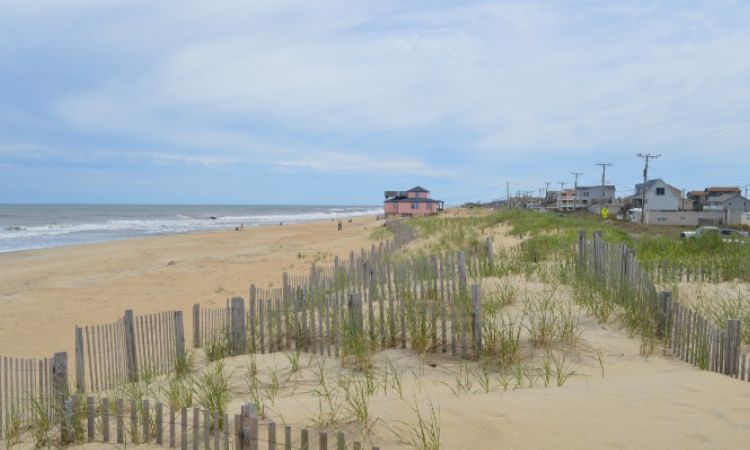
13 Pros of Living in the Outer Banks
1. Breathtaking Natural Beauty
Living in the Outer Banks is like waking up every day to an endless postcard of coastal beauty. The stunning beaches, sprawling sand dunes, wild horses, and serene marshes are constant reminders of the area’s natural splendor. The islands are home to diverse ecosystems, providing unique opportunities for bird watching, nature walks, and wildlife photography. The Outer Banks’ untamed beauty makes it a dream destination for those who love being close to nature and enjoy daily views of the ocean or sound.
The landscapes of the Outer Banks have been largely protected, thanks to national parks like the Cape Hatteras National Seashore. This ensures that these pristine environments remain preserved for future generations. The area’s natural beauty also attracts visitors from around the world, many of whom are eager to return and experience it on a more permanent basis.
For residents, the daily sights of sunrise over the Atlantic, sunsets on the Sound, and the sounds of waves crashing on the shore can make even mundane tasks feel more connected to nature. The Outer Banks provides an unmatched level of peace and tranquility, with nature acting as both a calming influence and a constant source of inspiration.
2. Access to Outdoor Activities
The Outer Banks is a paradise for anyone who enjoys the outdoors. From the beach to the forest to the sound, there are endless opportunities for adventure. Water lovers can enjoy activities like surfing, paddleboarding, kayaking, and fishing, while land-based activities such as hiking, biking, and camping are equally plentiful. The area is home to numerous parks and nature reserves, including Pea Island National Wildlife Refuge, which offers opportunities for hiking, bird watching, and wildlife observation.
Additionally, the region is renowned for its fishing, with both surf fishing and boat fishing being popular pastimes. The Outer Banks boasts some of the best fishing in the country, attracting anglers from all over the world. Whether you’re a seasoned pro or just starting out, the OBX offers a wide range of fishing opportunities for all skill levels.
For those who love more leisurely outdoor activities, the area’s scenic beauty provides the perfect backdrop for relaxing walks, picnics, and sunset viewing. The easy access to the beach means that outdoor activities are always just a short walk or drive away, making it simple to take advantage of the stunning natural surroundings at any time.
3. Tight-Knit Community
One of the greatest aspects of living in the Outer Banks is the strong sense of community that pervades the region. The relatively small population and close proximity of residents foster a sense of camaraderie and familiarity. People here tend to know each other by name, and many residents form lifelong friendships. The area’s small-town charm is a major draw for those seeking a supportive environment where people look out for one another.
Community events, festivals, and gatherings are frequent, and the local population is known for its friendliness and willingness to welcome newcomers. Whether it’s a local art show, a fundraising event, or a town hall meeting, there’s always an opportunity to get involved and make connections. This sense of belonging is one of the defining features of life in the Outer Banks and is one of the reasons why many people choose to stay long-term.
For families, the close-knit community offers a sense of security and stability. Neighbors help each other out, local businesses support each other, and there is a shared understanding of what makes the Outer Banks special. Many long-term residents speak fondly of the bonds they’ve formed over the years, and it’s not uncommon to hear about lifelong friendships that have formed through shared experiences in the community.
4. Great for Families
The Outer Banks is a wonderful place to raise a family, with its safe neighborhoods, low crime rates, and strong sense of community. The small-town atmosphere is perfect for those seeking a slower, more relaxed pace of life, where family time takes center stage. The region offers a range of family-friendly activities, from beach days and picnics to nature walks and local festivals.
The Outer Banks also boasts excellent public schools, with small class sizes and a community-focused approach to education. Students benefit from personalized attention, and teachers often form close bonds with their students. For parents, knowing that their children are receiving a high-quality education in a safe and supportive environment is one of the key reasons to choose the Outer Banks as a home.
Additionally, many of the area’s recreational activities, such as visiting local parks, going to the beach, and enjoying outdoor sports, are perfect for families. The relaxed pace allows for more quality time together, away from the distractions of big cities. The opportunity for children to grow up in a close-knit community with ample outdoor space and natural beauty is something that many families find appealing when considering the Outer Banks.
5. Relaxed Pace of Life
The slower pace of life in the Outer Banks is one of its biggest draws. There is no rush here, no constant hustle and bustle, and no need to hurry to your next appointment or task. People who move to the Outer Banks often speak of the refreshing pace that allows them to reconnect with themselves and their families. Without the pressure of living in a busy city, residents have the freedom to spend their days enjoying the things that matter most to them, whether that’s fishing, reading a book, or simply taking a walk on the beach.
This relaxed pace helps reduce stress, fosters mindfulness, and allows for a greater focus on personal well-being. For those looking to escape the frenetic pace of urban living, the Outer Banks offers a peaceful sanctuary where the idea of living more intentionally is easy to embrace. This slower lifestyle is a key reason why so many retirees and people seeking a more balanced life are drawn to the area. The calm environment encourages a healthier, less hurried approach to everyday living.
6. Low Crime Rate
One of the key benefits of living in the Outer Banks is the low crime rate. The area’s small-town atmosphere and close-knit community contribute to a sense of safety and security. With a year-round population of around 35,000 to 40,000, the crime rate is significantly lower than in larger cities, making the region appealing to families, retirees, and individuals seeking a peaceful environment.
The Outer Banks benefits from a combination of factors that keep crime rates low, including its isolated geography, strong community ties, and active local law enforcement. Many of the area’s residents are more concerned with outdoor activities and maintaining their properties than engaging in criminal behavior, which naturally contributes to the overall safety of the region.
For families, retirees, and anyone prioritizing safety, the absence of major crime is a huge advantage. Knowing that your home is secure and that the likelihood of facing serious crime is minimal provides peace of mind. The small, familiar neighborhoods allow for a more relaxed lifestyle, where everyone feels like they know and trust each other.
7. Mild Climate
The Outer Banks enjoys a relatively mild climate, making it an ideal location for those seeking pleasant weather throughout the year. The region’s temperate climate is characterized by warm, sunny summers and relatively mild winters. While temperatures can rise in the summer months, they are generally moderated by the cooling effect of the Atlantic Ocean, making it much more bearable than landlocked regions that face extreme heat.
Winter temperatures rarely dip below freezing, making it an appealing option for those who want to avoid harsh, snowy winters. Unlike many northern states that endure long, brutal winters, the Outer Banks offers an opportunity to enjoy a more moderate climate while still experiencing all four seasons. This allows residents to spend more time outdoors year-round, whether it’s walking along the beach in the winter or enjoying a summer evening outside without the oppressive heat of more southern areas.
Additionally, the relatively mild climate allows for better overall health, as it encourages outdoor activities year-round. For retirees or families looking to live somewhere with minimal weather extremes, the Outer Banks offers a comfortable, enjoyable climate that’s perfect for outdoor recreation.
8. Affordable Housing Options
Compared to many coastal areas in the U.S., housing in the Outer Banks can be relatively affordable. While housing prices can vary greatly depending on the location (with beachfront properties naturally being more expensive), many areas within the Outer Banks offer affordable options compared to major cities along the East Coast. You can find smaller cottages, cozy homes, and even larger properties at prices much lower than those in nearby metropolitan areas.
The real estate market in the Outer Banks also offers variety, catering to different budgets. Whether you’re interested in a quaint home in a small town or a luxurious oceanfront property, there are numerous choices for people looking to purchase or rent. For those looking for a second home, the Outer Banks can offer an affordable place to enjoy beach living without the sky-high prices of places like Miami or the Hamptons.
Despite being a popular vacation destination, the area is still relatively affordable compared to more urban coastal cities. This has made it an attractive location for retirees, seasonal workers, and individuals looking to escape high property taxes in more expensive parts of the country.
9. Tourism Economy Supports Local Business
Living in the Outer Banks means being part of a vibrant local economy that thrives on tourism. While tourism peaks in the summer months, it provides significant economic benefits that help support local businesses throughout the year. From local art galleries to boutique shops, seafood restaurants, and surf schools, residents have access to a thriving local economy fueled by tourists who visit the area each year.
For those involved in the service or retail industries, tourism provides ample job opportunities, and many local businesses rely on seasonal workers during the busy months. Additionally, the influx of tourists helps sustain a number of events, festivals, and activities that bring the community together and enhance the quality of life for both residents and visitors alike.
Living in a tourist-driven economy also means that you have access to some of the best local products and services that reflect the unique culture and history of the Outer Banks. Whether it’s freshly caught seafood, handmade arts and crafts, or locally produced goods, the Outer Banks offers a wealth of locally sourced products that many residents take pride in supporting.
10. Rich Historical Significance
For history enthusiasts, the Outer Banks offers an enriching environment with its deep historical roots. The region is home to many historical landmarks, from the Wright Brothers National Memorial to the historic Roanoke Island, where the infamous “Lost Colony” took place. The area’s history spans centuries, from Native American tribes to the arrival of European settlers, and the development of its maritime culture.
The Outer Banks also played a critical role in early aviation history with the Wright brothers’ successful flight in 1903, an achievement that is celebrated annually in the region. Lighthouses, such as the Cape Hatteras Lighthouse, stand as symbols of the area’s seafaring heritage and offer visitors and residents alike a glimpse into the region’s past. Additionally, the islands’ connection to the sea has fostered a unique maritime history, with shipwrecks and stories of sailors from centuries past contributing to the area’s allure.
For anyone interested in history or those who appreciate a place where history is still alive and well, living in the Outer Banks provides a unique opportunity to explore these stories firsthand.
11. Close-Knit Social Scene
Life in the Outer Banks is centered around a small-town atmosphere that encourages social engagement and community participation. The region is home to several community centers, clubs, and organizations, providing ample opportunities for socializing, making friends, and contributing to local initiatives. The social fabric of the Outer Banks fosters a sense of belonging, with events ranging from local farmers’ markets to outdoor festivals and charity runs.
For people who enjoy being part of a close-knit community, the Outer Banks provides a level of social interaction that can be difficult to find in larger, more impersonal cities. The presence of arts, culture, and community events makes it easy to meet like-minded people and participate in local happenings. Whether it’s a beach clean-up, a holiday parade, or a local music festival, residents often have the chance to become involved in various social and cultural activities.
12. Good Education System
For families, the Outer Banks offers a solid education system, with local schools that prioritize student success and community involvement. The schools here are known for their small class sizes, which provide students with more individualized attention. Many of the schools have excellent programs for both academic and extracurricular activities, ensuring that children have a well-rounded education.
Additionally, because the population is relatively small, there’s a strong sense of community involvement in local schools. Parents, teachers, and students often work together to create a nurturing and collaborative educational environment. While there may not be as many academic resources as in larger cities, the tight-knit nature of the community and the dedication to providing quality education make the Outer Banks an excellent place for children to grow up and learn.
13. Limited Traffic and Crowds
Living in the Outer Banks means avoiding the congestion and fast pace of larger cities. Traffic is minimal for most of the year, and the area is not plagued by the kind of overcrowding that often makes urban living stressful. This gives residents the chance to live more peacefully and efficiently without spending excessive time in traffic or dealing with overcrowded spaces.
Even during the summer tourist season, the presence of traffic is mostly limited to certain areas, and it’s still much less than you’d find in a metropolitan area. For those who prefer a quieter, more relaxed lifestyle, the lack of traffic and large crowds makes daily life more enjoyable and less stressful.
12 Cons of Living in the Outer Banks
1. High Cost of Living (Seasonal)
While the overall cost of living in the Outer Banks is relatively affordable compared to urban centers, it can rise significantly during peak tourist seasons. Many businesses increase their prices to accommodate the influx of visitors, and this seasonal price surge extends to everything from restaurants to everyday goods. For residents who live on fixed incomes or those who rely on seasonal work, these fluctuations can make budgeting difficult.
Real estate prices can also be high in certain parts of the Outer Banks, particularly for properties close to the water. This pricing disparity means that while some may find affordable housing options, others might struggle to keep up with the rising costs of beachfront properties and homes located in highly desirable areas.
2. Limited Job Opportunities
While the tourism industry provides many job opportunities in the Outer Banks, there are limited options for those looking to build a career in fields outside of hospitality, retail, or seasonal work. The region lacks larger industries or corporate offices, meaning that people looking for specialized jobs may need to commute to larger cities for work or rely on remote opportunities.
For individuals with specific career goals or those seeking long-term professional growth, the Outer Banks can be a challenging environment, as most employment opportunities revolve around seasonal tourism or service-related positions.
3. Seasonal Population Swells
The seasonal influx of tourists can be both a blessing and a curse for residents. While the tourism industry supports local businesses and the economy, the population swells significantly during the summer months, leading to crowded streets, longer wait times at restaurants, and difficulty finding parking. For full-time residents, this influx of visitors can feel overwhelming, especially during the peak months when the area becomes a major vacation destination.
This seasonal shift can also make it harder for people to enjoy the quieter, more tranquil atmosphere that many love about living in the Outer Banks. The busy summer months often feel very different from the calmer off-season, creating a sense of disruption for those seeking a quieter lifestyle.
4. Vulnerability to Hurricanes
Living on a series of barrier islands means that the Outer Banks is susceptible to hurricanes and tropical storms. While the area’s residents are well-prepared and resilient, the threat of hurricanes is a constant consideration. These storms can cause significant damage to homes, roads, and infrastructure, and residents are often required to evacuate during hurricane season.
Property damage, flooding, and power outages are not uncommon during hurricane events, and the threat of storms can lead to increased insurance costs, as well as the emotional toll of preparing for and recovering from such events. While hurricanes are not a constant threat, the risk is always present, and the aftermath can be challenging.
5. Limited Healthcare Facilities
The healthcare system in the Outer Banks is relatively limited, with only a few small medical centers available to residents. For more specialized care or advanced medical treatments, residents may have to travel to larger cities like Norfolk, Virginia, or Greenville, North Carolina. This can be particularly challenging for older residents or individuals with chronic health conditions who require regular medical attention.
While there are emergency medical services available, the absence of major hospitals or healthcare networks means that those with serious medical needs may feel isolated or underserved. The availability of healthcare professionals is also limited, making it harder to find specialized providers in the area.
6. Lack of Diversity
The Outer Banks lacks the cultural diversity that larger cities often offer. The area’s relatively homogenous population can feel isolating for some individuals, particularly those who value cultural exchange and a broad range of social experiences. While the region is increasingly welcoming to people from all backgrounds, the lack of ethnic and cultural diversity can be a drawback for those who enjoy more cosmopolitan environments.
This homogeneity also extends to the availability of international cuisines, cultural festivals, and community events that celebrate different traditions. Those seeking more exposure to diverse cultures may find the Outer Banks limited in its offerings compared to urban areas with rich multicultural populations.
7. Limited Nightlife and Entertainment
For those who thrive on nightlife and entertainment options, the Outer Banks can feel lacking. While there are some local bars, restaurants, and community events, the region does not offer the type of vibrant nightlife seen in cities or larger towns. There are no large concert venues, theaters, or major nightlife hubs, which may leave some residents feeling disconnected or limited in their entertainment options.
For younger people or those who enjoy going out frequently, the quieter, more laid-back atmosphere of the Outer Banks may not satisfy their desire for excitement and social activities. This may lead to feelings of isolation or boredom, particularly during the off-season months when the area is quieter.
8. Risk of Isolation
While the quiet, peaceful nature of the Outer Banks is one of its greatest appeals, it can also lead to feelings of isolation for some. The limited population and rural nature of the region mean that some residents may struggle to find a strong social network, especially if they’re newcomers or if their social circles are based in other parts of the country.
Additionally, for those who value urban amenities like theaters, shopping malls, and large social events, the Outer Banks can feel isolating. There is also limited public transportation, making it necessary for residents to rely on their cars to get around, which can add to the sense of isolation.
9. Expensive Insurance Costs
Due to its coastal location and vulnerability to hurricanes, flood insurance and homeowner’s insurance can be prohibitively expensive in the Outer Banks. Residents who live in flood-prone areas, such as near the ocean or in low-lying regions, may face significantly higher insurance premiums, which can place a financial burden on homeowners.
In addition to flood insurance, standard homeowner’s insurance may also be more expensive in the Outer Banks compared to other regions, due to the area’s susceptibility to severe weather and natural disasters. For those on a fixed budget or with limited financial resources, these rising costs can add another layer of stress to homeownership.
10. Limited Educational and Career Advancement Opportunities
While the Outer Banks offers a good educational system for K-12 students, the region lacks many opportunities for higher education and professional advancement. There are no major colleges or universities on the islands, meaning that students looking to pursue higher education must either commute to larger cities or attend online institutions.
Additionally, career advancement can be limited for adults, especially those seeking specialized fields or professional development opportunities. For those in industries such as tech, finance, or healthcare, the Outer Banks may not offer the networking, job markets, or professional growth that can be found in larger cities.
11. Substandard Public Transportation
Public transportation in the Outer Banks is extremely limited, with no major bus systems or commuter trains serving the area. Residents are largely dependent on their own vehicles to get around, and while this may not be an issue for everyone, it can be a challenge for individuals who don’t have access to a car or who prefer not to drive.
In addition, public transportation options are particularly sparse during the off-season months when the number of tourists drops and demand for transportation services decreases. For those who rely on public transit in larger cities, the lack of such options can feel isolating.
12. High Cost of Living for Second Homes
The Outer Banks has become a popular location for second homes, particularly among vacationers who want a retreat by the beach. However, the cost of maintaining a second property—whether through property taxes, utilities, or maintenance—can be high. This added expense can make owning property in the area unaffordable for many, especially given the seasonal fluctuations in demand for rentals and second homes.
Additionally, owning a property in a hurricane-prone area means taking additional precautions to protect the property from storm damage. This can lead to increased costs for homeowners who want to maintain the value of their properties and protect them from the frequent storms that impact the region.
Conclusion
Living in the Outer Banks offers a distinctive lifestyle that combines breathtaking natural beauty, a slow pace of life, and a strong sense of community. The advantages of coastal living, access to outdoor recreation, and the chance to be part of a close-knit, safe community are some of the primary reasons why so many people are drawn to this region. The mild climate, beautiful scenery, and laid-back atmosphere create a fulfilling environment for many residents, making it an ideal place to call home for those who appreciate peace, nature, and small-town charm.
However, it’s essential to weigh the cons as well. From the seasonal fluctuations in the cost of living and the limited job market to the vulnerability to hurricanes and limited healthcare facilities, there are several factors to consider. For some, these challenges may outweigh the benefits, while for others, the quiet, scenic life of the Outer Banks offers an unparalleled opportunity to live surrounded by natural beauty and a tight-knit community.
Ultimately, deciding whether to live in the Outer Banks requires careful consideration of your lifestyle needs, career goals, and personal preferences. If you value peace, natural beauty, and community, it could be the perfect fit; however, if you prefer a bustling city environment with more access to professional opportunities, the OBX might not offer all that you need.