
Seat belts are undoubtedly one of the most essential safety features in modern vehicles, designed to protect passengers in the event of a collision. Their widespread use, mandated by law in many countries, has saved countless lives and reduced the severity of injuries on the road. The seat belt’s primary role is to prevent occupants from being ejected from their seats during an accident, reducing the risk of fatal injuries. While the concept of seat belts may seem straightforward, the nuances of their benefits and drawbacks deserve a closer look.
Over the years, seat belts have evolved, and their impact on road safety cannot be overstated. They are credited with significantly reducing fatalities in car crashes and are one of the most effective tools in preventing severe injuries. However, despite their life-saving capabilities, seat belts are not without controversy.
They are not always comfortable, and in certain situations, they can even cause harm to passengers. Additionally, some people feel a sense of false security and may take risks while driving, thinking that seat belts are a guarantee of safety.
This article aims to provide an in-depth analysis of the pros and cons of seat belts, offering a detailed understanding of their role in vehicle safety. From the way they are made to how they help in saving lives, and the rare instances when they may cause discomfort or injury, this article will cover every aspect.
At the end of this article, you will have a better understanding of seat belts, including their undeniable benefits, potential drawbacks, and their undeniable role in modern transportation safety.
What Is A Seat Belt and How Are They Made?
A seat belt is a simple yet highly effective safety device used in vehicles to secure passengers and reduce the risk of injury during an accident. The primary function of a seat belt is to keep the occupant securely in place, preventing them from being thrown forward or ejected from the vehicle in the event of a crash. Seat belts are typically made from high-strength materials like polyester or nylon, which are designed to withstand the forces of a collision without breaking. The webbing of the seat belt is woven in a way that allows it to stretch slightly during an impact, absorbing some of the energy and reducing the force exerted on the passenger’s body.
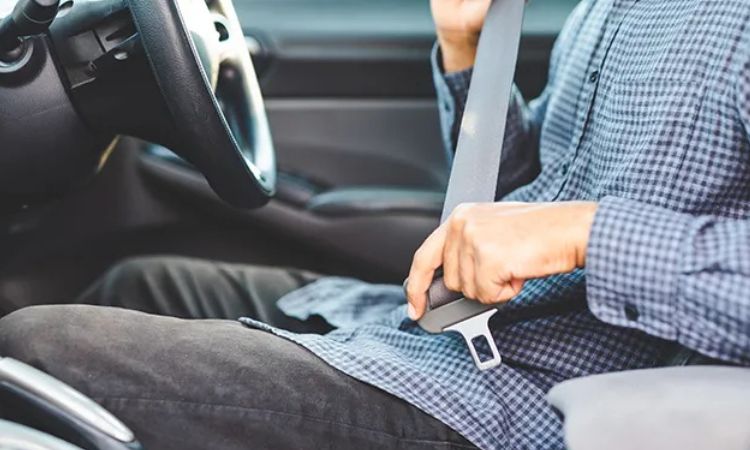
Seat belts generally consist of three main components: the webbing, the buckle, and the retractor. The webbing is the strap that runs across the occupant’s chest, lap, or both, and it is the part that actually restrains the person during an accident. The buckle is what holds the seat belt in place, and it is designed for easy fastening and unfastening. The retractor is a mechanism that allows the seat belt to retract automatically when not in use, keeping it snug and free of slack when fastened.
Seat belts are made using various technologies to ensure that they are both strong and comfortable. For example, many modern seat belts feature pre-tensioners, which tighten the belt immediately upon impact, reducing slack and minimizing the risk of injury. Additionally, many vehicles now include load limiters, which allow the seat belt to stretch slightly in certain situations to prevent injury by reducing the force applied to the chest.
Does Wearing A Seat Belt Hurt You?
While seat belts are designed to protect passengers, some individuals may experience discomfort when wearing them, particularly during long trips or in high-impact crashes. In most cases, seat belts are comfortable and effective, but in certain circumstances, they can cause injury or discomfort, especially if the seat belt is not worn properly or if the person has pre-existing conditions.
For instance, the force of a collision can cause the seat belt to exert pressure on various parts of the body, such as the chest, abdomen, or pelvis. In high-speed crashes or rear-end collisions, the rapid deceleration of the vehicle may cause the seat belt to “slam” into the occupant’s body, which can lead to bruising or soft tissue injuries. In rare instances, internal injuries such as rib fractures or organ damage can occur, particularly in high-impact crashes.
While these cases are not the norm, they are still a possibility. However, it’s important to note that seat belts significantly reduce the overall risk of serious injury or death in an accident. The discomfort or injury caused by a seat belt is usually much less severe than the injuries sustained when an occupant is not restrained at all.
Proper adjustment of the seat belt can minimize discomfort and improve safety. For instance, the shoulder strap should cross the chest and be positioned between the shoulder and neck, while the lap belt should be worn across the hips, not the abdomen. Wearing the seat belt incorrectly or loosening it can increase the risk of injury during a crash.
Seat Belt Facts
- Seat Belts Reduce Risk of Death by 45%
Research shows that wearing a seat belt reduces the likelihood of fatal injury in the event of a crash by about 45%. This applies to both front and rear-seat passengers, although the reduction in risk is typically greater for those in the front seat. For rear-seat passengers, seat belts are equally important, with studies indicating that rear-seat belt use can reduce death risk by 25%. - Seat Belts Prevent Ejection
One of the most critical functions of a seat belt is to prevent the occupant from being ejected from the vehicle during a crash. In a rollover accident, for instance, the risk of death is dramatically higher for individuals who are thrown out of the vehicle. Wearing a seat belt ensures that occupants remain safely inside the vehicle, reducing the chances of severe injuries or death. - Seat Belts Prevent Head Injuries
Head injuries are a leading cause of death in car crashes, especially when passengers are not wearing seat belts. In a collision, a seat belt restrains the body while allowing the head to move less forcefully, reducing the impact with the dashboard, steering wheel, or windows. This helps prevent traumatic brain injuries, which are often fatal or result in long-term disability. - Seat Belts Save Lives Annually
According to the National Highway Traffic Safety Administration (NHTSA), seat belts save more than 15,000 lives each year in the United States alone. The figures are even more compelling globally, highlighting how universal and vital seat belt usage is in reducing traffic fatalities. - Seat Belts Are Effective in All Types of Crashes
Whether it’s a frontal collision, rear-end crash, or side-impact accident, seat belts provide significant protection. While airbags are essential for preventing injuries in frontal crashes, seat belts are beneficial across all types of accidents. Their role in side-impact collisions is especially critical, as these are often fatal without adequate restraint systems. - Seat Belt Usage Laws
In many countries, wearing seat belts is a legal requirement for all passengers, including those in the back seat. Fines and penalties are imposed for non-compliance, underscoring the importance of this simple safety measure. Seat belt laws have significantly contributed to increasing seat belt usage rates, making it one of the most effective safety interventions in automotive history. - Seat Belt Usage Rates
According to recent data, seat belt usage in the U.S. has reached approximately 90%, yet this figure remains below 100%. While these rates are high, there are still groups of people who are more likely to forgo seat belts, including young adults, rear-seat passengers, and those in rural areas. Increased awareness and enforcement are essential to achieving higher compliance rates. - Airbags and Seat Belts Work Together
Seat belts and airbags work together as a system designed to protect passengers. Airbags deploy during high-impact collisions, reducing the risk of head and chest injuries. However, without the seat belt to keep the occupant in place, airbags could cause harm by pushing the person further forward. Together, they provide a synergistic effect, maximizing protection during an accident. - Seat Belts Are One of the Most Cost-Effective Safety Features
Seat belts are inexpensive to install in vehicles yet offer a significant return on investment in terms of safety. They are widely available in all modern vehicles, and their use is one of the easiest and most effective ways to reduce traffic-related fatalities. For the cost of a seat belt, society benefits greatly by saving lives and reducing medical and insurance costs associated with road accidents.
Pros of Seat Belts
1. Reduced Risk of Injury or Death
The most important benefit of seat belts is their ability to save lives and reduce the severity of injuries in the event of an accident. Statistics consistently show that seat belt use dramatically reduces the risk of fatality or serious injury. In frontal, side, and rear-end collisions, wearing a seat belt keeps you securely in place, reducing the risk of severe injury by absorbing impact forces and spreading them across the body.
Wearing a seat belt prevents you from being ejected from the vehicle, which is one of the most deadly outcomes in a crash. This safety feature alone has led to a significant reduction in car accident fatalities over the years. The importance of seat belts cannot be overstated, especially when considering that they reduce the likelihood of death by nearly half.
2. Prevents Ejection from the Vehicle
In the event of a car crash, being thrown from the vehicle can be fatal. Seat belts are designed to keep passengers safely inside the car, preventing ejection, even in high-speed crashes or rollovers. The force of a collision can throw unbelted passengers from the vehicle, increasing their risk of severe injury or death.
Seat belts are especially important during rollover accidents, where the likelihood of ejection is higher. By keeping passengers restrained, seat belts offer critical protection that could otherwise result in fatal injuries.
3. Works in Conjunction with Airbags for Maximum Protection
Seat belts and airbags complement each other to offer optimal protection in the event of a crash. While airbags provide a cushion to protect the head and chest, seat belts ensure that passengers are held in place, preventing them from being thrown forward or too far from the airbag upon deployment.
Together, seat belts and airbags are designed to work as a cohesive safety system. Without a seat belt, an airbag could push an unrestrained passenger out of position, potentially causing injury. The combination of these two safety measures offers the best possible protection during a crash.
4. Reduces the Risk of Head Injuries
Head injuries are often the most severe and deadly type of injury in a car accident. Seat belts help minimize head injuries by preventing the head from striking the dashboard, steering wheel, windshield, or side windows. When a passenger is restrained, the force of the crash is distributed more evenly, significantly reducing the likelihood of traumatic head injuries.
The simple action of wearing a seat belt can greatly reduce the risk of skull fractures, concussions, and other life-threatening head injuries, making it one of the most effective ways to protect against severe head trauma.
5. Encourages Safe Driving Behavior
Wearing a seat belt can serve as a reminder to drive safely. Drivers who are buckled up are more likely to follow traffic laws and drive responsibly, as they know they are taking precautions to protect themselves. Additionally, passengers who wear seat belts can encourage others to do the same, creating a culture of safety within the vehicle.
Seat belt use is correlated with safer driving habits. By setting an example and buckling up, drivers create a safer environment for themselves and their passengers.
6. Improved Legal Compliance
In many countries, wearing a seat belt is the law, and failing to comply can result in fines or other legal penalties. Seat belt laws are in place to protect individuals and reduce the risk of fatalities on the road. When you wear your seat belt, you are following the law, helping to ensure that you avoid penalties and contribute to safer driving practices.
Seat belt compliance also improves overall road safety. High seat belt usage rates correlate with lower rates of road fatalities, highlighting the positive effect of these laws on public health and safety.
7. Reduces Medical Costs and Insurance Claims
By preventing serious injuries and fatalities, seat belts help reduce the financial burden on the healthcare system. The medical costs associated with car accidents, including emergency services, hospitalization, surgeries, and long-term care, can be substantial. However, by wearing seat belts, the severity of injuries is often reduced, leading to fewer and less expensive medical treatments.
In addition, seat belts reduce the number of insurance claims, as fewer people are injured in accidents, leading to lower costs for insurance companies. This has a ripple effect on society, as the reduction in medical and insurance expenses benefits everyone, from individuals to taxpayers.
8. Saves Lives in Various Types of Crashes
Seat belts are effective in all types of crashes, whether it’s a high-speed collision, a rear-end crash, or a side-impact accident. In a crash, seat belts secure the body, reducing the risk of internal injuries and preventing passengers from being thrown around inside the vehicle. Their ability to save lives in various crash scenarios makes them an indispensable safety feature in modern vehicles.
While airbags are specifically designed for frontal collisions, seat belts provide essential protection in all types of accidents, making them a fundamental part of vehicle safety.
9. Improved Resale Value of the Vehicle
When a vehicle is equipped with seat belts and other essential safety features, it is generally more attractive to potential buyers, leading to a higher resale value. Buyers are more likely to choose a car with a reputation for safety, and seat belts play a significant role in that reputation.
Ensuring that seat belts are in good condition and functioning properly can improve the resale value of your vehicle. As safety features become more important to car buyers, the demand for vehicles with working seat belts will only increase.
Cons of Seat Belts
1. Discomfort and Restriction
One of the most commonly reported drawbacks of seat belts is the discomfort they can cause. For some individuals, the seat belt can feel tight, restricting movement and causing irritation. The shoulder strap, in particular, can press against the neck, causing discomfort during long drives. The lap belt may feel too tight around the abdomen, especially after eating or for individuals with larger waistlines.
Although seat belts are designed to provide security and comfort, their restrictive nature can be bothersome for some passengers. The discomfort may lead to individuals loosening the belt or not wearing it at all, which can reduce its effectiveness in protecting them during an accident.
2. Potential for Injury in Severe Crashes
While seat belts are designed to prevent serious injury, they can sometimes contribute to injuries in extreme crashes. In high-speed or high-impact accidents, the force exerted by the seat belt may cause bruising, broken ribs, or internal injuries. These injuries are typically less severe than those sustained when an individual is not wearing a seat belt, but they are still a risk.
The tension exerted by the seat belt can be significant in a severe crash, and the risk of injury can increase depending on the positioning of the belt and the severity of the collision.
3. Impairment in the Event of a Fire or Drowning
In some rare and extreme situations, a seat belt can impede escape during emergencies like fire or drowning. In cases where a car catches fire or sinks into water, the seat belt can be difficult to unfasten quickly, delaying evacuation and increasing the risk of injury or death. While such situations are rare, they highlight the need for a quick-release system or alternative safety mechanisms.
In these scenarios, the seat belt, though effective in preventing injury in typical crashes, may become a liability if it hinders rapid escape.
4. Children and Improper Fit
Seat belts are designed for adults, and they may not fit children properly, which can lead to serious injury in the event of a crash. For young children, the seat belt may not sit correctly across the chest or lap, increasing the risk of internal injuries or neck damage. This is why children are required to use appropriate child safety seats or booster seats until they are old enough to use the regular seat belt safely.
Improper fit is a concern for smaller passengers, and it is essential to ensure that seat belts are properly adjusted to prevent injury. Failure to do so can undermine the effectiveness of the seat belt.
5. Overreliance on Seat Belts
Some drivers may develop a false sense of security when wearing a seat belt and engage in risky driving behavior. For example, a driver might drive faster, more aggressively, or less attentively, believing that the seat belt provides complete protection. While seat belts significantly reduce the risk of injury, they are not a guarantee that one will survive or avoid injury in every crash.
Relying too heavily on seat belts as a safety net may encourage dangerous driving habits, which can lead to accidents in the first place.
6. Difficulty for the Elderly or Disabled
Elderly passengers or individuals with disabilities may find it challenging to wear seat belts properly. For elderly people with limited mobility, securing a seat belt may be physically difficult, which can prevent them from fastening it properly. In some cases, passengers may not be able to use a seat belt at all due to physical limitations.
For these individuals, there may be a need for special accommodations or modifications to ensure that they are securely restrained and protected during travel.
7. False Sense of Security
While seat belts are undeniably effective at reducing the risk of injury or death in an accident, they are not foolproof. Some drivers and passengers may feel a sense of invulnerability when they fasten their seat belts, which may lead to dangerous driving behaviors. For instance, they may drive faster, engage in distractions like texting, or take unnecessary risks on the road because they believe the seat belt will shield them from harm.
While seat belts can significantly reduce the severity of injuries, they cannot prevent accidents or guarantee safety in every situation. This false sense of security can be problematic as it may increase the likelihood of accidents occurring in the first place. Thus, while seat belts are essential, they should not serve as an excuse for negligent or risky behavior while driving.
Conclusion
Seat belts have been one of the most impactful innovations in vehicle safety, saving countless lives and reducing the severity of injuries in road traffic accidents. The benefits of seat belts, such as the reduction of fatalities, prevention of ejection from the vehicle, and their ability to work in conjunction with airbags, make them an indispensable feature in modern cars. They provide crucial protection in a wide variety of accident types, from frontal to side-impact collisions, ensuring that occupants are securely restrained and that the forces of impact are distributed across the body.
Despite their overwhelmingly positive role in road safety, seat belts do have some disadvantages. These include discomfort during long journeys, the potential for injury in extreme crashes, and issues like difficulty for children, the elderly, or those with disabilities. The occasional risk of injury, as well as the rare instances when a seat belt may hinder escape in emergency situations like fire or drowning, should be kept in mind.
Nevertheless, the overall advantages of seat belts far outweigh the potential drawbacks. They are one of the most cost-effective, easily accessible, and life-saving tools available in reducing traffic-related injuries and fatalities. It is essential for all drivers and passengers to recognize the importance of using seat belts correctly and consistently, as they are one of the simplest and most effective ways to stay safe on the road. Proper seat belt use, combined with responsible driving, is key to ensuring that we maximize our safety while minimizing risks on the road.