
Sardinia, the Mediterranean’s second-largest island, offers an enchanting blend of pristine beaches, rugged landscapes, and a rich cultural heritage. As part of Italy, Sardinia maintains its distinct identity through unique traditions, language, and lifestyle that set it apart from the mainland.
Known for its warm climate, exceptional cuisine, and tranquil way of life, Sardinia appeals to retirees, expatriates, and anyone seeking a peaceful environment.
The island is celebrated as one of the world’s five Blue Zones, regions where residents enjoy exceptional longevity due to healthy diets, active lifestyles, and strong community ties. Its charm lies in its balance between modern living and the preservation of ancient traditions.
Despite its beauty and allure, living in Sardinia comes with its challenges. The island’s geographic isolation, seasonal economy, and limited job market can make daily life difficult, particularly for newcomers unfamiliar with its unique pace.
Infrastructure issues and language barriers further complicate integration into Sardinian society.
This article explores 15 detailed pros and 15 cons of living in Sardinia, offering readers an in-depth understanding of the island’s advantages and drawbacks. By examining these factors, prospective residents can make an informed decision about embracing life on this Mediterranean gem.
The Pros Of Living In Sardinia
1. Stunning Natural Beauty
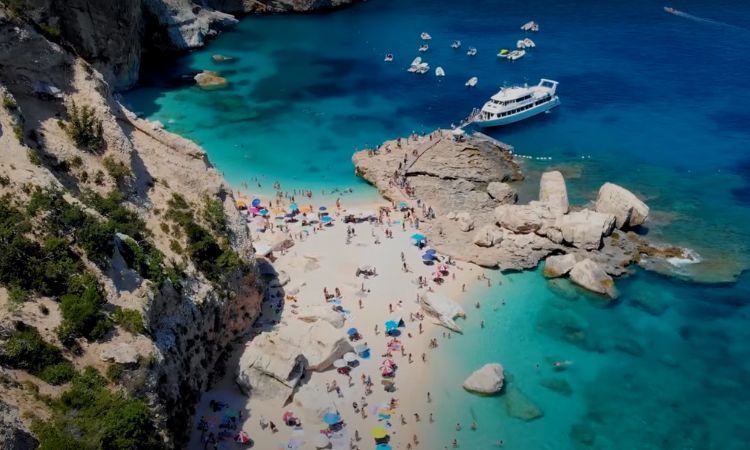
Sardinia’s breathtaking natural beauty is one of its most defining features. The island boasts a diverse range of landscapes, from white-sand beaches and turquoise seas to rugged mountains and rolling green hills.
The coastline features renowned beaches such as Cala Luna, La Pelosa, and Spiaggia Rosa, attracting tourists and residents alike. Inland, the Gennargentu National Park offers unspoiled wilderness with opportunities for hiking, cycling, and wildlife observation.
The island’s natural environment remains largely untouched by mass tourism, offering a serene escape for nature enthusiasts. Sardinia’s commitment to environmental preservation ensures that its beauty is maintained for generations to come, providing residents with a daily connection to stunning scenery and outdoor activities.
Discover the beauty of the La Maddalena Archipelago with a boat trip departing from either Palau or La Maddalena. Enjoy a guided tour with a local multilingual expert, and make the most of opportunities to swim, snorkel, and soak up the sun.
You can paddle a kayak, snorkel, and hunt for dolphins in the crystal-clear waters of Golfo Aranci. Explore vibrant marine life, glide past the picturesque Cala Moresca beach and Figarolo Island, and enjoy a refreshing Sardinian aperitif.
2. Rich Cultural Heritage
Sardinia’s cultural heritage is deeply rooted in its history, language, and traditions. The island’s distinct identity is reflected in its unique language, Sardinian, and its centuries-old festivals that celebrate local customs and folklore.
Events such as the Mamuthones parade during the Mamoiada Carnival and the Festa di Sant’Efisio showcase vibrant costumes, traditional music, and dances that reflect Sardinia’s ancient history.
The island is also known for its craftsmanship, including weaving, ceramics, and jewelry making, which preserve its artistic traditions. Residents have the opportunity to immerse themselves in a culture that values history, creativity, and community, enriching their daily lives with meaningful experiences.
3. Delicious Mediterranean Cuisine
Sardinia’s culinary traditions are a highlight of life on the island, emphasizing fresh, locally sourced ingredients and bold, natural flavors. Traditional dishes include malloreddus, porceddu, and fregola, while seafood plays a central role in many meals.
Sardinia’s cheeses, such as pecorino sardo and casu marzu, are celebrated globally for their unique flavors. The island’s wines, including Cannonau and Vermentino, are equally renowned and often paired with local delicacies.
Sardinia’s Mediterranean diet is not only delicious but also contributes to the health and longevity of its residents. Living on the island allows individuals to enjoy a lifestyle centered around flavorful and nutritious cuisine.
4. Affordable Cost Of Living
Sardinia offers a relatively affordable cost of living compared to mainland Italy and other European destinations.
Housing is particularly reasonable, with many options available in smaller towns and rural areas at lower prices than in larger cities. Groceries, dining out, and local produce are also more affordable, especially outside tourist hotspots.
While upscale regions like Costa Smeralda may have higher costs, the overall affordability of the island makes it an attractive destination for retirees, families, and remote workers seeking a balance of quality and cost-effective living.
5. Tranquil And Relaxed Lifestyle
The slower pace of life in Sardinia is one of its most appealing aspects. Unlike bustling urban environments, the island emphasizes balance and well-being, encouraging residents to focus on what truly matters.
Sardinians prioritize family, leisure, and meaningful social connections, creating a peaceful atmosphere that fosters contentment and reduces stress.
The tranquil lifestyle allows residents to enjoy simple pleasures, such as long walks on the beach, community gatherings, and time spent with loved ones. This slower rhythm is ideal for those seeking to escape the pressures of modern life and embrace a more mindful existence.
6. Warm And Friendly Community
Sardinians are known for their hospitality and warmth, making it easier for newcomers to integrate into the local community. The island’s residents place a strong emphasis on family and social connections, creating a supportive and welcoming environment.
Whether it’s participating in village festivals, sharing meals, or simply engaging in daily interactions, newcomers often find themselves embraced by the local culture.
This sense of community fosters meaningful relationships and a feeling of belonging, enhancing the overall experience of living in Sardinia.
7. Mediterranean Climate
Sardinia’s climate is another major draw for residents, with mild winters and hot, sunny summers providing ideal weather for outdoor living. The island experiences over 300 days of sunshine annually, making it a perfect destination for those who enjoy warm weather and outdoor activities. Winters are short and temperate, with little snowfall except in the highest mountain regions. The consistent sunshine and pleasant temperatures contribute to an active and vibrant lifestyle, allowing residents to enjoy the island’s natural beauty year-round.
8. Blue Zone Longevity
Sardinia is one of the world’s five Blue Zones, regions recognized for the extraordinary longevity of their populations. The island’s residents benefit from a combination of factors, including a healthy diet, regular physical activity, and strong social bonds that promote mental and emotional well-being. Many Sardinians live well into their 90s and beyond, maintaining good health and active lifestyles. Living in Sardinia offers the opportunity to adopt these longevity-promoting habits and experience the benefits of a life focused on health and connection.
9. Diverse Outdoor Activities
Sardinia’s diverse landscapes provide endless opportunities for outdoor recreation and adventure. The island is a haven for water sports enthusiasts, offering snorkeling, diving, sailing, and kayaking in its crystal-clear waters.
Inland, the mountains and forests are ideal for hiking, cycling, and rock climbing, while national parks like Asinara and Gennargentu preserve the island’s natural beauty. Living in Sardinia allows residents to explore its unique environment and enjoy an active, nature-oriented lifestyle.
10. Unique Wildlife And Biodiversity
Sardinia is home to a wide variety of wildlife, including species found nowhere else in the world. The island’s national parks and marine reserves protect ecosystems that support flamingos, mouflons, wild boars, and rare bird species.
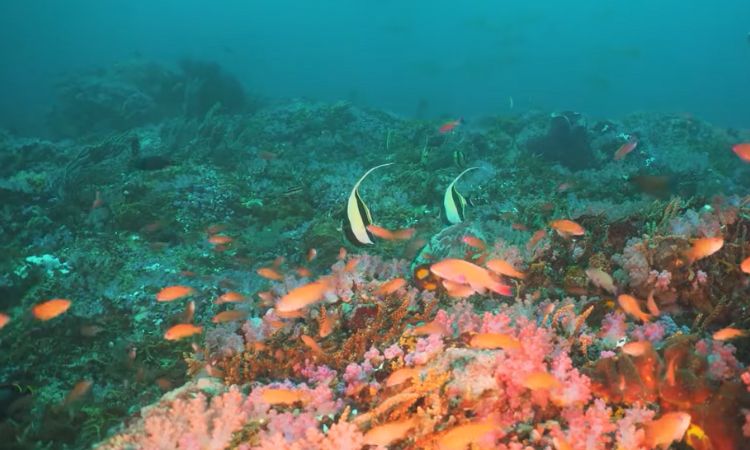
Sardinia’s waters are teeming with marine life, making it a paradise for divers and snorkelers. Residents have daily opportunities to connect with nature and appreciate the island’s rich biodiversity, which adds to its allure as a place to live.
11. Low Crime Rates And Safety
Sardinia is one of the safest regions in Italy, offering residents a sense of security and peace of mind. Crime rates on the island are significantly lower than in many urban centers on the mainland, thanks to its close-knit communities and strong emphasis on traditional values.
This safety extends to both small villages and larger towns, making it an ideal location for families, retirees, and individuals seeking a peaceful environment.
The low crime rate also contributes to a relaxed and stress-free lifestyle, where residents can enjoy their surroundings without fear or concern. For many, the safety of Sardinia is a key factor in choosing the island as their home.
12. Rich History And Archaeological Sites
Sardinia is a treasure trove of history, with archaeological sites that span thousands of years. The island is famous for its nuraghi, ancient stone towers that date back to the Bronze Age and are unique to Sardinia.
Other notable historical landmarks include Roman ruins, medieval castles, and ancient churches. Residents have the opportunity to explore these fascinating sites and immerse themselves in the island’s storied past.
Living in Sardinia allows you to experience history firsthand, offering a deep connection to the island’s rich cultural heritage and an appreciation for its enduring legacy.
13. Picturesque Villages And Towns
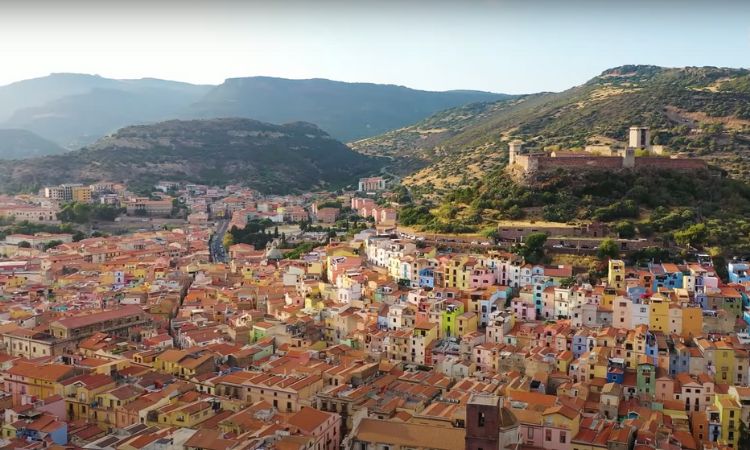
Sardinia’s charming villages and towns are known for their picturesque settings and traditional architecture. Places like Castelsardo, with its medieval castle and cobblestone streets, and Bosa, nestled along the Temo River, offer residents a peaceful and authentic lifestyle.
These communities are often surrounded by stunning natural landscapes, creating a perfect blend of history and beauty.
The slower pace of life in these towns allows residents to enjoy a serene environment while still being connected to modern amenities. Sardinia’s villages provide a unique and fulfilling way of life for those seeking simplicity and charm.
14. Emphasis On Sustainable Living
Sardinia’s focus on local produce, artisanal goods, and traditional practices aligns well with sustainable living principles. The island’s residents often prioritize environmental conservation, ethical consumption, and reducing waste, creating a lifestyle that is both eco-friendly and fulfilling.
Local markets are abundant with fresh, seasonal produce, while small-scale farmers and artisans support a sustainable economy. For those seeking a greener way of life, Sardinia provides an ideal setting to embrace sustainability and live in harmony with nature.
15. Opportunities For Creativity And Self-Sufficiency
Sardinia’s tranquil environment and connection to nature create the perfect setting for creativity and self-sufficiency. Many residents engage in artisanal crafts, gardening, or other hands-on pursuits that allow them to express themselves and connect with the island’s traditions.
The slower pace of life provides time for reflection and innovation, whether it’s writing, painting, or starting a small business. Sardinia’s emphasis on simplicity and resourcefulness encourages residents to pursue their passions and live a fulfilling, independent lifestyle.
The Cons Of Living In Sardinia
1. Geographic Isolation
Sardinia’s location in the Mediterranean makes it geographically isolated, with access limited to ferries and flights. While this isolation contributes to the island’s tranquility, it can also make travel to and from the mainland or other countries more expensive and time-consuming.
The reliance on sea and air transport can complicate logistics for goods and services, leading to delays or increased costs. For residents who need frequent travel or access to global markets, Sardinia’s isolation can pose significant challenges.
2. Limited Job Opportunities
The job market in Sardinia is relatively small, with most opportunities concentrated in tourism, agriculture, and small-scale businesses. Professionals in specialized fields, such as technology or finance, may find it difficult to secure employment on the island.
Additionally, the seasonal nature of tourism means that many jobs are temporary, leading to income instability for residents.
Young Sardinians often leave the island in search of better career prospects, which can result in a brain drain and limited economic diversity. For expatriates and newcomers, finding a stable job in Sardinia may require persistence and adaptability.
3. Seasonal Economy
Sardinia’s economy is heavily reliant on tourism, which peaks during the summer months. While this provides a boost to local businesses, the reliance on a seasonal economy can create challenges for year-round residents.
During the off-season, many businesses catering to tourists close temporarily, reducing options for dining, shopping, and entertainment. The fluctuation in economic activity can also lead to uncertainty for workers and business owners, making it difficult to plan for long-term financial stability.
4. Language Barriers
While Italian is the official language, Sardinian is widely spoken, particularly in rural areas. For non-Italian speakers, adapting to the local language can be a significant hurdle. Many older residents may only speak Sardinian, making communication challenging for newcomers.
Although younger generations and those in urban areas are more likely to speak English, relying solely on English can limit integration into the community. Learning Italian, and perhaps some Sardinian phrases, is essential for building connections and navigating daily life on the island.
5. Limited Public Transportation
Public transportation in Sardinia is underdeveloped compared to other parts of Italy or Europe. While buses and trains are available, they often run infrequently, especially in rural areas.
This can make it difficult for residents without a car to travel around the island or access essential services. The lack of reliable transportation can be frustrating for those accustomed to well-connected urban systems. For most residents, owning a car is necessary to navigate Sardinia efficiently.
6. Infrastructure Challenges
Infrastructure in Sardinia, particularly in rural areas, can be less developed than on the mainland. Roads in the interior of the island may be narrow and poorly maintained, and internet connectivity can be inconsistent in remote regions.
While urban centers like Cagliari and Sassari have modern amenities, smaller towns may lack essential services or facilities. These infrastructure challenges can pose difficulties for residents, particularly those who work remotely or rely on modern conveniences.
7. Overcrowding During Tourist Season
Tourist hotspots in Sardinia, such as Costa Smeralda and Alghero, can become overcrowded during the summer months. The influx of visitors strains local resources, increases traffic, and drives up prices for goods and services.
For residents, the busy season can disrupt the island’s tranquility and make popular destinations less enjoyable. Conversely, the off-season can feel too quiet, with many businesses temporarily closed.
8. Higher Costs In Tourist Areas
While Sardinia is generally affordable, tourist-heavy areas tend to have higher prices for housing, dining, and entertainment.
Regions like Costa Smeralda cater to affluent visitors, making them less accessible for locals and long-term residents. This disparity in costs can create economic challenges for those living in tourist regions year-round.
9. Dependence On Imported Goods
Due to its geographic isolation, Sardinia relies heavily on imports for many goods, including clothing, electronics, and certain food products not grown locally.
This dependency can result in higher prices and limited availability for some items compared to mainland Italy or other parts of Europe. Shipping delays can also impact access to imported goods, creating inconveniences for residents.
While the island produces excellent local goods, those seeking a wide variety of international brands or specialty products may find their options restricted. The reliance on imports highlights the logistical challenges of living on an island and can add to the overall cost of living for residents.
10. Limited Entertainment And Nightlife
Sardinia’s relaxed lifestyle means that entertainment and nightlife options can be limited, particularly outside of major urban centers like Cagliari. While larger towns offer theaters, restaurants, and cultural events, rural areas and smaller villages may lack venues for entertainment.
Residents seeking vibrant nightlife or a variety of cultural experiences might find the island’s offerings underwhelming.
Seasonal fluctuations also impact the availability of entertainment, as many establishments cater primarily to tourists and close during the off-season. For those accustomed to dynamic city life, Sardinia’s quieter atmosphere may feel restrictive.
11. Bureaucratic Inefficiencies
Like many parts of Italy, Sardinia is known for its complex bureaucracy, which can be frustrating for residents. Navigating administrative processes, such as obtaining permits, registering a vehicle, or accessing government services, often involves long wait times and excessive paperwork.
Language barriers may add to the difficulty for expatriates unfamiliar with Italian systems. These inefficiencies can make even simple tasks time-consuming and require patience and persistence to overcome.
Residents must be prepared for a slower pace in administrative matters compared to more streamlined systems in other countries.
12. Challenges With Healthcare Access
While Italy’s healthcare system is highly regarded, access to medical services in Sardinia can vary depending on location. Urban centers like Cagliari and Sassari have modern hospitals and specialized clinics, but rural areas may lack adequate facilities.
Residents in remote regions may need to travel long distances to receive advanced medical care or see specialists. Emergency services can also be slower in less accessible parts of the island.
For expatriates, understanding the Italian healthcare system and navigating local practices can be challenging, particularly if language barriers are an issue.
13. Seasonal Business Closures
Many businesses in Sardinia operate seasonally, focusing on the influx of tourists during the summer months. This reliance on seasonal activity means that restaurants, shops, and attractions in tourist-heavy areas often close during the off-season.
For year-round residents, this can limit access to services and amenities outside the peak tourist period. Seasonal closures can also impact employment opportunities and income stability for those working in industries tied to tourism, creating economic challenges during quieter months.
14. High Energy Costs
Electricity and gas prices in Sardinia are higher than in mainland Italy due to the island’s reliance on imports for energy resources. This dependency increases utility costs for residents, particularly during the winter months when heating becomes necessary.
Renewable energy projects, such as wind and solar farms, are being developed to address these challenges, but they have yet to fully offset the higher costs. For residents, managing energy expenses requires careful budgeting, especially in rural areas where energy-efficient infrastructure may be lacking.
15. Insular Mindset
Sardinia’s strong sense of community and traditional values can sometimes feel insular to newcomers. While the island’s residents are generally warm and welcoming, integrating into tight-knit communities may take time and effort.
Sardinians often prioritize family and long-standing relationships, which can make it challenging for outsiders to form connections quickly. Adapting to the local mindset requires patience and a willingness to embrace Sardinian customs and traditions.
For expatriates or those from cosmopolitan backgrounds, the slower pace and localized focus may feel isolating until they fully adjust to the island’s way of life.
Conclusion
Living in Sardinia offers an extraordinary lifestyle filled with natural beauty, cultural richness, and tranquility. The island’s stunning landscapes, Mediterranean cuisine, and strong sense of community make it a desirable destination for families, retirees, and nature enthusiasts.
Its reputation as a Blue Zone adds to its appeal, providing a healthy and fulfilling environment for residents. The combination of affordability and a slower pace of life allows individuals to enjoy a simpler, more meaningful way of living.
However, Sardinia’s challenges, such as geographic isolation, seasonal economies, and limited infrastructure, require careful consideration. Adapting to language barriers, navigating bureaucratic inefficiencies, and managing the higher costs in tourist areas can pose difficulties for newcomers.
While the island’s traditional values and insular communities provide a unique charm, they may take time for outsiders to fully integrate and embrace.
By weighing the 15 detailed pros and 15 cons, individuals can determine whether Sardinia aligns with their lifestyle and priorities. For those willing to navigate its challenges and immerse themselves in its charm, Sardinia offers an enriching and rewarding place to call home.